


Sustainable maternity and children's fashion is quickly becoming one of the smartest choices a growing family can make — for the planet, for a child's sensitive skin, and for the household budget. Parents face a familiar dilemma: babies and toddlers outgrow entire wardrobes within weeks, while expectant mothers need comfortable maternity wear for only a few short months. Meanwhile, the global fashion industry produces roughly 92 million tonnes of textile waste annually, according to the United Nations Environment Programme, and children's and maternity clothing contribute a disproportionate share of that total. As a result, choosing sustainable maternity and children's fashion is no longer a niche lifestyle choice — it has become a practical necessity for eco-conscious households everywhere.
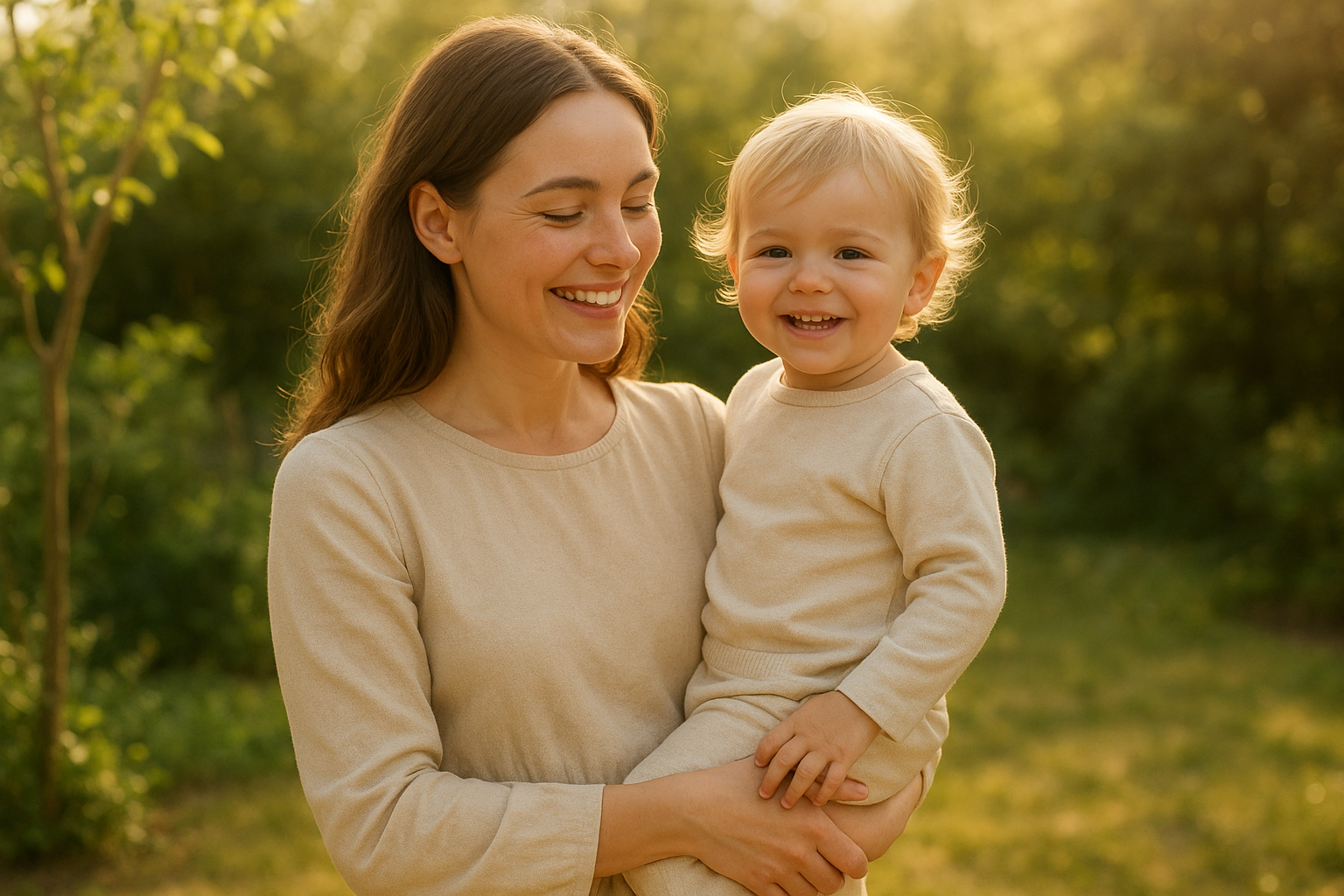
Choosing sustainable maternity and children's fashion benefits both your family and the environment.
What Is Sustainable Maternity and Children's Fashion?
Sustainable maternity and children's fashion refers to clothing designed and produced with minimal environmental harm, ethical labor practices, and certified organic or recycled materials. In particular, it also includes circular business models such as rental, resale, and swapping. In short, it means dressing your growing family in a way that respects both people and the planet.
This approach goes well beyond simply buying organic cotton. Specifically, it covers the entire lifecycle of a garment — from raw material sourcing and manufacturing to how a family uses the item and what happens once a child outgrows it. Consequently, true sustainable maternity and children's fashion requires deliberate decisions at every stage of a garment's life, not just at the checkout.
Why Children's Clothing Is a Unique Sustainability Challenge
Children, especially those under seven, grow at a remarkable pace. In fact, infants can outgrow an entire clothing size within six to eight weeks. As a result, families purchase far more clothing than almost any other demographic — and discard it just as quickly. This rapid turnover drives enormous demand for new production and fills landfills with barely worn garments.
The Short, Intense Life of Maternity Wear
Maternity clothing shares a similar problem in reverse. Expectant mothers typically need maternity-specific garments — pieces cut with stretch panels, adjustable waistbands, and extra room through the belly and chest — for only four to six months per pregnancy. Therefore, buying an entirely new, full-price wardrobe for such a brief window often feels wasteful and expensive. Both categories, in other words, benefit enormously from smarter, more circular approaches to shopping.
The True Environmental Cost of Fast Fashion for Families
Fast fashion — cheap, disposable clothing produced at high volume — is particularly harmful in the children's segment. Many budget children's brands rely on synthetic fabrics like polyester, which shed microplastics (tiny plastic fragments too small to see) with every wash. These particles enter waterways, harm marine ecosystems, and have even been detected in human blood.
Cotton production carries its own water footprint, too. A single conventional cotton t-shirt can require thousands of liters of water to grow and process, a widely cited industry estimate that helps explain why organic and low-impact fibers matter so much for family wardrobes. Moreover, low-cost garments are frequently manufactured under poor labor conditions, particularly in countries with limited worker protections. Choosing sustainable maternity and children's fashion, therefore, is not just an environmental decision — it is an ethical one as well.
The good news is that eco-friendly alternatives are more accessible than ever. Specifically, families now have a growing range of options: certified organic clothing, secondhand markets, clothing swaps, and innovative rental subscription services that keep garments circulating for years instead of weeks.
How to Build a Sustainable Children's Wardrobe, Step by Step
Building a greener wardrobe for your child does not have to be overwhelming. In fact, a few structured steps can make a significant difference within a single afternoon.
- Audit your current children's wardrobe. Sort through existing clothing and separate items that still fit from those that are outgrown. Donate or swap gently used pieces rather than discarding them, since this first step alone keeps textiles out of landfills.
- Choose certified sustainable fabrics. When buying new items, look for GOTS (Global Organic Textile Standard) or OEKO-TEX certified garments. These labels confirm fabrics are free from harmful chemicals and produced responsibly — both critical for children's sensitive skin.
- Explore rental and subscription options. A children's clothing rental service like Bundle to Bundle lets you swap premium pieces as your child grows, starting at just $50 per month with free two-way shipping included.
- Participate in clothing swaps and secondhand markets. Local parent groups and online resale platforms extend garment lifecycles and reduce demand for new production. Consequently, they remain among the most impactful tools available to eco-conscious families.
- Care for clothing properly to extend its life. Wash in cold water, air dry when possible, and repair minor damage promptly. Proper garment care can double or even triple the usable life of children's clothing.
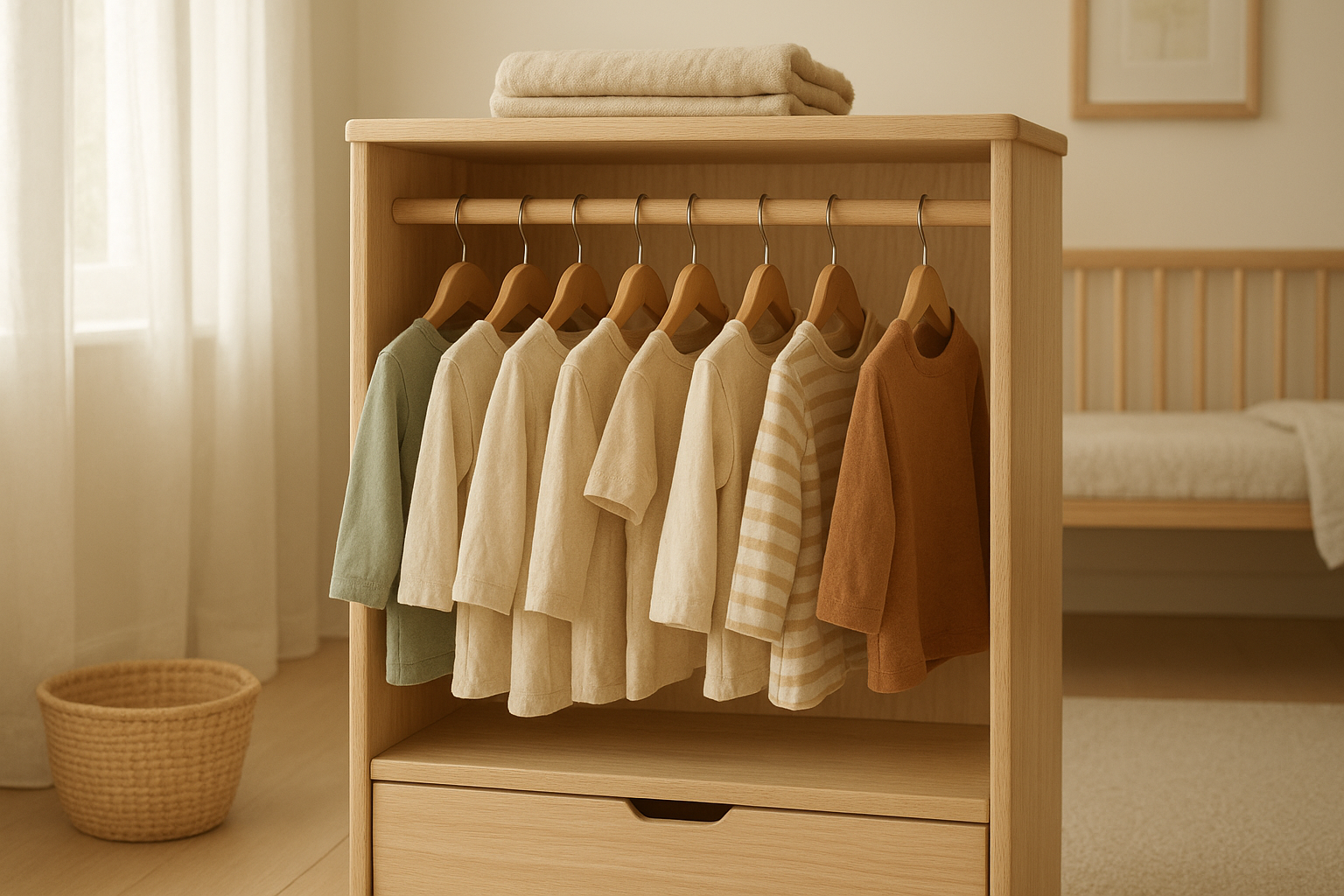
An organized, curated wardrobe of sustainable kids' clothing reduces waste and simplifies daily dressing.
The Circular Fashion Movement: A Smarter Way to Dress Growing Families
The circular economy model — where products stay in use as long as possible rather than being discarded — is gaining significant traction in children's fashion. Instead of the traditional "buy, use briefly, discard" cycle, circular fashion keeps garments moving among families through rental, resale, and repair.
This shift suits children's clothing particularly well. Because kids outgrow sizes so rapidly, a single high-quality garment can serve multiple children across its lifetime when handled through a circular system. As a result, the environmental footprint per wear drops dramatically compared to single-owner fast fashion.
How Clothing Rental Subscriptions Power Eco-Friendly Kids Fashion
Children's clothing rental subscriptions are one of the most practical expressions of circular fashion for families. Services like Bundle to Bundle provide curated, premium children's apparel through a flexible monthly membership. Members can swap items anytime as their child grows or their needs change, eliminating the constant cost and waste of buying new clothing every few months.
Furthermore, with free two-way shipping included, the logistical hassle of returns disappears entirely. For families with children from newborn to seven years old — arguably the most wardrobe-intensive years of childhood — this model offers both financial relief and a meaningfully smaller environmental footprint. You can also explore more strategies in our guide on how to keep children's wardrobes fresh and stylish.
Sustainable Maternity Fashion: A Complete Buying Guide
Shopping for maternity clothing is different from shopping for anything else in your closet. A changing body needs pieces that adapt over nine months, not a static size. Below, we break down exactly how to approach sustainable maternity fashion so you buy less, waste less, and still feel confident at every stage.
How to Choose the Right Fit for a Growing Bump
Look for garments with stretch panels, ruching, or adjustable waistbands, since these features allow one item to fit comfortably across multiple trimesters. In addition, prioritize breathable natural fibers over stiff synthetic blends — comfort matters more in maternity wear than almost any other category. Above all, choose pieces that also work postpartum, such as wrap dresses or nursing-friendly tops, so your investment stretches well beyond the pregnancy itself.
When to Start Shopping for Maternity Clothes
Most expectant mothers notice the need for maternity-specific clothing somewhere between weeks 12 and 16, though this varies by body type and whether it is a first pregnancy. Rather than buying an entire wardrobe at once, purchase a small capsule of versatile basics early, then add pieces gradually as your body changes. This staggered approach naturally reduces overbuying and waste.
Capsule Wardrobe Strategy for Maternity Wear
A capsule wardrobe — a small, curated set of interchangeable pieces that mix and match easily — is especially effective during pregnancy. Specifically, a well-planned maternity capsule might include two pairs of stretch-panel bottoms, three adaptable tops, one dress, and one layering piece. Consequently, you get dozens of outfit combinations from a handful of sustainably made garments, rather than a closet full of single-use items.
Rent, Borrow, or Buy? Comparing Your Maternity Wardrobe Options
Not every maternity item needs to be purchased new. In fact, comparing your options side by side makes the most sustainable path obvious:
- Buying new: Best for everyday basics you will genuinely reuse in future pregnancies or reshape for postpartum wear. Choose GOTS-certified fabrics whenever possible.
- Renting: Ideal for occasion wear — think work events, weddings, or maternity photoshoots — where you need something special for a single use without the long-term cost.
- Borrowing or swapping: Excellent for short-term needs among friends and family, and it costs nothing beyond the goodwill of returning the favor later.
- Secondhand marketplaces: A strong middle ground, offering near-new maternity pieces at a fraction of retail price while extending each garment's usable life.
Best Fabrics for Eco-Conscious Maternity and Children's Wear
Not all sustainable fabrics are equal. Here is a quick breakdown of the most responsible choices for families:
- Organic cotton: Grown without synthetic pesticides or fertilizers. GOTS-certified organic cotton is the gold standard for children's sensitive skin and for maternity wear worn directly against a changing body.
- Bamboo: Naturally antibacterial and incredibly soft. It grows rapidly with minimal environmental input, making it a highly renewable resource for both baby clothes and maternity basics.
- Hemp: One of the most durable natural fibers available. Hemp requires very little water and no pesticides, and it actually improves soil health as it grows.
- Recycled polyester: Made from post-consumer plastic waste such as bottles. While it still sheds microplastics, it diverts plastic from landfills and uses significantly less energy than virgin polyester.
- Tencel / Lyocell: A wood-pulp-derived fiber produced in a closed-loop process that recaptures nearly all solvents used. It is soft, breathable, and biodegradable — a favorite for maternity sleepwear.
For more detailed guidance, our eco-friendly kids clothes parent's complete guide covers fabric choices in depth, alongside practical shopping tips.
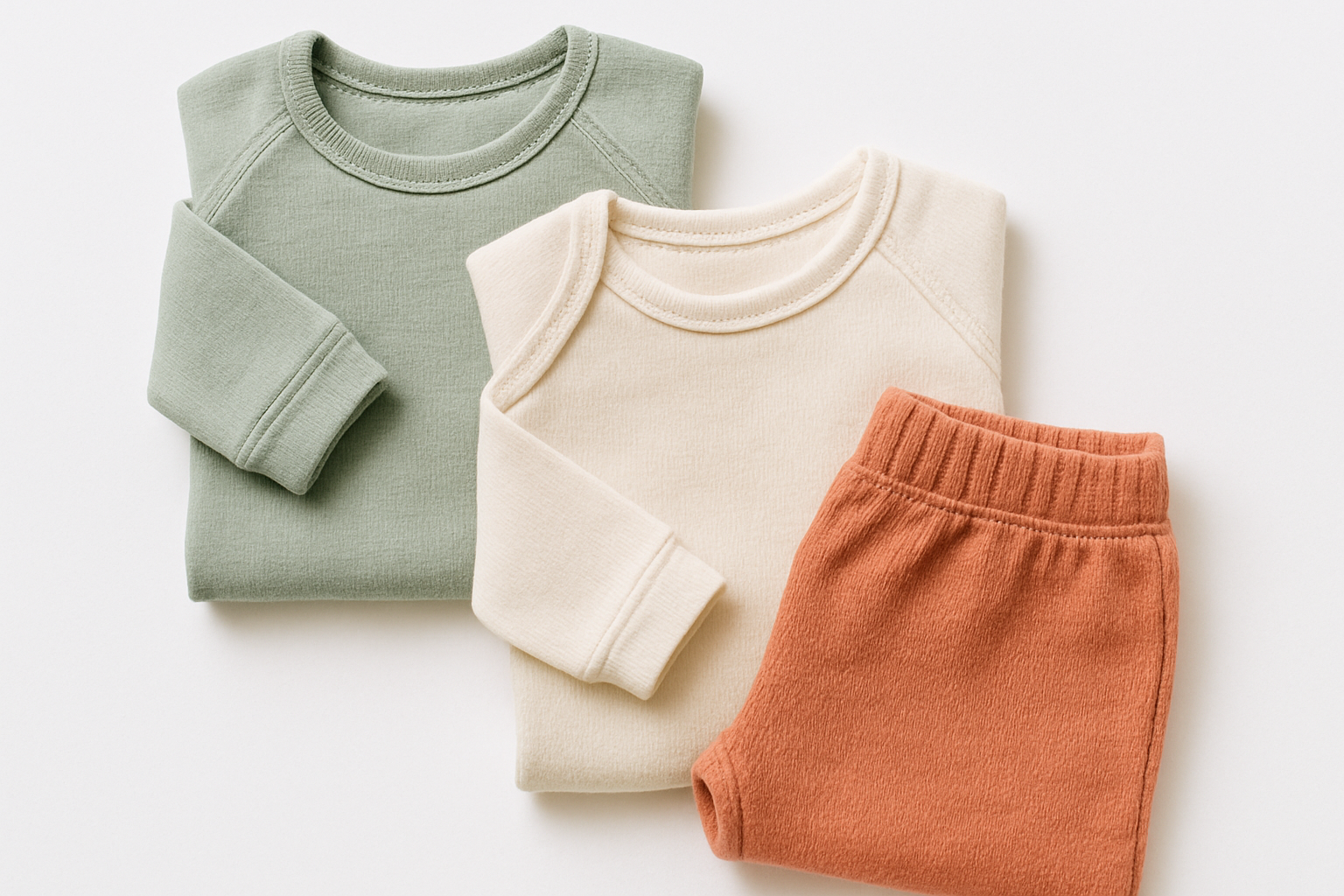
Organic cotton, bamboo, and hemp are among the most eco-friendly fabric choices for children's clothing.
Understanding Sustainability Certifications: GOTS, OEKO-TEX, and Beyond
Certification labels can feel confusing, but each one verifies something specific. GOTS tracks organic fiber content and responsible processing from farm to finished garment. OEKO-TEX, in contrast, tests the final product for harmful substances, regardless of whether the raw fiber was organic.
Two other labels worth knowing: Fair Trade Certified, which confirms ethical wages and working conditions for garment workers, and bluesign, which audits the environmental impact of dyeing and finishing chemicals used during manufacturing. Together, these certifications give parents a genuine, third-party-verified way to judge whether a brand's sustainability claims hold up.
Making Sustainable Kids Fashion Affordable
One common concern among parents is cost. Premium sustainable clothing often carries a higher price tag than fast-fashion alternatives. However, the total cost of ownership tells a different story: a high-quality organic garment that lasts through multiple children — or circulates through a rental service — costs far less per wear than a cheap item that falls apart after a few washes.
Additionally, rental subscriptions spread the cost of premium clothing into manageable monthly amounts. Bundle to Bundle's membership, starting at $50 per month with free shipping both ways, gives families access to top-tier children's fashion labels without the upfront cost of buying outright. There is also no long-term commitment, so families can cancel anytime — making it a genuinely low-risk option.
For additional money-saving ideas, explore our article on how to make kids clothing more sustainable and our dedicated resource on sustainable baby clothes for the youngest members of your family.
How to Avoid Greenwashing When Shopping Sustainable Maternity and Children's Fashion
Not every brand that uses the word "sustainable" backs it up with real practices. This is often called greenwashing — marketing language that implies eco-friendliness without meaningful proof. To shop with confidence, check for these signals before buying:
- Does the brand name a specific, verifiable certification (GOTS, OEKO-TEX, Fair Trade, bluesign) rather than vague terms like "eco-friendly" or "conscious"?
- Is fabric composition listed clearly, including percentages, rather than hidden behind marketing copy?
- Does the brand disclose where and how garments are manufactured?
- Does the company offer any circular options, such as take-back programs, resale, or rental, rather than only encouraging new purchases?
In particular, a brand that sells only new garments with no rental, resale, or repair pathway is not offering a full circular solution — no matter how organic its fabrics are. Genuine sustainable maternity and children's fashion considers the entire lifecycle, not just the point of sale.
Frequently Asked Questions
What is sustainable maternity and children's fashion?
Sustainable maternity and children's fashion refers to clothing designed and produced with minimal environmental impact, using ethical labor practices, organic or recycled materials, and circular models such as rental or resale. It helps families reduce textile waste while dressing kids and expectant mothers in safe, high-quality garments.
Why is children's clothing particularly wasteful?
Children grow rapidly, often outgrowing clothes within weeks or months, which leads to enormous textile waste. The fashion industry already produces around 92 million tonnes of textile waste per year globally, and children's apparel contributes significantly to that figure.
How can I make my child's wardrobe more sustainable?
You can choose organic or recycled-material clothing, buy secondhand, participate in clothing swaps, or use a children's clothing rental subscription. Rental services like Bundle to Bundle allow you to swap items as your child grows, dramatically cutting waste and cost.
What certifications should I look for in eco-friendly kids clothing?
Look for GOTS (Global Organic Textile Standard) and OEKO-TEX certifications. GOTS ensures organic fiber content and responsible processing, while OEKO-TEX certifies that textiles are free from harmful substances safe for children's sensitive skin.
Is renting children's clothing hygienic?
Yes. Reputable children's clothing rental services professionally clean and inspect every item between uses. Bundle to Bundle, for example, ensures garments are thoroughly cleaned before being sent to new subscribers.
How much does a children's clothing rental subscription cost?
Costs vary by provider, but Bundle to Bundle offers plans starting at $50 per month with free two-way shipping included. Compared to buying new premium children's clothing every few months, this is typically far more affordable.
What is the environmental impact of fast fashion for kids?
Fast fashion for children contributes to water pollution, carbon emissions, and landfill overflow. Synthetic fabrics like polyester shed microplastics, and low-cost garments are often discarded after minimal use, accelerating textile waste.
Are there sustainable maternity clothing options available?
Yes. Several brands offer maternity wear made from organic cotton, bamboo, and recycled fibers. Rental and secondhand options are also widely available, making sustainable maternity fashion both accessible and affordable.
What fabrics are considered most sustainable for children's clothing?
Organic cotton, bamboo, hemp, and recycled polyester are among the most sustainable fabric choices. Organic cotton avoids harmful pesticides, bamboo grows quickly with little water, and recycled polyester diverts plastic waste from landfills.
Can I cancel a children's clothing rental subscription anytime?
Most services, including Bundle to Bundle, offer a no-commitment structure that allows members to cancel at any time. This flexibility makes rental subscriptions a low-risk way to try sustainable fashion.
What age range does Bundle to Bundle serve?
Bundle to Bundle serves families with children from newborn up to seven years old. The rotating wardrobe model is particularly well-suited to these ages because children grow the fastest and outgrow clothing most quickly during this period.
How does a circular fashion model benefit families?
A circular fashion model keeps clothing in use longer by enabling rental, swapping, or resale rather than disposal. For families, this means access to quality garments at a fraction of the retail cost while significantly reducing their environmental footprint.
When should I start buying maternity clothes during pregnancy?
Most people need maternity-specific pieces between weeks 12 and 16. However, starting with a small capsule of versatile basics and adding pieces gradually, rather than buying an entire wardrobe upfront, reduces both waste and unnecessary spending.
Do sustainable maternity clothes work for postpartum and nursing too?
Many sustainable maternity pieces, such as wrap dresses and stretch-panel bottoms, transition smoothly into postpartum wear. Choosing versatile, well-made items in durable natural fibers extends their usefulness well beyond pregnancy alone.
How do I spot greenwashing in maternity and children's fashion brands?
Check for specific, verifiable certifications like GOTS or OEKO-TEX rather than vague terms such as "eco-friendly." Genuine sustainable brands also disclose fabric composition, manufacturing origin, and ideally offer circular options like resale or rental.
Conclusion: Dressing Your Family with Purpose
Sustainable maternity and children's fashion is no longer a niche concern — it is a practical, financially smart, and environmentally responsible approach that more families embrace every year. By choosing certified organic fabrics, building thoughtful capsule wardrobes, watching for greenwashing, and participating in circular fashion systems, parents can significantly reduce their household's textile footprint without sacrificing quality or style. Services like Bundle to Bundle make this transition easier than ever, offering premium children's clothing on a flexible, affordable monthly plan that grows alongside your child. For further reading, our guide on eco-friendly options for kids clothing provides even more actionable ideas. Ultimately, every thoughtful choice you make today, whether it's renting, buying secondhand, or investing in certified organic maternity wear, helps build a healthier, more sustainable world for the children wearing those clothes tomorrow.


