


Affordable fashion for kids is possible for every family, even as growth spurts, muddy playgrounds, and changing seasons chew through a child's wardrobe month after month. Most parents eventually hit the same wall: buy cheap and replace often, or buy quality and pay dearly for it. However, a third option has emerged that sidesteps both problems entirely — and it's reshaping how smart families budget for children's clothing.
Quick answer: Affordable fashion for kids comes from combining smart shopping habits — capsule wardrobes, timed sales, secondhand markets — with clothing rental subscriptions that rotate premium apparel for a flat monthly fee. Services like Bundle to Bundle let families skip the buy-and-discard cycle entirely, cutting costs while keeping kids dressed in well-made, stylish clothing year-round.
- What affordable fashion for kids actually means
- The real cost of dressing a growing child
- Building a budget-friendly capsule wardrobe
- How clothing rental cuts costs
- Step-by-step: starting a subscription
- Comparing every budget strategy
- Sizing smart as kids grow
- FAQs
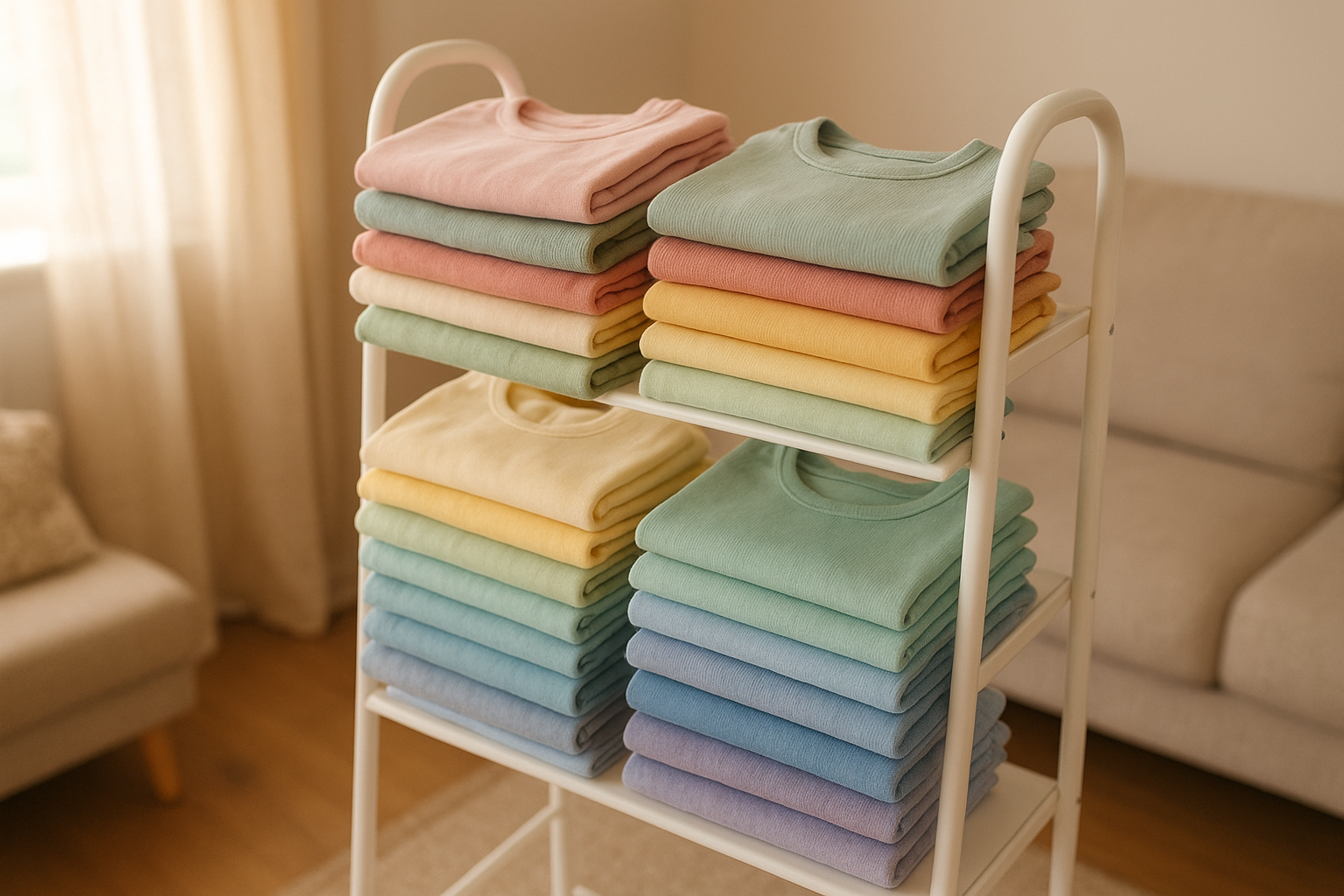
A curated rotation of outfits makes affordable fashion for kids simple to maintain year-round.
What Is Affordable Fashion for Kids?
Affordable fashion for kids means dressing a child well without paying full retail price every time they outgrow a size. Instead of purchasing entire wardrobes outright, a growing number of families now blend smart shopping tactics with rental subscriptions that provide access to premium apparel for a fixed monthly fee. As a result, parents spend less overall while still dressing their children in durable, stylish pieces that actually fit.
Because children grow so quickly between birth and age seven, this hybrid approach has become especially popular. In fact, most kids move through several clothing sizes within a single year, which makes ownership-only strategies expensive and often wasteful. Specifically, a onesie bought in January may be unusable by June — long before it shows any real wear.
Why Parents Struggle With Kids' Clothing Costs
Raising a child comes with countless recurring expenses, and clothing sits near the top of that list. Since kids grow out of sizes within months, parents often replace entire wardrobes several times a year. Consequently, the total cost of dressing a child from infancy through elementary school can climb into the thousands of dollars.
In addition, quality children's apparel from well-known labels tends to carry a premium price tag. Therefore, many parents feel forced to choose between cheaper, lower-quality clothing that wears out fast, or overspending on pieces their child outgrows within weeks. Neither option feels satisfying, and both eat into a family's monthly budget.
According to the U.S. Environmental Protection Agency, textiles make up a significant and growing share of household waste, much of it clothing discarded after limited use. This connects the financial strain of repeatedly buying kids' clothes directly to a measurable environmental cost.
The Real Cost of Dressing a Growing Child
To put numbers behind the problem, here is an illustrative breakdown of typical annual spending by age group, comparing buying new outright against a rental membership:
| Age Range | Avg. Size Changes / Year | Buying New (Est.) | Rental Membership (Est.) |
|---|---|---|---|
| Newborn–12 months | 5–6 sizes | $600–$900 | ~$600 |
| 1–3 years | 3–4 sizes | $450–$700 | ~$600 |
| 4–7 years | 2–3 sizes | $350–$550 | ~$600 (or lower tier) |
| 8+ years | 1–2 sizes | $250–$400 | Varies by provider |
Figures are illustrative estimates based on typical retail pricing and a fifty-dollar monthly membership; actual costs vary by brand, region, and provider.
Notice how the newborn and toddler years show the widest cost swings when buying new. In contrast, a flat monthly rental fee stays predictable no matter how fast a child grows — which is exactly why so many families switch during those early, size-churning years.
Building a Budget-Friendly Capsule Wardrobe for Kids
Before diving into rental or resale, every family benefits from a smaller, smarter closet. A capsule wardrobe — a curated set of mix-and-match basics — is one of the most effective tools for keeping kids' clothing costs under control. Rather than owning dozens of outfits that rarely get worn, a capsule approach focuses on versatile pieces that pair easily with everything else in the drawer.
Essential Basics Every Budget Wardrobe Needs
The right basics differ slightly by age, but a few categories show up across every stage of childhood:
- Bodysuits and onesies (0–2 years): Choose stretchy cotton blends with easy snap closures for quick changes.
- Leggings and joggers (all ages): Neutral colors mix with almost any top, stretching your outfit combinations.
- Plain tees and long sleeves (all ages): Solid colors layer well and rarely go out of style between siblings.
- Weather layers (jackets, fleece): Buy slightly ahead of season so a coat still fits when temperatures drop.
- Sleepwear: Prioritize snug-fitting or flame-resistant styles that meet current safety standards.
- One or two "special" outfits: Reserve a small budget for events, since everyday basics cover the rest.
Choosing Durable, Quality Fabrics on a Budget
Fabric choice matters more than price tag alone. Tightly woven cotton and cotton-blend knits hold up to washing far better than thin synthetic blends, meaning fewer replacements over time. Similarly, reinforced knees and double-stitched seams — common on higher-quality basics — extend a garment's usable life through multiple wears and, often, multiple children.
Safety matters just as much as durability. For sleepwear specifically, the U.S. Consumer Product Safety Commission's flammability standards set requirements that snug-fitting or treated sleepwear must meet. Whether you buy new, thrift, or rent, checking that pajamas meet these guidelines is a simple habit that protects your child.
How Clothing Rental Makes Affordable Fashion for Kids Possible
Clothing rental services tackle the wardrobe problem head-on by offering a rotating closet instead of one-time purchases. For example, Bundle to Bundle provides curated pieces from top children's fashion labels through a flexible monthly membership starting around fifty dollars. Families can swap items anytime their child grows or their style needs shift — no re-shopping required. For a closer look at how these services structure their plans, this family guide to affordable kids fashion rental services breaks down the details.
Moreover, free two-way shipping removes the hassle of returns, which is often a barrier for busy parents. As a result, the entire process becomes as simple as receiving a box, using the clothes, and sending them back when it's time for a new size. This also eliminates the guesswork of predicting how long an outfit will last before a growth spurt makes it obsolete — parents pay one predictable monthly rate regardless of how often their child's measurements change.
Rental subscriptions also open the door to brand-name pieces that might otherwise sit outside a family's budget. This smart parent's guide to accessing brand-name kids fashion explains exactly how families unlock premium labels without premium price tags.
The Sustainability Angle
Beyond cost savings, rental models support a more sustainable approach to children's fashion. Since each garment is used by multiple families instead of discarded after a single season, less textile waste ends up in landfills. This aligns with growing interest in the circular economy, a model built around reusing resources rather than constantly producing new ones.
Similarly, this stands in contrast to fast fashion, a term describing rapid, low-cost clothing production often linked to significant environmental impact, as documented on Wikipedia's overview of fast fashion. By comparison, rotating a rental wardrobe reduces the demand for constant new production, one household at a time.
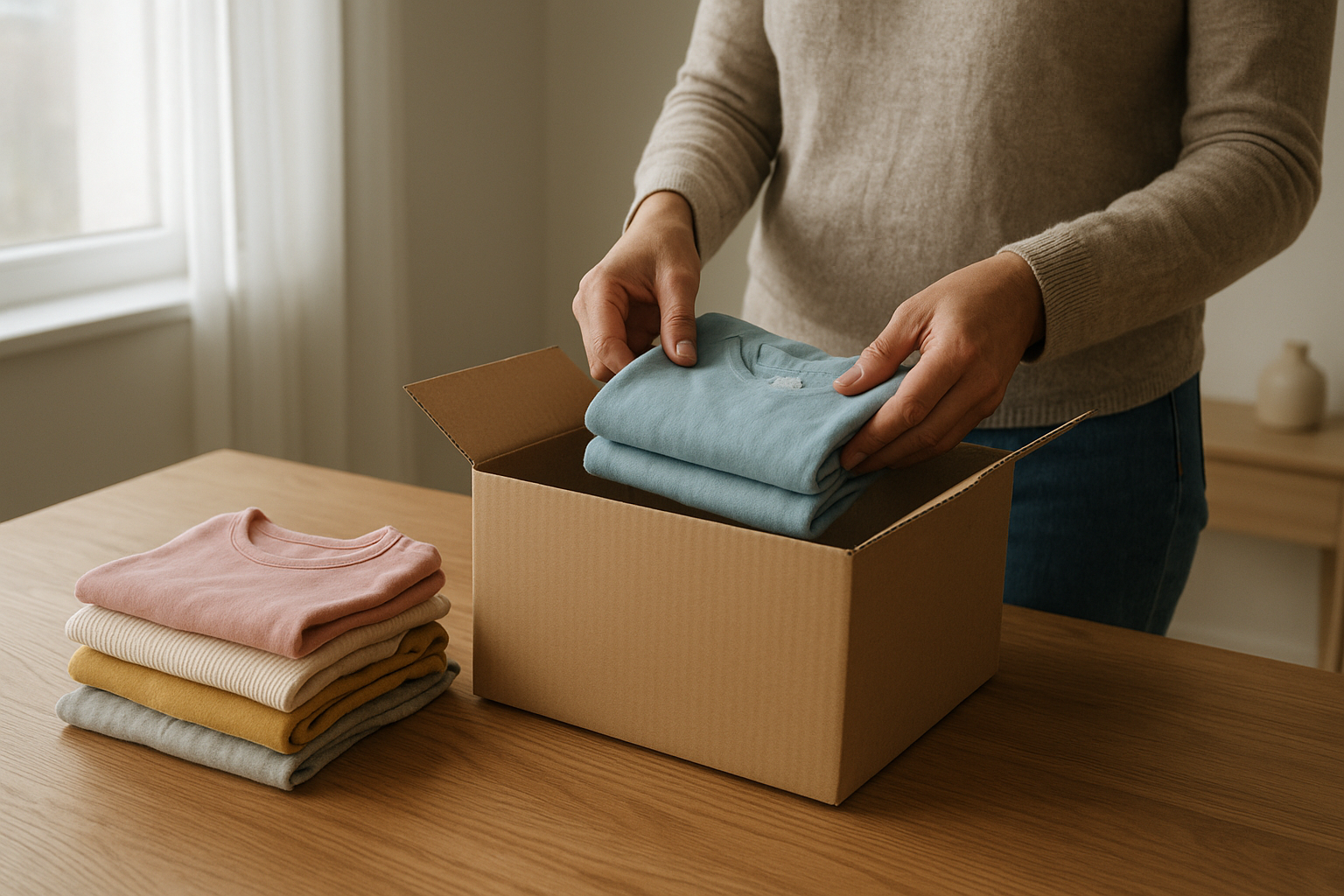
Free two-way shipping keeps the swap process effortless for busy families.
Step-by-Step: How to Get Started With a Kids Clothing Subscription
Getting started with a rental wardrobe is straightforward. The following steps outline the typical process families follow when switching to this model.
- Assess your child's sizes and needs. Measure your child and note upcoming seasonal requirements before selecting items, since accurate measurements reduce swap requests later.
- Choose a membership plan. Pick a monthly tier that fits your budget, often starting around fifty dollars, and confirm how many pieces each shipment includes.
- Receive your curated box. Check the arriving pieces against your child's measurements before use, and flag any sizing issues right away for a faster swap.
- Swap items as needed. Use the included free shipping label to exchange clothing whenever sizes or seasons change, keeping the wardrobe current year-round.
- Cancel or adjust anytime. Review your plan periodically, since most services allow cancellation or tier changes without penalty or long-term commitment.
Because this process is repeatable, many families find it easier to manage than tracking sales, sizes, and store returns on their own. For more detail on getting started, this complete guide for budget-savvy parents covers additional considerations.
Comparing Every Budget Strategy for Kids' Clothing
Not every family will choose rental as their only strategy, and that's perfectly reasonable. Some parents combine subscriptions with secondhand shopping or seasonal sales for a hybrid approach. However, rental tends to offer the most predictable cost structure since the monthly fee rarely changes regardless of growth spurts.
| Strategy | Cost Predictability | Time Required | Sustainability |
|---|---|---|---|
| Buying new retail | Low | Low | Low |
| Thrift & consignment | Medium | High | High |
| Secondhand marketplaces | Medium | Medium | High |
| Clothing rental subscription | High | Low | High |
| Hand-me-downs & swaps | Low | Medium | High |
In contrast, buying new clothing each season involves unpredictable spending that spikes during growth periods. Meanwhile, secondhand shopping can save money but often requires more time searching for specific sizes or styles. For a broader comparison of budget approaches, this guide on affordable options for kids' clothes outlines several paths parents can take.
Thrift Stores, Consignment Sales, and Swap Parties Explained
Thrift and consignment stores remain a legitimate way to find budget kids clothes, particularly for barely-worn items in excellent condition. However, success often depends on timing and luck, since inventory turns over unpredictably. Consignment sales, run seasonally by local groups, tend to offer a wider selection at once, making them worth a dedicated afternoon twice a year.
Swap parties, meanwhile, are an underused resource. By organizing an outgrown-clothing exchange with a handful of other families, everyone leaves with new-to-them pieces at zero cost. Above all, this works best when swap groups include children across a range of ages, since that spread guarantees more useful matches for everyone involved.
Timing Sales and Seasonal Clearance for Maximum Savings
Retailers typically clear out seasonal inventory about six to eight weeks before that season ends, which is the ideal window for buying ahead at a discount. For example, shopping winter coat clearance in late January often means paying half the original price for a coat your child will wear the following winter. Similarly, buying next summer's swimwear during late-summer clearance can lock in savings months in advance.
This strategy does require guessing future sizes, though, which is exactly where it falls short compared to rental. Because a subscription adjusts to your child's actual measurements each shipment, there's no need to gamble on a size six months out.
Sizing Smart: How to Choose the Right Fit as Kids Grow
Sizing mistakes waste money fast, whether you're buying, thrifting, or renting. A helpful starting point is tracking your child's height and weight against standardized growth curves, such as the CDC's growth charts, which show typical growth trajectories by age. Comparing your child's percentile trend — rather than a single measurement — gives a much better sense of when the next size jump is coming.
In practice, this means measuring every two to three months during rapid-growth years and buying or requesting swaps slightly ahead of the curve rather than after clothes stop fitting. This guide to finding stylish clothes for a growing child offers more specific strategies for staying ahead of growth spurts without overbuying.
Tips for Finding Stylish, Budget-Savvy Children's Clothing
Whether or not a family chooses rental, a few practices help stretch a children's clothing budget further. First, prioritize versatile pieces that mix and match easily across outfits. Second, track growth patterns so purchases or swaps happen right before a size change rather than after — a habit that pays off repeatedly over a childhood.
Finally, families interested in premium brands without premium prices may want to explore curated subscription models. This smart style guide for premium fashion explains how to access higher-end labels affordably. Similarly, this resource on affordable premium clothing for kids breaks down where to look first, while this smart parent's guide to affordable designer kids' clothes covers designer-specific strategies worth knowing.
Regular swaps keep kids comfortably dressed as they grow, without added cost.
Frequently Asked Questions About Affordable Fashion for Kids
What is affordable fashion for kids?
Affordable fashion for kids means giving children quality, stylish clothing without the high costs of constantly buying new outfits as they grow. Rental subscriptions and smart shopping habits together make this possible by letting families rotate items for a flat monthly fee or spend strategically.
What basics should every affordable kids' wardrobe include?
A budget-friendly capsule wardrobe should include bodysuits or leggings, plain mix-and-match tees, weather-appropriate layers, and safety-rated sleepwear. Focusing on these versatile basics limits unnecessary purchases and stretches every outfit further.
How does a children's clothing rental service work?
Parents choose a plan, receive a curated box sized for their child, and swap items whenever sizes or seasons change. Shipping is typically included both ways at no extra cost.
Why do kids' clothes cost so much over time?
Children grow quickly, often outgrowing clothes within months, which forces repeated repurchasing. This cycle adds up significantly, especially with premium brands.
What age range works best for a kids clothing subscription?
Most rental wardrobes serve children from newborn through age seven, since this window involves the most frequent size changes. Older kids can still benefit, though growth becomes less predictable afterward.
How much does a children's clothing rental membership cost?
Plans often start around fifty dollars per month for a rotating selection of premium apparel. This is typically less than buying equivalent designer pieces outright every few months.
How long does shipping take when swapping kids' clothes?
Most two-way shipping exchanges arrive within five to seven business days. Free return labels are usually included so parents never pay extra for swaps.
What happens if a rented outfit gets stained or damaged?
Reputable rental services expect normal wear and tear from active kids and build this into pricing. Most only charge for lost items or excessive damage beyond typical use.
Is clothing rental more sustainable than buying new kids' clothes?
Yes, rental models extend a garment's life by passing it between multiple children instead of discarding it after one season. This reduces textile waste, a growing environmental concern.
Can I cancel a kids clothing subscription anytime?
Most flexible rental memberships allow cancellation whenever a family no longer needs the service. This low-risk structure is part of what makes rental appealing.
What brands are typically included in kids clothing rental boxes?
Curated wardrobes usually feature top-tier children's fashion labels that would otherwise be costly to purchase outright. Selection varies by provider and season.
How do I pick the right size when my child is growing fast?
Most services ask for current measurements and expected growth trends, then adjust future shipments accordingly. Since swaps are flexible, sizing mistakes are easy to correct.
What is the difference between renting and buying kids' clothes?
Buying means owning each piece outright, while renting provides temporary access to a rotating wardrobe for a monthly fee. Renting typically costs less over time and reduces clutter.
Is secondhand kids' clothing safe to buy?
Yes, provided you wash items before wearing them and check for safety recalls on snaps, zippers, and sleepwear. Following flammability guidance from the Consumer Product Safety Commission is especially important for secondhand pajamas.
What common mistake do parents make when budgeting for kids' clothes?
Many parents underestimate how often they will need to repurchase items due to rapid growth, leading to unplanned spending. Tracking growth cycles and considering subscriptions can prevent this gap.
Final Thoughts
Affordable fashion for kids no longer has to mean sacrificing quality, style, or your sanity. As families continue searching for smarter ways to dress growing children, a combination of capsule wardrobes, timed sales, secondhand markets, and rental subscriptions offers a practical middle ground between cost, sustainability, and convenience. By rotating premium apparel instead of constantly buying new outfits — and shopping smarter when you do buy — parents can save real money while reducing textile waste.
Ultimately, services like Bundle to Bundle show that dressing children well does not require overspending. With flexible plans, free two-way shipping, and no long-term commitment, this model makes affordable fashion for kids both accessible and sensible for modern families — starting with the very next growth spurt.


