


An eco-friendly kids apparel subscription is a rental-based clothing service that lets families dress children in premium, sustainably sourced outfits without the waste of constant buying and discarding. Instead of purchasing new clothes every few months as kids grow, parents pay a flat monthly fee to rotate through high-quality garments. For example, Bundle to Bundle offers exactly this kind of service, starting at fifty dollars a month with free two-way shipping included. As a result, environmentally conscious parents can reduce clothing waste while saving both money and time.
In this guide, we will explore how these subscriptions work, why they matter for the planet, and how to choose the right one for your family. Along the way, we'll cover the environmental impact of children's fashion and answer the most common questions parents ask.
Quick answer: An eco-friendly kids apparel subscription lets families rent a rotating wardrobe of premium children's clothing for a monthly fee, swapping sizes as kids grow instead of buying and discarding outfits, which reduces textile waste and cost.
What Is an Eco-Friendly Kids Apparel Subscription?
An eco-friendly kids apparel subscription is a membership service that provides rotating access to sustainably sourced children's clothing instead of one-time purchases. Members pay a recurring fee, wear the clothes for as long as needed, then swap them for new sizes or styles as their child grows. This model directly addresses the fact that children outgrow clothes every few months, which traditionally leads to significant textile waste.
Unlike informal clothing swaps or thrift stores, subscription services curate premium items from top children's fashion labels and handle all the logistics themselves. Specifically, providers like Bundle to Bundle clean, inspect, and redistribute garments between families, extending the usable life of each piece. Consequently, fewer clothes end up in landfills, and parents avoid the ongoing cost of buying an entirely new wardrobe every season. To understand the mechanics in more depth, this breakdown of how kids fashion subscriptions work covers the process step by step.
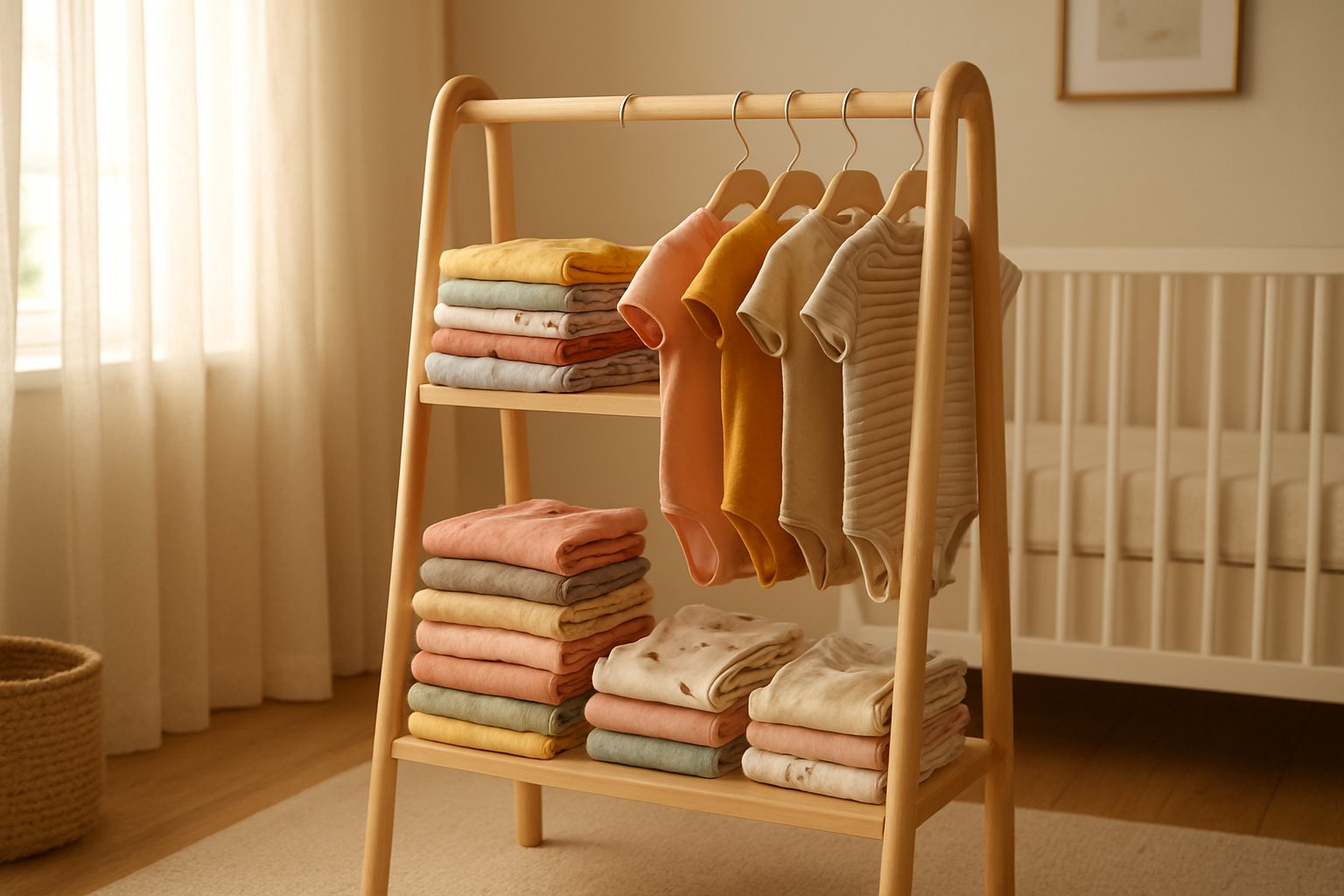
A curated rack of rotating outfits is the heart of any eco-friendly kids apparel subscription.
Why Sustainable Children's Clothing Rentals Are Growing in Popularity
According to the U.S. Environmental Protection Agency, textile waste in the United States has exceeded 11 million tons annually, with children's clothing contributing a notable share because of rapid growth cycles. In addition, fast fashion remains one of the largest polluting industries globally. Therefore, many parents are turning to rental models as a practical alternative.
Furthermore, sustainable children's clothing rentals appeal to budget-conscious families for a simple reason. Because kids grow out of sizes every three to six months, buying new outfits repeatedly becomes expensive and wasteful. In contrast, a subscription model lets families access a constantly refreshed wardrobe without the recurring purchase cost, which supports the principles of a circular economy where garments stay in use longer.
How a Green Kids Clothing Subscription Works
Understanding how a green kids clothing subscription works helps families decide if it fits their lifestyle. Below is the typical process most services, including Bundle to Bundle, follow from sign-up to ongoing swaps.
- Choose a membership plan: Select a monthly plan that matches your child's age and wardrobe needs, with pricing starting around fifty dollars per month for premium curated pieces.
- Receive curated clothing: A stylist or sizing system selects high-quality garments from top children's fashion labels based on your child's size, season, and style preferences.
- Wear and enjoy: Let your child wear the clothing for as long as it fits, without worrying about stains since most services expect normal, gentle wear during use.
- Swap or return items: When your child outgrows an item or you want a fresh look, use the included free two-way shipping to send pieces back and receive new ones.
- Repeat as needed: Continue swapping items on your own schedule since most subscriptions allow cancellation anytime without long-term commitment or hidden penalties.
If you would like a more detailed walkthrough, this overview of what's included in a kids outfit subscription explains typical box contents and swap frequency.
Benefits of an Eco-Conscious Kids Fashion Subscription
An eco-conscious kids fashion subscription offers several practical advantages beyond environmental impact alone. Above all, it removes the stress of constantly shopping for new sizes.
- Cost predictability: A flat monthly fee replaces unpredictable retail spending on outgrown clothes.
- Reduced waste: Garments circulate between families instead of being discarded after a single growth spurt.
- Premium quality: Members access top-tier labels that would otherwise be a bigger investment to buy outright.
- Convenience: Free two-way shipping removes the hassle of returns or drop-offs.
- Flexibility: No-commitment plans mean families can cancel anytime as needs change.
For a broader look at what quality means in this space, see this complete guide to high-quality kids apparel subscriptions, which compares fabric standards and label sourcing.
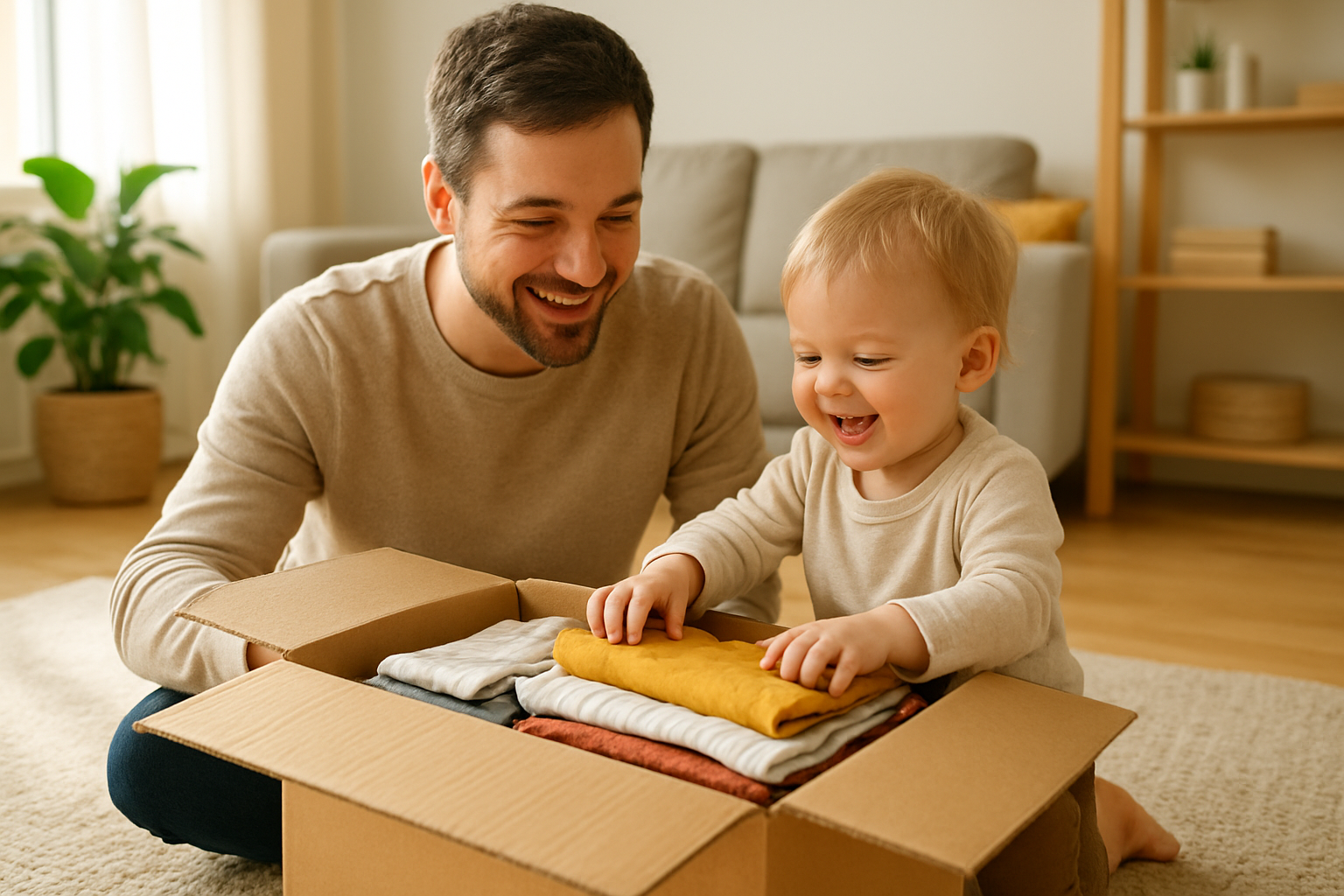
Free two-way shipping makes swapping sizes simple for busy families.
The Environmental Impact of Fast Fashion for Children
Children's clothing has a shorter usable lifespan than adult clothing simply because kids grow so quickly. As a result, garments are often discarded while still in excellent condition, which contributes disproportionately to landfill waste. Similarly, the production of new textiles requires significant water, energy, and raw materials, according to the United Nations Environment Programme.
By contrast, extending a garment's life across multiple children through a rental model directly reduces the demand for new production. Consequently, families who choose rental services help lower overall textile consumption without sacrificing style or quality. This is particularly relevant given how often kids move between clothing sizes in their first seven years.
How to Choose the Right Sustainable Kids Clothing Rental
Choosing the right sustainable kids clothing rental service requires looking beyond price alone. Specifically, families should examine swap frequency, shipping policies, and the age ranges each provider serves.
In particular, confirm that the service allows cancellation at any time and does not lock members into long contracts. Additionally, check whether shipping is included both ways, since return shipping fees can quietly add up. If you're curious how this compares to informal swapping, this guide on fashion swaps for kids clothes explains the key differences between community swaps and managed subscriptions.
Bundle to Bundle's Approach to Sustainable Kids Fashion
Bundle to Bundle is a children's clothing rental subscription designed for families with kids from newborn through age ten. Members receive curated pieces from top-tier children's fashion labels through a flexible monthly membership starting at fifty dollars. Because free two-way shipping is included, swapping sizes as a child grows requires no extra cost or hassle.
Above all, the no-commitment structure means families can cancel anytime, making it a low-risk way to try a more sustainable approach to children's fashion. For families weighing convenience alongside sustainability, this stress-free kids clothing service guide outlines what a typical membership experience looks like month to month.

Kids can play freely in premium clothing sourced through an eco-friendly kids apparel subscription.
Frequently Asked Questions About Eco-Friendly Kids Apparel Subscription
What is an eco-friendly kids apparel subscription?
An eco-friendly kids apparel subscription is a membership service that lets families rent rotating, sustainably sourced children's clothing instead of buying new outfits repeatedly. Members pay a monthly fee and swap sizes as their child grows, reducing textile waste and cost.
How does an eco-friendly kids apparel subscription save money?
Instead of buying multiple new outfits every few months, families pay one flat monthly fee for a rotating wardrobe. This eliminates repeated retail purchases and the cost of clothes a child quickly outgrows.
How much does a kids clothing rental subscription typically cost?
Pricing generally starts around fifty dollars per month for a curated selection of premium garments. Costs vary depending on the number of items, brands included, and swap frequency offered by the provider.
How long can we keep each item before swapping?
Most services allow families to keep items for as long as they fit or are needed, with no strict deadline. Once a child outgrows a piece or the family wants a change, items can be swapped anytime.
What happens if clothing gets stained or damaged?
Reputable subscription services expect normal wear and typically include cleaning as part of membership. However, excessive damage beyond normal use may incur a small fee, depending on the provider's policy.
Is renting kids clothes better for the environment than buying new?
Yes, renting extends the usable life of each garment across multiple children instead of one, which reduces overall production demand and textile waste. This directly counters the throwaway cycle common in fast fashion.
What ages do eco-friendly kids apparel subscriptions typically serve?
Bundle to Bundle serves children from newborn through ten years old. This age range covers the fastest growth periods when clothing turnover is highest.
How do I choose the best sustainable kids clothing rental for my family?
Look for flexible swap policies, free two-way shipping, quality brand partnerships, and transparent pricing. In addition, confirm the service allows cancellation anytime without penalty.
What brands are usually included in kids clothing subscription boxes?
Quality subscription services typically curate pieces from top-tier children's fashion labels known for durability and style. Exact brand selections vary by provider and by the child's size and season.
Can I cancel an eco-friendly kids apparel subscription anytime?
Most reputable providers, including Bundle to Bundle, offer no-commitment plans that can be cancelled at any time. This makes the service low-risk compared to traditional retail purchases.
What is the difference between a clothing swap and a subscription service?
A clothing swap is typically an informal exchange between families or community groups, while a subscription service is a managed membership with curated selections, cleaning, and shipping included. Subscriptions generally offer more consistency and convenience.
What mistakes should parents avoid when starting a kids clothing subscription?
A common mistake is choosing a plan size that doesn't match how quickly the child is growing, leading to unnecessary swaps. Parents should also check shipping costs and cancellation terms before committing.
Final Thoughts on Eco-Friendly Kids Apparel Subscriptions
Choosing an eco-friendly kids apparel subscription is a practical way for families to reduce waste, save money, and keep kids dressed in premium, well-made clothing. As children grow through frequent size changes, a rental model replaces wasteful buying cycles with a flexible, no-commitment membership. Ultimately, services like Bundle to Bundle make sustainable dressing simple by combining curated fashion labels, free two-way shipping, and pricing that starts at just fifty dollars a month.
In short, families searching for a smarter, more responsible approach to children's fashion can find real value in a well-run eco-friendly kids apparel subscription. Therefore, it's worth comparing a few providers before committing to see which plan best fits your child's growth pace and your family's budget.


