


Green fashion for children means dressing kids in clothing that protects their health, respects the planet, and still looks good on the playground. Parents today face a flood of options — organic labels, recycled fabrics, secondhand bundles, capsule wardrobes — and it is not always clear which choices actually matter. This guide breaks down every part of green fashion for children, from fabric science to certification labels to real cost comparisons, so you can build a wardrobe that is genuinely sustainable rather than simply marketed that way. By the end, you will know exactly what to buy, what to avoid, and how to make it last.
Quick Answer: Green fashion for children means choosing organic, recycled, or secondhand clothing made without harmful chemicals, produced under fair labor conditions, and built to survive multiple growth spurts. The fastest wins are buying secondhand first, checking for GOTS or OEKO-TEX certification on new items, and keeping the wardrobe small enough that every piece gets worn.
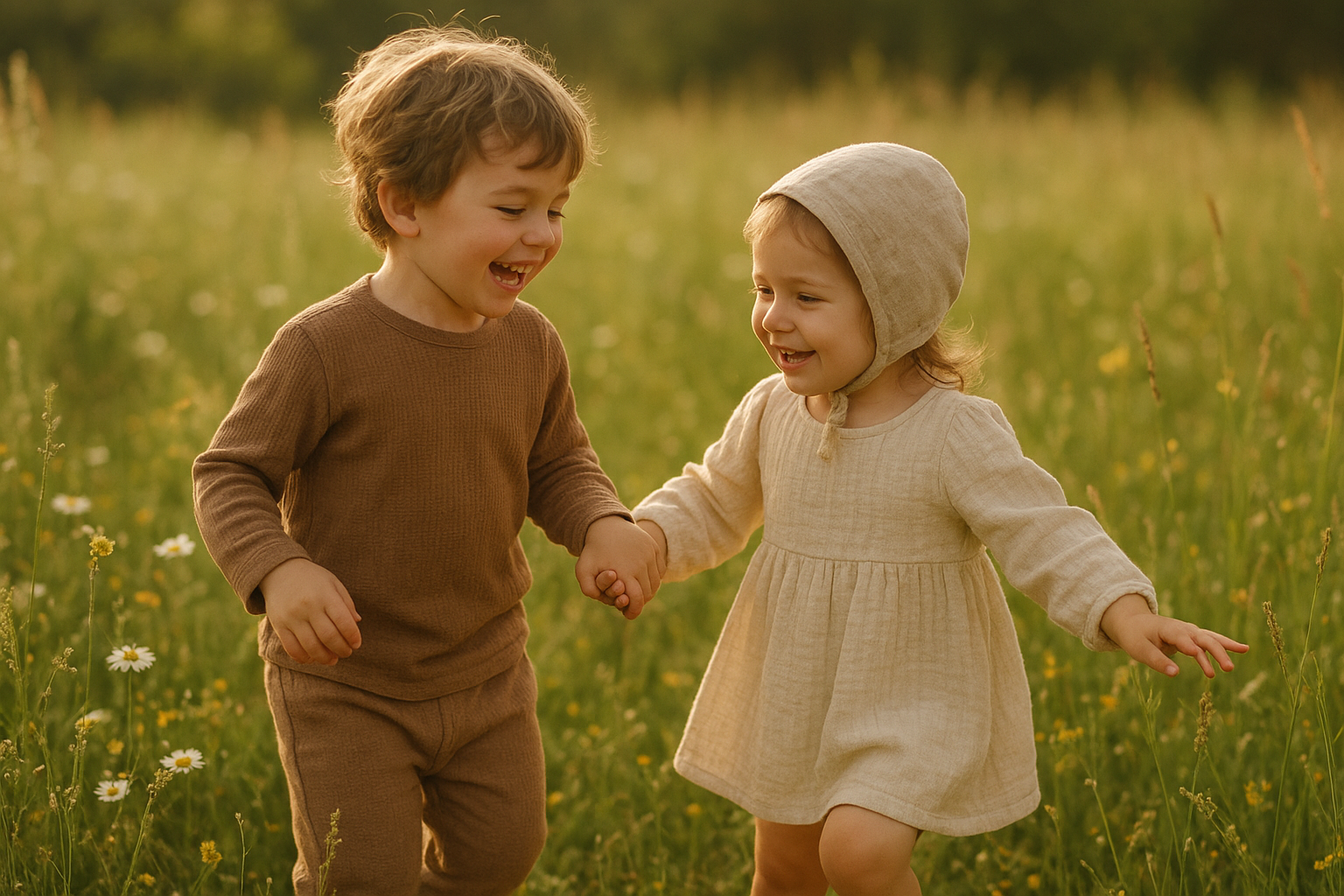
Green fashion for children combines comfort, safety, and environmental responsibility in every outfit choice.
Why Green Fashion for Children Matters More Than Ever
The fashion industry generates close to 10% of global carbon emissions, and it consumes more fresh water than nearly any sector besides agriculture, according to the United Nations Environment Programme. Because children physically outgrow clothing every few months, the kids' segment produces an outsized share of textile waste relative to its market size. Consequently, small shifts in how families shop for children's clothes can move the needle on emissions and waste far more than adult wardrobe changes alone.
In the United States alone, more than 11 million tons of textile waste reach landfills every year, and children's garments make up a meaningful portion of that total because they are worn for such a short window before being discarded. For example, a toddler's jacket might fit for only two seasons before it is outgrown entirely, no matter how well it was made. As a result, the choice between a landfill-bound fast-fashion jacket and a durable, resellable organic one carries real environmental weight. You can review the EPA's textile waste data for the full national picture.
Above all, green fashion for children is not just an environmental talking point. It is also a practical response to how quickly kids grow, how often their clothes get handed down, and how much waste accumulates when every outfit is treated as disposable.
The Real Cost of Fast Fashion on Children's Health
Beyond the environmental argument, there is a health argument for green fashion for children that many parents overlook. Children's skin is thinner, more porous, and still developing its protective barrier compared with adult skin. Therefore, chemical residues from synthetic dyes, formaldehyde-based wrinkle-resistant treatments, and pesticide traces on conventional cotton are absorbed more readily by young bodies.
The U.S. Consumer Product Safety Commission regulates flammability standards for children's sleepwear, which is one reason so many conventional pajamas rely on chemical flame retardants rather than naturally flame-resistant fibers like tightly woven organic cotton or wool. In contrast, many sustainable kids' brands design snug-fitting sleepwear from untreated natural fabric specifically to meet safety rules without added chemical treatments.
In addition, azo dyes — common in cheap, brightly colored children's clothing — have been restricted in the European Union because certain variants can release carcinogenic amines. Not every country enforces this restriction, however, so imported fast-fashion items may still contain them. Choosing certified, low-impact dyes removes this uncertainty entirely.
Eco-Friendly Fabrics Explained
Fabric choice sits at the center of green fashion for children. However, not every material marketed as "natural" is genuinely low-impact, so it helps to understand how each fiber is actually grown or processed.
Organic Cotton
Organic cotton is grown without synthetic pesticides or fertilizers and typically uses far less water than conventional cotton farming, largely because organic soil retains moisture better. It is soft, breathable, and well tolerated by sensitive skin. Look specifically for the GOTS (Global Organic Textile Standard) label — a certification that verifies the entire supply chain, not just the raw fiber — meets strict environmental and social criteria.
Bamboo and Linen
Bamboo grows quickly without pesticides and needs minimal irrigation, which makes it a renewable resource in theory. In practice, though, bamboo fabric is only genuinely low-impact when processed mechanically rather than dissolved with harsh chemical solvents. Linen, made from the flax plant, is naturally hardy, fully biodegradable, and extremely long-wearing — ideal for children's basics that need to survive rough play.
Tencel and Modal
Tencel (also called lyocell) and modal are derived from wood pulp using a closed-loop process that recycles the solvents involved. The result is a silky, breathable fabric that resists pilling — a useful trait for kids' clothing that goes through the wash constantly.
Recycled and Upcycled Materials
Recycled polyester, made from post-consumer plastic bottles, keeps plastic out of landfills and uses considerably less energy than producing virgin synthetic fiber. Meanwhile, upcycled fabric gives existing textiles an entirely new life. Both approaches show up increasingly often in children's outerwear, rain gear, and activewear.
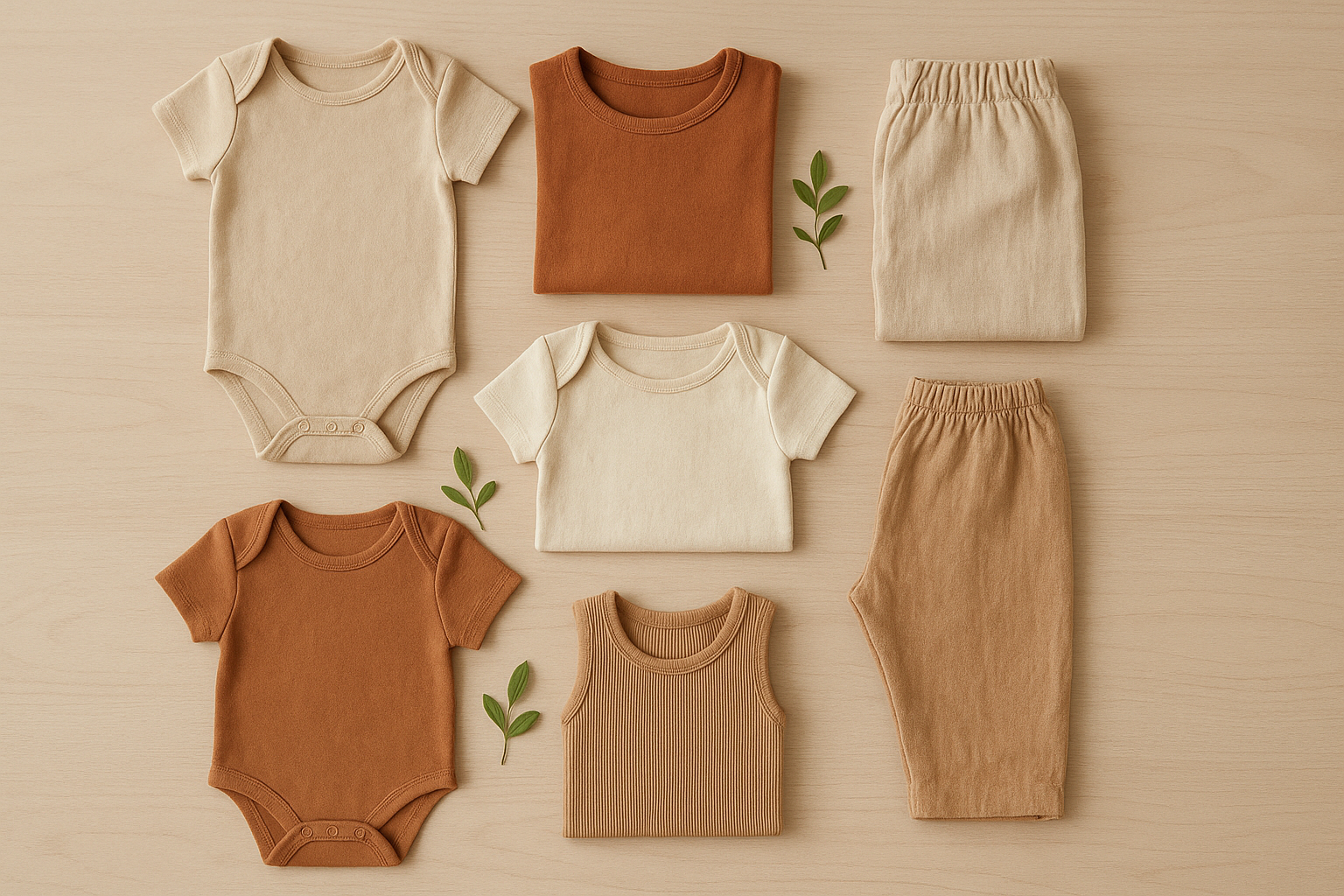
Natural fibers like organic cotton and linen sit at the heart of eco-friendly children's wardrobes.
Certifications That Actually Mean Something
Certification labels exist to cut through greenwashing, and they give parents a reliable benchmark instead of a marketing promise. In particular, four labels come up most often on children's clothing.
- GOTS (Global Organic Textile Standard): Covers the entire supply chain, from raw fiber through dyeing and stitching, and includes fair labor requirements.
- OEKO-TEX Standard 100: Tests every component of a finished garment — fabric, thread, buttons, zippers — for harmful substances, which matters directly for children's wear.
- Fair Trade Certified: Focuses on ethical wages, safe factory conditions, and community investment for the people who make the clothing.
- bluesign: Verifies responsible chemical management and resource use at the manufacturing level, reducing the footprint of dyeing and finishing.
No single label covers every possible concern on its own. Therefore, combining two or more certifications — for example, GOTS plus OEKO-TEX — gives you far stronger confidence in a brand's sustainability claims than any one label alone.
How Much Does Sustainable Kids Clothing Really Cost?
Cost is usually the first objection parents raise about green fashion for children, and it is a fair one. A certified organic cotton bodysuit often costs two to three times more upfront than a conventional equivalent from a big-box retailer.
However, the upfront price only tells part of the story. Because sustainable garments are typically built with reinforced seams and durable natural fibers, they survive more wash cycles and get handed down without falling apart. When you calculate cost per wear instead of sticker price, a well-made organic basic that lasts through two children and still resells often works out cheaper than a fast-fashion item replaced three times over.
In addition, secondhand shopping removes the price premium almost entirely. A gently used organic outfit purchased through a swap or curated resale bundle frequently costs less than a brand-new fast-fashion item, while lasting just as long. Consequently, the "sustainable clothing is expensive" objection mostly disappears once secondhand and capsule strategies enter the picture.
Building a Green Capsule Wardrobe for Kids, Step by Step
A capsule wardrobe is a small, curated collection of versatile pieces that cover everyday needs without excess. For children specifically, this approach curbs impulse buying and redirects spending toward quality over quantity. Follow these six steps to build one.
- Audit the current wardrobe. Lay out every item your child owns, separate what actually gets worn from what sits unused, and set aside anything outgrown for donation, swap, or resale before buying anything new.
- Define the core piece count. Aim for five to seven tops, three to four bottoms, one or two layering pieces, and two pairs of shoes so every item can combine with several others.
- Shop secondhand first. Before buying anything new, check clothing swaps, thrift stores, and curated secondhand bundles, since pre-loved children's clothing is frequently in near-new condition due to short wear windows.
- Fill remaining gaps with certified basics. For anything you still need new, choose GOTS or OEKO-TEX certified organic cotton, bamboo, or linen pieces in classic colors that pair with the rest of the wardrobe.
- Rotate seasonally instead of overbuying. Store off-season items rather than discarding them, and reassess fit every three to four months given how quickly children grow.
- Pass it forward. Once items are outgrown, resell, donate, or swap them immediately so the fabric stays in circulation instead of sitting in a closet or landfill.
Because each item is chosen to work with several others, the total number of usable outfits ends up far larger than the piece count suggests. Furthermore, choosing simple designs and classic colors keeps the wardrobe wearable across multiple seasons and even multiple children.
The Power of Secondhand, Swaps, and Circular Fashion
Buying secondhand is arguably the single highest-impact step any family can take toward green fashion for children. Because kids grow so fast, pre-loved garments are frequently in near-new condition, and choosing them eliminates the entire manufacturing footprint of a new item.
Clothing swap events, organized by schools, community centers, or parent groups, offer another excellent option. They let families exchange outgrown items at no cost while building community and cutting waste at the same time. For a more convenient online approach, Bundle to Bundle curates secondhand clothing bundles for children, making it easier to refresh a wardrobe sustainably than sourcing individual pieces one at a time.
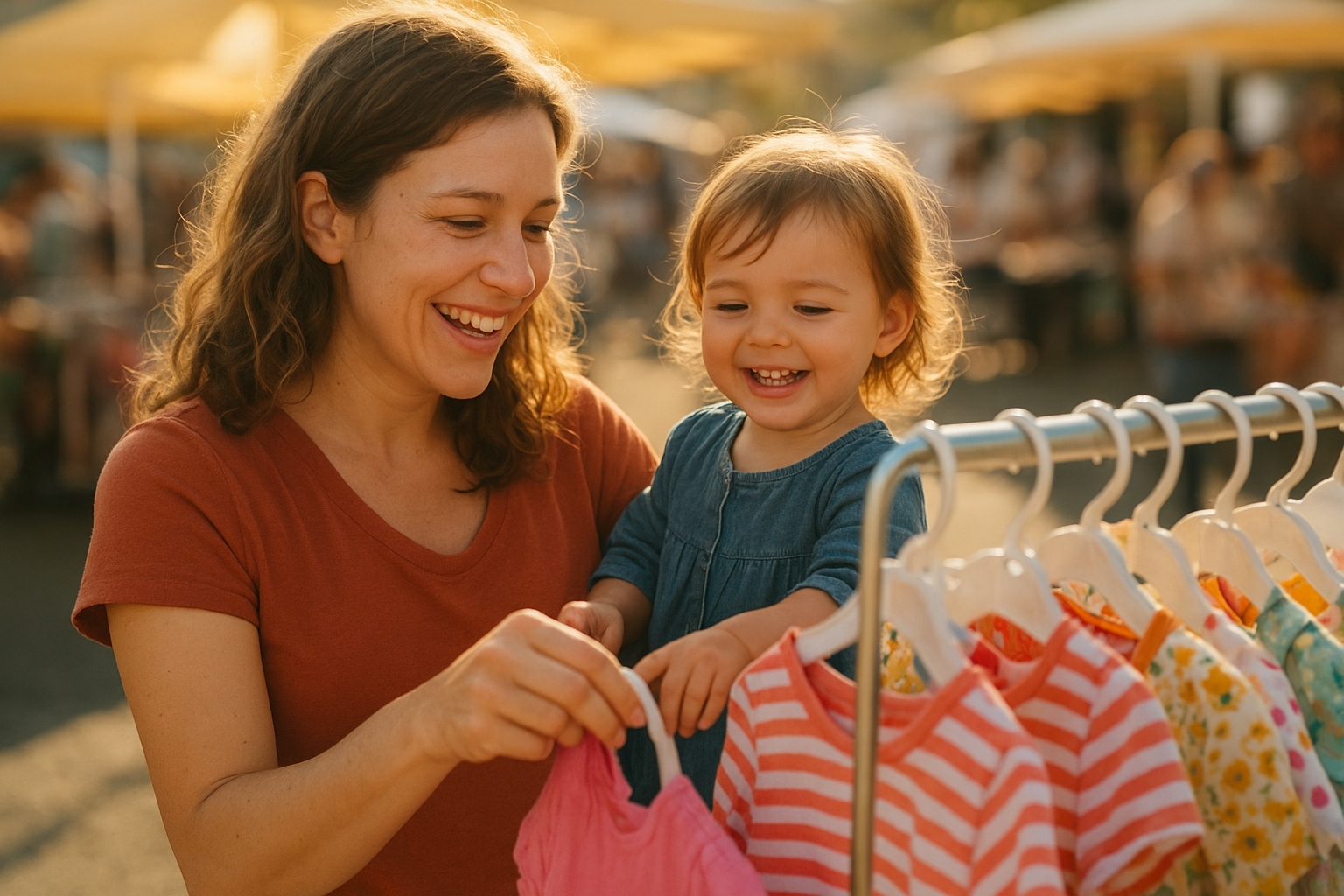
Secondhand shopping remains one of the most effective and affordable ways to embrace sustainable kids fashion.
Specifically, a circular approach works best when it becomes routine rather than a one-time event: swap in spring, resell in fall, and browse curated secondhand bundles whenever a growth spurt hits. Over a year, this rhythm can replace the majority of new purchases entirely.
Reading Kids' Clothing Size Charts the Sustainable Way
Sizing mistakes are one of the biggest hidden drivers of children's clothing waste, since an item that does not fit rarely gets worn no matter how sustainable its fabric is. Because sustainable brands often run slightly differently than mass-market chains, checking the specific size chart matters more than relying on age labels alone.
Instead of buying strictly by age, measure your child's height and chest, and compare those numbers against the brand's own chart. In addition, when in doubt between two sizes, sizing up slightly extends the wearable window by a few extra months — a small adjustment that meaningfully reduces how often you need to shop.
Similarly, prioritize adjustable features such as roll-up cuffs, elastic waistbands, and growth tucks in hems. These design details, common in well-made sustainable kids' clothing, let a single garment fit comfortably across a wider size range.
How to Care for Sustainable Kids' Clothes So They Last Longer
Even the most sustainable garment becomes wasteful if it wears out early. Proper care dramatically extends the life of children's clothing and reduces how often you need to replace it.
First, wash clothes in cold water, since it uses up to 90% less energy than a hot cycle and protects natural fibers from shrinking. Next, choose a plant-based or biodegradable detergent to keep harsh chemicals out of waterways. Air drying is preferable to tumble drying, because heat breaks down elastic and shrinks natural fibers. Finally, repair minor damage right away — a loose button or small tear takes minutes to fix and saves an otherwise wearable garment from the trash.
Spotting Greenwashing: Red Flags to Avoid
Greenwashing — vague or misleading sustainability claims — is common in children's fashion marketing, so it helps to know the warning signs before you buy.
- Trusting vague labels: Words like "eco," "natural," or "green" carry no legal definition in most markets. Look for a verifiable third-party certification instead.
- Buying too many sizes ahead: Stocking up on larger sizes to "grow into" seems economical, but children's growth is unpredictable and overstocking wastes resources.
- Ignoring care labels: Washing organic cotton in hot water or tumble-drying bamboo fabric shortens a garment's usable life significantly.
- Overlooking local options: Local thrift stores, consignment shops, and community swap groups often beat fast-fashion prices with better construction quality.
- One certification, zero context: A single badge on a hangtag does not guarantee the whole garment is clean; check whether it covers the entire product or just the raw fiber.
Talking to Kids About Sustainable Choices
Involving children in sustainable fashion decisions builds habits that last well beyond childhood. For example, letting a child choose between two secondhand items gives them a sense of agency while reinforcing the value of pre-loved clothing.
Similarly, explaining in simple terms why you pick organic cotton or skip a fast-fashion brand plants the seeds of environmental awareness early. In practice, children who understand where their clothes come from tend to take better care of their belongings, which in turn reduces waste over time.
Resources like Bundle to Bundle make circular fashion tangible for kids, showing them that clothing can have several owners and still bring plenty of joy.
A Seasonal Checklist for Gifting and Growth Spurts
Baby showers, birthdays, and seasonal changeovers are prime moments where fast-fashion clutter sneaks into a child's closet. Above all, a little planning keeps gift-giving aligned with green fashion for children instead of working against it.
When shopping for a gift, favor a single versatile, certified organic piece over several cheap items — one high-quality outfit gets more actual wear than three low-quality ones. For seasonal changeovers, check the capsule wardrobe against upcoming weather, fill only genuine gaps, and route anything outgrown straight into a swap or resale bundle rather than a closet corner.
Green Fashion for Children: A Lasting Investment
Embracing green fashion for children is not about achieving perfection overnight; it is about making progressively better choices over time. Whether you start by swapping one fast-fashion purchase for a secondhand find, checking for GOTS certification on your next buy, or simply washing existing clothes more carefully, every step adds up.
Because children will inherit the environmental consequences of today's decisions, dressing them sustainably ranks among the most meaningful, low-effort choices a parent can make. In short, green fashion for children rewards patience and consistency far more than any single perfect purchase ever could.
Key Takeaway: Start small — one secondhand bundle, one certified organic basic, one clothing swap. Over time, these individual choices compound into a genuinely sustainable wardrobe and a lasting lesson for the next generation.
Frequently Asked Questions About Green Fashion for Children
What is green fashion for children?
Green fashion for children refers to clothing choices that minimize environmental harm through organic or recycled materials, ethical manufacturing, and circular practices like buying secondhand or swapping garments. It prioritizes both the planet's health and children's safety by avoiding toxic dyes and synthetic chemicals.
Why does sustainable kids clothing matter?
Children's skin is more sensitive to chemical residues than adult skin, making fabric choice especially important. Additionally, the fashion industry is one of the world's largest polluters, so choosing eco-friendly kids clothing reduces a family's overall environmental footprint.
What fabrics are best for eco-friendly children's clothes?
Organic cotton, bamboo, linen, recycled polyester, and Tencel are among the best options. These materials are grown or produced with fewer pesticides and chemicals compared to conventional textiles, making them safer for kids and gentler on the environment.
What certifications should I look for on kids' clothing?
Look for GOTS, OEKO-TEX Standard 100, Fair Trade, and bluesign certifications. These labels confirm that the garment meets strict environmental and social standards throughout its production chain, giving parents reliable assurance beyond marketing claims.
Is secondhand clothing a good option for green kids fashion?
Yes, buying secondhand is one of the most effective ways to practice green fashion for children. Because kids outgrow clothes quickly, pre-loved garments are often in excellent condition and extend the life of existing textiles, reducing waste without compromising quality or style.
How can I make my child's wardrobe more sustainable on a budget?
Start by shopping at thrift stores, joining clothing swap groups, and choosing versatile basics that mix and match easily. Platforms like Bundle to Bundle also offer curated secondhand bundles that make sustainable shopping affordable and time-efficient for busy parents.
What is a capsule wardrobe for kids?
A capsule wardrobe for kids is a small, intentional collection of versatile, high-quality pieces that work together across multiple outfits. It reduces the need to buy large quantities of cheap clothing and encourages more mindful, sustainable consumption habits.
Are natural dyes safer for children's clothing?
Natural dyes derived from plants and minerals are generally safer than synthetic azo dyes, which can release harmful chemicals. For children with sensitive skin, clothing dyed with natural or low-impact dyes is a healthier and more eco-conscious choice.
How do I care for sustainable kids clothing to make it last longer?
Wash in cold water, use gentle eco-friendly detergents, air dry when possible, and repair minor damage like loose buttons promptly. Proper care significantly extends garment life and reduces the frequency and cost of replacement purchases.
What is fast fashion and why is it harmful for kids?
Fast fashion refers to the mass production of cheap, trend-driven clothing designed to be discarded quickly. For children, it often means garments made with synthetic chemicals and poor labor practices, contributing to both environmental damage and potential skin health risks.
Can I donate or recycle outgrown children's clothing?
Yes, donating to local charities, consignment shops, or clothing banks is a great first step. For worn-out items, many textile recycling programs and brand take-back schemes accept damaged children's clothing to be repurposed or recycled into new materials.
How does buying fewer, better-quality clothes help the environment?
Higher-quality garments last longer, therefore reducing the frequency of purchase and the volume of textile waste generated. Fewer purchases also mean lower carbon emissions from manufacturing, shipping, and retail operations accumulated over time.
Does sustainable kids clothing cost more than fast fashion?
Upfront, yes, sustainable pieces often cost two to three times more. However, when measured by cost per wear and factoring in resale or hand-down value, well-made sustainable garments frequently cost less over time than repeatedly replacing fast-fashion items.
How do I choose the right size when buying sustainable kids clothing?
Measure your child's height and chest rather than relying on age labels, compare those measurements to the brand's specific size chart, and size up slightly when between sizes to extend the wearable window.
What are common greenwashing red flags in kids' fashion marketing?
Watch for vague terms like "eco" or "natural" with no certification behind them, single badges that only cover part of the product, and brands that discuss sustainability without disclosing supply chain details.


