


Farm-to-closet kids clothing is reshaping how modern families dress their children, offering a fresh alternative to fast fashion's constant cycle of buying and discarding outgrown outfits. Instead of purchasing brand-new garments every few months, parents can now rent a rotating wardrobe of premium pieces that travel from child to child. As a result, families save money, reduce clutter, and lower their household's environmental footprint. This growing movement blends the practicality of a subscription with the values of sustainability, and it is quickly becoming a preferred option for parents who want stylish, high-quality clothing without the waste.
Quick answer: Farm-to-closet kids clothing is a rental subscription model where premium children's apparel circulates among multiple families instead of being bought once and thrown away. Members pay a monthly fee, swap sizes as their child grows, and return items for cleaning and reuse, which cuts costs and reduces textile waste.
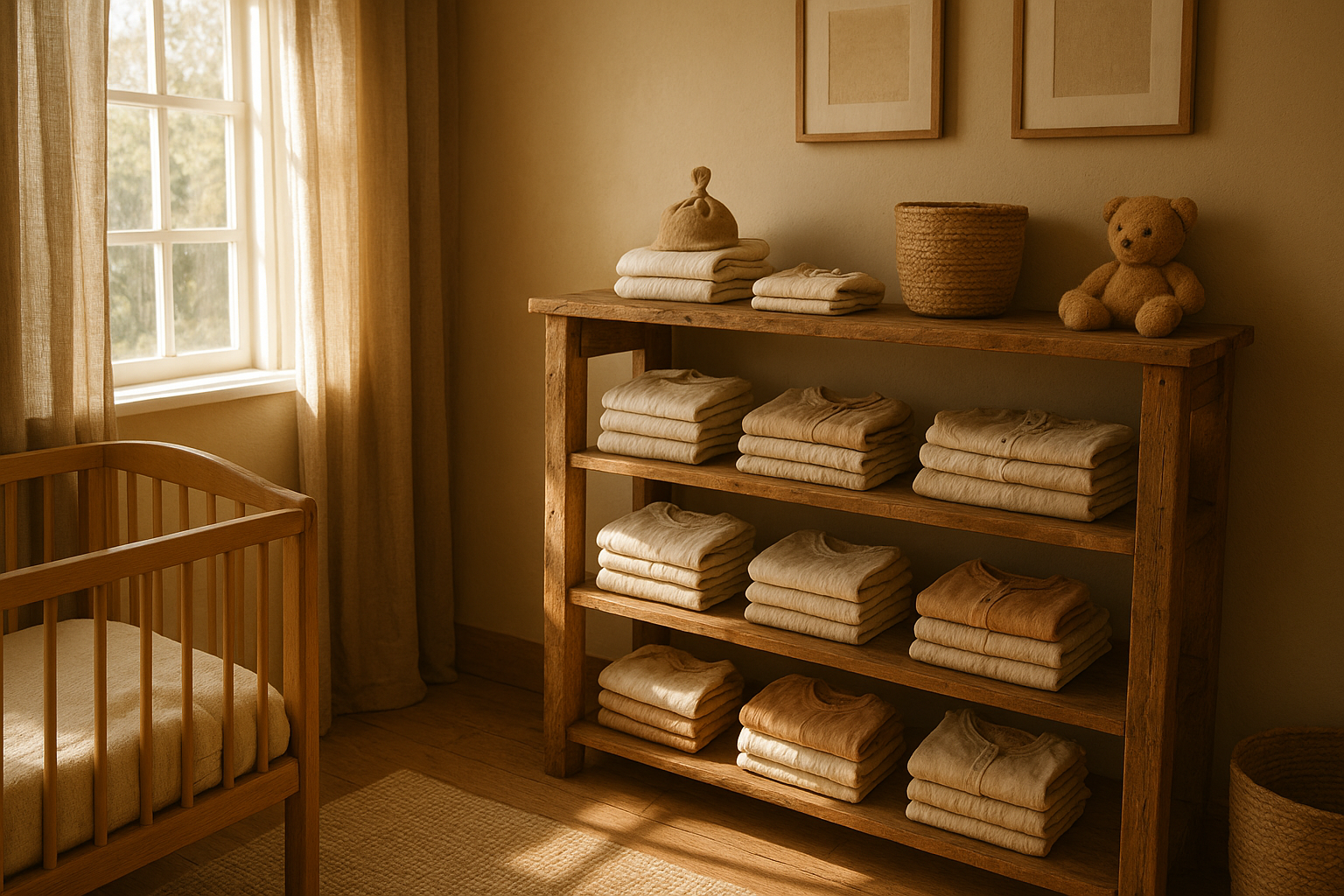
Curated farm-to-closet kids clothing bundles arrive clean, folded, and ready to wear.
What Is Farm-to-Closet Kids Clothing?
Farm-to-closet kids clothing describes a circular fashion model in which children's garments, often made from natural or sustainably sourced fabrics, pass through several families instead of ending up in a landfill after a single growth spurt. In particular, this model prioritizes durable, high-quality pieces from premium labels that can withstand repeated wear and washing.
Unlike traditional retail, where a purchased item is worn once by one child and then discarded or stored away, this approach treats clothing as a shared, renewable resource. Consequently, garments stay in active use far longer, and families gain access to a wider variety of styles without the financial commitment of buying everything outright.
How the Rental Model Works for Growing Families
At its core, a children's clothing rental subscription works like a library for wardrobes. Families select a plan, share sizing details, and receive a curated bundle of clothing suited to their child's current stage. For example, Bundle to Bundle offers plans starting at fifty dollars per month, giving parents access to a rotating wardrobe of top-tier children's fashion labels for kids from newborn through age seven.
As children grow, which happens quickly during these early years, parents simply request a swap. Items are sent back, cleaned, and prepared for the next family, while a new bundle in the correct size arrives. Because shipping both ways is typically included, the process stays convenient and hands-off. Furthermore, most memberships allow cancellation at any time, so there is little financial risk in trying the service.
Why Does a Sustainable Children's Wardrobe Matter?
Children's clothing waste is a bigger problem than many parents realize. According to the U.S. Environmental Protection Agency, textile waste in the United States exceeded 17 million tons in a single recent year, with a significant share coming from clothing that was barely worn before being outgrown or discarded.
In contrast, a rental-based model keeps garments circulating rather than accumulating in closets or landfills. This concept aligns closely with the broader circular economy movement, which emphasizes reusing and sharing resources instead of the traditional "take, make, dispose" pattern. As a result, families who choose farm-to-closet kids clothing are directly participating in a more sustainable fashion cycle, even if that is not their primary motivation for joining.
Above all, this shift matters because children outgrow clothes faster than adults, meaning the environmental impact per garment is proportionally higher. Therefore, extending each item's life through rental has an outsized positive effect compared to adult clothing reuse.
Benefits of a Kids Clothing Rental Subscription
Families choosing a rental subscription over traditional shopping typically notice several advantages right away. Specifically, the benefits tend to fall into a few key categories:
- Cost savings: A flat monthly fee often costs less than repeatedly buying new outfits every few months.
- Reduced waste: Garments are reused by multiple families instead of being discarded after one growth cycle.
- Access to premium brands: Members can dress children in higher-quality labels they might not otherwise purchase outright.
- Flexibility: Swapping sizes and styles is simple, and most plans allow cancellation without penalty.
- Less clutter: Outgrown clothing does not pile up in closets or storage bins waiting to be donated.
For families exploring budget-friendly alternatives more broadly, resources like this guide on affordable options for kids clothes can help compare rental against other cost-saving strategies.
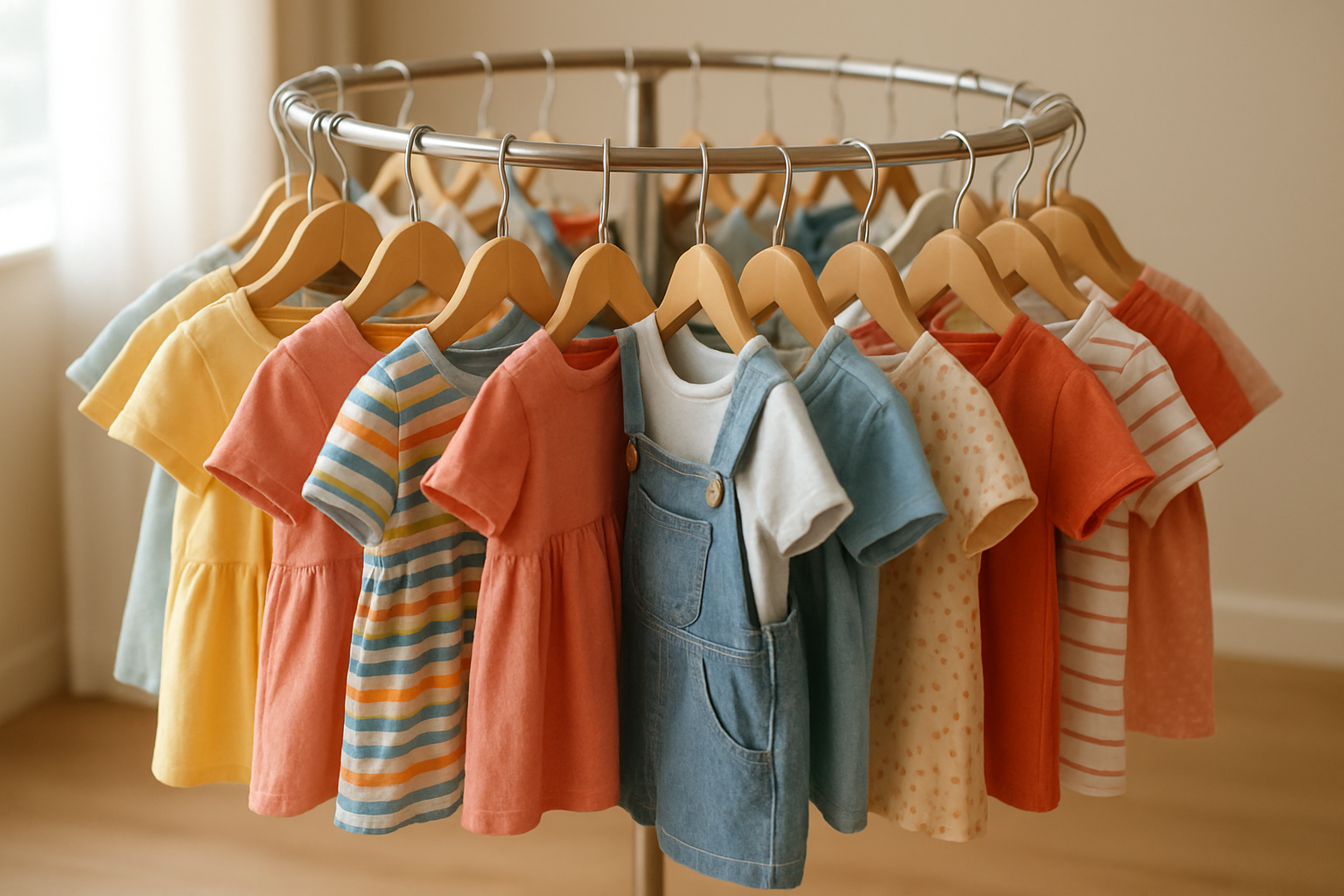
A rotating rack makes swapping sizes simple as kids grow through farm-to-closet kids clothing plans.
How to Start With a Farm-to-Closet Rental Service
Getting started with a children's wardrobe rental subscription is generally straightforward. Below is a simple process most families can follow:
- Choose a membership plan: Compare monthly tiers and select the one that fits how many pieces your child needs and how frequently you expect to swap items as they grow.
- Share sizing and style details: Provide current measurements, favorite colors, and brand preferences so your curated bundle actually matches your family's needs.
- Receive your first bundle: Unbox the pieces, which typically arrive cleaned and ready to wear, then confirm sizing fits your child's current stage.
- Request swaps as needed: When your child outgrows an item or you want a style refresh, request a swap so new pieces arrive while older ones ship back for cleaning.
- Adjust or cancel anytime: Modify your plan, pause deliveries, or cancel altogether whenever circumstances change, since most services avoid long-term contracts.
Families interested in learning more about how exchange-based models compare can also review this breakdown of a children's wardrobe exchange program, which explains how swapping saves money while cutting waste.
Farm-to-Closet Clothing vs. Traditional Shopping
It helps to see how rental compares against buying new clothing outright. The table below highlights the main differences families typically weigh before switching models.
| Factor | Farm-to-Closet Rental | Traditional Shopping |
|---|---|---|
| Monthly cost | Flat fee, often from $50 | Variable, often higher over time |
| Waste generated | Low, garments reused | Higher, items often discarded |
| Access to premium brands | Yes, curated selection | Limited by budget |
| Commitment | Cancel anytime | Ownership, no flexibility |
For a deeper look at how swapping and style access compare with premium purchases, this guide to premium fashion for growing kids offers additional context.
The Environmental Impact Behind Children's Clothing Waste
Children's fast fashion contributes disproportionately to textile waste because garments are worn for such a short window before becoming too small. In particular, a single child may cycle through several clothing sizes within one year, multiplying the number of items purchased and eventually discarded.
Similarly, natural fiber garments, while more sustainable to produce than synthetic alternatives, still carry a real environmental cost if worn only briefly. Therefore, extending the usable life of each piece through rental or swapping directly reduces the resources spent per wear. Organizations tracking textile recycling, including those referenced by the sustainable fashion movement, consistently point to reuse as one of the most effective ways to lower a garment's lifetime footprint.
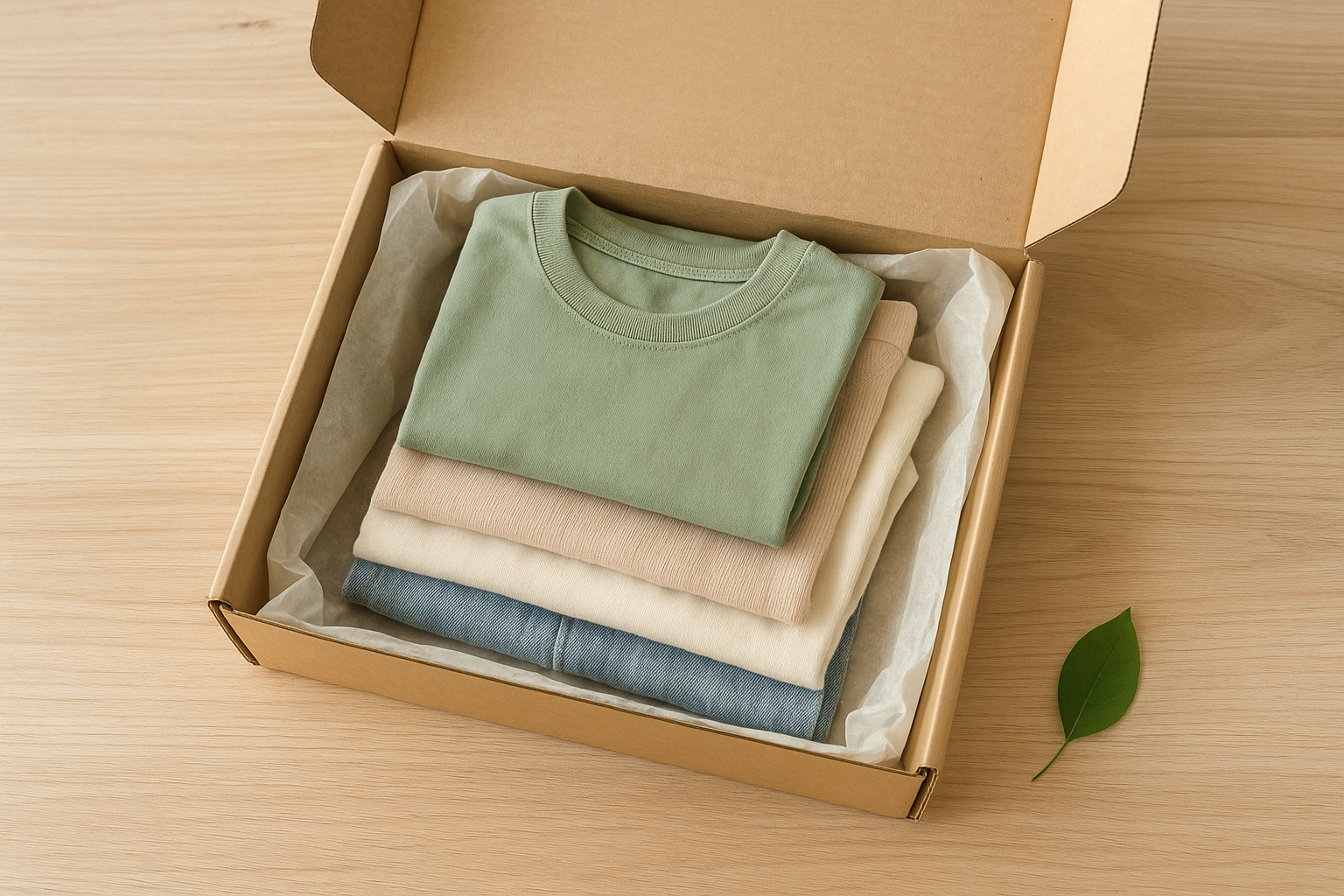
Free two-way shipping keeps farm-to-closet kids clothing swaps simple and low-waste.
Comparing Rental to Clothing Swaps and Exchanges
Some families wonder whether a subscription is really different from informal clothing swaps with friends or community exchange events. In contrast to casual swaps, a rental subscription handles cleaning, sizing logistics, and curation on the family's behalf, which saves considerable time.
However, both approaches share the same underlying goal: keeping clothing in use longer. For families curious about community-based alternatives, this article on a children's clothing swap service explains how informal exchanges work, while this piece on a fashion swap for kids clothes covers similar ground from a different angle. Ultimately, whether a family chooses a formal subscription or an informal swap, both options reduce reliance on constantly buying new garments. You can also explore current plans directly at Bundle to Bundle to see how a curated rental wardrobe might fit your household.
Frequently Asked Questions About Farm-to-Closet Kids Clothing
What does farm-to-closet kids clothing mean?
Farm-to-closet kids clothing refers to a rental model where children's garments made from natural or sustainably sourced materials move through multiple families before retiring, instead of being bought once and discarded. This extends each item's useful life and reduces textile waste.
How does a kids clothing rental subscription work?
Families pay a flat monthly fee to receive a curated bundle of children's apparel, then swap pieces for new sizes or styles whenever needed. Shipping both ways is typically included, and members can cancel at any time without penalty.
Why is sustainable children's wardrobe rental better than buying new?
Buying new clothes every few months creates significant textile waste since children outgrow items quickly. Renting keeps quality garments circulating among families, which lowers landfill contributions and cuts household clothing costs.
How much does farm-to-closet kids clothing rental typically cost?
Plans generally start around fifty dollars per month for a rotating wardrobe of premium pieces. This is often less than the ongoing cost of purchasing new outfits every time a child grows.
What ages are best suited for kids clothing rental services?
Most services cover newborns through around age seven, since this range experiences the fastest growth spurts and the most frequent wardrobe turnover. Older kids may still benefit, though sizing changes slow down over time.
How do I get started with a farm-to-closet rental service?
Sign up for a membership plan, share your child's sizing and style preferences, and receive a curated first bundle. From there, request swaps whenever your child grows or your needs change.
Is rented children's clothing hygienic and well maintained?
Reputable services professionally clean and inspect every garment between rentals, checking for stains, tears, or wear before it ships again. Items that no longer meet quality standards are retired from rotation.
What is the difference between clothing rental and a clothing swap?
A clothing swap usually involves trading items directly with other families or through a local exchange event, while a rental subscription provides curated, professionally cleaned pieces on a recurring schedule. Rental services also handle logistics like shipping and sizing.
How long can families keep rented children's clothing?
There is typically no fixed deadline; families can keep pieces as long as they fit and are needed. Swaps happen whenever a child outgrows an item or a family wants a style refresh.
What common mistakes should parents avoid with clothing rentals?
A common mistake is ordering sizes too close to a child's current measurements without accounting for growth spurts. Another is forgetting to request swaps promptly, which can leave kids in ill-fitting clothes longer than necessary.
Are farm-to-closet clothing brands higher quality than fast fashion?
Many rental services curate pieces from premium children's labels known for durable stitching and quality fabrics, since garments must withstand multiple wear cycles. This generally results in sturdier clothing compared to inexpensive fast-fashion alternatives.
Can I cancel a kids clothing rental subscription anytime?
Most flexible subscription models, including no-commitment plans, allow cancellation at any point without long-term contracts. This makes it a low-risk option for families testing whether rental fits their lifestyle.
What Best Practices Help Families Get the Most From Clothing Rental?
Keeping an updated growth chart for your child and scheduling swaps proactively, rather than waiting until clothes no longer fit, helps families get the most value. In addition, communicating style and seasonal preferences to the service ensures curated bundles genuinely match your household's needs.
Final Thoughts on Farm-to-Closet Kids Clothing
In summary, farm-to-closet kids clothing offers a practical, sustainable answer to one of parenting's most predictable headaches: children outgrowing their wardrobes almost as fast as they arrive. By choosing a rental subscription over constant new purchases, families gain access to premium apparel, reduce textile waste, and keep more money in their pockets. Above all, the flexibility to swap sizes and cancel anytime makes this model approachable for households at any stage of parenting. As more families search for smarter, greener ways to dress their children, farm-to-closet kids clothing is likely to keep growing as a trusted, everyday solution.


