

A children's clothing swap service is a platform or community program that lets families exchange outgrown kids' clothes for items in the next size up, typically at little or no cost. Because children grow so quickly, this model offers a practical, budget-friendly, and environmentally responsible alternative to constantly buying new clothing.
The average child can outgrow an entire wardrobe in just a few months. As a result, parents often find themselves spending hundreds of dollars each year on clothes that are barely worn. A clothing swap turns that problem into an opportunity — one family's outgrown bundle becomes another family's perfectly timed solution.
Why Families Are Choosing to Swap Instead of Shop
The financial case for swapping is straightforward. Retail children's clothing can cost anywhere from $15 to $60 per item, and a full seasonal wardrobe adds up fast. In contrast, a swap service dramatically reduces that cost, often to the price of postage or a small membership fee. Therefore, families who swap consistently can save several hundred dollars per year.
Beyond savings, there is a growing awareness of the environmental toll of fast fashion. According to research on textile waste, the global fashion industry generates enormous quantities of discarded clothing every year. Children's clothing is particularly wasteful because items are outgrown — not worn out — meaning they still have significant useful life remaining when they are discarded.
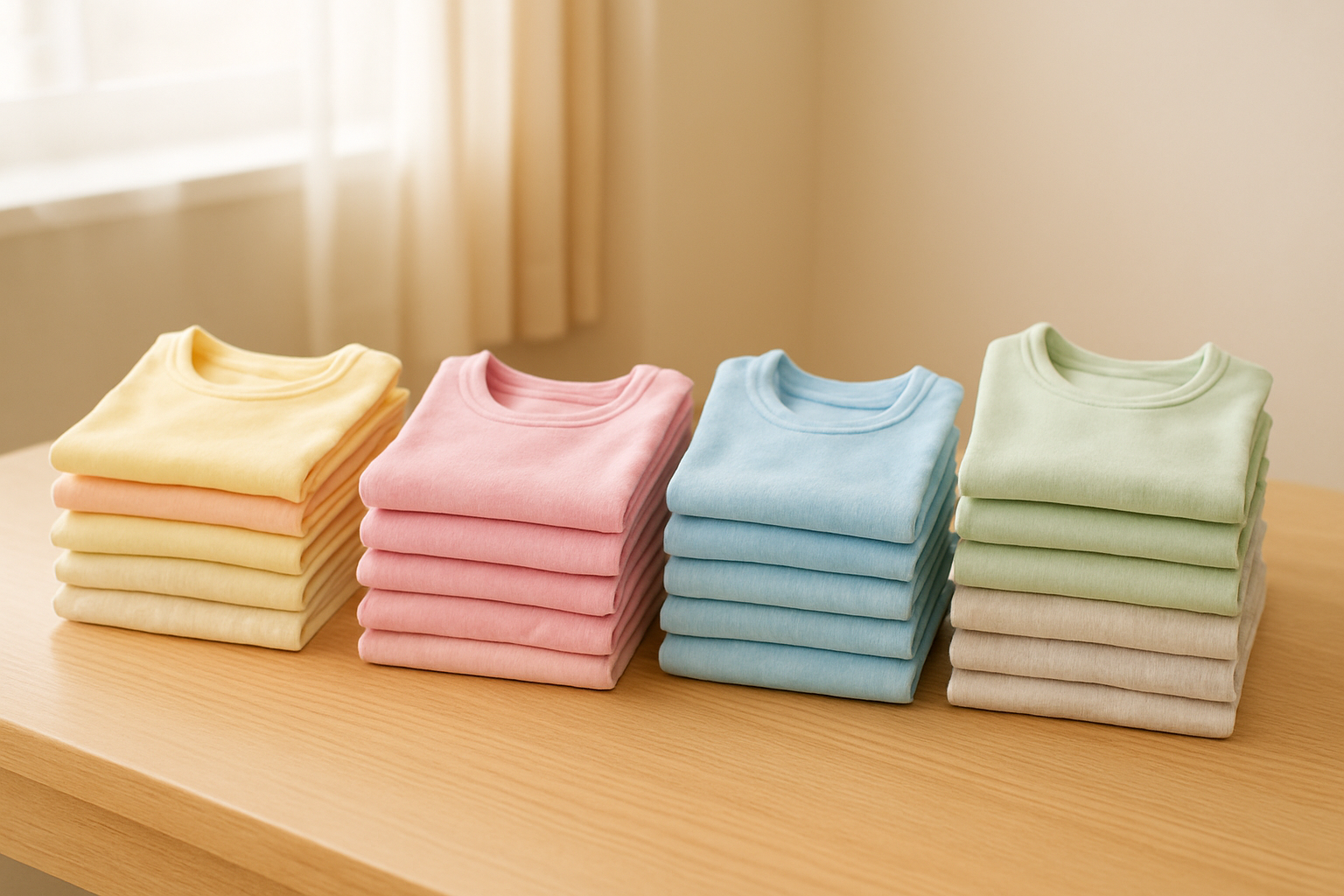
Sorting outgrown kids' clothes by size is the first step in joining a children's clothing swap service.
How Does a Children's Clothing Swap Service Work?
A children's clothing swap service is a structured exchange system, not a random pile of donations. Here is how the process typically unfolds for families joining an online service.
- Gather outgrown items. Collect clean, gently used clothing your child has outgrown. Most services require items to be free of stains, broken fastenings, or excessive wear.
- Submit your bundle. Pack the items and send them to the service. Online platforms provide prepaid or low-cost shipping labels to make this easy.
- Items are inspected and sorted. The service checks each piece for quality, then sorts it by size and category for the next family.
- Receive your next bundle. You receive a curated selection of clothing in your child's current size, matched to their age, season, and any style preferences you have noted.
- Repeat as your child grows. The cycle continues each time your child moves up a size, keeping your wardrobe fresh without the retail price tag.
Services like Bundle to Bundle have refined this process so parents spend minimal time managing the exchange. Additionally, the curated approach means you are not sifting through racks at a thrift store — the right sizes come directly to your door.
The Environmental Case for Circular Kids' Fashion
Every garment that is swapped instead of discarded represents a real reduction in textile waste. Children's clothing, in particular, is ideally suited for circular reuse because the items are outgrown while still structurally sound. A toddler's winter coat may be worn for just one season before it no longer fits — however, it could comfortably serve two or three more children afterward.
The circular economy model applied to children's clothing means extending the useful life of each garment as long as possible. In practice, this reduces the demand for new production, which in turn lowers water usage, dye pollution, and carbon emissions associated with manufacturing. For families who care about their environmental footprint, swapping is one of the most tangible actions they can take.
Children grow quickly, making a clothing swap an ideal way to keep wardrobes current without overspending.
Online Swap Platforms vs. Local Swap Events
Families have two main ways to participate in clothing swaps: through dedicated online services or through community-organized local events. Each approach has distinct advantages depending on your schedule and preferences.
Online services offer convenience above all else. You handle everything from home — submitting, receiving, and managing preferences — without needing to coordinate schedules with other parents. Furthermore, online platforms typically have larger inventories because they draw from a national or regional community rather than a single neighborhood.
Local swap events, meanwhile, offer a social dimension that online services cannot replicate. Schools, libraries, and parent groups often organize seasonal swap days where families bring items and browse in person. Although the selection may be smaller, the community connection and zero shipping costs are appealing benefits.
In practice, many families use both: an online service for regular size transitions and a local event once or twice a year for seasonal refreshes.
What to Look for in a Quality Swap Service
Not all swap services operate at the same standard. Before committing to a platform, consider these key factors to ensure a positive experience.
- Quality inspection process: A reliable service inspects every item before passing it on. This protects you from receiving damaged or heavily worn pieces.
- Size range coverage: Look for a platform that covers the full range of children's sizes, from newborn through pre-teen, so you can continue using it as your child grows.
- Preference matching: The best services allow you to indicate style, gender-neutral options, or seasonal needs so the bundle you receive is genuinely useful.
- Transparent pricing: Whether the service charges a flat fee, a per-bundle cost, or operates on a credit system, the pricing should be clear and fair from the outset.
- Sustainability commitment: Choose a service that is transparent about its environmental goals and how it handles items that cannot be swapped, such as donating them rather than discarding them.
Bundle to Bundle is one example of a service designed with these principles in mind, offering curated bundles, quality checks, and a clear sustainability mission for families who want a reliable swap experience.
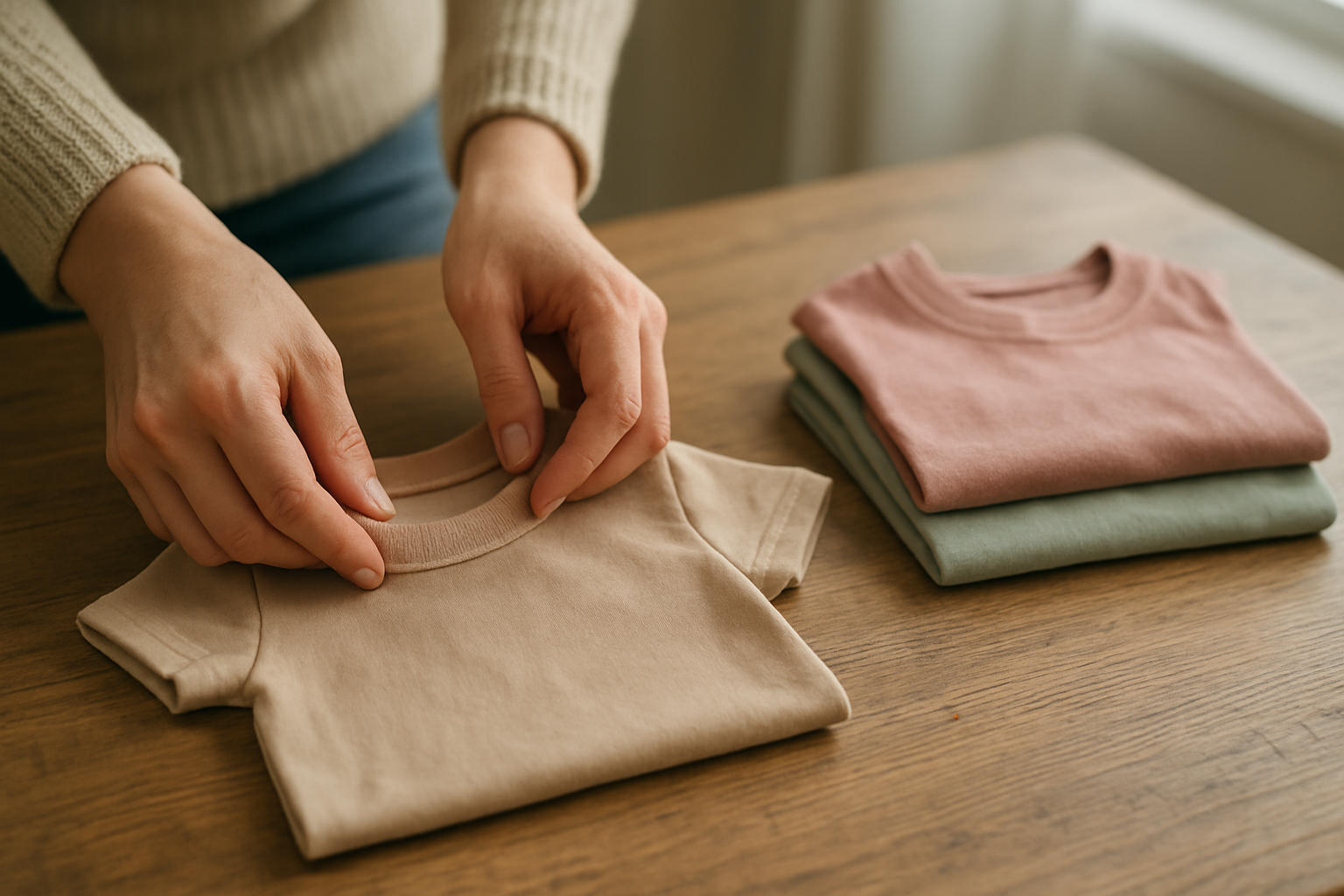
Preparing a bundle of outgrown items is simple — clean, fold, and send them on their way.
Common Mistakes Families Make When Starting Out
First-time swappers sometimes run into avoidable friction. However, knowing these common pitfalls in advance makes the experience much smoother from the start.
Sending items in poor condition. Submitting stained or damaged clothing leads to rejected items and wasted postage. Always inspect each piece carefully before packing it.
Waiting too long to swap. Some parents hold onto outgrown clothes for months before acting. Because children grow continuously, it is better to swap as soon as a size is outgrown so you receive the next size before you urgently need it.
Not specifying preferences. If a service allows you to note style or seasonal preferences, use that option. Otherwise, you may receive items that do not suit your child's current needs.
Overlooking seasonal timing. Submitting summer clothes in early autumn means the recipient gets them at the wrong time. Therefore, plan your swaps with the season in mind to maximize the value for everyone involved.
Making the Most of Every Swap
To get the best results from any clothing swap, treat it as an ongoing system rather than a one-time event. Set a reminder every two to three months to assess your child's current wardrobe and identify anything that has been outgrown. This regular rhythm ensures you always have the right sizes on hand without accumulating clutter.
Additionally, involve your child in the process where age-appropriate. Even young children can understand the concept of passing their clothes on to another child who needs them. This builds values around generosity and sustainability from an early age — benefits that extend well beyond the wardrobe.
Frequently Asked Questions
What is a children's clothing swap service?
A children's clothing swap service is a platform or community program that allows families to exchange outgrown kids' clothing for items in the next size up, usually at little or no cost. It reduces textile waste while keeping children dressed affordably as they grow.
How does a kids clothing swap typically work?
Families submit clean, gently used children's clothing they have outgrown and receive credits or bundles of similarly sized items in return. Services handle sorting, quality checking, and shipping so parents don't need to manage individual trades.
Is a children's clothing swap service safe and hygienic?
Yes. Reputable services inspect every item for stains, damage, and wear before passing it on. Most recommend washing received items before use, which is standard practice for any secondhand clothing.
How much money can I save using a clothing swap for kids?
Families can save hundreds of dollars per year compared to buying new children's clothing at retail prices. Because children outgrow sizes every few months, the cumulative savings over several years of childhood are significant.
What condition do clothes need to be in for a swap service?
Most services accept items that are clean, free from significant stains, and have no broken zippers or missing buttons. Items with heavy wear, pilling, or damage are typically not accepted to maintain quality standards.
Can I swap baby clothes as well as older children's clothing?
Yes. Most children's clothing swap services cover a wide age range, from newborn and baby sizes through toddler and school-age sizes. Baby clothes are especially popular because infants outgrow them within weeks.
How is a clothing swap service different from a thrift store?
A clothing swap service operates on an exchange model rather than a retail model, meaning you contribute items to receive items rather than paying cash for individual pieces. Swap services are also often curated specifically for children's sizing and age stages.
What environmental impact does a children's clothing swap have?
Swapping children's clothes keeps textiles in use longer, directly reducing the amount of clothing sent to landfill. The fashion industry is one of the largest contributors to global textile waste, and circular models like swapping help counter that trend.
Do I need to find a local swap event or can I do it online?
Both options exist. Online platforms allow you to participate from home by mailing items and receiving bundles by post. Local community swap events are also organized through schools, libraries, and parent groups.
How often can I use a children's clothing swap service?
Most online services allow you to swap as often as your child grows out of a size, which can be every two to four months for fast-growing toddlers. There are typically no strict limits, making it easy to keep up with growth spurts.
Are there any downsides to using a clothing swap for kids?
The main limitation is that you cannot always choose specific styles, brands, or colors in advance. However, most curated services do their best to match preferences, and the cost savings generally outweigh stylistic constraints.
What sizes are usually available through a children's clothing swap?
Sizes typically range from newborn through age 12 or 14, covering the most common growth stages. Availability depends on what other families in the community are contributing at any given time.
The Bottom Line on Using a Children's Clothing Swap Service
A children's clothing swap service is one of the most practical tools available to modern families navigating the relentless pace of childhood growth. It saves money, reduces environmental impact, and ensures that well-made garments reach children who can actually use them — rather than ending up in a landfill after a single season. Whether you choose an online platform or a local community event, the principle is the same: share what you have, receive what you need, and keep the cycle going. In a world of fast fashion and disposable consumption, swapping is a refreshingly sensible alternative.


