


A children's clothing exchange program offers families a smarter way to keep growing kids dressed without constantly buying new clothes. Instead of purchasing outfit after outfit that gets outgrown in months, parents rotate through a curated wardrobe and swap pieces as their child grows. This model has gained traction among busy parents who want quality apparel, lower costs, and less waste piling up in the closet. Below, this guide breaks down exactly how these programs work, what they cost, and how to decide if one fits your family's routine.
Quick answer: A children's clothing exchange program is a subscription service where families rent a rotating set of kids' apparel, swap pieces for new sizes as needed, and return items instead of owning them permanently. Providers like Bundle to Bundle handle cleaning, shipping, and curation so parents spend less time shopping and less money on clothes their kids will outgrow within months.
What Is a Children's Clothing Exchange Program?
A children's clothing exchange program is a membership-based service built around one simple idea: kids grow fast, so their wardrobe should keep up without constant repurchasing. Instead of buying an outfit and discarding it a few months later, families receive a set of clothing, use it, and then trade it in for a new size or style. Consequently, the clothes stay in circulation among multiple households rather than sitting unused in a drawer. Most programs, including Bundle to Bundle, focus on the newborn-to-seven age range, since this is when growth spurts happen most frequently. In addition, memberships often include free two-way shipping, which removes the usual hassle of coordinating returns or exchanges on your own.
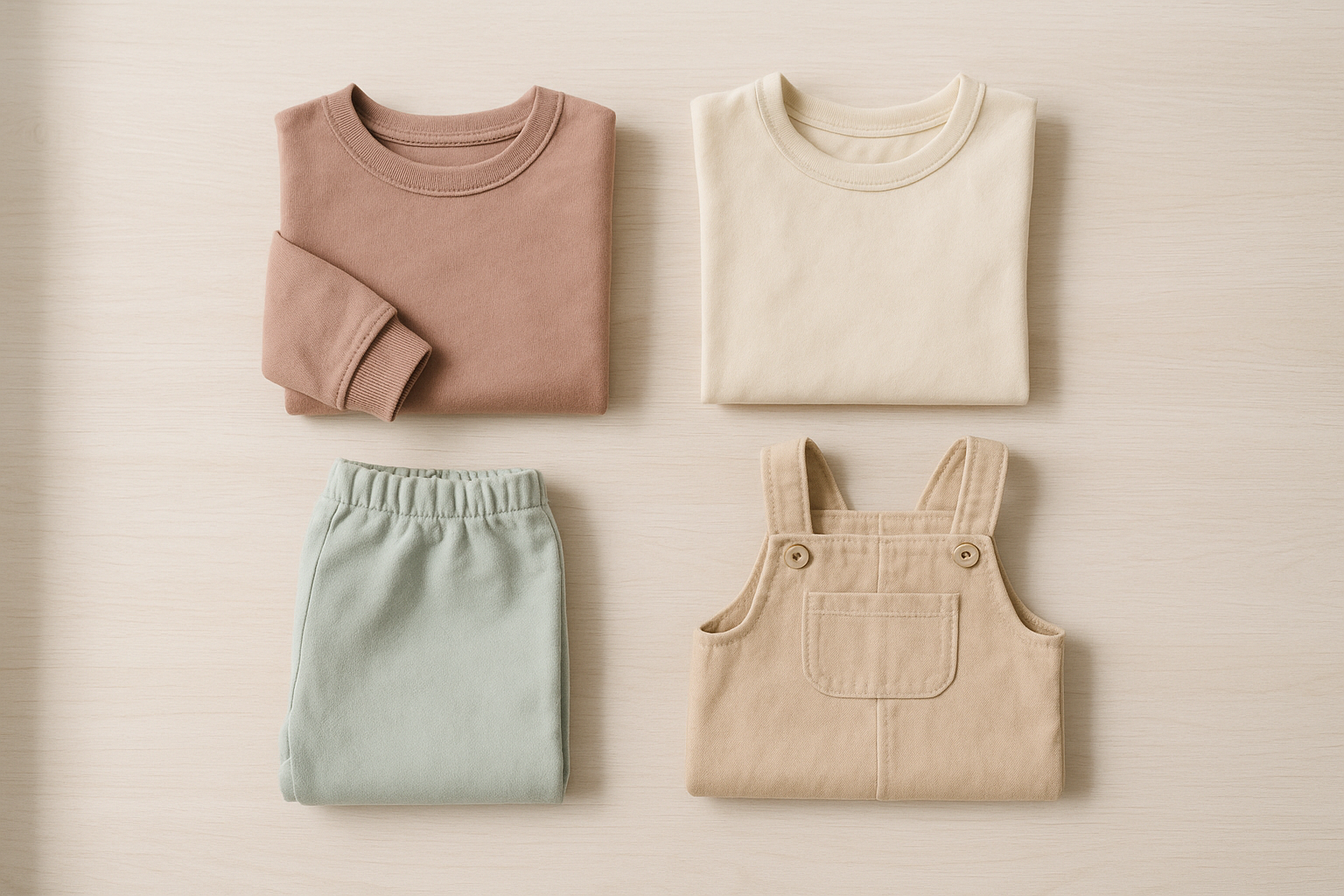
A curated bundle of seasonal apparel is a common starting point for a children's clothing exchange program.
How a Kids' Wardrobe Rental Service Works
Generally, a kids' wardrobe rental service follows a predictable cycle. Parents sign up, share sizing and style preferences, and receive a curated bundle shipped directly to their home. As a result, the guesswork of picking sizes online is reduced because the service tailors selections to the child's measurements. Once the child outgrows an item, or the family simply wants a change, the pieces are shipped back using a prepaid label. A new bundle then arrives, and the cycle continues for as long as the membership stays active. Because shipping runs both directions at no extra charge, the process feels closer to browsing a closet than managing a subscription. For a broader look at how similar models work across providers, this children's clothing exchange service overview covers additional details worth comparing.
Step-by-Step: Joining a Children's Clothing Swap Service
Below is a simplified walkthrough of the typical onboarding process for a children's clothing swap service:
- Sign up for the membership and provide your child's current measurements, age, and clothing preferences so the service can curate an appropriate first bundle.
- Wait for your first shipment of premium apparel to arrive at your door through free inbound shipping included in the plan.
- Let your child wear the rotating wardrobe for everyday activities, since the pieces are designed to handle normal wear from active kids.
- Request a new bundle through the account dashboard whenever your child outgrows an item or you want a style change.
- Pack up the previous items using the included prepaid label and ship them back for free, completing the exchange cycle.
Why Families Choose Kids' Clothing Rental Over Buying
Several practical reasons explain why kids' clothing rental has grown in popularity among modern parents. Specifically, three factors stand out: cost, sustainability, and convenience.
Cost Savings
A flat monthly membership, often starting around fifty dollars, can be more predictable than the ongoing expense of replacing outgrown clothes every few months. Therefore, families gain access to premium labels without the full retail price tag attached to each individual piece.
Sustainability Benefits
According to the U.S. Environmental Protection Agency, textiles account for millions of tons of municipal solid waste each year, with only a small fraction recycled. Extending the life of children's clothing through reuse directly reduces this waste stream, which aligns with the broader sustainable fashion movement that many parents now support.
Convenience
Free two-way shipping and curated selections mean parents spend less time browsing stores or online listings for the next size up. As a result, wardrobe planning becomes a background task rather than a recurring chore.
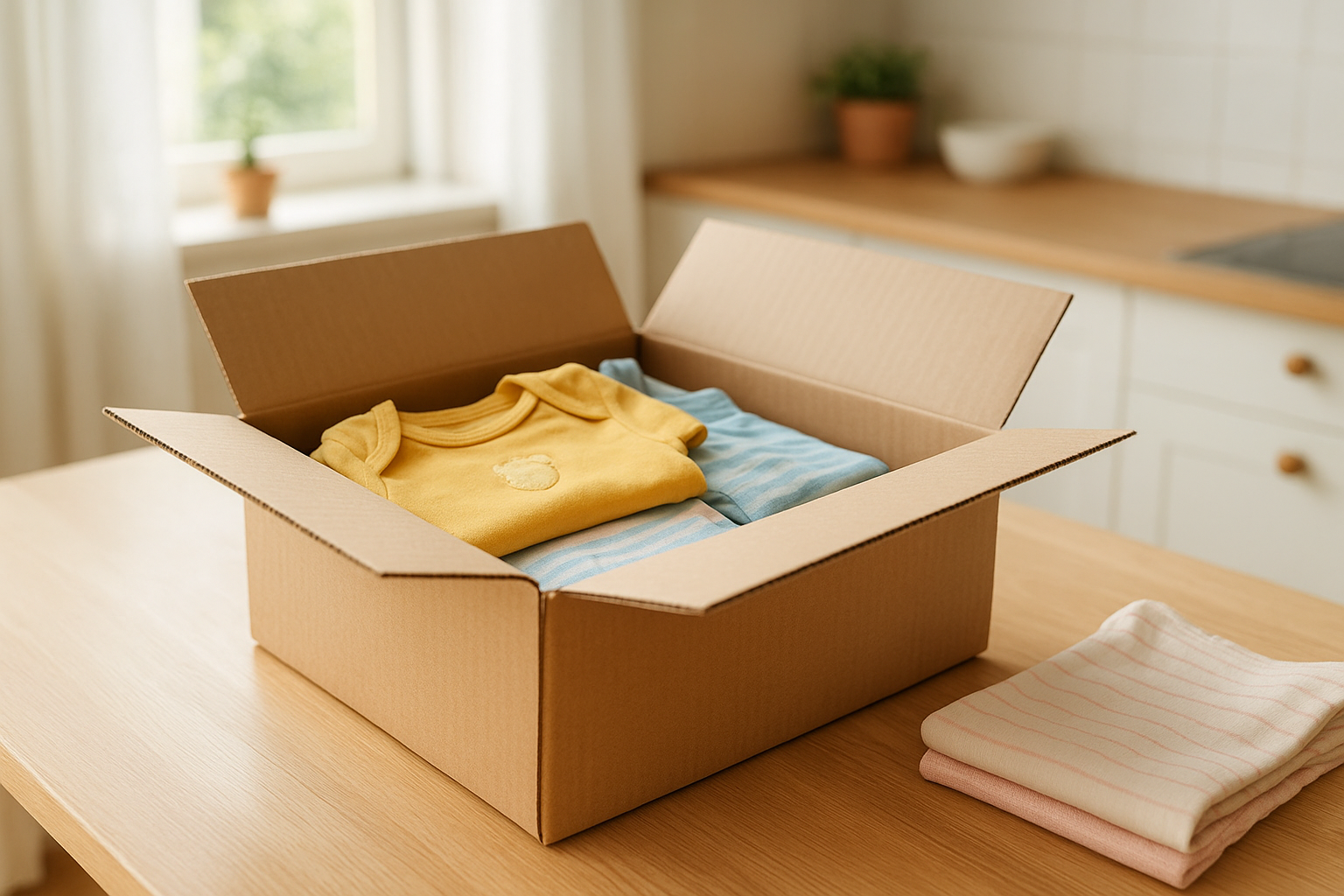
Free two-way shipping is a defining feature of most children's clothing exchange programs.
Children's Clothing Exchange Program vs. Traditional Shopping
It helps to see the two approaches side by side before deciding which fits a family's routine better.
| Factor | Traditional Shopping | Clothing Exchange Program |
|---|---|---|
| Cost per outgrown outfit | Full retail price, repeated often | Flat monthly fee, unlimited swaps |
| Waste generated | Higher, items often discarded | Lower, garments stay in circulation |
| Shipping and returns | Not applicable | Free two-way shipping included |
In contrast to one-off purchases, an exchange model spreads cost and impact across many uses of the same garment. Meanwhile, families still get the variety of premium brands without committing to permanent ownership.
Is a Children's Wardrobe Exchange Right for Your Family?
Not every household needs a rotating wardrobe, but certain situations make a children's wardrobe exchange especially useful. For example, families with a newborn who will cycle through several sizes in a single year often see the fastest payoff. Similarly, parents who prioritize name-brand quality but dislike paying full price tend to find the model appealing. On the other hand, families who rarely buy new clothing or who prefer hand-me-downs from relatives may not need a subscription at all. Above all, the right fit depends on how often your child's wardrobe needs refreshing and how much time you want to spend managing it. For more comparisons, this complete guide to clothing swap services for kids walks through several scenarios in detail. You can also explore the specifics of a children's wardrobe exchange program designed around cost and waste reduction.

A well-fitting, flexible wardrobe keeps active kids comfortable through every growth stage.
Getting Started With a Kids Clothing Rental Service
Getting started usually takes only a few minutes. First, choose a plan that matches your child's age and current size. Then, share style preferences so the curated bundle reflects what your family actually needs, whether that's everyday basics or dressier pieces for special occasions. Furthermore, it helps to review the provider's exchange frequency and shipping policy before committing. A detailed look at a kids clothing exchange program built to save money and reduce waste can clarify what to expect month to month. Likewise, this breakdown of a children's clothing swap service offers a useful side-by-side of typical membership terms.
Frequently Asked Questions About Children's Clothing Exchange Programs
What is a children's clothing exchange program?
A children's clothing exchange program is a subscription service that lets families rent a rotating wardrobe of kids' apparel instead of buying it outright. Members swap items for new sizes or styles as their child grows, then return the pieces when they're finished.
How does a children's clothing exchange program work?
Families sign up, share sizing details, and receive a curated bundle of clothing shipped to their door. When items no longer fit or interest the child, they ship them back and receive a new bundle in exchange.
How much does a children's clothing exchange program cost?
Pricing typically starts around fifty dollars per month for a rotating set of premium apparel. This is often lower than the ongoing cost of buying new outfits every time a child grows a size.
What is the difference between a clothing exchange and a clothing swap?
A clothing swap usually involves trading items directly with other families, often for free but with limited selection. A structured exchange program instead supplies curated, professionally cleaned pieces on a predictable subscription schedule.
What ages do kids' clothing rental services typically cover?
Most kids' clothing rental services, including Bundle to Bundle, cover newborns through around age seven. This range spans the fastest-growing years when outgrowing clothes happens most often.
How often can families exchange items in the program?
Most programs allow exchanges any time a child outgrows a piece or a family simply wants a style change. There is generally no fixed limit, since flexibility is a core feature of the model.
Is shipping included in a children's clothing exchange program?
Reputable providers include free two-way shipping as part of the monthly membership. This removes the hassle and cost of mailing items back and forth on your own.
What happens if the clothing gets stained or damaged?
Normal wear and tear from active kids is generally expected and covered within the membership. Most services only charge for items that are lost or severely damaged beyond typical use.
How does a children's clothing exchange program reduce environmental waste?
By keeping garments in circulation among multiple families instead of a landfill, exchange programs extend the useful life of each item. This directly cuts down on the textile waste linked to fast-growing kids' wardrobes.
What brands are typically included in a rental wardrobe?
Quality programs curate pieces from top-tier children's fashion labels known for durable fabrics and thoughtful design. This gives families access to premium brands they might not otherwise buy at full retail price.
Can families cancel a children's clothing exchange program anytime?
Yes, most memberships, including Bundle to Bundle, operate on a no-commitment basis. Families can pause or cancel whenever their needs change without penalty.
What are common mistakes parents make when choosing a clothing rental service?
A common mistake is underestimating growth spurts and selecting sizes too close to a child's current measurements. Another is overlooking whether shipping and cleaning fees are included in the advertised monthly price.
How much money can a family save annually with a clothing exchange?
Savings vary, but families who frequently replace outgrown clothes often spend hundreds of dollars a year on items worn for only a few months. A flat monthly membership can reduce that spending while still providing fresh, quality pieces.
Is a children's clothing exchange program worth it for newborns?
Newborns often outgrow sizes within weeks, making rental programs especially practical during the first year. Parents avoid buying expensive items that may only fit for a short window before the next growth spurt.
In summary, a children's clothing exchange program gives families a practical middle ground between constant shopping and mounting textile waste. By renting a rotating wardrobe, swapping sizes as kids grow, and returning items through free two-way shipping, parents can save money while still dressing their children in quality, brand-name pieces. As sustainability becomes a bigger priority for households everywhere, this kind of exchange model, offered by services like Bundle to Bundle, offers a low-risk way to keep up with a growing child without the usual cost and clutter.


