


A sustainable kids wardrobe is one of the smartest ways parents can cut clothing waste while keeping their children dressed in quality pieces that actually fit. Because kids grow so fast, many parents end up donating or tossing barely-worn clothes every few months. In addition, this constant cycle of buying and discarding puts pressure on both family budgets and the environment. This guide walks through what a sustainable kids wardrobe looks like in practice, why it matters, and how services like clothing rental make it easier than ever to build one.
Quick answer: A sustainable kids wardrobe combines durable clothing, secondhand options, and rotating rental subscriptions so that outgrown pieces get reused instead of wasted. Rental services, in particular, let families access premium apparel without buying new items every growth spurt.
What Is a Sustainable Kids Wardrobe?
A sustainable kids wardrobe is a closet built around reuse, quality, and flexibility rather than constant new purchases. Specifically, it favors clothing that can be resold, rented, or handed down instead of thrown away after a single season.
Unlike a typical children's closet, which often fills up with fast-fashion basics, a sustainable version emphasizes fewer, better-made pieces. As a result, parents spend less time replacing worn-out clothes and less money doing it. According to the concept of sustainability, this approach balances present needs against long-term environmental impact — a principle that applies just as well to a toddler's closet as it does to global supply chains.
In practice, this often means combining three strategies: buying fewer but sturdier basics, participating in resale or donation cycles, and using a rotating rental wardrobe for the pieces that change most often, like outerwear and special-occasion outfits.
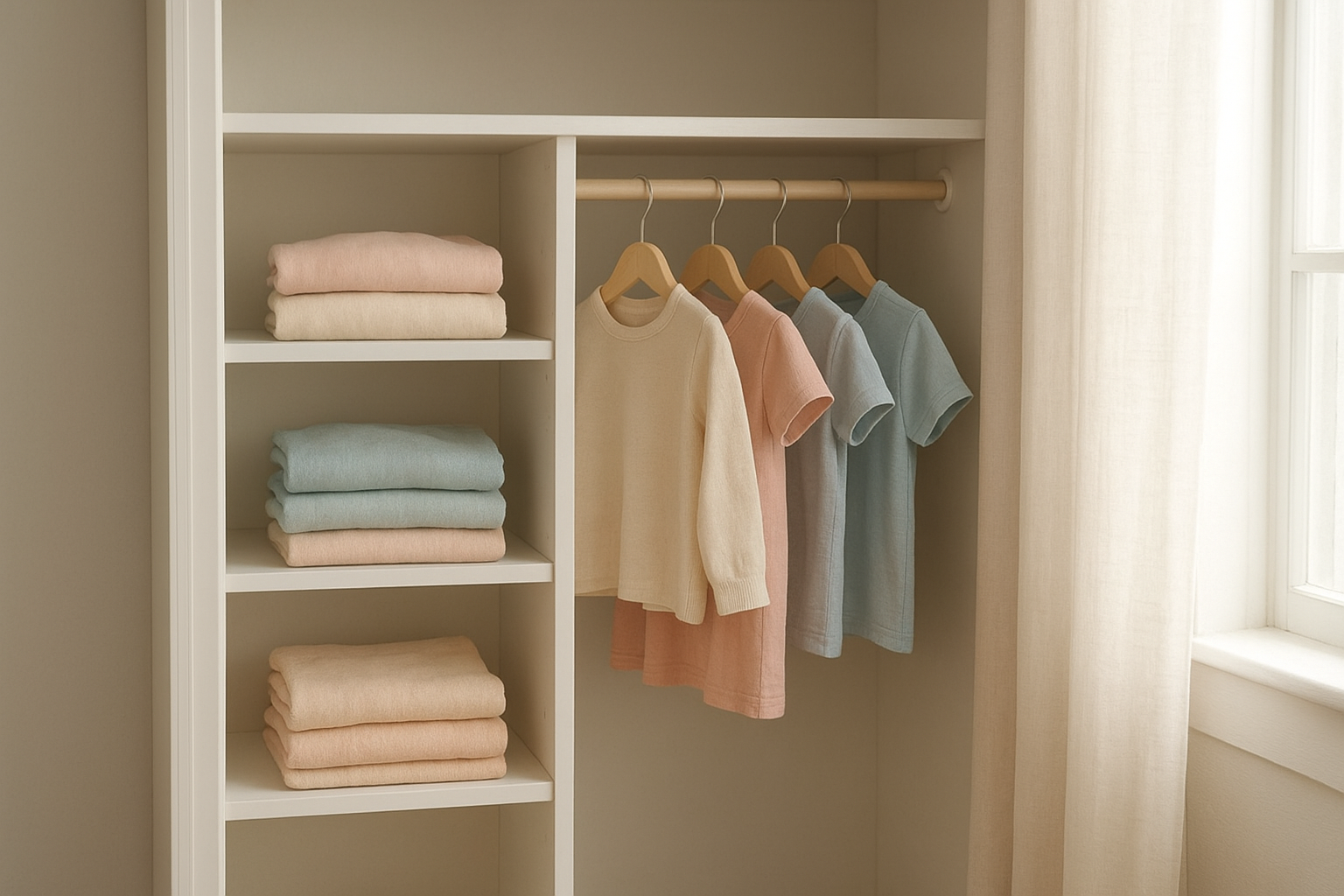
An organized, rotating closet is the foundation of a sustainable kids wardrobe.
Why a Green Kids' Wardrobe Matters for Modern Families
Children's clothing wears out fast, but it's outgrown even faster. Consequently, a huge share of kids' apparel gets discarded while still in good condition. The U.S. Environmental Protection Agency reports that Americans generate more than 11 million tons of textile waste each year, and children's clothing contributes a disproportionate share because of how quickly kids grow (EPA textile waste data).
For families, this matters on two levels. First, there's a financial cost: repeatedly buying new outfits every few months adds up quickly. Second, there's an environmental cost, since producing new textiles requires significant water, energy, and raw materials. A green kids' wardrobe approach addresses both problems at once by extending the useful life of each garment.
Furthermore, environmentally conscious parents increasingly want options that don't force a trade-off between style and responsibility. That's part of why rental models have grown so quickly among families with young children — they offer premium, stylish clothing without the guilt of constant waste.
The Hidden Cost of Fast Fashion for Children
Fast fashion refers to inexpensive clothing produced quickly to match short-lived trends. In children's apparel, this model is particularly wasteful because the clothes are often discarded not from wear, but from growth.
In contrast, higher-quality garments tend to hold up through multiple wears, multiple washes, and sometimes multiple children. However, quality pieces usually cost more upfront, which can discourage cash-strapped parents from choosing them. This is exactly the gap that rental subscriptions aim to close, since they let families access premium brands for a fraction of the retail price.
Above all, breaking the fast-fashion cycle for kids means rethinking ownership itself. Instead of buying and discarding, a growing number of families are choosing to borrow, swap, and circulate clothing within a shared system.
How to Build an Eco-Friendly Children's Closet
Building an eco-friendly children's closet doesn't require an overnight overhaul. Instead, it works best as a gradual shift, guided by a clear process.
Step-by-Step: Building Your Child's Sustainable Wardrobe
- Audit the current closet. Sort through existing clothes and separate what still fits from what's outgrown, noting any seasonal gaps.
- Choose quality over quantity. Prioritize fewer, durable pieces that mix and match rather than filling drawers with cheap basics.
- Add a rental subscription. Sign up for a children's clothing rental plan to access rotating, premium pieces without permanent ownership.
- Resell or donate outgrown items. Pass clothing along through resale platforms or donation centers so it stays useful longer.
- Review seasonally. Revisit the wardrobe every few months to swap sizes and match seasonal needs as your child grows.
For a deeper walkthrough of this process, see this guide on how to create a sustainable wardrobe for your kids.
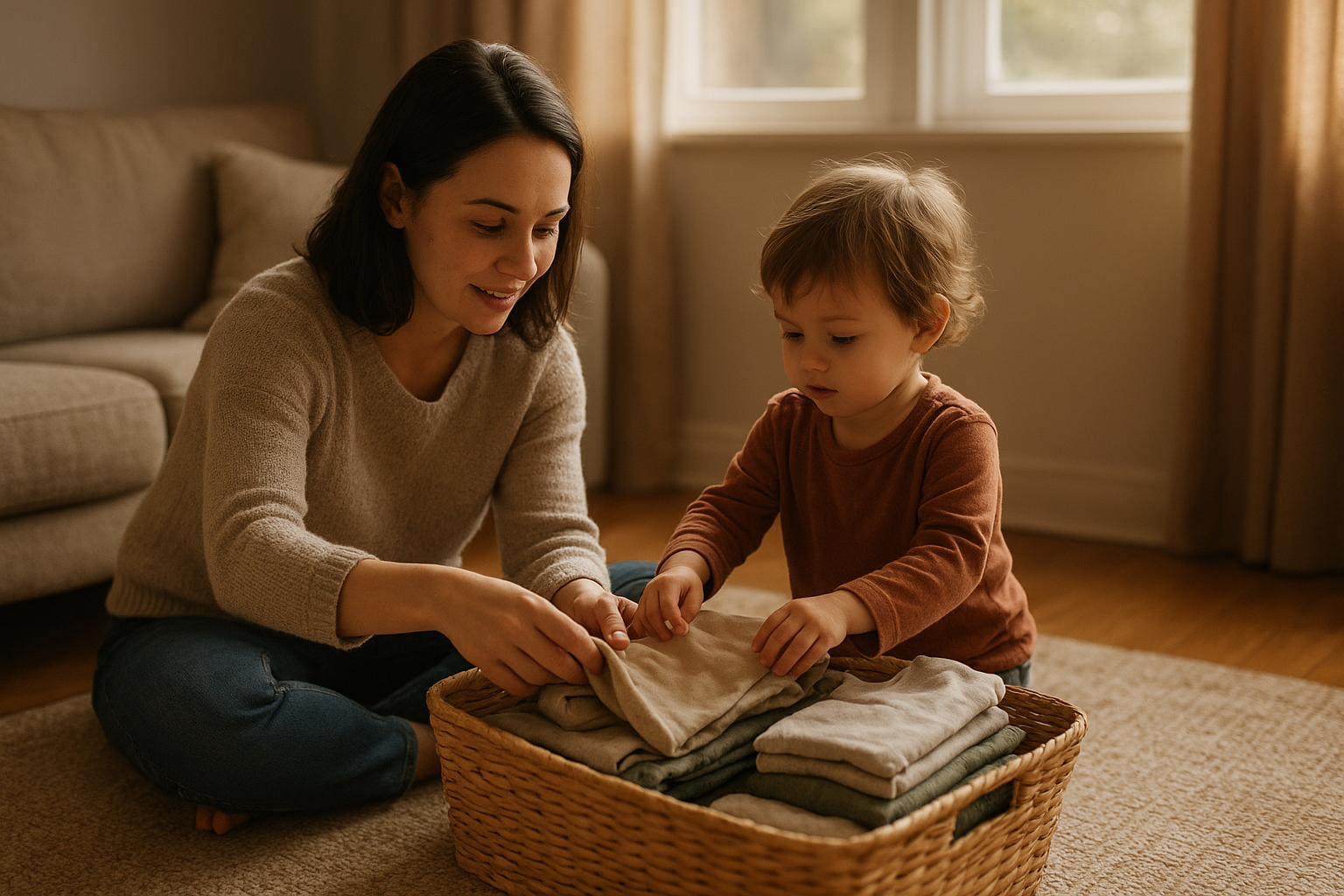
Auditing a child's closet is often the first practical step toward a sustainable kids wardrobe.
Clothing Rental vs. Buying New: Which Option Is Greener?
When comparing rental against buying new, the environmental math generally favors rental. Specifically, a single garment in a rental rotation gets worn by multiple children over its lifetime, spreading its production footprint across many uses instead of just one.
This idea connects closely to the circular economy, a model where products stay in use through reuse and sharing rather than being discarded after one owner. Rental subscriptions apply this idea directly to children's clothing.
Take Bundle to Bundle, for example. The service offers a rotating wardrobe of premium children's apparel for kids from newborn to age seven, with free two-way shipping and the ability to swap items as a child grows. Because membership starts around fifty dollars per month with no long-term commitment, families can test the model without much financial risk. This structure directly addresses the two biggest downsides of buying new: high upfront cost and rapid obsolescence.
Of course, rental isn't the only answer. Secondhand shopping, hand-me-downs, and durable basics still play a role. However, for the pieces kids outgrow fastest, rental tends to be the more practical and greener choice.
Choosing Sustainable Children's Fashion Brands and Services
Not every "sustainable" label means the same thing, so it helps to know what to look for. In particular, pay attention to fabric sourcing, production transparency, and how a brand handles end-of-life garments.
For families who prefer not to research every label individually, rental services simplify the decision by curating pieces from vetted, top-tier brands already. This guide on sustainable fashion for children breaks down what to prioritize when comparing options.
Similarly, parents looking for a broader overview of eco-conscious options can review this environmentally friendly kids apparel guide, which covers materials, certifications, and care practices side by side.
Above all, the goal isn't perfection. Even swapping one or two categories, like outerwear or special-occasion outfits, into a rental or resale model makes a measurable difference over a year.
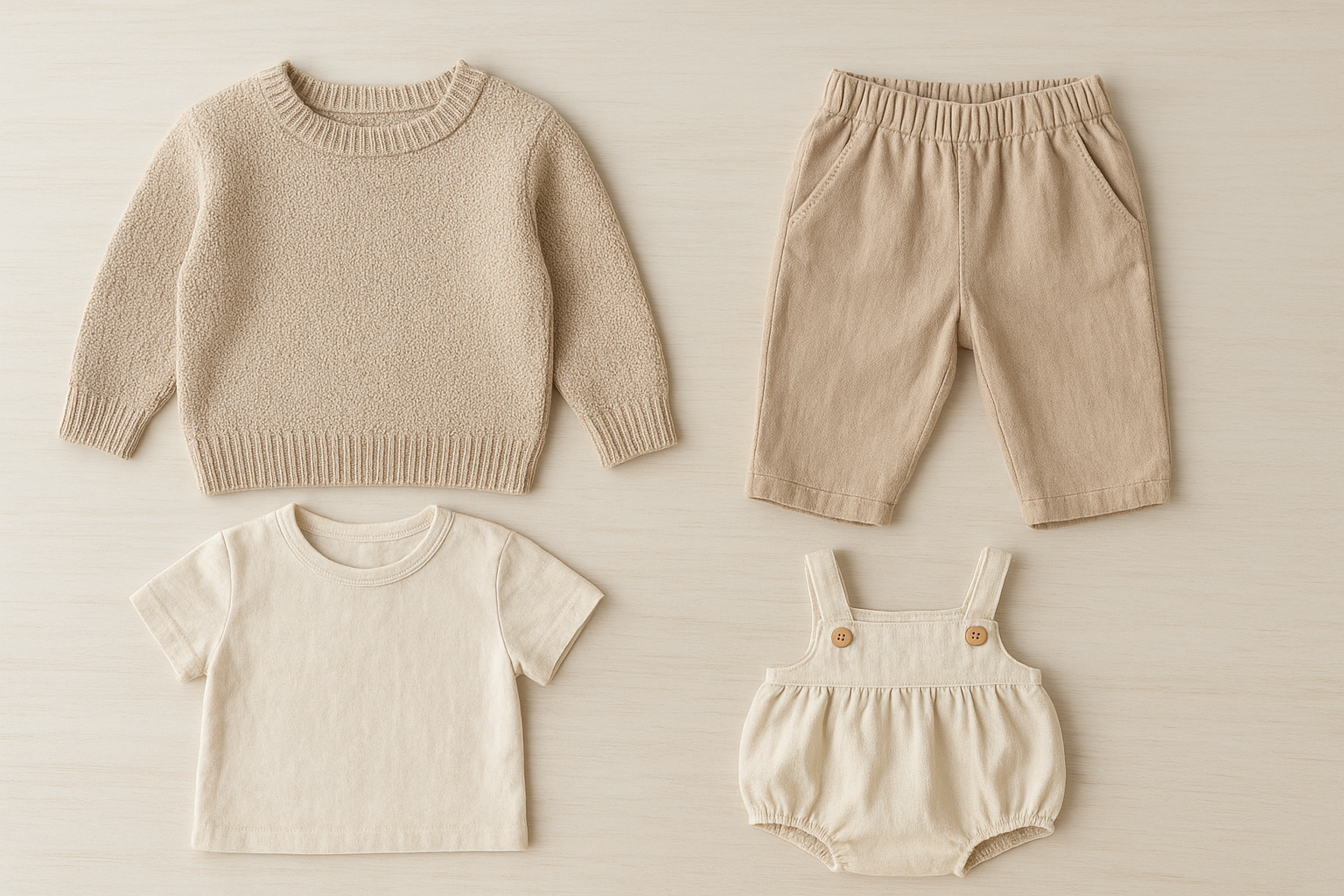
Selecting durable, well-made pieces supports a sustainable kids wardrobe over the long run.
Tips for Maintaining Your Sustainable Kids Wardrobe Long-Term
Building a sustainable kids wardrobe is easier than maintaining it, since growth spurts and messy play never stop. Therefore, a few consistent habits make the biggest difference over time.
First, track sizing every few months rather than guessing, since kids in this age range often jump sizes faster than expected. Second, set a recurring reminder to swap rental pieces or sort outgrown clothes for resale, so the process doesn't get skipped. Third, teach older kids to care for clothes gently, which extends garment life whether the items are owned or rented.
In addition, this green fashion for children style guide offers seasonal checklists that make ongoing maintenance simpler. For families balancing budget concerns too, this piece on affordable fashion for kids and smart rental solutions is worth reviewing alongside it.
Ultimately, consistency matters more than intensity. Small, repeated habits keep a wardrobe sustainable long after the initial setup is done.
Frequently Asked Questions About Sustainable Kids Wardrobe
What is a sustainable kids wardrobe?
A sustainable kids wardrobe is a collection of children's clothing chosen and used in ways that reduce textile waste, water use, and unnecessary purchases. It often includes rented, secondhand, or durable pieces that can be swapped, resold, or passed down instead of thrown away.
How do I start building a sustainable kids wardrobe?
Start by auditing what your child already owns, then choose quality basics that mix and match easily. Adding a rental subscription or a resale routine for outgrown items makes the switch much easier to maintain.
Why is fast fashion harmful for children's clothing?
Fast fashion relies on cheap materials and rapid production cycles that generate significant textile waste, much of which ends up in landfills within months. For kids, this cycle is worse because clothes are often outgrown before they're even worn out.
Is clothing rental cheaper than buying new kids' clothes?
For fast-growing children, rental is often cheaper over time because parents avoid repeatedly buying full-price outfits that are outgrown in weeks. Subscription plans also bundle shipping and cleaning costs that add up when buying new.
How much does a children's clothing rental subscription cost?
Monthly children's clothing rental memberships typically start around fifty dollars, depending on the number of pieces and swap frequency included. Most plans also include free two-way shipping, which offsets the cost of returns.
How long does it take to transition to a sustainable kids wardrobe?
Most families see a noticeable shift within one to two clothing cycles, roughly two to three months, as outgrown items get replaced with rented or resold pieces instead of new purchases. A full transition usually takes about one growth season.
What mistakes do parents make when trying to go sustainable?
A common mistake is buying multiple "eco-friendly" items brand new instead of reducing overall consumption first. Another is ignoring sizing and buying too far ahead, which often leads to clothes going unused.
What are the best practices for caring for rented children's clothing?
Follow the care label, wash on gentle cycles, and avoid harsh stain removers that can damage fabric fibers over time. Returning items reasonably clean, even if not spotless, helps rental services extend garment life.
Can I cancel a kids' clothing rental subscription anytime?
Most reputable children's clothing rental services, including Bundle to Bundle, allow cancellation at any time with no long-term contract. This flexibility makes rental a low-risk way to test a sustainable kids wardrobe.
What materials should I look for in sustainable children's clothing?
Look for organic cotton, linen, or recycled fibers, which generally use fewer chemicals and less water during production. Durable stitching and reinforced seams also matter, since sturdy clothes survive more play and more wears.
How does clothing rental reduce textile waste?
Clothing rental keeps garments circulating between families instead of going to a landfill after just a few wears. Each rented item is cleaned, reused, and swapped multiple times, extending its useful life significantly.
Is renting clothes hygienic for babies and toddlers?
Yes, reputable rental services professionally clean and sanitize every item between uses, following strict hygiene standards. This process typically removes stains and allergens more thoroughly than a standard home wash.
What age range works best for children's clothing rental?
Rental services work especially well for newborns through age seven, since this is when children grow fastest and outgrow clothes most often. Bundle to Bundle, for example, focuses specifically on this newborn-to-seven age range.
Building a sustainable kids wardrobe doesn't have to mean spending more or sacrificing style. By combining quality basics, resale habits, and a flexible rental subscription, families can keep their children well-dressed while cutting both cost and textile waste. As shown throughout this guide, small, consistent changes, rather than a single dramatic overhaul, are what make a sustainable kids wardrobe stick long-term. Whether that means auditing a closet, trying a rental swap for the first time, or simply choosing sturdier fabrics, every step counts toward a more responsible approach to children's fashion.


