


Environmentally-friendly kids apparel rental is reshaping how families dress their children, offering a rotating wardrobe of high-quality clothes instead of a closet full of quickly outgrown items. Because kids grow so fast, buying new outfits every few months creates a mountain of barely-worn clothing that often ends up in landfills. As a result, more parents are turning to rental subscriptions that reduce waste, save money, and still deliver stylish, premium apparel for growing kids.
Quick answer: Environmentally-friendly kids apparel rental is a subscription service where families borrow curated children's clothing, swap pieces as their child grows, and return items instead of discarding them, cutting textile waste while lowering clothing costs.
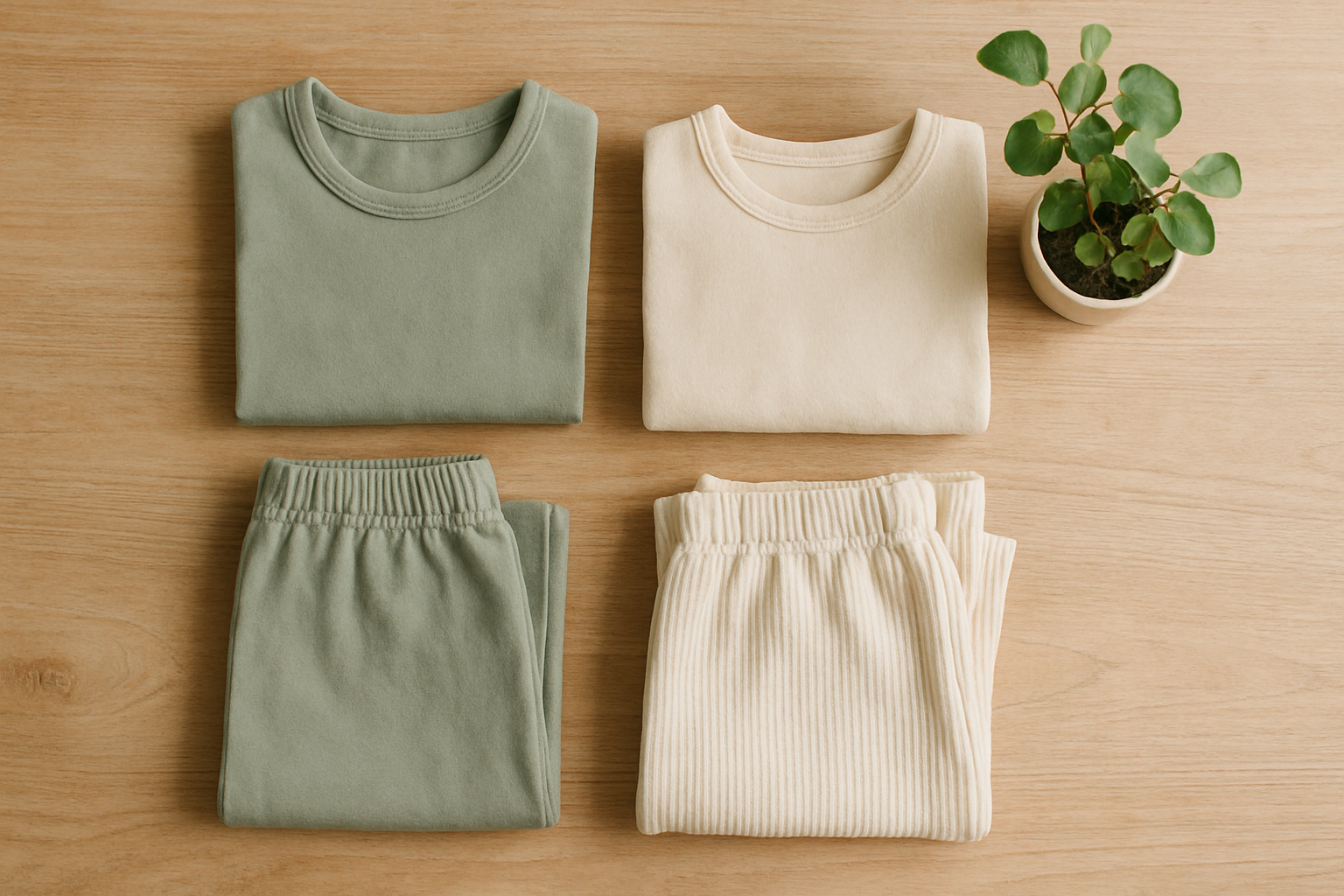
A curated rotating wardrobe is at the heart of environmentally-friendly kids apparel rental.
What Is Environmentally-Friendly Kids Apparel Rental?
Environmentally-friendly kids apparel rental is a subscription-based service that lets families access premium children's clothing without buying it outright. Instead of purchasing new outfits that a child might wear for only a few weeks, parents pay a monthly fee to borrow a rotating selection of garments. When the clothes no longer fit or the season changes, families simply swap them for new sizes.
This model directly addresses one of parenting's most frustrating realities: kids between newborn and seven years old grow out of clothes constantly. Consequently, closets fill up with barely-worn items that get donated, discarded, or forgotten. A service like Bundle to Bundle solves this by keeping a wardrobe in continuous circulation among multiple families, which is precisely what makes it environmentally friendly.
Why Sustainable Children's Clothing Rental Makes Sense for Growing Kids
Children's bodies change shape and size far faster than adults', which means a typical wardrobe has a shockingly short useful life. For example, a newborn onesie may fit for only six to eight weeks before it's too small. As a result, families accumulate closets of clothing with plenty of wear left in them but no one left to wear them.
Sustainable children's clothing rental solves this mismatch by matching supply to actual need. Instead of every family owning a full wardrobe that sits idle much of the time, a shared rotating collection serves many children over its lifespan. In addition, curated rental pieces are often made from more durable, higher-quality materials than fast-fashion basics, so they hold up better through repeated wear and laundering.
Furthermore, this approach appeals to budget-conscious parents just as much as environmentally minded ones. Because the cost of a subscription is spread monthly, families avoid large one-time purchases and unpredictable spending spikes every time a growth spurt hits.

Durable rental garments are built to withstand active, growing kids.
The Environmental Impact of Fast Fashion for Children
Textile waste is a growing global problem, and children's clothing contributes more to it than most parents realize. According to the U.S. Environmental Protection Agency, millions of tons of textiles are discarded in the United States every year, and a meaningful share comes from clothing worn only briefly, including kids' garments outgrown within months.
Similarly, the broader concept of sustainable fashion emphasizes extending a garment's usable life rather than producing more items to replace discarded ones. Above all, this is where rental models offer a clear advantage: each piece serves several families instead of one, which meaningfully lowers the resource footprint per wear.
How Kids Clothing Subscription Services Reduce Textile Waste
Kids clothing subscription services reduce textile waste by keeping garments circulating instead of retiring them after a single growth cycle. Specifically, each returned item is cleaned, inspected, and reissued to another family, which multiplies the number of wears a single piece delivers over its lifetime.
This approach reflects principles of the circular economy, a model built around reusing and sharing resources rather than the traditional "take, make, dispose" pattern. In practice, this means fewer new garments need to be manufactured overall, which reduces water use, dye runoff, and carbon emissions tied to textile production.
For families curious about how this plays out day to day, resources like this eco-conscious clothing rental guide walk through the practical side of adopting a rotating wardrobe.
How to Start an Environmentally-Friendly Kids Apparel Rental Wardrobe
Getting started with a rental subscription is more straightforward than many parents expect. Below is a simple process families can follow to transition away from constant buy-and-discard cycles.
- Assess your child's current sizes and needs. Measure your child's current clothing sizes and note upcoming seasonal needs so you can select a starter bundle that fits both now and a few months ahead as they grow.
- Choose a rental plan and starter pieces. Pick a monthly membership tier based on how many items you need and how often you expect to swap them, then select curated pieces from the available rotating wardrobe collection.
- Receive and use the rotating wardrobe. Unbox the shipped garments, wash them according to any provided care instructions if desired, and let your child wear them through everyday activities, playtime, and special occasions.
- Swap or return items as your child grows. Once pieces no longer fit or your seasonal needs change, use the free two-way shipping to send items back and request new sizes or styles without any long-term commitment.
- Repeat the cycle as needed. Continue swapping and rotating the wardrobe every few months, canceling or pausing anytime your family's needs change, to maintain a consistently sustainable clothing routine for your child.
Choosing the Right Green Children's Apparel Rental Service
Not all rental services are created equal, so it's worth comparing a few factors before committing to one. Namely, look at shipping policies, swap frequency, brand quality, and cancellation terms.
Bundle to Bundle, for instance, is built specifically for families with kids from newborn to seven years old, with plans starting at fifty dollars per month. Members receive curated pieces from top-tier children's fashion labels, can swap items anytime, and enjoy free two-way shipping with no long-term commitment. This combination of affordability, flexibility, and quality makes it a practical option for parents who want a genuinely sustainable alternative to constant new purchases.
For a deeper look at how quality and rental convenience intersect, this high-quality rental apparel guide breaks down what to expect from premium rotating wardrobes.
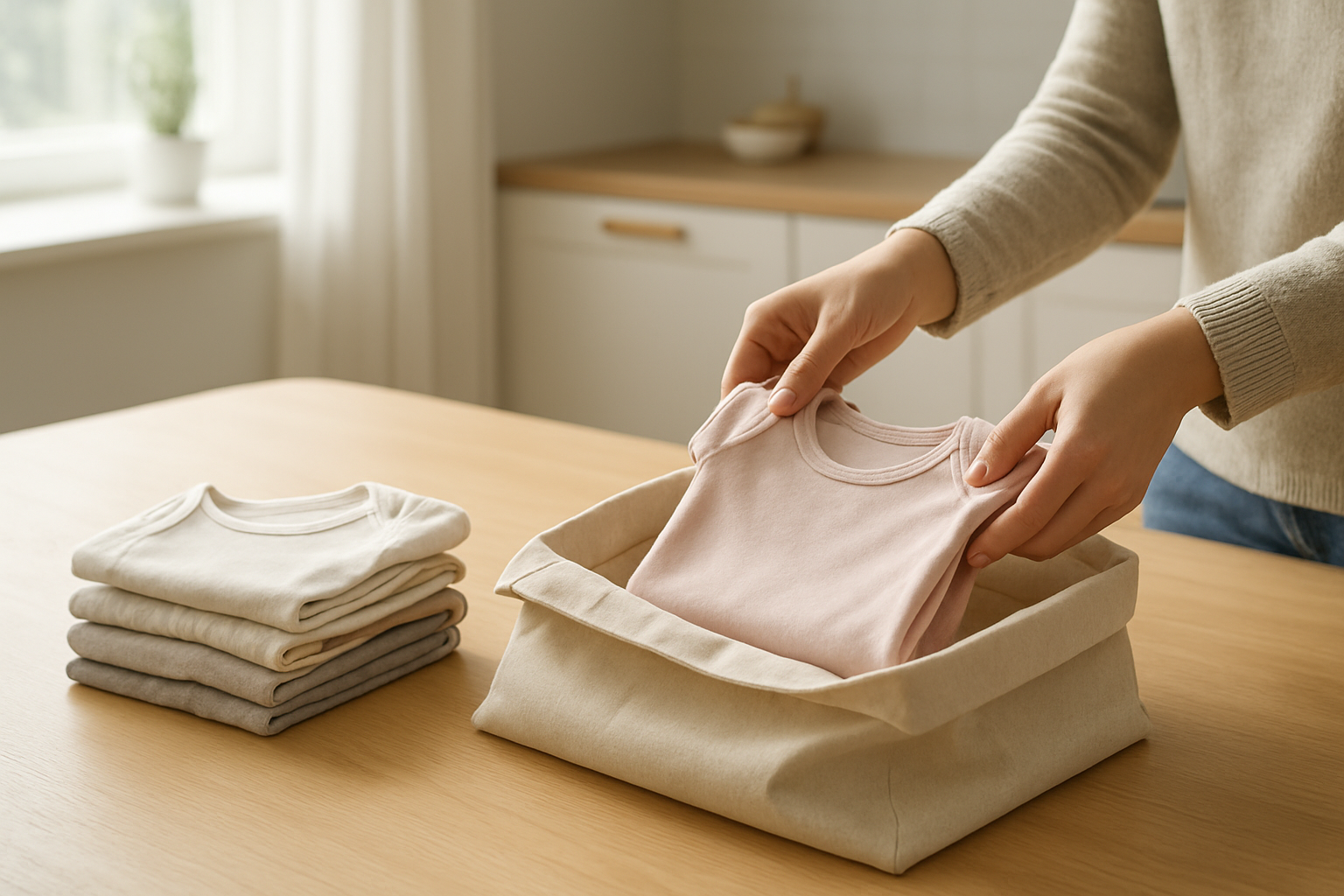
Free two-way shipping makes returning and swapping rented apparel simple for busy families.
Cost Comparison: Renting Versus Buying Kids Clothes
On the surface, buying clothes outright can seem cheaper per item. However, when you account for how quickly kids outgrow each piece, the math shifts. A single seasonal wardrobe purchased new might cost well over a hundred dollars, yet only last a few months before replacement is needed.
In contrast, a rental subscription starting around fifty dollars monthly spreads that cost evenly and includes swaps at no extra charge. Therefore, families who rotate wardrobes every few months often spend less overall than those repeatedly buying new outfits, especially once shipping and end-of-season donations or disposal are factored in. For a broader financial breakdown, this guide on how children's clothing rental saves money and reduces waste offers useful context.
Families with multiple children or those planning for a new baby may also find value in exploring options like this eco-friendly baby clothes rental guide, which addresses the earliest and fastest-changing stage of a child's wardrobe needs. Similarly, households juggling several kids at once may benefit from insights in this family-friendly clothing rental guide.
Frequently Asked Questions About Environmentally-Friendly Kids Apparel Rental
What is environmentally-friendly kids apparel rental?
Environmentally-friendly kids apparel rental is a subscription model where families borrow children's clothing instead of buying it new, then swap or return pieces as kids grow. This reduces textile waste and lets parents access premium brands at a fraction of retail cost.
How does kids clothing rental reduce environmental impact?
Renting extends the life of each garment by putting it through multiple families instead of a landfill after one growth spurt. Fewer new items get manufactured, which lowers water use, carbon emissions, and raw material demand.
Is renting children's clothes cheaper than buying new?
Yes, in most cases renting is cheaper over time because families avoid repeatedly buying full-price items their child quickly outgrows. Plans like Bundle to Bundle start around fifty dollars a month for a curated, rotating wardrobe.
What ages does a children's clothing rental service typically cover?
Most rental wardrobes are designed for kids from newborn through around seven years old, the age range when growth spurts happen fastest. This covers the stages where buying new clothes every few months is most costly.
How often can I swap items in a kids clothing subscription?
Flexible subscription models let members swap pieces anytime their child grows or their style needs change, rather than on a fixed schedule. This keeps the wardrobe useful year-round instead of sitting unused after a size change.
What happens if my child stains or damages rented clothing?
Reputable rental services expect normal wear and tear from active kids and build cleaning or minor repair costs into membership pricing. Extreme damage may incur a small fee, but everyday spills and scuffs are typically covered.
How is rented children's clothing cleaned between families?
Each item is professionally laundered and inspected before it ships to the next family, following sanitation standards similar to those used in professional textile care. This keeps every piece hygienic and safe for young skin.
Can I cancel a kids clothing rental subscription anytime?
Most modern rental memberships, including Bundle to Bundle, allow cancellation at any time without long-term contracts. This makes the service low-risk for families who want to try it without commitment.
What brands are usually included in premium kids clothing rentals?
Premium rental wardrobes typically curate pieces from top-tier children's fashion labels known for durable fabrics and quality stitching. This gives families access to designer-level clothing they might not otherwise purchase outright.
How does clothing rental compare to thrifting for sustainability?
Thrifting reuses existing clothes, while rental keeps garments in continuous circulation with professional care and quality control between each use. Both reduce waste, but rental offers more predictable sizing and condition for growing kids.
What is the average monthly cost of a children's clothing rental service?
Plans generally start around fifty dollars per month depending on the number of items and swap frequency included. This is often far less than the cumulative cost of buying new outfits every season.
Does shipping cost extra with a kids apparel rental subscription?
No, many services, including Bundle to Bundle, include free two-way shipping as part of the membership price. This removes a common hidden cost that can otherwise make rental feel less convenient than buying.
What common mistakes should parents avoid with clothing rental services?
A common mistake is ordering true-to-size instead of slightly ahead of a child's growth curve, which shortens how long each piece stays useful. Parents should also review swap policies closely to maximize flexibility.
How much textile waste does children's fast fashion produce each year?
The United States generates millions of tons of textile waste annually, with a significant share coming from clothing discarded after brief use, including children's garments. Rental models directly target this waste by extending each item's usable life.
Is environmentally-friendly kids apparel rental good for the environment long term?
Yes, because it shifts demand away from constantly manufacturing new garments and instead keeps existing clothing circulating among multiple families. Over time this reduces the cumulative resource footprint tied to outfitting fast-growing kids.
Final Thoughts
Ultimately, environmentally-friendly kids apparel rental gives families a practical way to dress growing children in quality clothing without the financial strain or environmental cost of constant new purchases. By choosing a flexible, curated wardrobe service, parents can swap sizes as needed, reduce textile waste, and still keep their kids stylishly outfitted year-round. As more households look for smarter, more sustainable habits, this rental model offers a genuinely low-risk way to align everyday parenting decisions with long-term environmental responsibility.


