


High-quality rental apparel for kids is a growing solution that lets parents dress their children in premium, well-made clothing without the financial sting of buying garments that are outgrown in weeks. Instead of spending hundreds of dollars each season, families subscribe to a service, receive a curated bundle of clothes, and return them when the time comes — saving money, storage space, and the planet.
Why Children Outgrow Clothes Faster Than You Can Shop
Children, particularly in their first five years, can jump an entire clothing size every two to three months. As a result, a brand-new outfit purchased in October may be unwearable by January. However, most parents continue buying new clothes each season because it feels like the only option.
The financial reality is stark. The average American family spends over $1,000 annually on children's clothing, according to the U.S. Bureau of Labor Statistics Consumer Expenditure Survey. Meanwhile, many of those garments are worn fewer than five times before being donated, stored, or discarded. Therefore, the traditional buy-and-discard cycle is both expensive and wasteful.
Rental apparel directly solves this problem. Because each item circulates through multiple families over its lifespan, the true cost per wear drops dramatically for everyone involved.
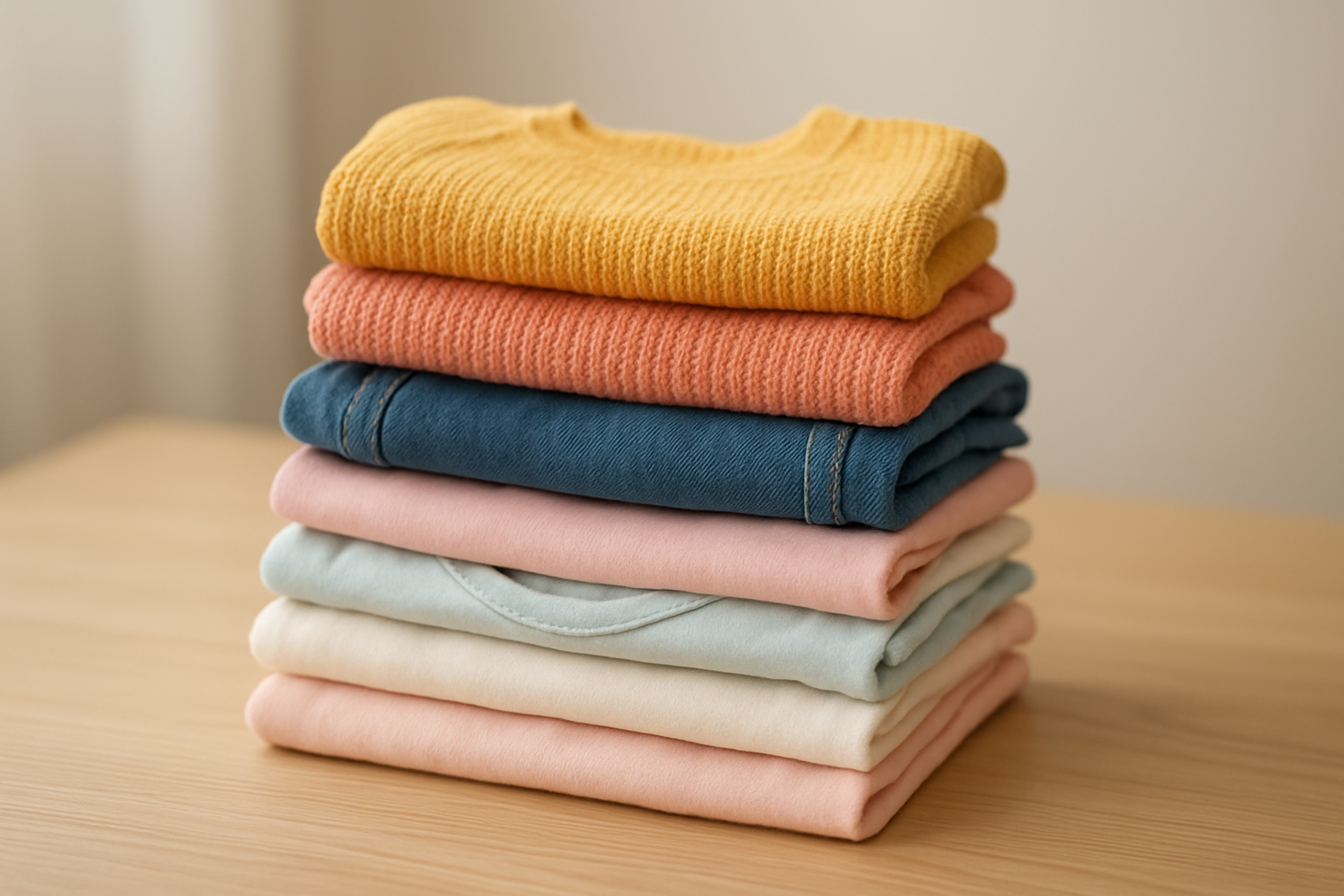
High-quality rental apparel for kids arrives curated, clean, and ready to wear — no shopping trips required.
What Does "High-Quality" Actually Mean in Kids' Clothing?
Not all children's garments are created equal. In the context of rental services, high-quality means fabrics that survive repeated professional washing, stitching that holds through active play, and materials that are gentle against sensitive skin. For example, organic cotton, GOTS-certified blends, and OEKO-TEX certified textiles are common markers of quality in reputable rental inventories.
Additionally, quality in a rental context means structural durability. A garment rented to ten different families must maintain its shape, color, and integrity throughout. Therefore, rental providers typically source from brands known for longevity rather than fast-fashion labels designed for a single season.
Parents should also look for chemical safety certifications. Because young children put fabrics in their mouths and wear items directly against skin, dye-free, fragrance-free finishing processes are a meaningful quality indicator.
The Environmental Case for Renting Instead of Buying
The fashion industry is one of the world's largest contributors to textile waste, and children's clothing is a disproportionate part of that problem. Because kids grow so rapidly, garments are discarded at a far higher rate than adult clothing. In practice, most donated children's clothes end up in landfills rather than being resold or reused.
Rental changes the equation entirely. A single garment that might have been worn four times in one household can be worn forty times across ten households. As a result, the carbon footprint per wear shrinks significantly. Research from the Ellen MacArthur Foundation confirms that extending a garment's active life by just nine months reduces its environmental impact by 20 to 30 percent.
Furthermore, quality rental services use eco-conscious laundering practices — lower-temperature washes, biodegradable detergents, and consolidated shipping to reduce transport emissions. These choices compound the environmental benefit over time.
How a Kids' Clothing Rental Service Works Step by Step
Getting started with a rental service is straightforward. Below is a typical process from sign-up to swap.
- Create a profile. Enter your child's current size, age, and any style preferences such as gender-neutral palettes, seasonal needs, or occasion types like everyday wear versus formalwear.
- Choose a subscription tier. Most services offer small, medium, and large bundle sizes at different monthly price points. Additionally, some providers offer one-time or seasonal rental options for families who prefer flexibility.
- Receive your bundle. A curated selection of items arrives professionally cleaned, inspected, and packaged. Each item is typically tagged with care instructions and a return label.
- Use and enjoy. Dress your child in the rental clothes throughout the rental period. Normal wear and tear — grass stains, minor snags — is expected and covered.
- Return and swap. When your child grows or the rental period ends, pack the bundle using the prepaid label and drop it off. Your next bundle ships shortly after.
Services like Bundle to Bundle have refined this process to make it seamless for busy parents, handling all the logistics so families can focus on enjoying the clothes rather than managing them.
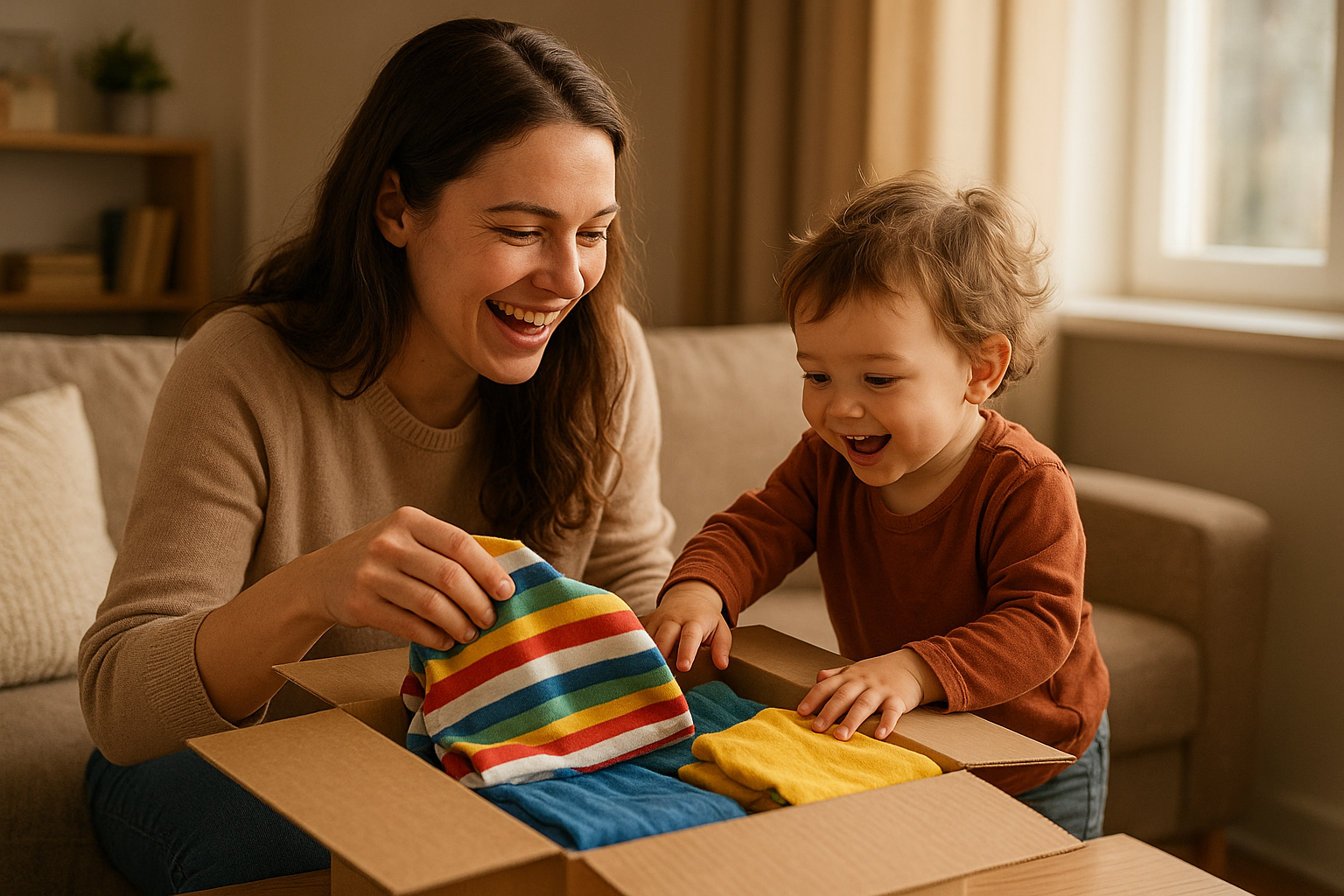
Unboxing a new bundle is one of the most satisfying parts of a kids' clothing rental subscription.
Comparing Rental to Buying: A Practical Cost Breakdown
To understand the real value, consider a typical scenario. A parent buys a complete seasonal wardrobe for a toddler — roughly eight to twelve items — at an average of $25 per piece. That totals $200 to $300 per season, or up to $1,200 per year across four seasons. However, many of those items are worn only a handful of times.
Estimated Annual Cost Comparison
| Approach | Est. Annual Cost | Items Worn 5+ Times |
|---|---|---|
| Buying new each season | $800 – $1,200 | ~40% |
| Secondhand buying | $300 – $600 | ~55% |
| Quality rental subscription | $360 – $720 | ~90% |
In contrast to buying new, rental costs are predictable and include hygiene, logistics, and damage protection. Meanwhile, secondhand buying requires time investment in sourcing and may not always yield the quality or size consistency families need.
Common Mistakes Parents Make When Choosing a Rental Service
Not every rental service delivers the same experience. First, some parents overlook hygiene transparency — always ask whether garments are professionally laundered between rentals and what detergents are used. This is especially important for infants with sensitive skin.
Second, families sometimes choose the cheapest plan without checking the swap frequency. If your toddler grows quickly, a plan that only allows one swap every three months may leave you with ill-fitting clothes for weeks. Therefore, match the swap schedule to your child's current growth rate.
Finally, many parents forget to read the damage policy before signing up. Although most quality services cover normal wear and tear, policies on accidental damage vary. Reading the fine print prevents unexpected charges and ensures a stress-free experience.
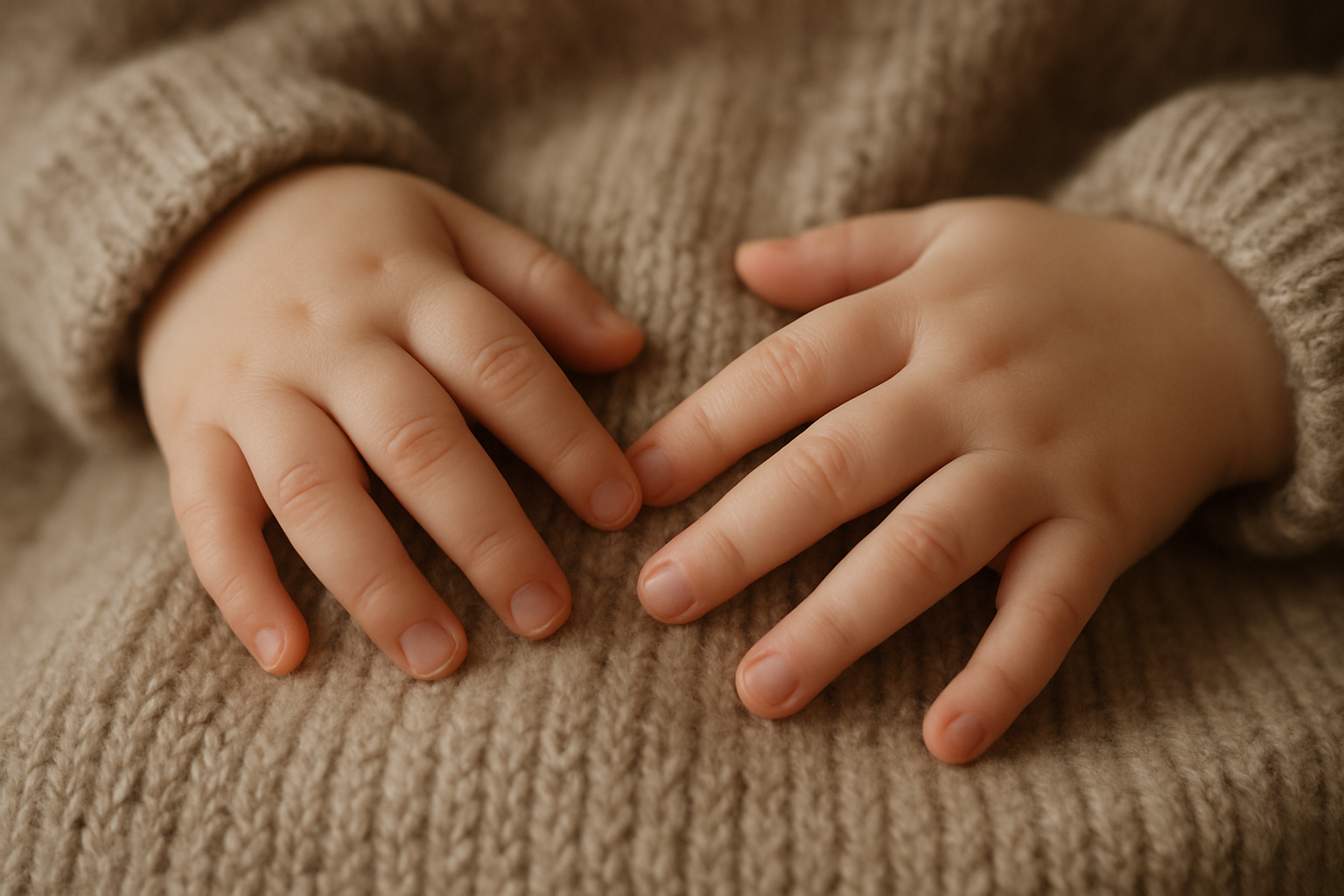
Premium fabric quality is what sets a true rental service apart from fast-fashion alternatives.
Is High-Quality Rental Apparel for Kids Right for Your Family?
High-quality rental apparel for kids is an ideal fit for families who value convenience, sustainability, and consistent access to well-made clothing without the overhead of ownership. It works especially well for parents of rapidly growing infants and toddlers, families who prefer to reduce clutter, and households that care about their environmental footprint.
However, it may be less suited to families with very specific brand loyalty or parents who enjoy the ritual of shopping. Additionally, if your child is in a stable size for an extended period, the frequency advantage of rental diminishes slightly — though the quality and convenience benefits remain.
For most families, the combination of cost savings, reduced decision fatigue, and positive environmental impact makes rental a compelling alternative to traditional children's clothing shopping. Exploring a platform like Bundle to Bundle is a practical first step toward experiencing the model firsthand.
Quick Answer
High-quality rental apparel for kids is a subscription-based clothing model where families receive curated bundles of premium children's garments, use them for a set period, and return them for a fresh bundle. It saves money, reduces textile waste, and ensures children always have well-fitting, high-quality clothes — without the clutter of ownership.
Frequently Asked Questions
What is high-quality rental apparel for kids?
High-quality rental apparel for kids is a subscription or on-demand service that provides premium, well-made children's clothing on a temporary basis. Parents pay a recurring or per-bundle fee to access garments, then return them when their child outgrows them or the season ends.
How does a kids' clothing rental service work?
Parents sign up, select a size range and style preferences, and receive a bundle of clothes by mail. After a set rental period, the bundle is returned using a prepaid shipping label and a fresh bundle is sent out.
Is renting kids' clothes really cheaper than buying them?
For most families, yes. Children outgrow clothes in as little as three months, meaning purchased garments are rarely worn enough times to justify their full retail cost. Renting spreads the cost across many families and keeps your per-wear price very low.
Are rented children's clothes clean and safe?
Reputable rental services professionally launder and inspect every garment between rentals using child-safe, hypoallergenic detergents. Items that show wear, staining, or damage are removed from circulation before being sent to the next family.
What age ranges do kids' clothing rental services cover?
Most services cover newborn through size 10 or 12, which spans roughly birth to age 8 or 10. Some premium providers extend coverage into early teen sizes as well.
What happens if my child damages a rental item?
Most services include normal wear-and-tear protection in their subscription fee. Accidental damage policies vary by provider, but many waive fees for minor stains or small tears since children's clothing is expected to be used actively.
How is kids' clothing rental better for the environment?
Rental keeps garments in active use far longer than single-family ownership, reducing the demand for new textile production. Extending the active life of clothing by just nine months reduces its carbon, water, and waste footprint by around 20 to 30 percent.
Can I choose specific brands or styles when renting kids' clothes?
Many services allow style preferences such as gender-neutral, bright colors, or specific occasions like formalwear. Brand-specific selection depends on the provider's inventory, though premium services often carry recognized children's brands.
How often can I swap out a bundle of rental clothes?
Swap frequency depends on the subscription tier. Standard plans typically allow one swap every one to three months, while premium plans may offer more frequent exchanges to keep pace with rapid growth spurts.
Is there an option to buy items I love from a rental bundle?
Yes, many rental services offer a rent-to-own or purchase option so families can buy favorite pieces at a reduced price. This is particularly popular for special-occasion outfits or items a child is especially attached to.
What should I look for in a kids' clothing rental service?
Look for transparent hygiene standards, a flexible swap policy, clear damage protection terms, and a wide size range. Additionally, check whether the service uses sustainable fabrics and whether customer reviews confirm consistent garment quality.
How much does a kids' clothing rental subscription typically cost?
Pricing varies widely, but most services range from $30 to $100 per month depending on bundle size and brand tier. When compared to buying new clothes every season, most families report significant overall savings.


