


Eco-conscious clothing rental for kids is a growing solution that lets families borrow curated bundles of children's clothing instead of buying new garments every season. Because children outgrow clothes so quickly, this model makes both financial and environmental sense — and it is changing the way parents think about dressing their kids.
The average child goes through multiple clothing sizes in a single year. As a result, garments are often worn only a handful of times before they no longer fit. Traditional buying habits therefore contribute to enormous amounts of textile waste, most of which ends up in landfills.
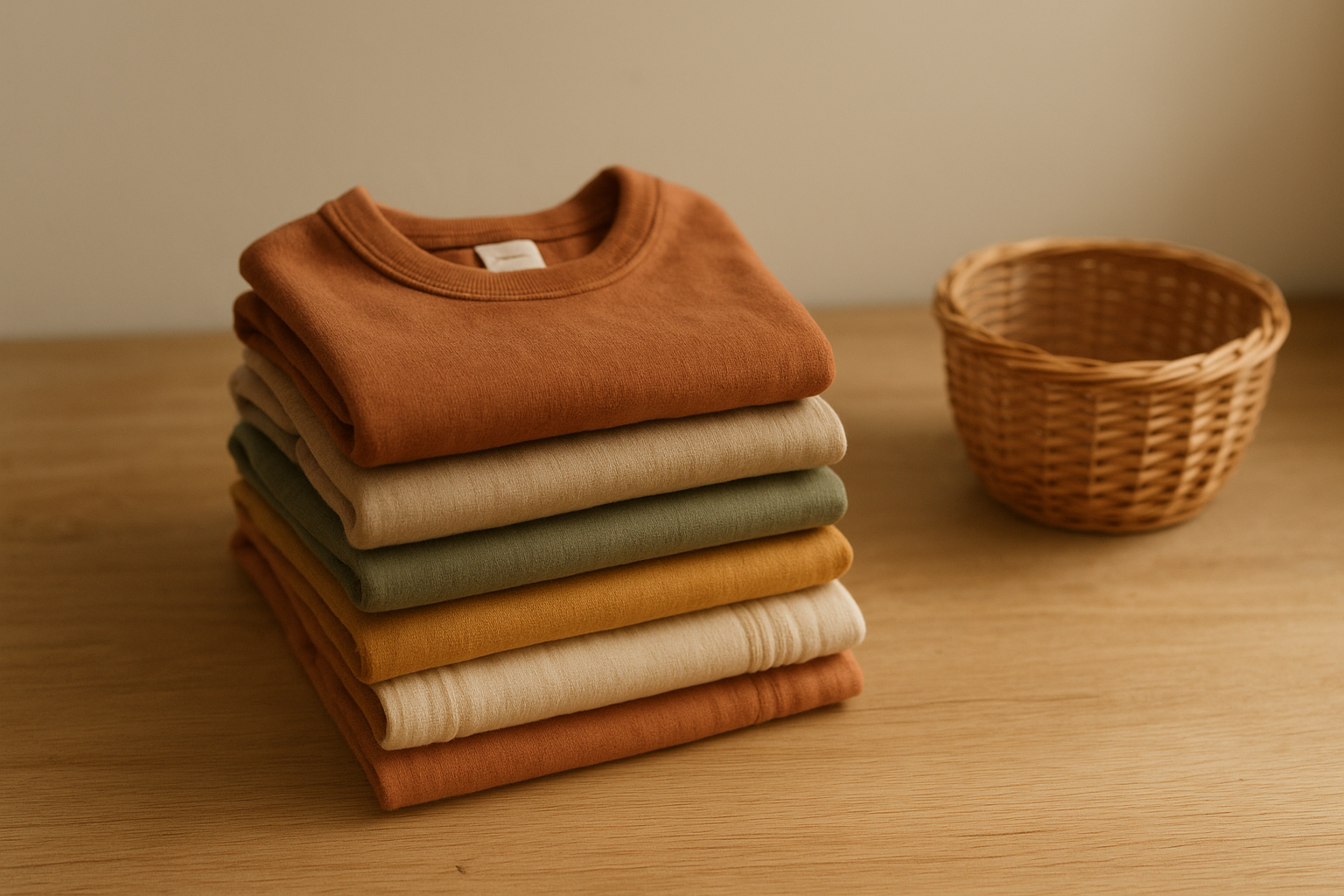
A curated bundle of eco-conscious rental clothing for children, ready to be shipped to a new family. For a deeper walkthrough, see our The Complete Guide to Kids Clothing Rental in 2026.
Why Children's Clothing Is a Sustainability Problem
The fashion industry is one of the world's largest polluters, and children's clothing is a particularly wasteful segment. Because kids grow so fast, parents frequently purchase new items that see minimal use before being discarded. In practice, this creates a cycle of overproduction and premature disposal.
Additionally, synthetic fabrics shed microplastics during washing, which eventually enter waterways. Even natural fabrics require significant water and land resources to produce. Therefore, any model that extends the usable life of a garment across multiple children is a meaningful step forward.
However, awareness alone does not solve the problem. Parents need a practical, convenient alternative — and that is precisely where clothing rental services step in.
How Does Eco-Conscious Clothing Rental for Kids Work?
Eco-conscious clothing rental for kids works by matching families with a curated bundle of age-appropriate, size-specific garments on a subscription or on-demand basis. First, parents create a profile indicating their child's current size, style preferences, and any fabric sensitivities. Next, a bundle is assembled and shipped directly to their door.
When the child outgrows the clothes or the rental period ends, the family returns the bundle using a prepaid shipping label. The provider then professionally launders and inspects each item before sending it to the next family. Items showing significant wear are responsibly recycled rather than re-rented.
Services like Bundle to Bundle have built their entire model around this circular approach, making it easy for parents to participate without any extra effort on their part.
What a Typical Rental Bundle Includes
A standard bundle generally includes tops, bottoms, and outerwear suited to the current season. Many providers also include occasion-specific pieces such as formal wear or swimwear depending on the plan tier. Furthermore, premium subscriptions often feature items made from GOTS-certified organic cotton or recycled materials, reinforcing the eco-conscious mission.

Children can wear stylish, high-quality clothing through every growth stage thanks to rental subscription models.
The Real Cost Savings for Families
One of the most compelling arguments for clothing rental is the financial benefit. On average, families can save 40 to 60 percent compared to buying new clothing each season. Because children grow rapidly — especially in the first three years — many purchased garments are worn fewer than ten times before being outgrown.
In contrast, a monthly rental subscription spreads the cost across multiple families over the garment's lifetime. Therefore, each family pays only a fraction of the item's original retail price. For parents managing tight budgets, this model provides access to quality clothing that might otherwise be unaffordable.
Additionally, rental eliminates the hidden costs of buying: no storage for outgrown items, no time spent sorting donations, and no guilt about barely-worn clothes heading to landfill.
Hygiene, Safety, and Quality Standards
A common concern among parents is whether rented clothing is truly clean and safe for their child. Reputable providers address this directly by using professional-grade laundering processes with non-toxic, child-safe detergents. Furthermore, each item undergoes a quality inspection after every return cycle.
Garments that show signs of excessive wear, staining, or structural damage are removed from inventory rather than re-circulated. This ensures that every bundle a family receives meets a consistent quality standard. In many cases, rental clothing arrives in better condition than secondhand items purchased from thrift stores.
Damage Policies: What Parents Should Know
Most services distinguish clearly between normal wear and accidental damage. Normal wear — small scuffs, minor fading, everyday dirt — is expected and covered within the subscription fee. However, significant damage such as torn seams or irreparable stains may incur a small additional charge. Reading the damage policy before subscribing helps families avoid surprises.
Choosing the Right Service for Your Family
Not all rental services are created equal, so comparing options carefully is worthwhile. Consider the following factors when evaluating a provider:
- Size range coverage: Confirm the service covers your child's current and upcoming sizes.
- Swap frequency: Faster-growing infants benefit from monthly swaps, while older children may only need seasonal exchanges.
- Fabric standards: Look for providers that stock organic or sustainably sourced materials if that matters to your family.
- Return logistics: Prepaid return labels and easy drop-off options make the process seamless.
- Transparency: Providers that share their laundering process and sustainability metrics are generally more trustworthy.
Bundle to Bundle is one example of a service designed with these principles at its core, offering families a straightforward path into circular kids fashion.
Common Mistakes Parents Make When Starting Out
Although clothing rental is straightforward, a few missteps can reduce the experience. First, underestimating how quickly a young child grows is a frequent error — parents sometimes order bundles sized for the current month rather than planning one size ahead. As a result, the bundle may feel snug within weeks of arrival.
Second, neglecting to review the damage policy before enrolling can lead to unexpected fees. Third, choosing the lowest-tier subscription without checking swap frequency may leave families stuck in clothes that no longer fit for longer than expected. Meanwhile, a slightly higher tier with more frequent swaps often delivers better overall value.
The Bigger Picture: Supporting a Circular Economy
When families choose rental over fast fashion, they actively support what economists call the circular economy — a system designed to keep products and materials in use as long as possible. In contrast to the traditional linear model of make, use, and discard, the circular model extends value across multiple use cycles.
For children's clothing specifically, this means a single well-made garment might clothe five or six children over its lifetime instead of one. Additionally, the collective impact of thousands of families making this choice compounds into meaningful reductions in carbon emissions, water consumption, and landfill volume.
Therefore, choosing eco-conscious clothing rental is not just a personal financial decision — it is a small but genuine contribution to a more sustainable world.
Quick Answer
Eco-conscious clothing rental for kids is a subscription model where families borrow curated bundles of children's clothing, return them when outgrown, and receive new bundles — keeping garments in circulation longer, reducing waste, and saving money compared to buying new each season.
Frequently Asked Questions
What is eco-conscious clothing rental for kids?
Eco-conscious clothing rental for kids is a service where families borrow children's garments on a subscription or on-demand basis instead of buying them. Items are returned, professionally cleaned, and re-rented to other families, keeping clothing in circulation and reducing textile waste significantly.
How does a kids clothing rental subscription work?
Parents set up a profile with their child's size and style preferences. A curated bundle is then shipped to their home. When the child outgrows the items, the family returns the bundle using a prepaid label, and a fresh bundle is sent in the next size up.
Is renting children's clothing hygienic?
Yes. Reputable providers professionally launder every garment between rentals using child-safe, non-toxic detergents. Items are also inspected after each return, and heavily worn pieces are removed from circulation entirely.
How much money can families save with clothing rental?
Families typically save 40 to 60 percent compared to buying new clothing each season. Because children grow so quickly, rental spreads the cost of each garment across multiple families, making quality clothing far more affordable per household.
What age ranges do rental services cover?
Most services cover newborn through approximately size 10 or 12, covering children aged 0 to 10 years. Some providers extend to early teen sizes. Always verify the size chart before subscribing to ensure your child's range is included.
What environmental impact does kids clothing rental have?
Clothing rental reduces textile waste, lowers carbon emissions from manufacturing, and decreases water consumption by extending the life of each garment across multiple children. This directly supports the principles of a circular economy.
Can I request specific styles or organic fabrics?
Many services accept style preferences such as casual, formal, or seasonal themes. Premium plan tiers often include items made from GOTS-certified organic cotton or other sustainable materials, aligning with the eco-conscious ethos of the rental model.
What happens if my child damages a rental item?
Normal wear and tear is expected and covered within the subscription fee. Significant accidental damage, such as irreparable tears or staining, may result in a small additional charge. Reviewing the provider's damage policy before enrolling is always recommended.
How is clothing rental different from buying secondhand?
Buying secondhand transfers permanent ownership, while rental keeps items in a managed circular loop. Rental services also handle cleaning, sizing curation, and logistics, making them considerably more convenient than thrift shopping for busy parents.
How often can I swap bundles?
Swap frequency depends on the subscription tier. Basic plans typically allow one or two swaps per season, while premium plans may offer monthly exchanges. More frequent swaps are especially beneficial for fast-growing infants and toddlers.
Is kids clothing rental available worldwide?
Availability varies by region. The market is expanding rapidly across North America, Europe, and Australia. Services such as Bundle to Bundle operate in specific areas, so checking the provider's service region before subscribing is advisable.
What is the circular economy and why does it matter for kids fashion?
The circular economy is a model that keeps products in use as long as possible to eliminate waste. For kids fashion, it means a single well-made garment can clothe multiple children over its lifetime instead of being discarded after one brief use cycle.
What is the biggest mistake parents make when starting clothing rental?
The most common mistake is ordering the current size rather than sizing slightly ahead, especially for rapidly growing infants. Additionally, choosing the lowest-tier plan without checking swap frequency can leave families in outgrown clothes longer than expected.
Final Thoughts on Eco-Conscious Clothing Rental for Kids
Eco-conscious clothing rental for kids represents one of the most practical intersections of sustainability and everyday parenting. It reduces waste, saves money, and removes the stress of keeping up with a rapidly growing child's wardrobe — all at once.
As more families seek ways to reduce their environmental footprint without sacrificing convenience or quality, the demand for rental services will only grow. Therefore, exploring a provider that aligns with your values — whether that means organic fabrics, transparent laundering practices, or flexible swap schedules — is a worthwhile investment in both your family's budget and the planet's future.
For families ready to take the first step, resources like Bundle to Bundle make it simple to get started with a circular wardrobe that grows alongside your child.


