


Choosing a children's clothing service is one of the smartest moves a busy parent can make in 2025. Rather than fighting endless growth spurts with weekend shopping trips, families now sign up for a flexible subscription that delivers curated outfits straight to their door. In this guide, we compare every major model — rental, style-box, and buy-keep-return — so you can pick the children's clothing service that actually fits your family, your budget, and your values.
Below, you'll find real cost comparisons, a full step-by-step signup walkthrough, sizing breakdowns, sustainability data from the EPA, and answers to every question parents typically search for. Consequently, by the end of this article you should know exactly which type of service suits your household — no further research required.
What Is a Children's Clothing Service?
A children's clothing service is a subscription program that gives families ongoing access to kids' apparel without the commitment of buying everything outright. Depending on the provider, this can mean a full rental model, where every piece is swapped and returned, or a "try, keep, and return" style box, where parents only pay for what they choose to keep.
In practice, both approaches solve the same core problem: kids outgrow clothes far faster than parents can shop for them. For example, a model like the Endless Bundle Subscription from Bundle to Bundle lets parents scale their bundle size up or down as their child's needs change, with free two-way shipping included.
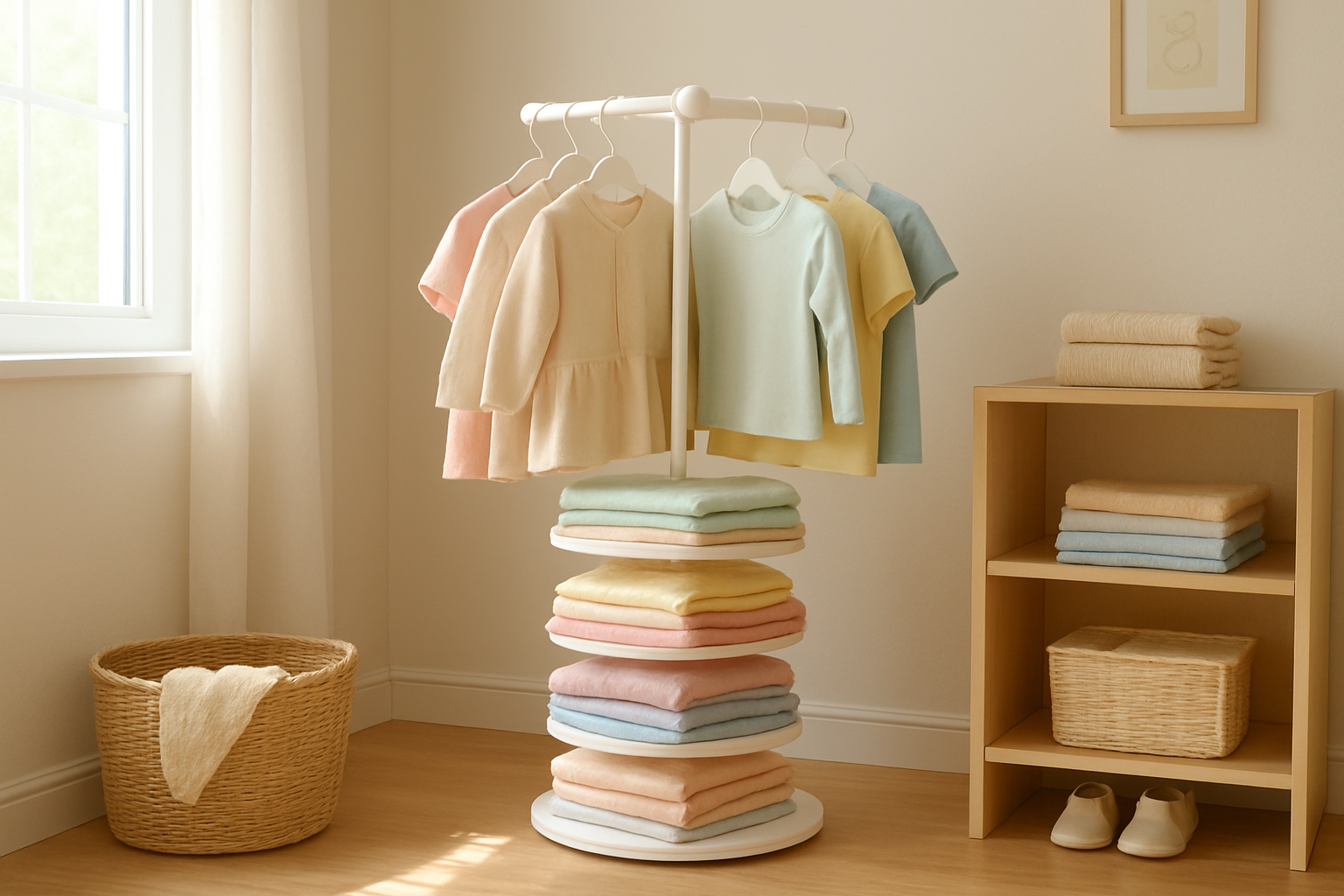
A curated wardrobe rotation is at the heart of every children's clothing service.
How a Children's Clothing Service Works: Subscription Models Explained
Generally speaking, there are three dominant models in today's kids clothing subscription market, and understanding the difference matters more than most parents realize before signing up.
1. The Rental-and-Swap Model
Here, parents never own the clothes. Instead, they pay a flat monthly fee for continuous access to a rotating wardrobe, swapping pieces the moment a child grows out of them. This model closely mirrors what Wikipedia describes as a broader clothing rental service, a category that has expanded rapidly from adult fashion into children's wear.
2. The Try-and-Keep Style Box Model
This second model, popularized by style-quiz-based boxes, sends a curated selection based on a child's size and style preferences. Parents keep and pay for what fits and works, then return the rest, often for a small styling credit rather than a rental fee. This suits parents who ultimately want to own favorite pieces rather than send everything back.
3. The Hybrid Exchange Membership
Some providers blend both ideas into a hybrid exchange membership, allowing families to keep favorites permanently while still swapping the rest as sizes change. As a result, hybrid plans often deliver the best of both worlds: ownership flexibility and continuous wardrobe refreshes.
Regardless of which model you choose, the underlying value proposition is the same — a children's clothing service removes the guesswork of buying full-price outfits your child may only wear for a few months.
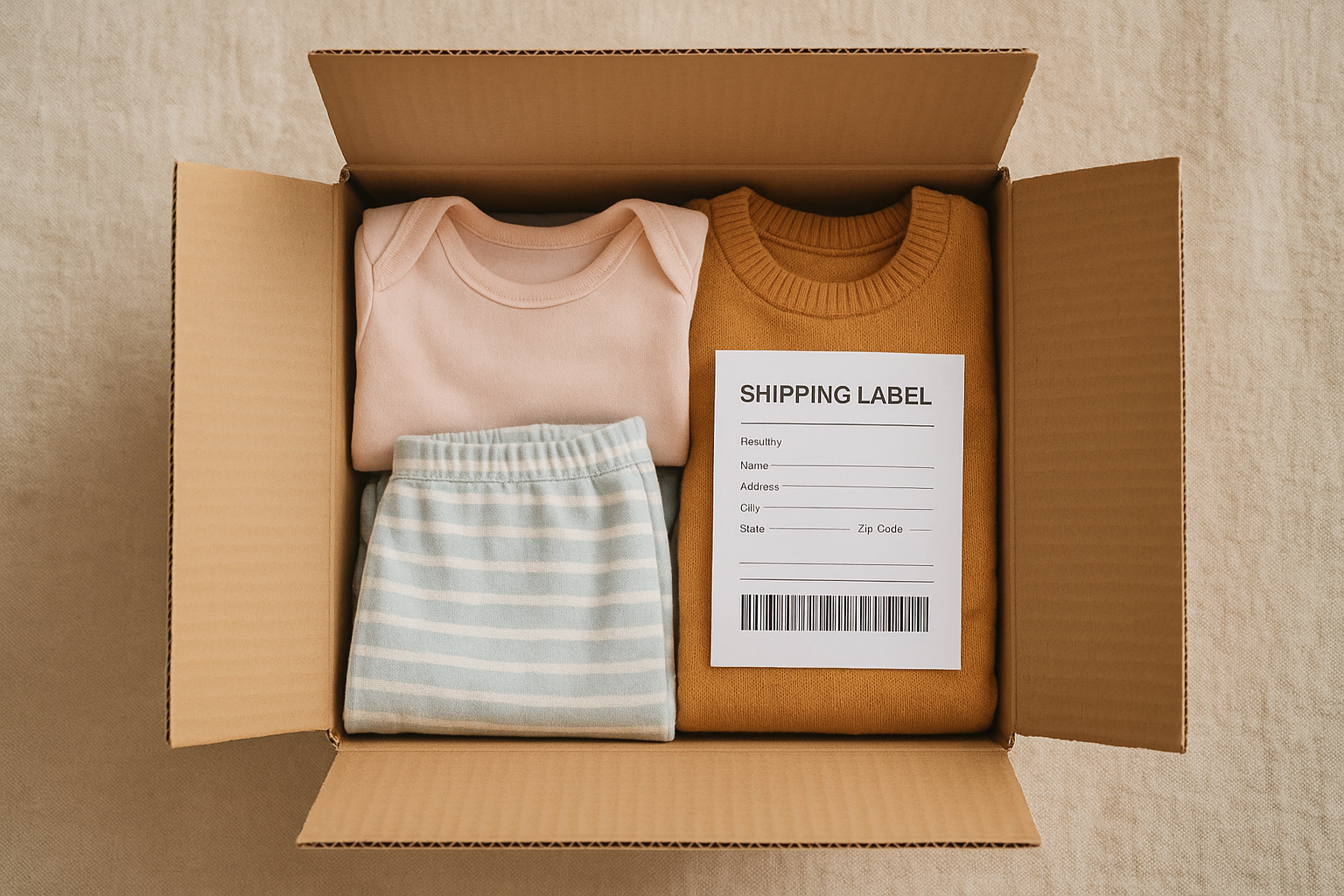
Free two-way shipping makes swapping bundles effortless for busy families.
Step-by-Step: How to Start a Children's Clothing Service Subscription
Signing up is far simpler than most first-time parents expect. Below is the typical path from account creation to your first swap.
- Choose Your Plan and Sizes: Select a membership plan, then share your child's current measurements, age, and style preferences so the team can curate a personalized bundle from day one.
- Receive Your Curated Bundle: Your first box or rotating wardrobe arrives within a few business days, packed with premium pieces from established children's fashion labels that are ready to wear immediately.
- Try, Keep, or Swap: Depending on your plan type, either keep favorites and return the rest for a credit, or simply request a swap once your child outgrows an item using the included free shipping label.
- Repeat or Cancel Anytime: Continue receiving bundles on your chosen schedule, adjust frequency as needed, or cancel the children's clothing service subscription at any time with no long-term contract.
What Sizes and Ages Does a Kids Clothing Subscription Cover?
Most children's clothing exchange services focus on the fastest-growing years, generally newborn through age fourteen, though coverage varies by provider. Some plans specialize narrowly in newborn-to-toddler sizing, while others extend into pre-teen ranges with more grown-up cuts and styles.
Therefore, before subscribing, always confirm that a provider's size chart matches your child's current measurements and expected growth rate over the next few months. This single step prevents the most common source of first-box disappointment.
Children's Clothing Service Pricing: What Does It Really Cost?
Pricing structures differ significantly depending on the model. Rental-style memberships typically charge one flat monthly fee, often starting around fifty dollars, covering unlimited swaps. Try-and-keep style boxes, on the other hand, usually charge a smaller styling fee upfront — commonly around twenty dollars — which gets credited toward whatever items you decide to keep.
Because these structures work so differently, it helps to compare them side by side before deciding which children's clothing service fits your budget.
Cost Comparison Table
| Model | Typical Monthly Cost | Ownership | Best For |
|---|---|---|---|
| Rental & Swap | $50+ flat fee | None — all returned | Fast-growing kids, minimal clutter |
| Try-and-Keep Box | $20 styling fee + item costs | Kept items only | Parents who want to own favorites |
| Buying New Retail | Varies, often $80-150 | Full ownership | Families who resell or hand down |
As the table shows, a children's clothing service usually undercuts the total annual cost of buying new retail outfits every season, especially once resale losses and unused items are factored in.
Is a Children's Clothing Rental or Box Service Better for the Environment?
Sustainability is one of the biggest reasons parents switch. According to the U.S. Environmental Protection Agency, Americans generate more than 11 million tons of textile waste every year, and children's clothing is disproportionately discarded after just a few months of use.
In contrast, both rental and try-and-keep models extend the lifespan of each garment across multiple children, directly supporting the circular economy approach to fashion. Similarly, our deeper breakdown in the children's clothing exchange service guide walks through the waste-reduction math in more detail.
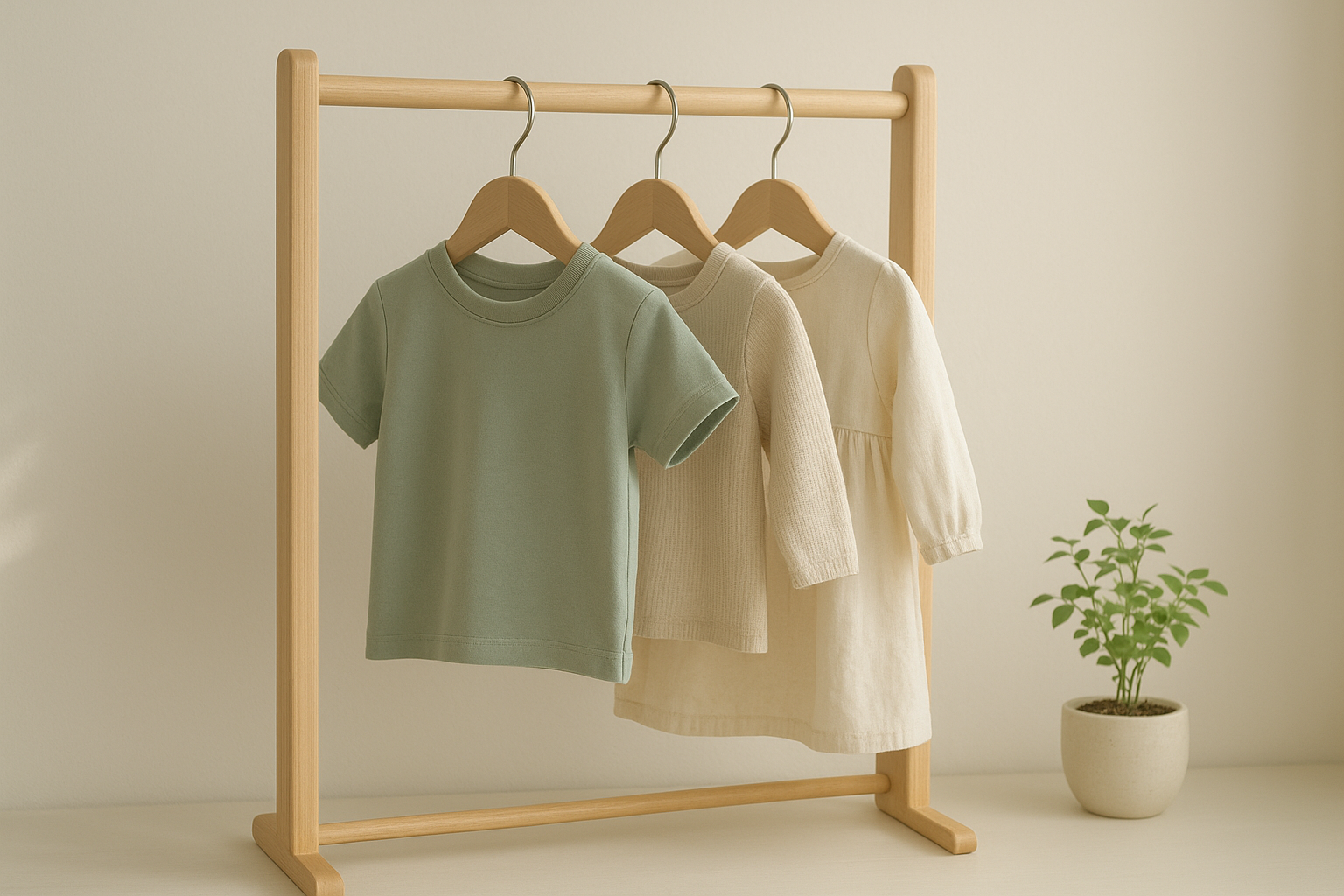
Renting instead of buying keeps quality garments in circulation longer.
Children's Clothing Service vs. Buying New: Full Comparison
Buying new clothing gives full ownership, but it also means absorbing the entire cost even when an item is worn a handful of times. A children's clothing service instead spreads that cost across a predictable subscription, while still granting access to premium brands most parents wouldn't buy at full retail price.
Additionally, subscription models remove decision fatigue. Instead of researching sizes, trends, and store inventory every season, parents simply answer a style profile once and let curators handle the rest. For more on how curated delivery fits daily life, see how kids' fashion gets delivered to your door.
How to Choose the Best Children's Clothing Service for Your Family
Not every provider suits every household. Above all, match the model — rental, try-and-keep, or hybrid — to how your family actually uses clothing.
Questions to Ask Before You Sign Up
- Does the plan allow unlimited swaps, or is there a monthly item cap?
- Is return shipping free, and how long does a swap typically take?
- What happens if an item is stained, torn, or damaged during normal wear?
- Can you cancel or pause the subscription without penalty, per the FTC's rules on subscription cancellations?
- Do bundles include occasion wear for parties, holidays, or family events?
Consequently, asking these five questions upfront prevents the most common regrets parents report after their first month with any children's clothing service.
Common Mistakes Parents Make With Kids Clothing Subscriptions
One frequent mistake is underestimating growth speed and choosing too few items per swap, which leads to gaps in the wardrobe. Another common error is ignoring the cancellation policy entirely before signing up, only to discover restrictive terms later.
Similarly, some parents skip the sizing questionnaire or fill it in carelessly, resulting in a first bundle that doesn't fit well. For a broader overview of avoiding these pitfalls, our children's clothing delivery service guide covers setup best practices in full.
Frequently Asked Questions About Children's Clothing Service
What is a children's clothing service?
A children's clothing service is a subscription program that provides families with kids' apparel — through rental, try-and-keep boxes, or a hybrid model — instead of requiring outright retail purchases every season.
How does a children's clothing rental subscription work?
Parents select a plan, submit sizing and style details, and receive a curated bundle at home. When items no longer fit, they request a swap and ship the old pieces back using free return shipping.
How much does a children's clothing service cost per month?
Rental plans typically start around fifty dollars monthly, while try-and-keep boxes charge a smaller styling fee plus the cost of any kept items. Both usually cost less annually than buying full-price retail clothing.
Is a kids' clothing subscription cheaper than buying new clothes?
In most cases, yes, because a predictable fee replaces multiple retail trips throughout the year. Families also avoid resale losses since outgrown pieces are simply returned rather than sold at a discount.
What sizes does a children's clothing exchange service typically cover?
Coverage varies, but most exchange services span newborn through age fourteen, matching the years when kids grow the fastest. Always confirm size charts before subscribing.
How often can I swap items with a clothing rental membership?
Swap frequency depends on the plan, though many memberships allow unlimited swaps as soon as a child outgrows a piece, with no mandatory waiting period.
What happens if clothing gets stained or damaged?
Reputable providers expect normal wear and generally absorb minor stains or small damage within the membership. Severe damage may incur a small fee, so policies should be confirmed in advance.
Can I cancel a children's clothing service subscription anytime?
Yes, most providers offer no-commitment plans that can be paused or canceled at any time, in line with consumer protections outlined by the FTC's negative option rule.
Is renting kids' clothing environmentally friendly?
Renting extends each garment's life across multiple children, reducing textile waste compared to single-use ownership and supporting a more circular fashion model.
What is the difference between a rental service and a try-and-keep box?
A rental service requires every item to eventually be returned, while a try-and-keep box lets parents purchase and permanently own only the pieces they like best.
How long does shipping take for a clothing swap?
Most swaps arrive within a few business days after a request is submitted, and two-way shipping is typically included at no extra cost.
What common mistakes do parents make when choosing a clothing rental plan?
Underestimating growth speed and skipping the cancellation policy review are the two most frequent errors parents report after joining a service.
Is a children's clothing service worth it for newborns?
Yes, newborns often outgrow sizes within weeks, making a children's clothing service especially cost-effective during this stage since expensive items would otherwise barely be worn.
Does a children's clothing service work for special occasions?
Many providers include dressier pieces suitable for parties, holidays, or family events within regular bundles, letting parents skip a separate one-time purchase for occasion wear.
Final Verdict: Is a Children's Clothing Service Worth It?
Ultimately, a children's clothing service solves one of parenting's most predictable frustrations: kids outgrowing outfits faster than any budget can reasonably keep up. Whether you prefer a full rental model, a try-and-keep style box, or a hybrid exchange, the underlying value is the same — fewer wasted purchases, less closet clutter, and consistent access to well-made apparel.
Therefore, whether you're outfitting a newborn or a busy pre-teen, exploring a children's clothing service like the plans available at Bundle to Bundle remains a low-risk way to test a smarter, more sustainable approach to dressing kids.


