


Access to brand name kids fashion is something every parent deserves, regardless of budget — and with the right strategies, dressing your child in quality labels is far more achievable than most people assume. From curated clothing bundles to smart resale shopping, today's parents have more options than ever to provide well-made, recognizable clothing without overspending.
Children grow fast, which means their wardrobes need constant updating. However, that reality doesn't mean you have to choose between quality and affordability. In fact, understanding how the kids' fashion market works can help you make smarter purchasing decisions that benefit both your child and your wallet.
Why Brand Name Kids Clothing Matters
Brand name children's clothing is more than a status symbol. Because kids are active, rough on their clothes, and constantly growing, the construction quality of what they wear genuinely matters. Higher-quality labels invest in reinforced seams, safer fabric dyes, and materials that hold their shape through dozens of washes.
Additionally, well-made brand name pieces retain resale value far better than fast-fashion alternatives. Therefore, buying quality upfront — especially through secondhand or bundle channels — often costs less over time than repeatedly replacing cheap items that fall apart quickly.
According to research on sustainable fashion, extending the lifespan of clothing through resale and reuse is one of the most impactful ways to reduce textile waste. Choosing durable brand name kids clothing and passing it on aligns perfectly with this principle.
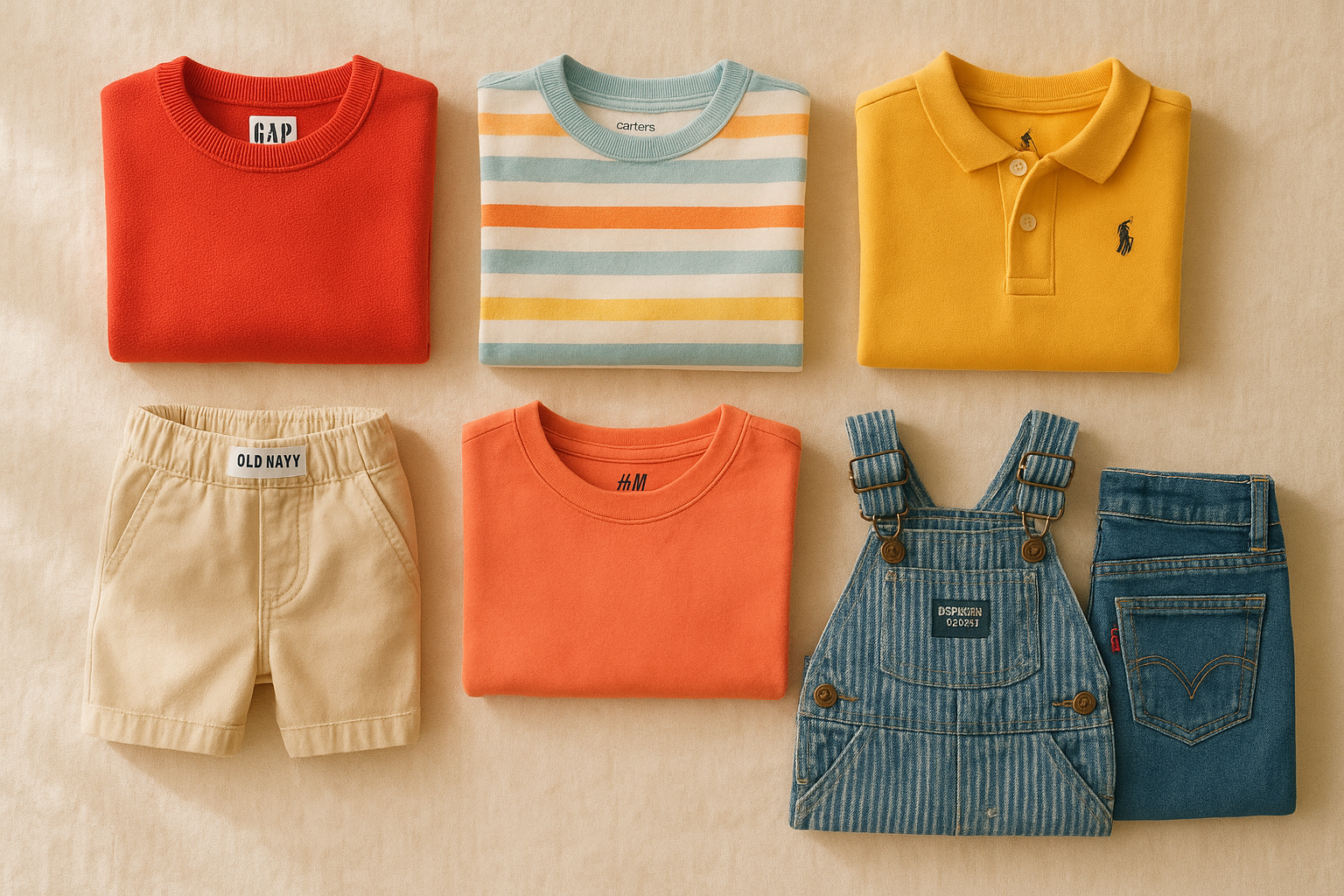
Quality brand name kids fashion pieces hold up through active play and multiple wash cycles.
The Real Barrier: Retail Pricing vs. Family Budgets
The primary obstacle for most families is straightforward: full retail prices for brand name children's clothing are steep, especially when a child can outgrow an entire size range in just a few months. A single branded jacket or pair of shoes at retail can cost more than an entire seasonal wardrobe purchased through smarter channels.
However, the retail price is rarely the only price available. End-of-season clearance events, resale platforms, and curated bundle services all offer pathways to the same quality garments at a fraction of the original cost. The key is knowing where to look and how to evaluate what you're buying.
Understanding the True Cost Per Wear
A useful framework for evaluating kids' clothing purchases is cost per wear. For example, a $60 brand name jacket worn 80 times costs $0.75 per wear. In contrast, a $15 fast-fashion jacket that falls apart after 20 wears costs $0.75 per wear — the same amount, with none of the resale potential.
When you factor in resale value, quality brand name pieces often end up costing even less. Many parents recover 30 to 50 percent of their purchase price by reselling outgrown items, which effectively reduces the net cost significantly.
How to Get Access to Brand Name Kids Fashion Affordably
Getting access to brand name kids fashion at affordable prices involves a combination of timing, sourcing strategy, and knowing which platforms deliver genuine value. Below are the most effective approaches parents use today.
1. Shop Curated Clothing Bundles
Clothing bundles are one of the most efficient ways to build a child's wardrobe quickly and affordably. Instead of purchasing individual pieces at full price, bundles group multiple brand name garments together at a reduced combined cost. This approach saves time and money simultaneously.
Services like Bundle to Bundle specialize in exactly this model — offering curated pre-loved kids clothing bundles that make quality labels accessible to families at every budget level. As a result, parents can refresh an entire seasonal wardrobe with a single, cost-effective purchase.
2. Leverage Resale and Secondhand Platforms
The secondhand kids' clothing market has grown enormously in recent years. Platforms dedicated to pre-loved children's apparel make it easy to find brand name pieces in excellent condition. Because children often outgrow clothes before wearing them out, secondhand brand name items are frequently in near-new condition.
Meanwhile, selling your child's outgrown brand name pieces on the same platforms creates a virtuous cycle — the proceeds fund the next size up, keeping your net clothing spend low throughout the year.
3. Time Your Purchases Around Sales Cycles
Brand name retailers follow predictable clearance schedules. End-of-season sales — typically in late January and late July — offer discounts of 40 to 70 percent on current-season inventory. Buying one size ahead during these events means your child will have quality clothing ready when they grow into it.
Additionally, outlet stores and brand-specific warehouse events offer similar savings. Therefore, planning your kids' clothing purchases around these cycles rather than buying reactively can dramatically reduce your annual clothing spend.
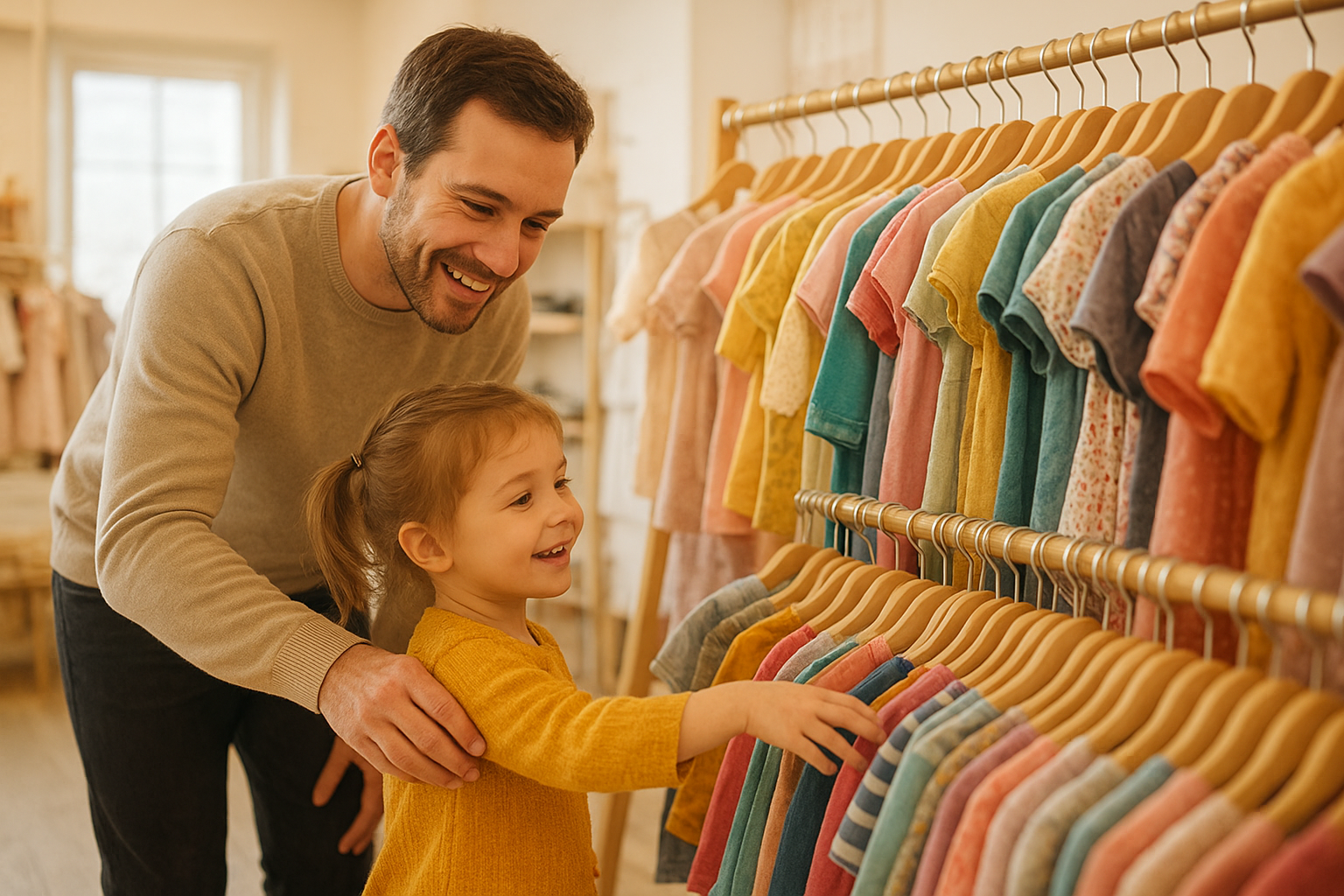
Shopping resale and bundle services gives families affordable access to quality children's labels.
Building a Smarter Kids' Wardrobe
A thoughtful approach to building your child's wardrobe focuses on versatility and longevity rather than volume. Instead of buying many cheap items, selecting fewer high-quality brand name pieces that mix and match easily creates more outfit combinations with less clutter.
First, identify the core categories your child needs most — everyday basics, outerwear, footwear, and occasion wear. Next, prioritize brand name investment in the categories that see the most wear and washing, such as everyday tops, bottoms, and jackets. Finally, fill in occasion wear and specialty pieces through bundles or resale to keep costs down in categories where wear frequency is lower.
Key Labels Known for Quality and Durability
Not all brand name kids clothing is created equal in terms of durability. Labels like Patagonia, Mini Boden, Gap Kids, Carter's, and Hanna Andersson consistently rank highly among parents for construction quality and longevity. These brands also tend to have strong resale markets, which reinforces their long-term value.
In contrast, some premium-priced fashion labels prioritize aesthetics over durability in their children's lines. Therefore, reading parent reviews and checking resale availability before committing to a new brand is always worthwhile.
The Environmental Case for Circular Kids Fashion
Beyond budget benefits, choosing resale and bundle channels for brand name kids clothing has a meaningful environmental impact. The fashion industry is one of the largest contributors to global textile waste, and children's clothing — due to rapid size changes — is a significant part of that problem.
By buying pre-loved brand name pieces and reselling outgrown ones, parents participate in a circular economy that extends the useful life of each garment. Platforms like Bundle to Bundle are built specifically around this circular model, making it easy for families to both receive and pass on quality kids' clothing.
As a result, choosing circular kids fashion is simultaneously a financial decision and an environmental one — a rare alignment of personal and planetary benefit that makes the choice even more compelling.
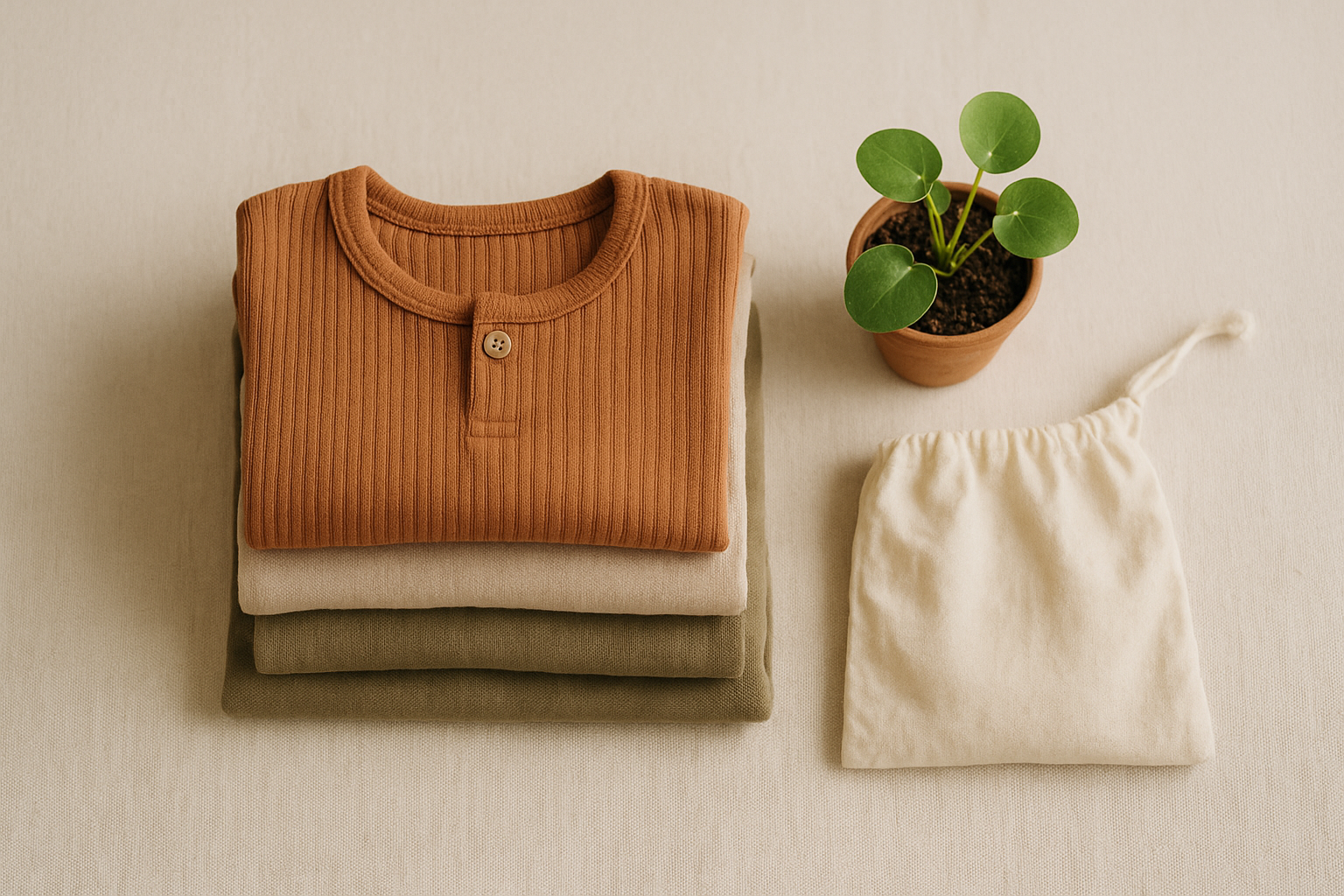
Circular fashion models reduce textile waste while keeping brand name kids clothing accessible and affordable.
Common Mistakes Parents Make When Buying Kids Clothing
Even well-intentioned parents fall into purchasing patterns that cost more over time. Understanding these common mistakes helps you avoid them and make smarter decisions from the start.
Buying too many items in the current size. Because children grow unpredictably, stocking up heavily in the current size often leads to waste. Instead, buy a moderate quantity in the current size and invest in one or two quality pieces in the next size up.
Prioritizing novelty over versatility. Trendy prints and novelty graphics often don't mix and match well, limiting outfit combinations. In contrast, classic colors and simple patterns from quality brands offer far more flexibility and longer relevance.
Ignoring resale potential at the point of purchase. Before buying any brand name kids item, it's worth checking its resale value. Doing so helps you estimate the true net cost and informs whether the purchase represents genuine value.
Frequently Asked Questions
What does access to brand name kids fashion actually mean?
Access to brand name kids fashion means being able to obtain quality, recognizable children's clothing labels without necessarily paying full retail prices. It includes strategies like buying bundles, shopping resale platforms, or using services that pass savings directly to parents.
Why is brand name kids clothing considered worth the cost?
Brand name kids clothing is typically made with higher-quality fabrics and stronger construction, meaning it holds up through active play and repeated washing. Additionally, it retains resale value better than fast-fashion alternatives, reducing the true long-term cost.
How can I find brand name kids clothes at a lower price?
You can find brand name kids clothes at lower prices through clothing bundle services, resale apps, end-of-season sales, and community swap groups. Services like Bundle to Bundle offer curated pre-loved bundles that make designer children's clothing genuinely accessible.
What are clothing bundles for kids?
Kids clothing bundles are curated sets of multiple garments sold together at a reduced combined price. They are an efficient way to refresh a child's wardrobe with several brand name pieces in a single purchase.
Is secondhand brand name kids clothing safe and hygienic?
Yes, secondhand kids clothing is safe when properly washed before use. Reputable resale services inspect and clean items before shipping, so parents receive garments that are ready to wear immediately.
Which brand name kids fashion labels offer the best durability?
Labels such as Patagonia, Mini Boden, Gap Kids, Carter's, and Hanna Andersson are widely recognized for durability. These brands use reinforced seams and quality fabrics that withstand repeated washing and energetic daily wear.
How often should I update my child's wardrobe?
Most children need a wardrobe refresh every six to twelve months due to growth spurts. Buying brand name pieces that can be resold or passed down helps offset the ongoing cost of updating clothing sizes throughout childhood.
What is the difference between fast fashion and brand name kids clothing?
Fast fashion prioritizes low cost and rapid production, often using lower-quality materials that wear out quickly. Brand name kids clothing, in contrast, typically invests in better construction, safer dyes, and longer-lasting fabrics that justify the higher initial price.
Can buying brand name kids clothing be environmentally responsible?
Yes, especially when you buy secondhand or through bundle resale services. Extending the life of quality garments reduces textile waste and lowers the environmental footprint compared to repeatedly buying cheap fast-fashion items that end up in landfill.
What should I look for when buying kids clothing bundles online?
Look for bundles that specify brand names, sizes, and condition ratings clearly. Trusted services also include return policies and detailed descriptions or photos of each item included in the bundle.
Are there subscription services for brand name kids fashion?
Yes, several services offer subscription or recurring bundle models for children's clothing. These services curate brand name pieces based on your child's size and style preferences, delivered on a schedule aligned with typical growth cycles.
How do I know if a kids clothing deal is genuinely good value?
Compare the per-item cost within a bundle against the original retail price of each brand name piece. A genuinely good deal typically saves at least 40 to 60 percent off the combined retail value of the individual items included.
Making the Most of Your Kids' Clothing Budget
Ultimately, access to brand name kids fashion comes down to strategy rather than spending power. By combining smart sourcing — bundles, resale, and well-timed sales — with a focus on versatile, durable pieces, any family can dress their children in quality labels without financial strain.
The most effective approach treats kids' clothing as a circular investment: buy quality, care for it well, and resell or pass it on when outgrown. Over time, this cycle dramatically reduces net clothing costs while keeping children consistently well-dressed in pieces built to last.
Whether you're just starting to explore smarter kids' fashion shopping or looking to refine an existing approach, the strategies outlined here provide a clear, actionable path forward. Quality, affordability, and sustainability are not competing goals — with the right resources, they work together seamlessly.


