


Affordable designer kids clothes are within closer reach than most families realize, especially once you understand that quality apparel does not have to mean full retail price. Between rental subscriptions, resale marketplaces, outlet sales, and community swaps, parents can dress their children in premium, well-made pieces without draining the family budget every time a growth spurt hits. In fact, because kids often outgrow sizes every few months, finding a smarter way to shop is not just a nice idea — it is a financial necessity for most households.
This guide walks through every practical way to access quality children's fashion on a real budget, including subscription-based rental services like Bundle to Bundle, which curates rotating wardrobes from top-tier labels for families with kids from newborn to age seven. Unlike a typical outlet retailer that simply marks down past-season stock, a rental model keeps each garment circulating between families long after one child outgrows it — which matters just as much for your wallet as it does for the planet.
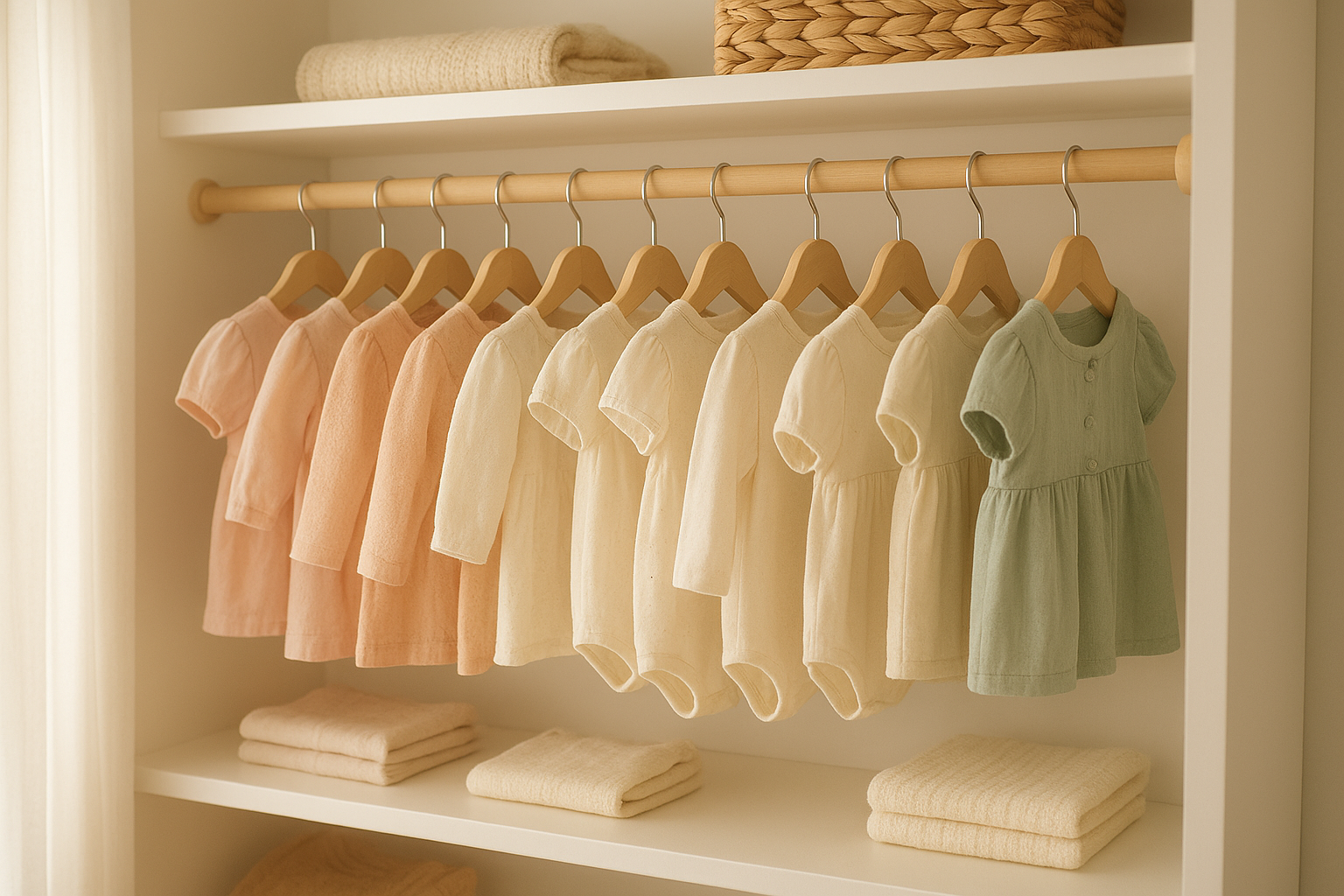
A well-organized wardrobe makes it easier to spot when affordable designer kids clothes are worth adding.
What Are Affordable Designer Kids Clothes?
Affordable designer kids clothes are premium-brand children's garments obtained at a reduced cost through rental, resale, outlet sales, or swapping, rather than full retail purchase. This lets families enjoy better fabrics and construction without the price tag typically attached to designer labels.
"Designer," in this context, simply means clothing made by established children's fashion brands known for durable materials and thoughtful design, rather than mass-produced, single-season pieces. Consequently, the phrase describes an approach to shopping, not just a price point. As a result, parents who understand this distinction can make more informed decisions about where to spend and where to save — whether that means an outlet clearance rack, a resale app, or a rotating rental box.
Above all, the goal is smarter access to quality garments, not simply the lowest possible sticker price. A ten-dollar outfit worn twice before it falls apart is not actually cheaper than a rented designer piece worn all season and then swapped out.
Why Do Designer Kids' Clothes Cost So Much?
Premium children's apparel has become more expensive in recent years, partly because of rising material costs and partly because of demand for higher-quality, longer-lasting fabrics. However, the core issue for most families is not the price of a single item; it is how quickly that item becomes useless.
According to pediatric growth patterns tracked by the CDC's growth chart data, young children typically move through clothing sizes every three to four months during their first several years. Therefore, a fifty-dollar outfit purchased outright might only be worn a handful of times before it no longer fits. In addition, fast fashion alternatives, while cheaper upfront, often wear out after a few washes, which pushes parents right back into another purchase cycle. For a deeper look at the mechanics behind this cycle, the Wikipedia overview of fast fashion explains how production speed affects both cost and quality.
In contrast, a well-made designer garment can survive multiple wash cycles, multiple seasons, and often multiple children — provided it gets passed along instead of retired to the back of a drawer. That single fact is the entire economic case for renting, reselling, and swapping instead of buying new every time.
How to Find Affordable Designer Kids Clothes
Finding budget-friendly premium fashion for kids is easier when you follow a clear process rather than shopping randomly. The steps below outline a practical approach that many families use, from wardrobe audits through to tracking value over time.
- Audit your child's current wardrobe. Sort through what still fits and what needs replacing before making any new purchase, so you shop with a clear list rather than on impulse.
- Compare rental subscription options. Look for services offering free two-way shipping and flexible swaps, since this directly affects long-term value.
- Check resale and consignment marketplaces. Gently used designer pieces often sell for a fraction of their original price, particularly for barely-worn occasion wear.
- Browse outlet and clearance sales for genuine past-season stock. Outlet retailers can be useful for staple basics, but remember every piece still requires a fixed-size, one-time purchase with no built-in swap option.
- Join a local clothing swap group. Trading directly with other parents can eliminate cost entirely for certain items.
- Track cost per wear before buying. Estimate how many times an item will realistically be worn before committing to a purchase, so the true value is clear upfront.
For more ideas specific to everyday shopping, this guide to affordable options for kids clothes breaks down additional budget strategies worth considering.
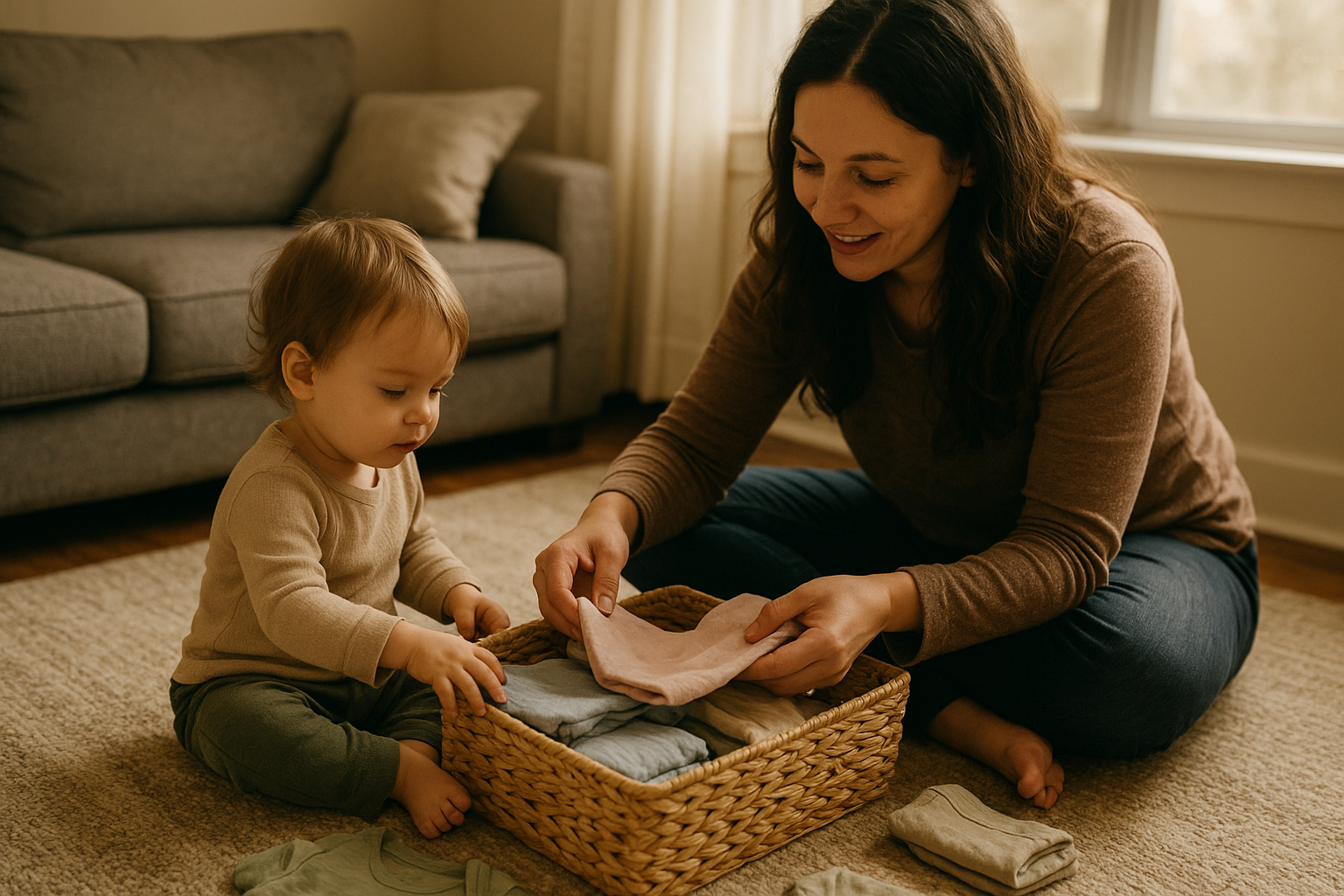
Regularly sorting outgrown pieces helps families decide when to swap for new affordable designer kids clothes.
Renting vs. Buying vs. Outlet Shopping: Which Saves More?
Budget-friendly kids clothing can come from several sources, but each option carries a different long-term value. Below is an honest breakdown of the four most common paths families use.
Rental Subscriptions
A rental subscription bundles the cost of multiple pieces into one flat monthly fee, which often works out cheaper than buying each item separately at retail. Furthermore, free two-way shipping removes the hassle of returns, packaging, or reselling outgrown clothes yourself. Many services, including designer rental options built specifically for kids, structure boxes around a child's current size so parents never have to guess ahead.
Buying Basics Outright
Buying works well for heavy-rotation basics that get used across sizes, such as certain layering pieces or shoes. That said, buying makes far less financial sense for occasion wear or seasonal pieces a child outgrows before they've worn it more than a few times.
Outlet and Clearance Sales
Outlet stores discount genuine designer stock, often past-season, which can be a reasonable way to buy basics at a lower upfront cost. However, an outlet purchase is still a one-time, fixed-size transaction: there's no built-in mechanism to trade the item back in once your child grows, and popular sizes sell out quickly during peak sale periods. In practice, outlet shopping solves the price problem but not the growth-spurt problem.
Resale Marketplaces
Resale platforms let you buy gently used designer pieces and, later, resell them again once your child moves up a size. This creates a small secondary market that stretches value further than a single outlet purchase, though it does require time spent listing, photographing, and shipping items yourself.
As a result, many families find that a mixed approach — renting for growth-heavy years, buying only staple basics, and occasionally checking outlet or resale sites for specific gaps — delivers the best balance of cost and convenience. According to the Wikipedia entry on clothing rental services, this circular model is expanding well beyond adult fashion into children's apparel specifically because of how quickly kids outgrow items. This comparison is explored further in this piece on designer kids clothing rental and how it helps families save money.
The Sustainability Angle Behind Affordable Kids Fashion
Eco-friendly children's fashion is closely tied to affordability, since both rely on getting more use out of each garment. When one child outgrows an item, that piece can move on to another family instead of ending up in a landfill. Consequently, rental and resale models reduce the overall demand for new clothing production, which lowers the environmental footprint tied to manufacturing and shipping.
The U.S. Consumer Product Safety Commission maintains guidelines on children's clothing and textile safety, which apply whether an item is bought new, bought secondhand, rented, or passed between families. Therefore, sustainable shopping does not mean sacrificing safety standards; it simply means extending the useful life of well-made garments while still meeting the same flammability and material requirements every piece must pass.
Tips for Building a Stylish, Budget-Friendly Wardrobe
Cost-effective designer apparel for kids is easiest to manage with a few consistent habits. First, favor neutral basics that mix and match easily, since this reduces the total number of pieces needed at any given time. Second, prioritize higher spending on items that see the most wear, such as outerwear, while saving on occasional pieces through rental, resale, or outlet clearance.
In addition, keeping a simple record of sizes and seasonal needs helps avoid impulse purchases that rarely get worn. Similarly, setting a monthly or seasonal clothing budget, rather than shopping reactively, keeps spending predictable. For families exploring resale specifically, this resource on where to find affordable premium clothing for kids offers additional practical starting points, as does this complete guide for budget-savvy parents. It's also worth reviewing this smart parent's guide to accessing brand-name kids fashion for a broader view of where quality and price actually meet.
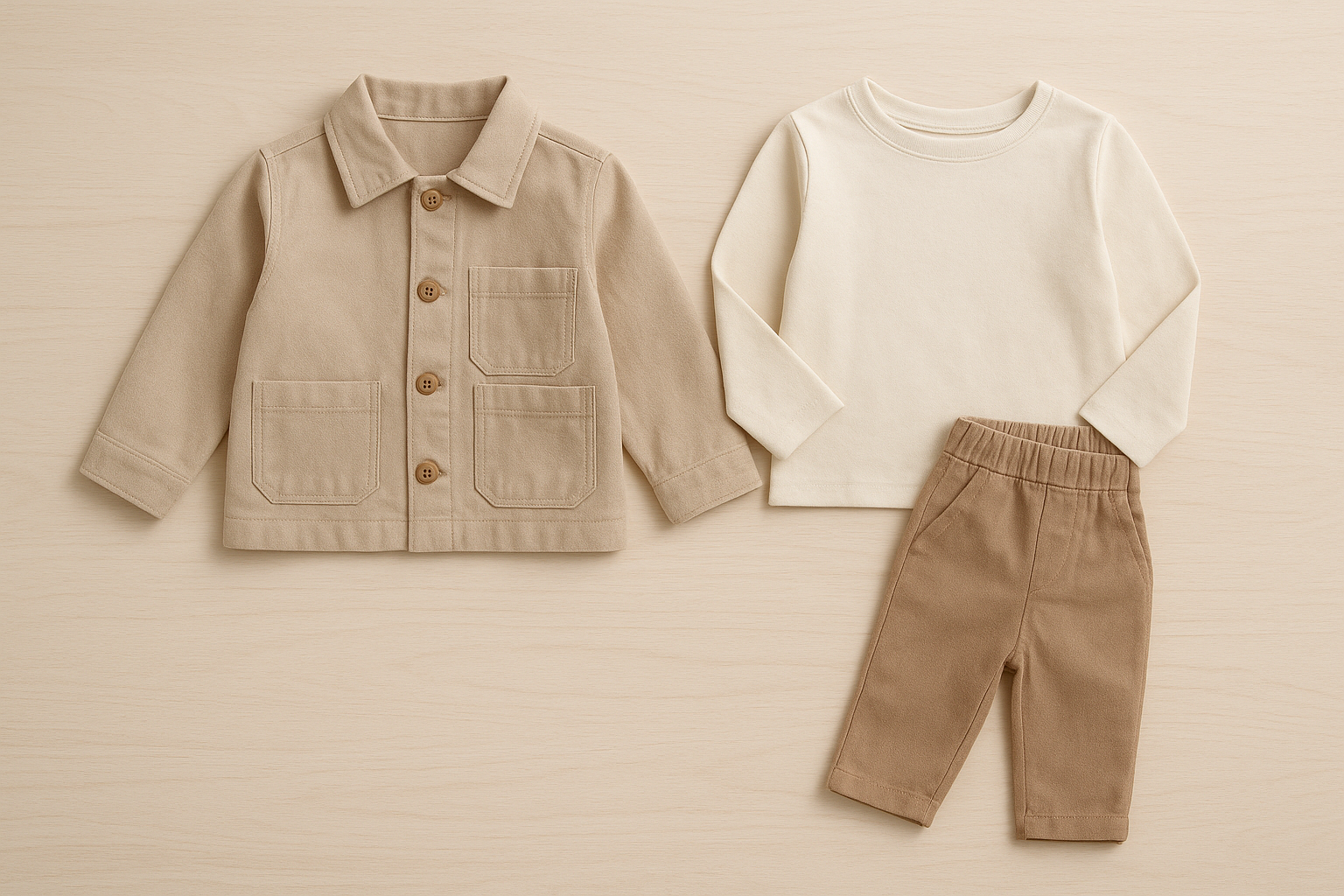
Neutral, mix-and-match basics stretch a family's clothing budget further.
How to Spot Genuine Designer Quality
Whether you're buying secondhand, checking an outlet rack, or receiving a rental box, it helps to know what actually separates designer construction from a fast-fashion lookalike. Specifically, look at the stitching first: designer pieces typically use tighter, more even seams that hold up through repeated washing.
Next, check the fabric composition label. Higher-quality children's brands tend to use natural fiber blends, such as cotton or wool blends, rather than 100% synthetic material, because natural fibers breathe better and wear more evenly over time. In particular, pay attention to buttons and zippers — designer pieces generally use reinforced attachment points that survive an active toddler far longer than a budget alternative.
Finally, if you're buying resale or renting, ask whether the service sources directly from verified brand inventory rather than unverified third-party sellers. This single question protects you from counterfeit risk far more effectively than price alone. For families who want stylish options that grow with an active child, this guide on finding stylish clothes for a growing child covers this authenticity question in more depth.
A Growing Trend: Premium Style Without the Full Price
As a result of rising awareness around both cost and sustainability, more families are moving away from one-time purchases and toward flexible, rotating wardrobes. Above all, this shift reflects a broader change in how parents think about kids' fashion: not as a series of purchases, but as an ongoing, manageable system. For a broader perspective on this shift, this smart style guide for growing kids covers how premium fashion fits into a realistic family budget.
Frequently Asked Questions
What are affordable designer kids clothes?
Affordable designer kids clothes are premium-brand children's garments obtained at a lower cost through rental subscriptions, resale, outlet sales, or swapping instead of full retail purchase. This lets families access quality fabrics without paying designer prices for items kids will quickly outgrow.
How can parents save money on designer children's clothing?
Parents can save by joining a clothing rental subscription, shopping resale marketplaces, buying off-season, checking outlet clearance racks, and swapping with other families. These methods reduce the per-wear cost of premium apparel significantly.
Is renting kids' clothes cheaper than buying?
Yes, renting is often cheaper over time because one monthly fee covers a rotating wardrobe instead of repeated full-price purchases. It also removes hidden costs like returns or reselling outgrown items yourself.
What age range works best for kids' clothing rental services?
Rental services generally work best for children from newborn through age seven, since growth spurts happen most frequently during this window. Sizes change every few months, making rental more practical than buying.
How often do children outgrow their clothes?
Young children typically outgrow clothing sizes every three to four months during their first few years. This rapid growth is a major reason families overspend on kids' fashion.
Are rental clothing services sustainable?
Yes, rental services extend the life of each garment by passing it between multiple families instead of discarding it. This reduces textile waste and lowers overall demand for new clothing production.
What brands are typically included in kids' clothing rental boxes?
Curated rental boxes usually include top-tier children's fashion labels known for durable fabrics and thoughtful design. The exact mix varies by provider and by the child's age and size.
How much does a children's clothing subscription cost per month?
Many children's clothing subscriptions start around fifty dollars per month for a curated, swappable wardrobe. Pricing usually depends on how many pieces are included and how often items can be exchanged.
Can I cancel a kids' clothing rental subscription anytime?
Most reputable services, including no-commitment membership models, allow cancellation at any time without penalty. This flexibility makes rental a low-risk way to try affordable designer kids clothes.
What is the difference between fast fashion and designer kids clothing?
Fast fashion prioritizes low-cost, rapid production, often at the expense of durability. Designer children's clothing emphasizes higher-quality materials built to withstand repeated wear and washing.
How do I know if a rental clothing service is worth it?
A rental service is worth it if it saves money compared to buying new, includes free shipping, and offers flexible swaps as your child grows. Comparing the monthly fee against typical retail prices helps confirm the value.
What's the biggest mistake parents make when buying kids clothing?
The most common mistake is buying full-price, single-use items in a fixed size instead of planning for rapid growth. This leads to closets full of barely worn clothes and unnecessary spending over time.
Are outlet and clearance designer kids clothes genuine?
Reputable outlet retailers typically sell genuine, past-season designer stock at a discount, so authenticity is usually not the concern. However, outlet purchases still lock you into a fixed size with no built-in way to trade the item back in once your child grows.
What's the difference between outlet shopping and renting designer kids clothes?
Outlet shopping means buying discounted, past-season designer pieces outright with no return or swap mechanism. Renting, by contrast, provides a rotating wardrobe for a flat monthly fee, so the clothing keeps moving as your child grows instead of sitting unused.
Do designer kids clothes hold resale value?
Yes, well-maintained designer children's clothing often retains meaningful resale value, especially gently worn occasion pieces from recognized brands. This resale value is part of why renting or reselling tends to beat one-time buying on overall cost.
How can I tell if a rental clothing service sources authentic designer brands?
Check whether the service publishes its brand partnerships and sources inventory directly rather than through unverified third-party sellers. A transparent rental provider will typically list its brand roster and condition standards clearly on its site.
Conclusion
Affordable designer kids clothes are within reach once families understand that the goal is smarter access, not just lower prices. Whether through a rental subscription, a resale marketplace, an outlet clearance sale, or a well-planned swap group, there are multiple realistic paths to dressing children in quality clothing without constant repurchasing. Ultimately, combining a few of these strategies, while keeping cost-per-wear and authenticity in mind, gives parents a practical and sustainable way to manage a growing child's wardrobe year after year.


