

Sustainable kids clothing is one of the most impactful choices a modern family can make — not just for the planet, but for their household budget and their child's health. Children grow at a remarkable pace, and as a result, families replace wardrobes multiple times a year. In fact, according to the U.S. Environmental Protection Agency, Americans generated over 17 million tons of textile waste in a single recent year — and children's clothing contributes significantly to that figure. Fortunately, there are smarter, greener ways to keep kids dressed well.
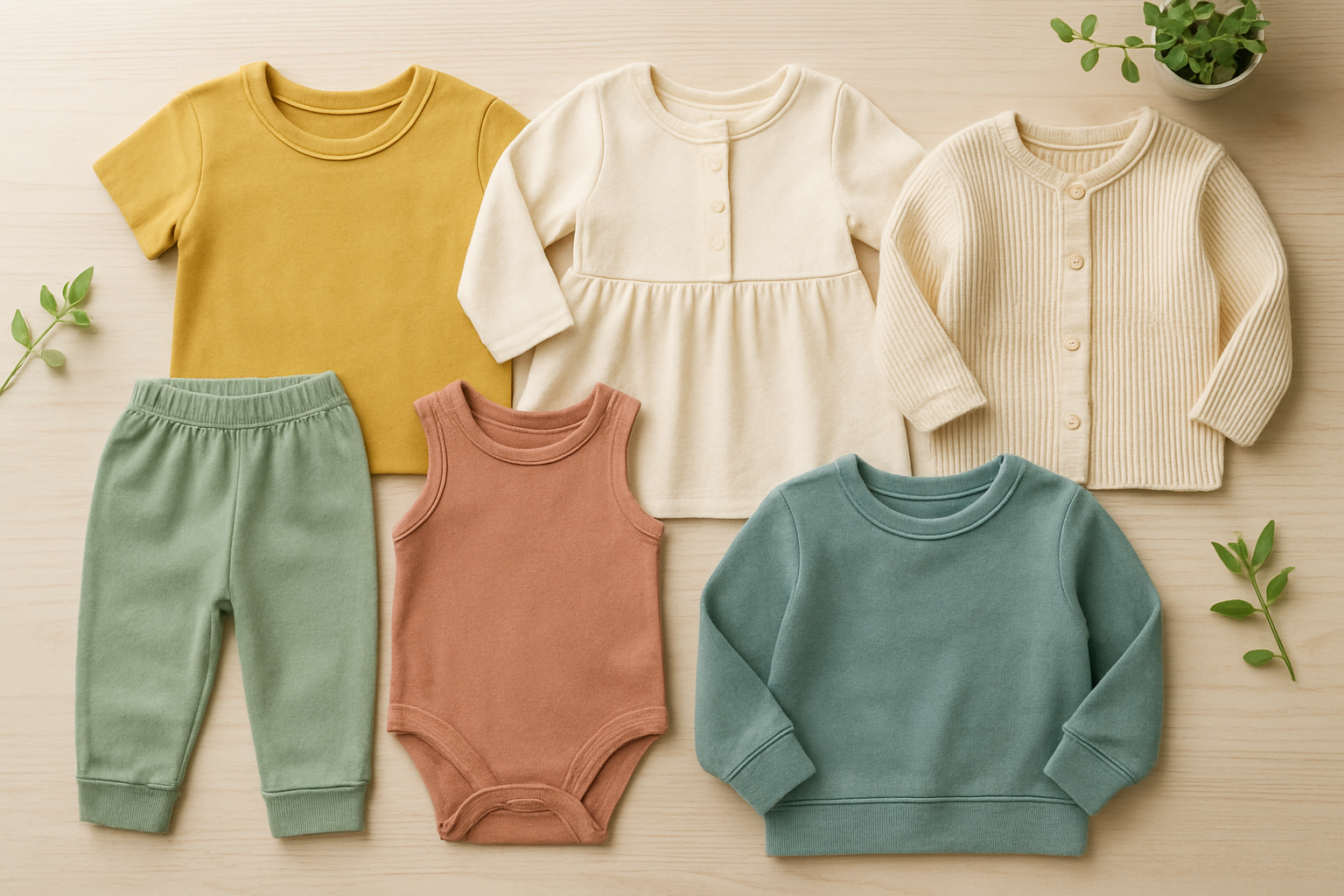
A curated selection of sustainable kids clothing made from certified organic and natural fabrics — stylish, safe, and kind to the planet.
What Is Sustainable Kids Clothing?
Sustainable kids clothing is children's apparel that is designed, produced, and managed in ways that reduce environmental harm and support ethical labor practices. This means garments crafted from organic, recycled, or low-impact materials — and ideally, clothing that stays in use as long as possible through resale, swapping, or rental models.
The concept goes beyond simply choosing "natural" fabrics. Truly sustainable children's fashion considers the full lifecycle of a garment: how its raw materials were grown, how the item was manufactured, how it travels to the consumer, and what happens when a child outgrows it. Therefore, a holistic approach is essential for families who want to make a genuine difference.
Why Children's Clothing Specifically Needs a Sustainable Approach
Unlike adult wardrobes, children's clothing cycles through at a staggering rate. A baby may need new sizes every two to three months in the first year alone. Consequently, the volume of discarded garments per household is far higher than for adults. Many of these items are barely worn before they're outgrown, which makes the case for circular fashion — renting, swapping, or buying secondhand — especially compelling for young families.
Furthermore, children's skin is more sensitive than adult skin, making the absence of harmful chemical dyes and finishes particularly important. Choosing certified organic or toxin-free fabrics is therefore both an environmental and a health decision.
Key Certifications to Look For in Eco-Friendly Children's Apparel
Not all sustainability claims are created equal. In fact, greenwashing — the use of vague "green" language without substantive environmental commitments — is widespread in the fashion industry. To cut through the noise, look for these credible third-party certifications:
- GOTS (Global Organic Textile Standard): Covers the entire production chain, from raw fiber to finished garment, ensuring organic inputs and ethical manufacturing. Learn more at the GOTS official website.
- OEKO-TEX Standard 100: Certifies that every component of a garment has been tested for harmful substances. Details are available at OEKO-TEX.
- BLUESIGN: Focuses on responsible resource use in textile manufacturing, including water, energy, and chemical management.
- Fair Trade Certified: Ensures that workers throughout the supply chain are paid fairly and work in safe conditions.
When shopping for your child's wardrobe, specifically look for these labels rather than relying on brand marketing alone. They provide meaningful, verifiable assurance about what your child is wearing.
The Best Sustainable Fabrics for Kids
Fabric choice is central to any eco-friendly clothing decision. Some materials have a dramatically lower environmental footprint than others. Here are the top sustainable fabric options for children's clothing:
- Organic cotton: Grown without synthetic pesticides, it uses up to 91% less water than conventional cotton according to the Textile Exchange. Soft, breathable, and gentle on sensitive skin.
- TENCEL (lyocell): Made from sustainably sourced wood pulp in a closed-loop production process that recycles water and solvents. Exceptionally soft and biodegradable.
- Recycled polyester: Made from post-consumer plastic bottles, it diverts waste from landfills and uses less energy than virgin polyester. Ideal for activewear and outerwear.
- Bamboo: Fast-growing and requiring no pesticides, bamboo fabric is naturally antibacterial and moisture-wicking — though look for mechanical rather than chemical processing methods.
How to Build a Sustainable Kids Clothing Wardrobe: Step by Step
Building a greener wardrobe for your child doesn't have to be overwhelming. In fact, a simple, structured approach makes the process straightforward and even enjoyable. Follow these five steps:
- Audit your child's current wardrobe. Sort through every item and identify what fits, what's worn out, and what's never been used. Donate or swap items in good condition rather than discarding them.
- Identify upcoming clothing needs. Think ahead three to six months. Focus on versatile, mix-and-match pieces rather than single-use novelty items that quickly lose relevance as your child grows.
- Choose sustainable sourcing methods. Decide whether you'll shop certified sustainable brands, buy secondhand, join a clothing swap group, or subscribe to a rental service. Combining methods gives you the best balance of sustainability and variety. For a comprehensive overview, read our eco-friendly kids clothes complete guide. For a deeper walkthrough, see our The Complete Guide to Kids Clothing Rental in 2026.
- Check for credible eco-certifications. When buying new items, verify GOTS or OEKO-TEX labels. These certifications confirm environmentally responsible production and freedom from harmful chemicals.
- Establish a care and rotation routine. Wash at lower temperatures, air-dry when possible, and repair minor damage promptly. If you're using a rental subscription, swap items as your child grows rather than waiting until clothes are completely unwearable.
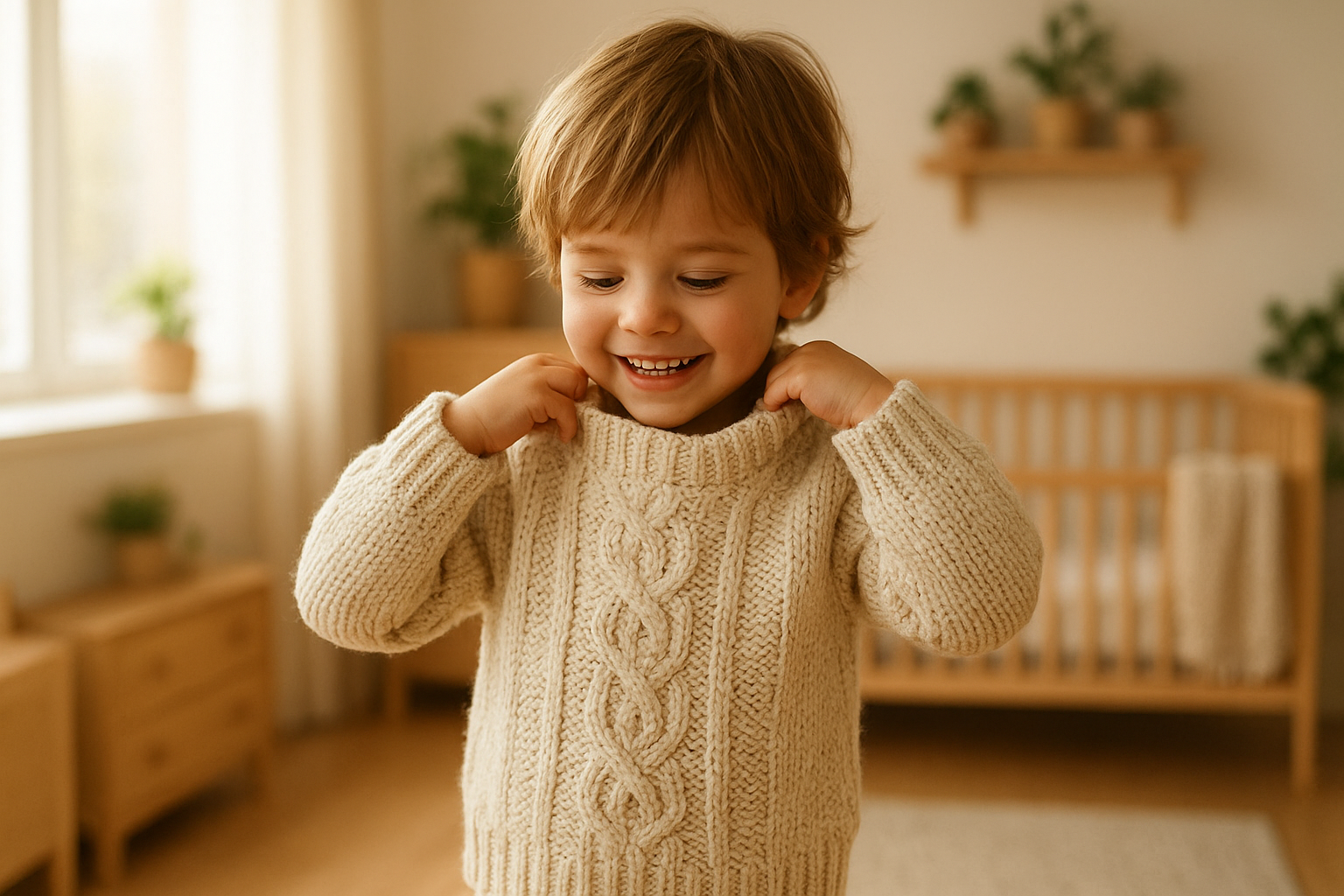
Children dressed in thoughtfully sourced, eco-friendly garments — comfort and conscience working together.
The Circular Fashion Solution: Renting Instead of Buying
One of the most powerful and practical approaches to sustainable kids clothing is the circular model: renting or subscribing rather than buying outright. This approach keeps high-quality garments circulating among multiple families, dramatically extending the useful life of each piece and reducing overall textile waste.
Services like Bundle to Bundle are built precisely around this philosophy. Designed for families with children from newborn to age seven, the service offers a rotating wardrobe of premium children's apparel through a flexible monthly membership starting at just $50 per month — with free two-way shipping included. As your child grows, you simply swap items for the next size up, eliminating the constant cycle of buying, wearing briefly, and discarding.
Moreover, the no-commitment structure means families can cancel at any time, making it a genuinely low-risk way to access top-tier children's fashion. For environmentally conscious parents who also value quality and variety, this model represents a smarter, more responsible alternative to fast fashion for children. You can also explore our insights on why you should stop buying clothes your kids will wear once.
Why Rental Beats Fast Fashion for Growing Children
Fast fashion for children is particularly wasteful. Items are often worn only a handful of times before a growth spurt renders them useless. In contrast, a rental model ensures that each garment is worn by multiple children across its full useful life. This dramatically improves the garment's "cost per wear" — both financially and environmentally.
Additionally, rental services typically curate from quality brands, meaning the clothes are better made and hold up longer than disposable fast-fashion alternatives. The result is less waste, better value, and better-dressed kids. For more ideas on keeping your child's wardrobe fresh without overbuying, see our guide on how to keep children's wardrobes fresh and stylish.
Practical Tips for More Eco-Friendly Children's Apparel Choices
Beyond certifications and rental models, there are several everyday habits that significantly reduce the environmental footprint of your child's wardrobe:
- Buy one size up: For non-fitted items, purchasing a size larger gives your child more time in each garment, reducing how often you need to replace it.
- Choose neutral, versatile colors: Pieces that mix and match easily across outfits reduce the total number of items needed.
- Wash less frequently: Unless visibly soiled, many children's garments can be aired out and worn again. This reduces water use and extends fabric life.
- Repair rather than replace: A loose button or small tear doesn't mean a garment is finished. Simple mending extends life significantly.
- Organize clothing swaps: Coordinating swaps with other parents in your community is free, social, and highly sustainable. For more ideas, explore our article on eco-friendly options for kids clothing.
Common Mistakes Parents Make With Sustainable Fashion for Kids
Even well-intentioned parents can fall into traps that undermine their sustainability goals. Here are the most common mistakes — and how to avoid them:
Buying too much at once. It's tempting to stock up, especially during sales. However, children grow so quickly that excess purchases often go unworn. Buy only what your child genuinely needs for the current season and size.
Trusting marketing over certification. Terms like "natural," "eco," and "green" have no regulated definition in fashion. Consequently, they can be applied to almost anything. Always look for recognized third-party certifications as your benchmark.
Ignoring secondhand options. Many parents overlook the secondhand market, assuming it means lower quality. In reality, gently used children's clothing is often in excellent condition, given how briefly items are worn before being outgrown. Additionally, our guide on how to make kids clothing more sustainable offers further actionable strategies.
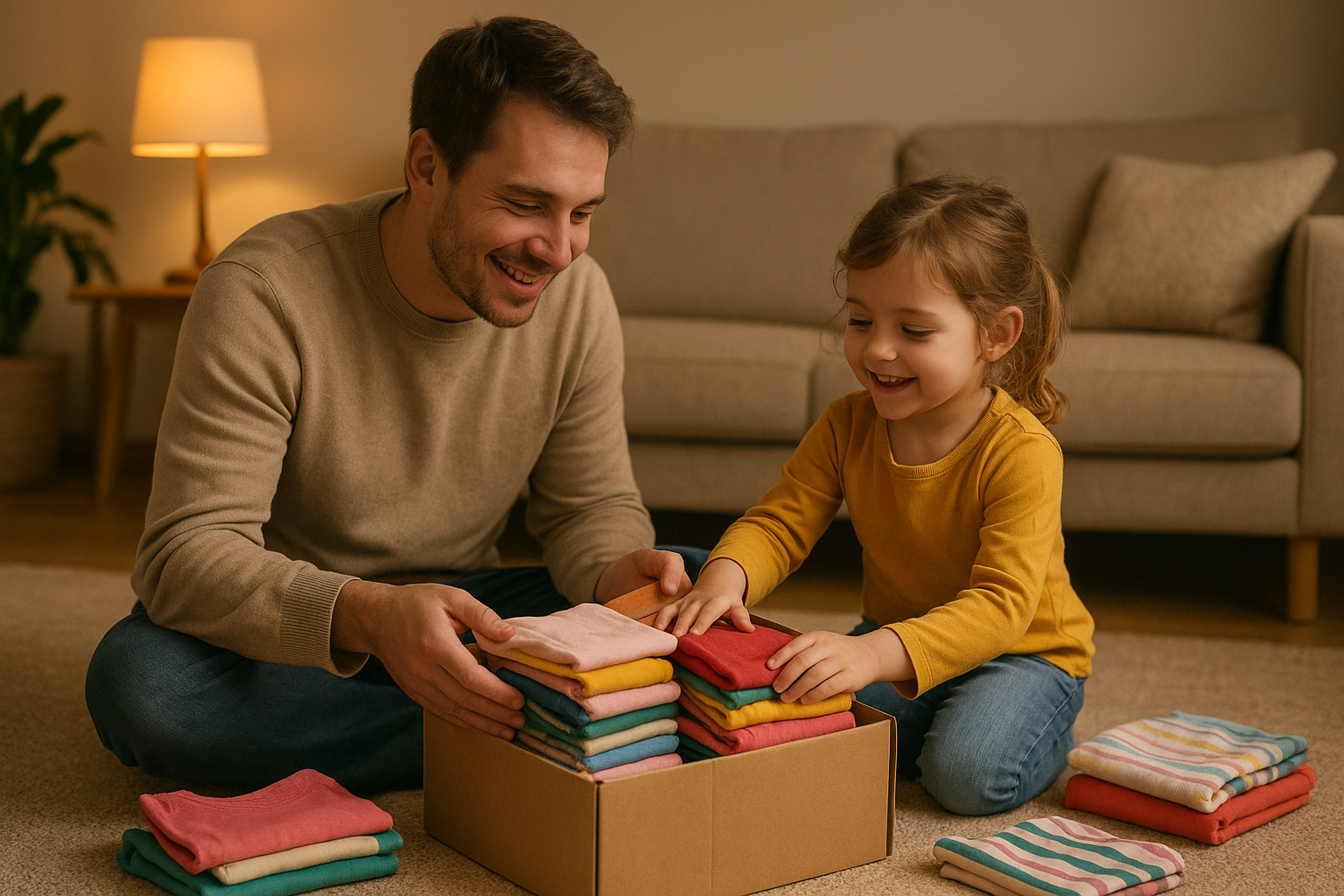
Sorting and rotating children's clothing with intention is a simple but powerful step toward a more sustainable family wardrobe.
Frequently Asked Questions About Sustainable Kids Clothing
What is sustainable kids clothing?
Sustainable kids clothing refers to children's apparel produced, distributed, and managed in ways that minimize environmental harm. This includes garments made from organic or recycled materials, manufactured under fair labor conditions, and designed to last longer or be reused by multiple children.
Why does sustainable kids clothing matter more than adult sustainable fashion?
Children outgrow clothing far faster than adults, meaning families replace kids' wardrobes several times per year. This rapid turnover creates significantly more textile waste per household, making sustainable choices especially impactful for young families.
What certifications should I look for on eco-friendly children's apparel?
Look for GOTS (Global Organic Textile Standard), OEKO-TEX Standard 100, and BLUESIGN certifications. These labels verify that the fabric is free from harmful chemicals and produced under ethical, environmentally responsible conditions.
Is organic cotton really better for kids than conventional cotton?
Yes. Organic cotton is grown without synthetic pesticides or fertilizers, reducing exposure to harmful chemicals for both children and farm workers. It also uses significantly less water than conventional cotton farming.
How can a clothing rental subscription help with sustainable kids clothing?
A clothing rental subscription like Bundle to Bundle allows families to rotate high-quality garments rather than buying new items every few months. This circular model reduces textile waste and keeps premium sustainable clothing in use longer across multiple families.
How much does a kids' clothing rental subscription typically cost?
Services like Bundle to Bundle start at around fifty dollars per month and include free two-way shipping. Compared to buying new premium clothing every season, a subscription can represent significant savings for families with rapidly growing children.
What fabrics are considered most sustainable for children's clothing?
Organic cotton, TENCEL (lyocell), recycled polyester, and bamboo are among the most sustainable fabric options. Each has a lower environmental impact than conventional synthetic or non-organic natural fibers, and each offers practical benefits for children's comfort.
Can I make my child's existing wardrobe more sustainable without buying new clothes?
Absolutely. Extending the life of current garments through proper washing, mending, and passing them on to younger siblings or friends is one of the most sustainable actions a family can take. Swapping clothes with other local families is also highly effective.
What common mistakes do parents make when trying to buy sustainable kids clothing?
A common mistake is buying too many items at once, since children outgrow clothes quickly and excess purchases often go unused. Another pitfall is falling for greenwashing — marketing claims that sound eco-friendly but lack credible third-party certification.
How do I spot greenwashing in children's clothing brands?
Be skeptical of vague terms like "natural," "green," or "eco-conscious" without supporting certifications. Genuine sustainable brands display verifiable third-party labels such as GOTS or OEKO-TEX and provide transparent information about their supply chains.
Are secondhand children's clothes a sustainable option?
Yes, buying secondhand is one of the most sustainable choices available. It extends the useful life of garments, keeps them out of landfills, and is often significantly cheaper than buying new — even from dedicated sustainable brands.
How often should I update my child's wardrobe sustainably?
Rather than following seasonal retail cycles, update your child's wardrobe only when items are genuinely outgrown or worn out. Subscription rental services allow anytime swaps, making it easy to refresh clothing on your child's actual growth schedule rather than a retailer's marketing calendar.
Conclusion: Making Sustainable Kids Clothing Work for Your Family
Sustainable kids clothing is not a single purchase or a one-time decision — it is an ongoing practice built from small, consistent choices. By selecting certified organic fabrics, avoiding greenwashed marketing, embracing secondhand options, and considering circular models like clothing rental subscriptions, families can dramatically reduce their environmental footprint without sacrificing style or quality. Furthermore, the financial benefits are real: fewer impulse purchases, longer garment lifespans, and smarter spending all add up over time. Whether you start by auditing your child's current wardrobe, joining a clothing swap, or exploring a service like Bundle to Bundle, every step toward more sustainable kids clothing is a step in the right direction — for your family and for the planet.


