


Eco-friendly kids clothing delivery is quickly becoming the go-to solution for parents tired of buying outfits their children outgrow within weeks. Instead of purchasing new clothes every few months, families now subscribe to rotating wardrobes that arrive at their door, get worn, and get sent back when they no longer fit. As a result, closets stay clutter-free, budgets stay intact, and fewer garments end up in landfills.
This guide walks through what eco-friendly kids clothing delivery actually means, how the process works from sign-up to swap, and why it has become a practical choice for environmentally minded households. Along the way, we'll look at real numbers behind textile waste, common mistakes to avoid, and answers to the questions parents ask most.
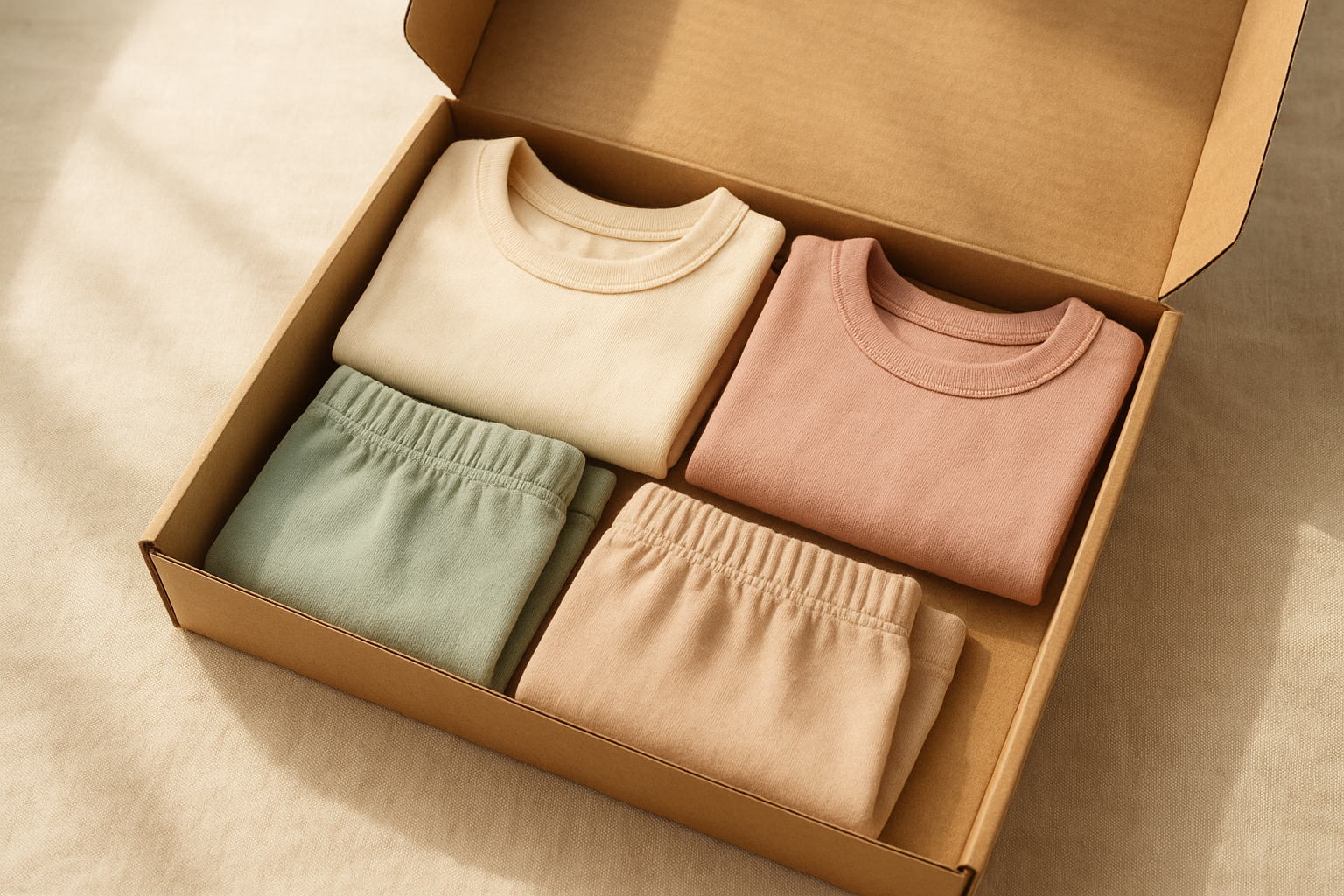
A curated box is the starting point for eco-friendly kids clothing delivery, replacing repeat trips to the mall.
What Is Eco-Friendly Kids Clothing Delivery?
Eco-friendly kids clothing delivery is a subscription-based rental service that ships curated, high-quality children's apparel directly to a family's home and takes it back once it's no longer needed. In short, it replaces one-time purchases with a rotating wardrobe that grows alongside a child.
Unlike traditional retail, where each garment is worn briefly before being outgrown, this model keeps every piece circulating among multiple families. Consequently, the same shirt or jacket might be worn by three or four different children before it's finally retired, dramatically extending its useful life. Because members can swap sizes anytime, there's no need to guess how fast a toddler will grow before committing to a purchase.
Direct answer: Eco-friendly kids clothing delivery lets parents rent a rotating supply of premium children's apparel through a monthly membership, swapping pieces as their child grows instead of buying new clothes outright.
Why Sustainable Kids Apparel Delivery Matters for Modern Families
Children grow at a rapid, unpredictable pace, especially between newborn stage and age seven. As a result, parents often buy clothing that fits for only a season, sometimes just weeks, before it heads to a donation bin or, worse, a landfill. Sustainable kids apparel delivery addresses this cycle directly by treating clothing as a shared resource rather than a disposable one.
In addition to the environmental angle, there's a real financial case. Buying a full wardrobe every time a child moves up a size adds up quickly, particularly for families with more than one child close in age. A membership model spreads that cost into a predictable monthly fee instead of frequent, unplanned shopping trips.
For a deeper look at how this fits into a broader sustainability strategy, this smart parent's guide to sustainable kids apparel delivery breaks down the economics in more detail.
How Eco-Friendly Kids Clothing Delivery Works, Step by Step
Getting started with a clothing rental subscription is more straightforward than most parents expect. Below is the typical process, from sign-up through the first swap.
- Choose a membership plan based on your child's age, the number of items needed, and how often you expect to swap sizes.
- Build your curated wardrobe by selecting specific garments, sizes, and styles from premium children's fashion labels.
- Receive your delivery through free two-way shipping, arriving ready to wear with minimal preparation.
- Wear, swap, or return as needed whenever your child outgrows an item or your seasonal needs shift.
- Ship items back using the provided prepaid mailer so garments can be cleaned and passed on to another family.
Because the structure has no long-term commitment, families can cancel or pause whenever their circumstances change. This flexibility is one reason eco-conscious clothing rental has gained traction among parents who dislike being locked into contracts.
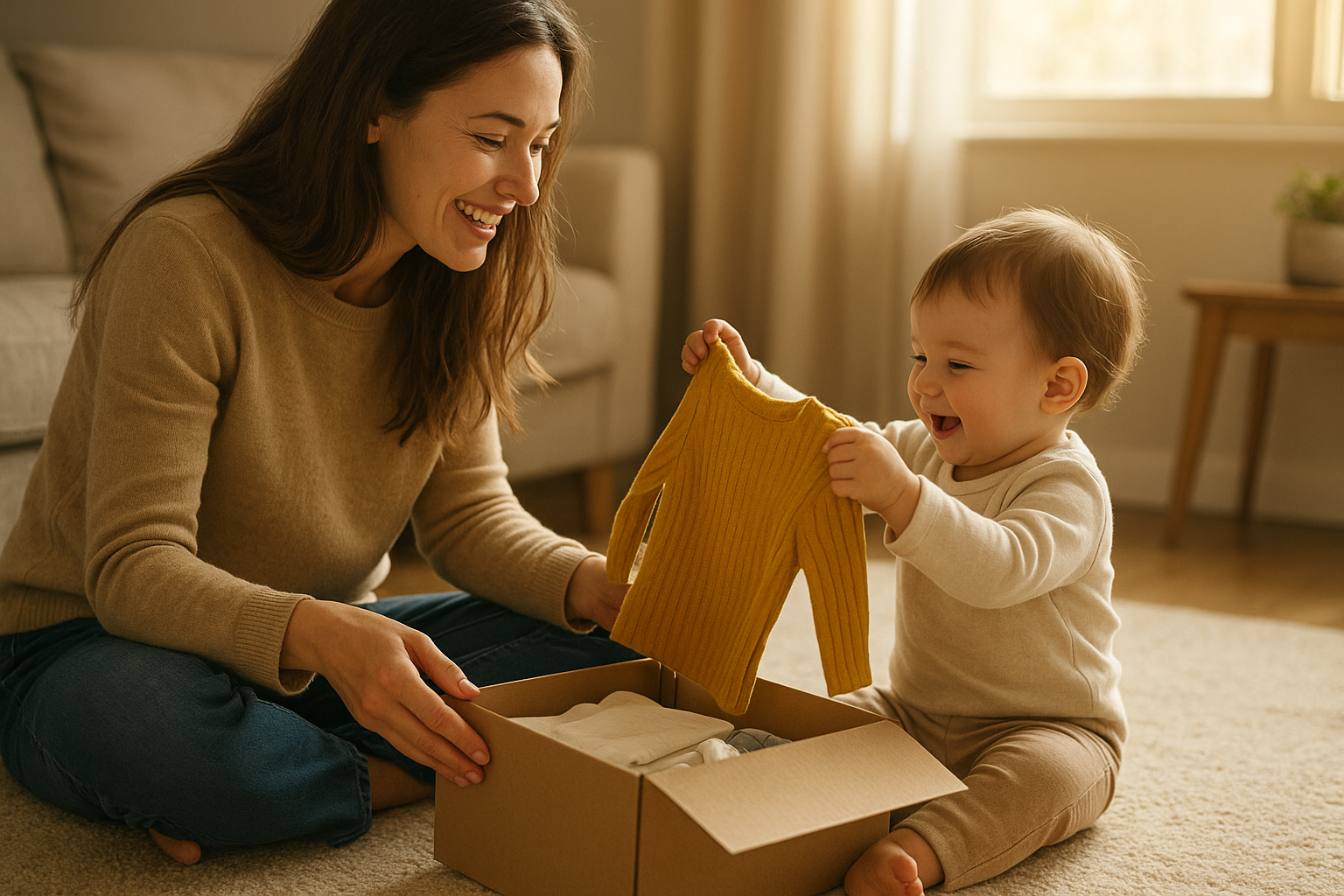
Unboxing day becomes part of the routine once a family settles into a clothing rental rhythm.
Benefits of Eco-Conscious Clothing Rental for Kids
Beyond convenience, eco-conscious clothing rental offers several concrete advantages. First, it reduces the sheer volume of clothing purchased and discarded each year, which directly cuts household textile waste. Second, it gives access to premium labels that might otherwise be too costly to buy outright for garments worn briefly. Third, the flexibility to swap sizes on demand removes the stress of predicting growth spurts months in advance.
Furthermore, many parents find that curated selections simplify decision-making. Instead of browsing dozens of retailers, a subscription delivers already-vetted, high-quality pieces suited to the child's age and season. For families exploring this option further, this eco-conscious clothing rental guide outlines additional considerations before joining a plan.
The Environmental Impact Behind the Numbers
The scale of textile waste helps explain why rental models matter. According to the U.S. Environmental Protection Agency, more than 11 million tons of textile waste enter American landfills every year, much of it clothing discarded well before the end of its usable life. Children's garments contribute disproportionately to this figure because they're worn for such a short window before becoming too small.
In contrast, extending a single garment's life by even a few extra wears meaningfully reduces its overall environmental footprint. This principle sits at the heart of the circular economy, a model built on reuse rather than disposal. Rental subscriptions apply this same logic directly to children's fashion, keeping garments circulating among families instead of ending up in the trash after a single season.
Choosing the Right Eco-Friendly Kids Clothing Delivery Service
Not every rental provider offers the same value, so it helps to compare a few key factors. Look for services with clear swap policies, free two-way shipping, and transparent pricing without hidden fees. For example, Bundle to Bundle offers a monthly membership starting at fifty dollars for families with children from newborn through age seven, with curated pieces from top-tier labels and no-commitment cancellation.
Additionally, consider how the company handles cleaning and quality checks between rentals, since hygiene standards matter for young children. A well-run service inspects and professionally launders every item before it's shipped again. For a broader comparison of providers and features, this complete guide to eco-friendly kids apparel subscriptions covers what to look for before signing up.
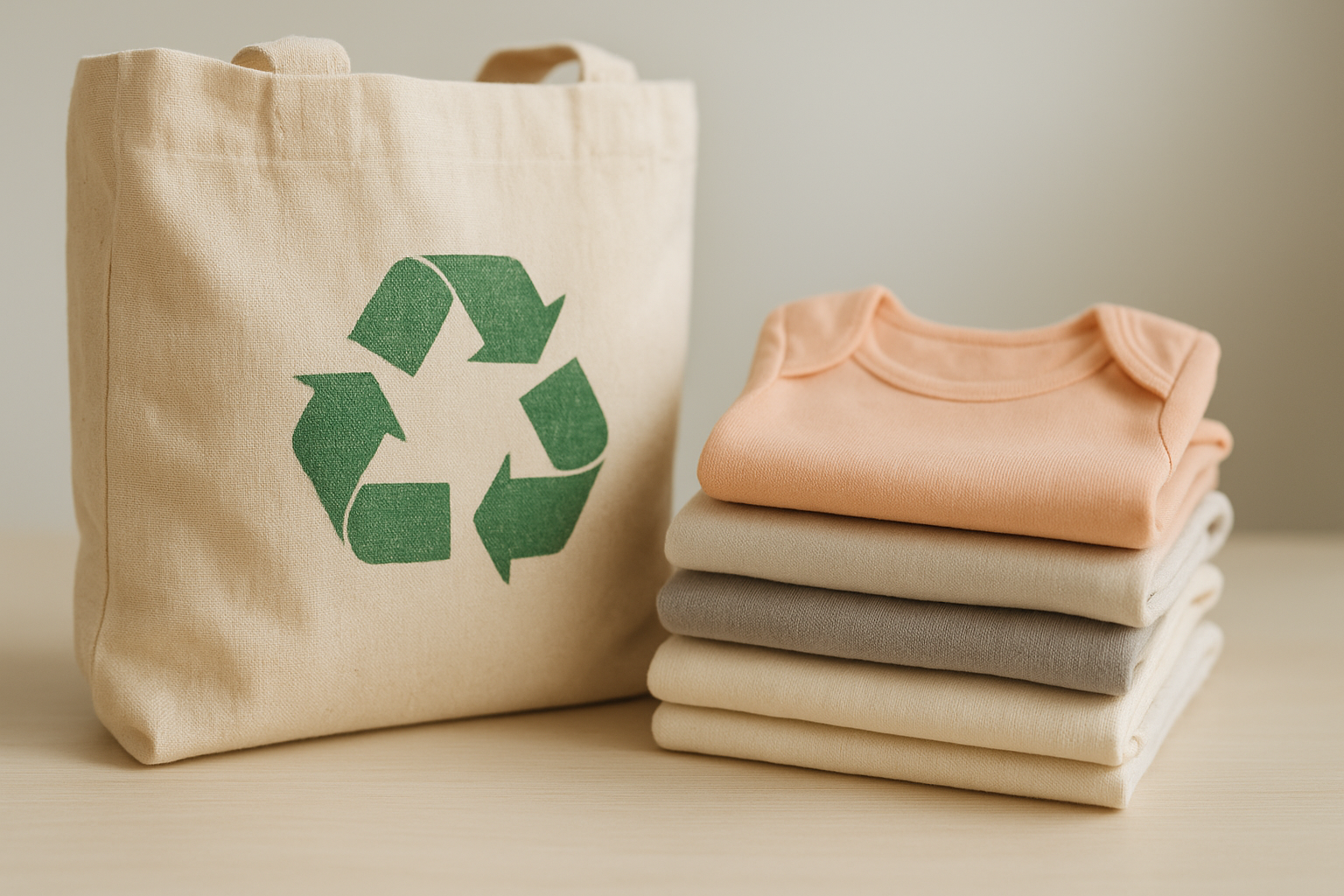
Reusable packaging reduces waste at every step of the delivery and return cycle.
Common Mistakes Parents Make With Clothing Rental Plans
Even with a straightforward model, a few missteps can reduce the value families get from a subscription. First, some parents underestimate how quickly infants and toddlers grow, choosing a plan with too few swaps for an active first year. Second, skipping the fine print on return shipping timelines can lead to unexpected fees or delays.
Third, treating every rented garment casually, rather than as a shared resource, can shorten its lifespan for the next family. Simple habits, such as spot-cleaning stains promptly, help preserve quality. For parents specifically focused on infants, this guide to eco-friendly baby clothes rental addresses newborn-specific considerations in more depth.
Does Clothing Rental Really Support Kids' Fashion Sustainability?
In short, yes, though results vary by how families use the service. Rental extends each garment's active life across multiple children, which reduces the total volume of new clothing manufactured to meet demand. Similarly, the model discourages impulse purchases, since members already have access to a rotating selection rather than shopping retail whenever a child needs new sizes.
That said, sustainability gains depend on consistent participation and proper garment care. For a closer examination of the evidence behind these claims, this piece on how rental services support kids' fashion sustainability reviews the data in more detail. As one point of reference within the broader movement, the concept of sustainable fashion continues to shape how brands and consumers think about clothing lifecycles.
Frequently Asked Questions About Eco-Friendly Kids Clothing Delivery
What is eco-friendly kids clothing delivery?
Eco-friendly kids clothing delivery is a subscription rental service that ships curated children's apparel to a family's home and takes it back once the child outgrows or no longer needs it. This keeps garments in circulation longer and reduces textile waste compared to buying new clothes repeatedly.
How does an eco-friendly kids clothing delivery service work?
Parents sign up for a monthly plan, select clothing sizes and styles, and receive a box of gently used garments. When items no longer fit, they're swapped or returned using prepaid two-way shipping, and new pieces arrive in their place.
How much does eco-friendly kids clothing delivery cost?
Plans typically start around fifty dollars per month, depending on the number of items and swap frequency included. This is often less expensive over a year than repeatedly purchasing new outfits every few months.
Is renting kids' clothes cheaper than buying new?
For fast-growing children, rental subscriptions are frequently cheaper because families avoid paying full price for clothes worn only a handful of times. The savings grow as children move through multiple sizes each year.
How often can I swap or return items?
Most services allow unlimited swaps as long as the membership is active, so parents can request new sizes or styles whenever needs change. Return windows vary but are usually flexible rather than fixed monthly deadlines.
Are the clothes cleaned and safe for sensitive skin?
Reputable rental companies professionally launder and inspect every garment between uses, following strict hygiene standards before shipping. Many also use gentle, hypoallergenic detergents suited for children's sensitive skin.
What age ranges do these services typically cover?
Many eco-friendly kids clothing delivery providers cover newborns through roughly age seven, the years when children grow fastest. Some also offer add-on categories like outerwear or special occasion wear.
Can I cancel my subscription anytime?
Most no-commitment plans let members pause or cancel whenever they choose, without long-term contracts or penalty fees. This flexibility makes it a low-risk option for families testing the model.
What's the environmental benefit compared to buying new clothes?
Extending a garment's active life through rental reduces demand for new manufacturing, which lowers water use, chemical dyes, and carbon emissions tied to textile production. It also diverts usable clothing from landfills.
What mistakes should parents avoid when choosing a clothing rental service?
Common mistakes include ignoring the return shipping policy, underestimating how quickly a child will size up, and choosing a plan with too few swaps for an active toddler. Reading swap terms closely before signing up helps avoid surprises.
How does clothing rental compare to hand-me-downs or thrift shopping?
Hand-me-downs and thrifting are budget-friendly but depend on availability and consistent sizing, while rental delivery guarantees curated, well-maintained pieces on a predictable schedule. Rental also removes the sorting and washing effort thrifting often requires.
Is eco-friendly kids clothing delivery worth it for growing families?
For families with children under seven who cycle through sizes every few months, the convenience, cost savings, and reduced waste generally make it worthwhile. Families with slower-growing older kids may see smaller relative benefits.
Final Thoughts
Ultimately, eco-friendly kids clothing delivery offers a practical middle ground between the cost of constant new purchases and the waste created by outgrown wardrobes. By subscribing to a rotating selection of premium garments, families reduce landfill contributions, save on predictable monthly costs, and avoid the hassle of last-minute shopping trips before a growth spurt. As more parents look for sustainable, low-commitment alternatives, this model is likely to keep growing in popularity. Whether it's the right fit depends on a family's needs, but for many households with young children, eco-friendly kids clothing delivery has become a smarter, more responsible way to dress a growing child.


