

Baby to toddler clothing rental is quickly becoming the go-to solution for parents who are tired of watching brand-new outfits get worn just a handful of times before their child outgrows them. As kids grow at lightning speed during their first few years, buying premium clothing outright often means spending money on pieces that barely last a season. Fortunately, a growing number of families are turning to subscription-based wardrobes that rotate with their child's size, offering fresh, high-quality outfits without the constant repurchasing cycle. This guide breaks down exactly how the process works, what it costs, and how to choose the right service for your family.
Quick answer: Baby to toddler clothing rental lets families pay a monthly fee for curated, high-quality kids' outfits that can be swapped or returned as the child grows, eliminating the cost and waste of buying new clothes every few months.
What Is Baby to Toddler Clothing Rental?
Baby to toddler clothing rental is a subscription service that lets families borrow curated wardrobes of children's clothing instead of purchasing each piece outright. Members pay a recurring fee, receive a rotating box of garments sized for their child's current stage, and send items back for exchange as the child grows. This model removes the financial waste of buying clothes that only fit for a few months.
Unlike traditional shopping, renting focuses on access rather than ownership. Consequently, families can dress their kids in premium, well-made pieces from top-tier labels without paying full retail price for something that will be outgrown before the season ends. According to the U.S. Environmental Protection Agency, textiles make up millions of tons of annual waste in the United States, and rental models help reduce that footprint by extending the useful life of each garment across multiple children.
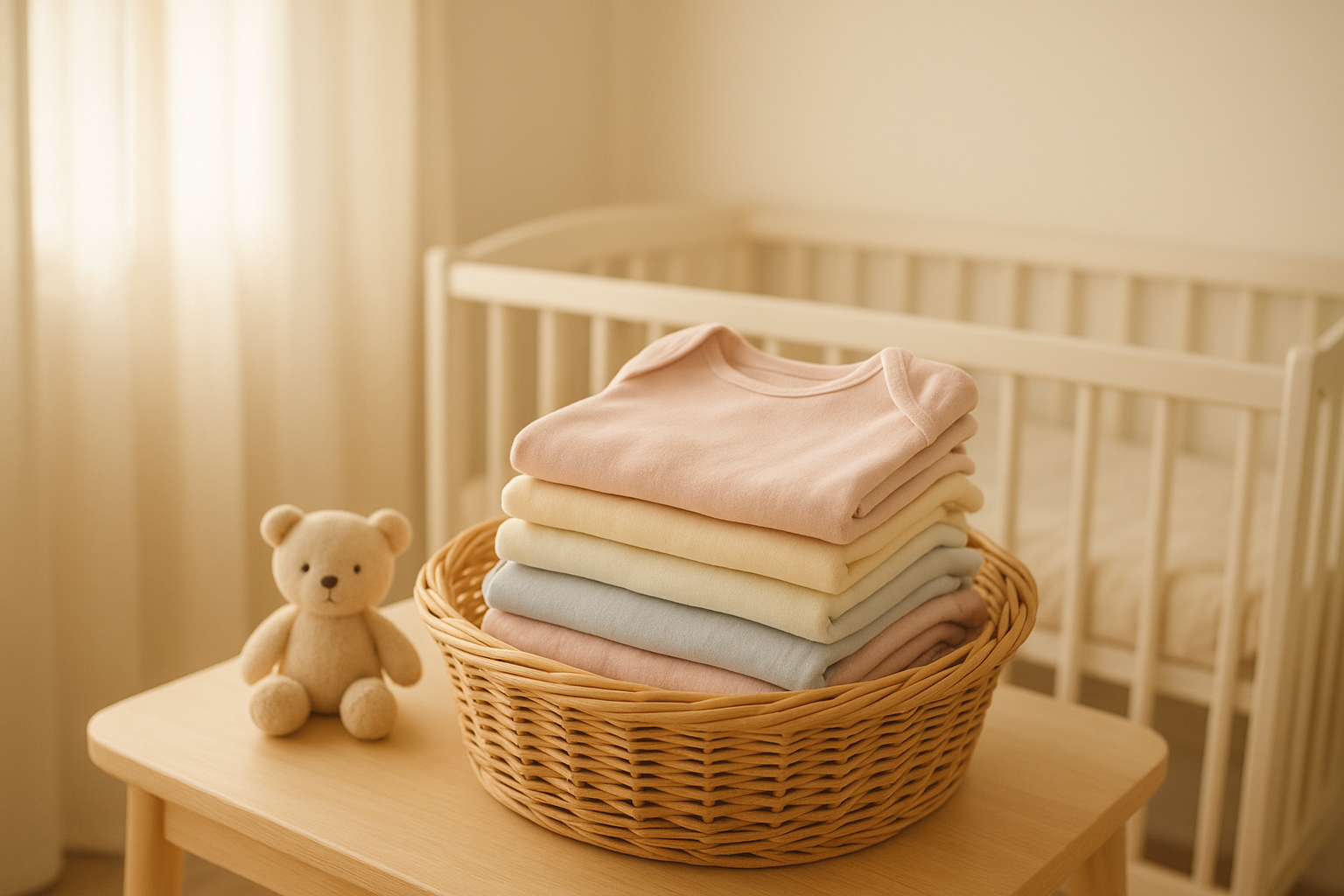
A rotating basket of curated outfits shows how baby to toddler clothing rental keeps wardrobes fresh.
How Does Renting Toddler Clothes Work?
Renting toddler clothes generally follows a simple, repeatable cycle. Below is the process most families experience from sign-up to their first swap.
- Choose a membership plan that matches your budget and how many clothing pieces your family needs at one time, since plans typically start around fifty dollars per month.
- Share sizing and style preferences so the service can curate items suited to your child's age and current growth stage.
- Receive your curated bundle, delivered with free two-way shipping so there is no added cost for getting outfits to your door.
- Wear and enjoy the clothing for as long as it fits comfortably, mixing pieces to build everyday looks.
- Swap or return items anytime through the prepaid return process, requesting new sizes as your toddler grows.
As a result, families never have to guess how long an outfit will last before it becomes too small. In addition, most providers, including Bundle to Bundle, allow swaps whenever needs change rather than locking members into rigid schedules.
Why Families Choose a Kids' Clothing Subscription Over Buying
Many parents initially assume buying is cheaper, yet the math often tells a different story. Children can move through several clothing sizes within their first two years alone, according to standard pediatric growth data from the CDC growth charts. That means a full wardrobe purchased new might only be worn for a matter of weeks before it no longer fits.
By contrast, a toddler clothing rental plan lets families access premium apparel continuously, swapping sizes as needed instead of repurchasing an entire wardrobe every few months. Furthermore, this approach reduces closet clutter and the stress of sorting through outgrown items. For families who want variety without commitment, this flexible structure is particularly appealing since most plans allow cancellation at any time.
Key Benefits of Renting Baby and Toddler Clothes
Renting baby and toddler clothes offers several advantages beyond simple cost savings. Below are the benefits families consistently mention.
- Cost efficiency: A monthly fee typically costs less than buying multiple new outfits every growth spurt.
- Variety: Members can access rotating styles from premium labels rather than a fixed set of clothes.
- Convenience: Free two-way shipping removes the hassle of store visits or online returns.
- Sustainability: Garments are reused across multiple children instead of discarded after one season.
- Flexibility: No-commitment structures let parents cancel or adjust plans as their needs change.
For parents wondering how to keep their child looking stylish without constant shopping trips, this guide to finding stylish rental clothes for toddlers offers additional practical tips.
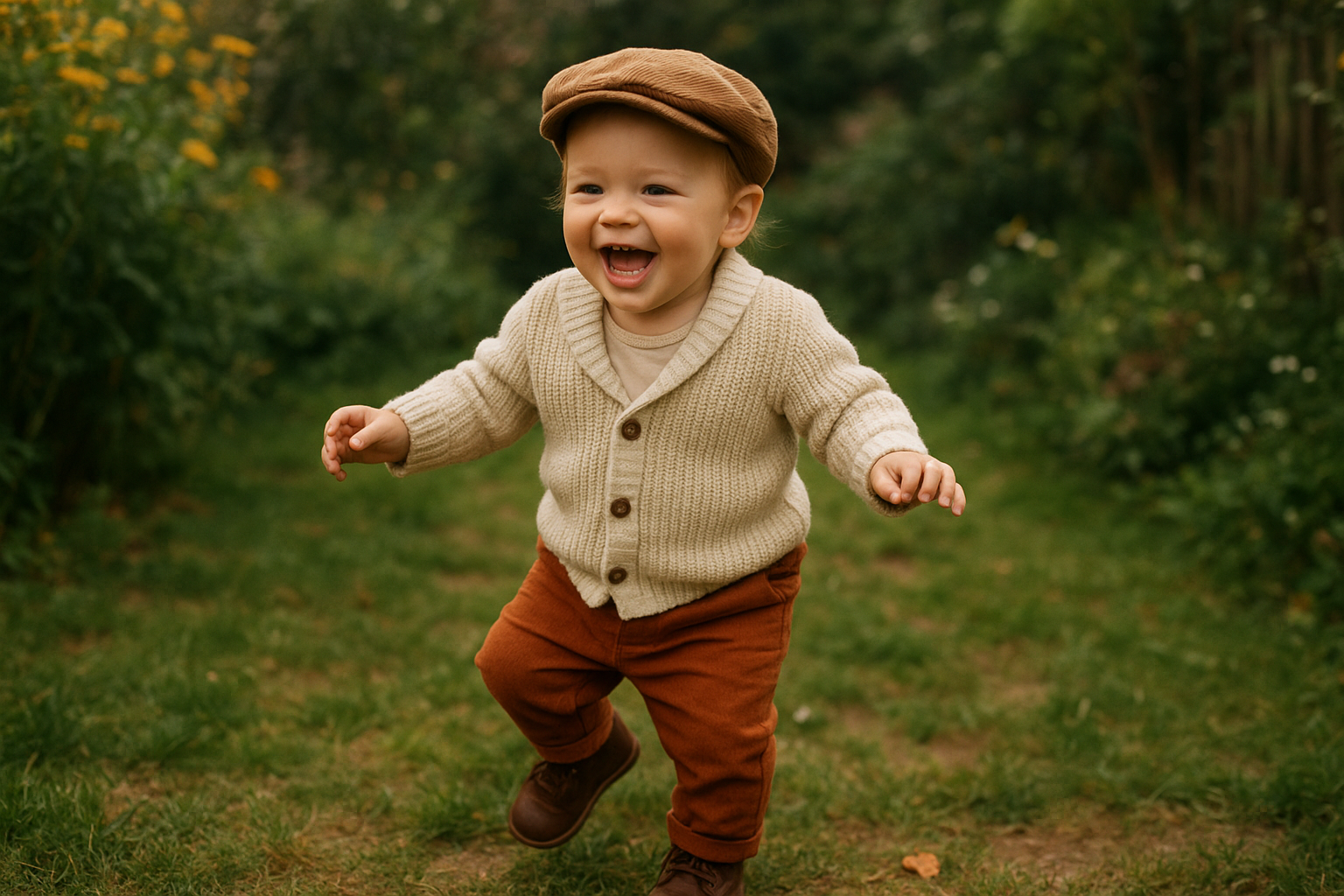
Stylish, well-fitted outfits are one of the biggest perks of a rental wardrobe.
Cost Comparison: Rental Membership vs Buying New Clothes
When comparing costs, it helps to look at the bigger financial picture rather than a single purchase. A rental membership starting around fifty dollars per month often covers several outfit changes throughout a growth stage, while a single new outfit from a premium label can cost a similar amount and only be worn for weeks.
Consequently, families who dress their children in higher-end brands tend to see the greatest savings from rental models. Moreover, since shipping both ways is included, there are no hidden costs for returns or exchanges. Those curious about the long-term savings can review this breakdown on how a rental service for toddler clothes helps save money and reduce waste.
How to Choose the Right Toddler Wardrobe Rental Service
Selecting the right provider matters just as much as deciding to rent in the first place. Above all, look for a service that offers flexible swap schedules, transparent pricing, and quality control between rentals.
In particular, consider how often you can exchange items, whether shipping is truly free both ways, and what brands are included in each box. Similarly, check the cancellation policy so you understand exactly how much flexibility you have if your family's needs shift. For a broader look at available providers and what to expect, this complete guide to rental options for toddler clothing covers the key factors modern families should weigh.
Sustainability: Why Renting Children's Clothes Matters
Textile waste is a growing concern, and children's clothing contributes heavily due to how quickly kids outgrow items. The circular fashion model, as described on Wikipedia's overview of the circular economy, keeps garments in use longer instead of sending them to landfills after a single growth spurt.
Therefore, renting children's clothes directly supports this model by allowing one high-quality garment to serve multiple children over its lifetime. As a result, families who value sustainability alongside convenience often find rental subscriptions align closely with their values. To explore this connection further, see how baby and toddler clothing rental helps save money and reduce waste at the same time.
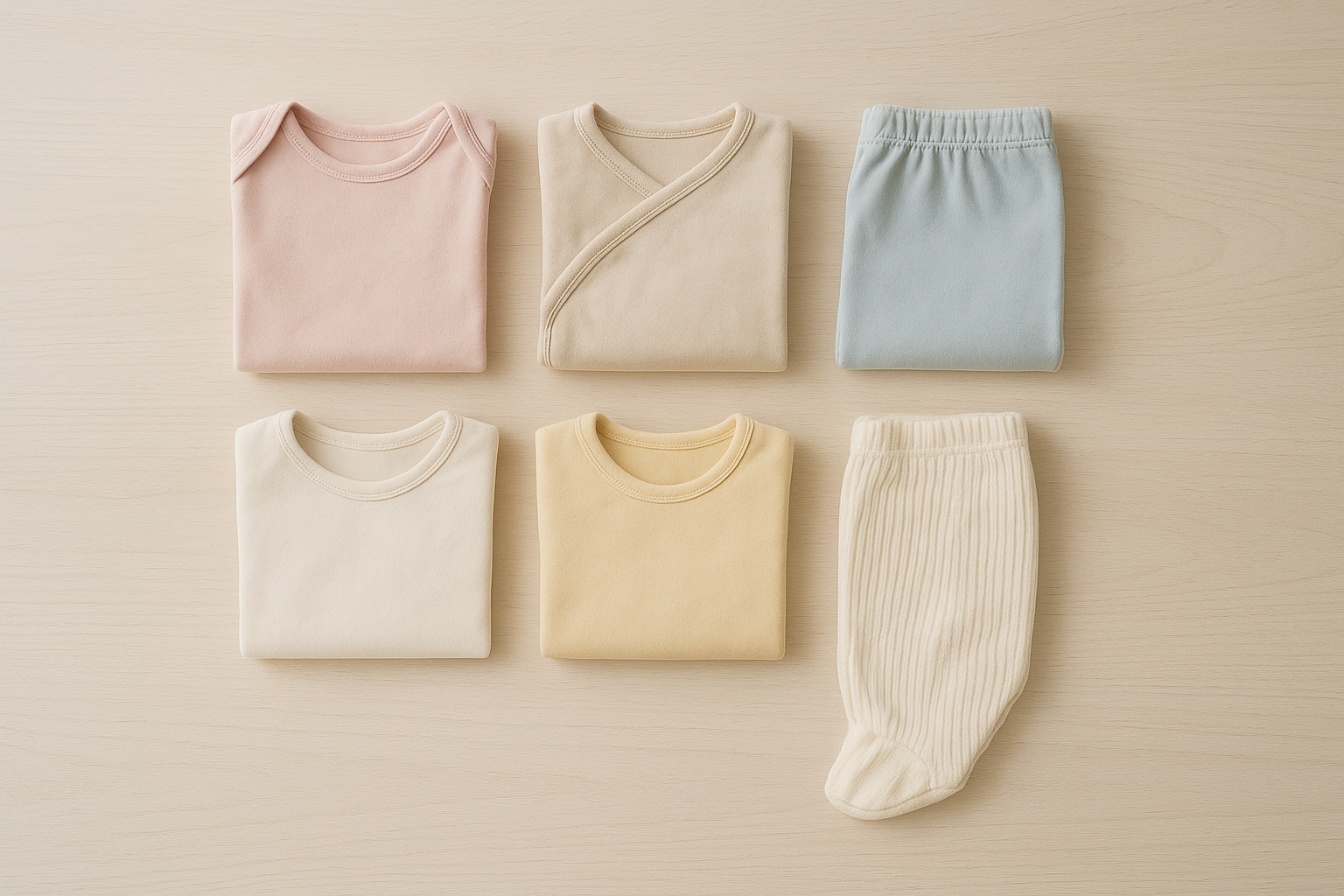
A rotating wardrobe reduces waste while keeping kids dressed in quality clothing.
Frequently Asked Questions About Baby to Toddler Clothing Rental
What is baby to toddler clothing rental?
Baby to toddler clothing rental is a subscription service where families pay a monthly fee to borrow curated children's clothing instead of buying it outright. Members exchange pieces for new sizes and styles as their child grows.
How much does baby to toddler clothing rental cost?
Most plans start around fifty dollars per month depending on how many items you receive and how often you swap them. This is typically far less than buying comparable premium brands new every season.
How does sizing work with a clothing rental subscription?
You share your child's current measurements and the service curates pieces to fit. As your child grows, you simply request the next size during your next swap.
Can I cancel a toddler clothing rental membership anytime?
Yes, most services including no-commitment models allow cancellation at any time without penalty. This flexibility makes rental a low-risk option compared to bulk buying.
What happens if rented clothes get stained or damaged?
Reputable services expect normal wear and tear from active toddlers and typically do not charge for minor stains. Significant damage may incur a small replacement fee, so it's worth reviewing the specific policy.
How often can I swap or exchange rented items?
Swap frequency depends on your plan, but many families exchange items every one to two months as their child grows. Some services also allow on-demand swaps whenever needed.
Is renting children's clothes more sustainable than buying new?
Yes, renting extends the life of each garment across multiple children, reducing textile waste significantly. This circular approach keeps quality clothing in use instead of being discarded after one growth spurt.
What brands are typically included in a rental box?
Quality rental services curate pieces from top-tier children's fashion labels known for durability and style. This gives families access to premium brands they might not otherwise purchase at full price.
How long does shipping take for rental clothing?
Shipping times vary by provider, but most deliver within about a week and include free two-way shipping. Returns are just as simple, using prepaid labels included with your order.
Is baby to toddler clothing rental a good option for newborns?
Absolutely, newborns often outgrow clothes within weeks, making rental especially cost effective during this stage. Families avoid spending on outfits that barely get worn before they no longer fit.
What is the difference between renting and buying secondhand?
Buying secondhand means you own the item permanently, while renting lets you exchange pieces continuously as your child grows. Rental also typically includes cleaning and quality checks between uses.
Do rental services wash and sanitize clothing between uses?
Yes, professional cleaning and quality inspection between each rental cycle is standard practice. This ensures every piece arrives in like-new condition for the next family.
What common mistakes should parents avoid with clothing rentals?
A common mistake is ordering sizes too close to current measurements instead of planning slightly ahead for growth. Parents should also read swap and return policies carefully to avoid missing deadlines.
How do I choose the best rental plan for my family?
Consider how quickly your child is growing, your monthly clothing budget, and how many outfits you realistically need. Comparing swap frequency and included shipping helps narrow down the right plan.
Are there hidden fees with kids' clothing subscriptions?
Transparent providers list all costs upfront, including shipping and any late return charges. Always review the membership terms before signing up to avoid surprises.
Final Thoughts
In summary, baby to toddler clothing rental offers a practical, budget-friendly, and environmentally conscious alternative to constantly buying new clothes for a fast-growing child. From flexible swaps to free two-way shipping, this model addresses the core frustrations parents face without sacrificing style or quality. Ultimately, families who prioritize convenience, sustainability, and cost savings often find that a rotating rental wardrobe fits their lifestyle far better than traditional shopping. For families ready to explore this option, visiting Bundle to Bundle is a natural next step toward a smarter, more sustainable approach to dressing growing kids.


