


Affordable baby fashion is the practice of dressing your infant in stylish, comfortable clothing without stretching your household budget — and it is far more achievable than most new parents expect. Because babies grow so rapidly, spending a fortune on any single wardrobe is simply not practical. Instead, a few smart habits can keep your little one looking adorable through every stage, from newborn to toddler.
In fact, budget-conscious parents are increasingly discovering that the best baby outfits do not come from luxury boutiques. Therefore, this guide covers the most effective strategies for building a complete, fashionable baby wardrobe on a realistic budget.
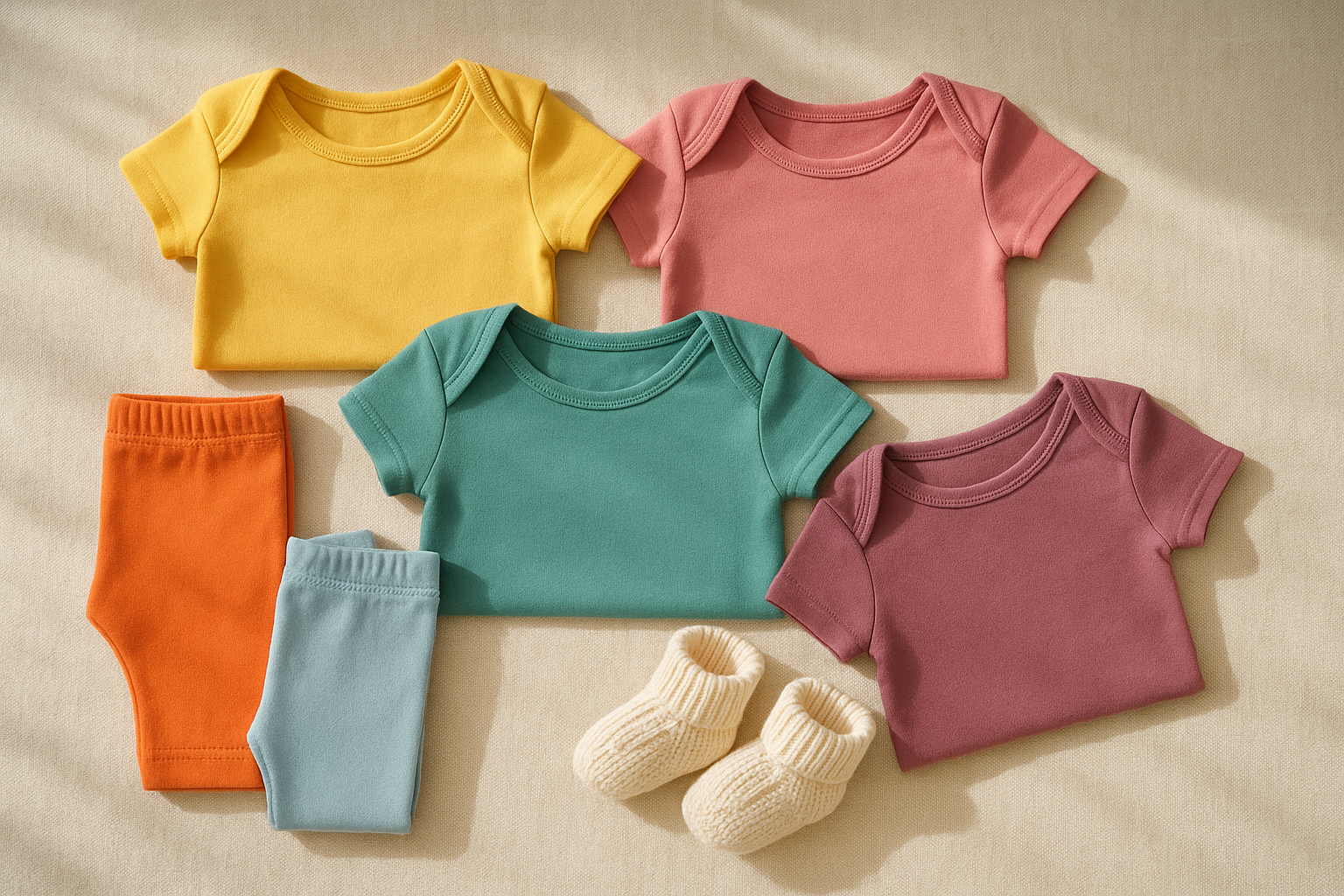
Building an affordable baby fashion wardrobe starts with versatile, mix-and-match basics.
Why Baby Clothes Are Worth Buying Smart
According to research from the U.S. Bureau of Labor Statistics Consumer Expenditure Survey, American families spend hundreds of dollars annually on infant and toddler clothing. However, the average baby outgrows a full clothing size every two to three months during the first year. As a result, that spending adds up quickly — often without delivering lasting value.
The good news is that babies have no opinion on brand labels. What matters to them is softness, ease of movement, and warmth. Therefore, you can prioritize comfort and practicality over price tags without any sacrifice in your child's wellbeing.
What Is Affordable Baby Fashion?
Affordable baby fashion is the approach of sourcing stylish, age-appropriate infant clothing through cost-saving channels — including end-of-season sales, secondhand markets, clothing bundles, and hand-me-down networks. It does not mean sacrificing quality or style. Instead, it means being intentional about where and when you shop.
Direct Answer: Affordable baby fashion means dressing your infant stylishly at low cost by combining secondhand shopping, sales timing, and versatile basics. Parents who use these strategies consistently spend significantly less per outfit while keeping their baby's wardrobe current and complete.
Building a Budget Wardrobe: The Essential Pieces
First, focus on versatile basics that work across multiple outfits and seasons. These are the pieces you will reach for every single day, so they deserve the most attention when shopping. A solid foundation typically includes:
- Snap-front or zip-up onesies — in neutral and pastel tones for easy layering
- Soft cotton leggings — pairs with almost everything and allows free movement
- Zip-up sleepers — essential for nighttime and nap routines
- Lightweight cardigans or hoodies — for transitional weather layering
- Soft-soled shoes or booties — one or two pairs per size is enough
Additionally, choosing neutral colors such as white, grey, cream, and sage green means pieces mix and match freely. This approach reduces the total number of items you need to buy while maximizing outfit variety.
How Many Outfits Does a Baby Actually Need?
Most parents find that 7 to 10 outfits per size is sufficient for a baby who is laundered every few days. Newborns may need slightly more due to frequent spit-up and diaper changes. However, beyond this range, additional clothing often sits unused before the baby outgrows it entirely. Therefore, restraint when purchasing is genuinely the most budget-friendly choice.
Top Strategies to Save on Baby Clothing
There are several proven methods for cutting costs without cutting corners on quality. In practice, combining two or three of these approaches delivers the greatest savings.
1. Shop Secondhand First
Because baby clothes are worn for such a short time, secondhand items are often in near-perfect condition. Resale apps, local consignment shops, and community Facebook groups are all excellent sources. Meanwhile, platforms dedicated to children's clothing frequently offer curated lots at a fraction of retail prices. Always inspect seams, closures, and fabric condition before purchasing.
2. Time Your Purchases Around Sales
End-of-season clearance events are among the best opportunities to stock up on the next size up at deep discounts. For example, buying winter clothing in late January or summer clothing in late August can yield savings of 40 to 70 percent off original retail prices. Additionally, holiday weekends such as Black Friday and Labor Day consistently bring major markdowns from most baby clothing retailers.
3. Use Clothing Bundle Services
Clothing bundle services have grown significantly in popularity because they take the guesswork out of budget shopping. Services like Bundle to Bundle are specifically designed to make affordable baby fashion accessible by offering curated clothing bundles at prices well below retail. As a result, parents receive a variety of age-appropriate, stylish pieces without spending hours hunting through individual listings.
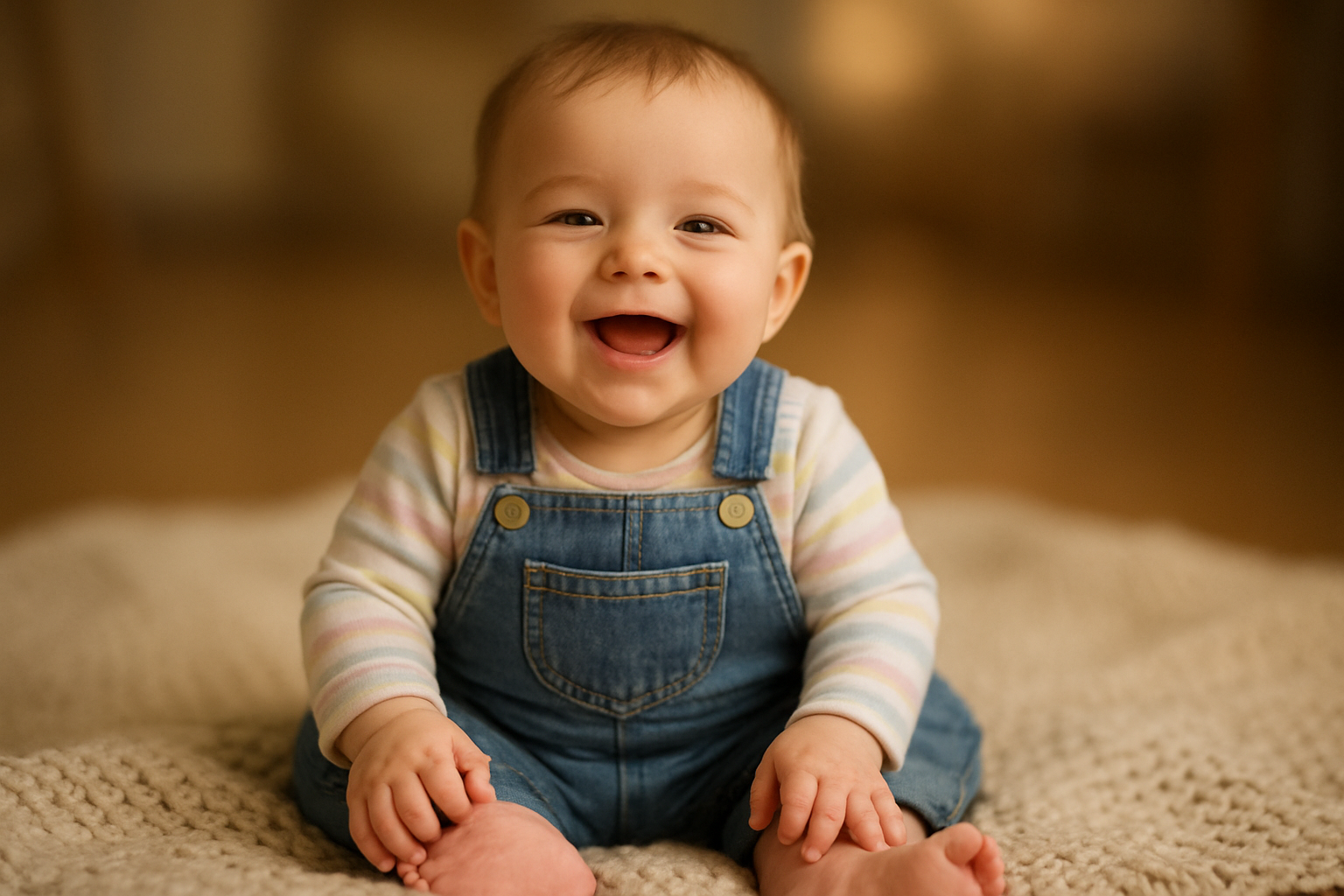
Curated bundle services make it easy to assemble a complete, stylish wardrobe at a budget-friendly price.
4. Leverage Hand-Me-Down Networks
Friends, family members, and neighborhood parent groups are often eager to pass along clothing their own children have outgrown. Organizing these donations by size and season into labeled storage bins keeps them accessible and prevents duplicate purchases. Furthermore, offering your own outgrown items in return builds goodwill and keeps the cycle going.
5. Size Up Strategically
Buying one size larger than your baby's current size extends the useful life of each garment significantly. In practice, a 6-month outfit purchased when your baby is 4 months old will often fit well for 3 to 4 months rather than the typical 6 to 8 weeks. However, always ensure the fit is safe — especially around the neck and feet — before dressing your baby in oversized clothing.
Common Mistakes to Avoid When Shopping for Baby Clothes
Even budget-savvy parents fall into a few predictable traps. Knowing these mistakes in advance helps you avoid wasting money before your baby even arrives.
- Overstocking newborn sizes: Many babies skip newborn sizing entirely or wear it for under two weeks. Therefore, buy only 3 to 4 newborn outfits until you know your baby's actual size at birth.
- Ignoring fabric quality: Cheap synthetic fabrics can irritate sensitive newborn skin. Always choose soft cotton or cotton blends, even when shopping secondhand.
- Buying too many special occasion outfits: Formal baby outfits are rarely worn more than once. Borrow these from friends or buy secondhand rather than spending full price.
- Shopping without a size plan: Without tracking what you already own in each size, it is easy to accidentally duplicate or miss a size entirely.
What to Look for in Quality Budget Baby Clothes
Not all inexpensive baby clothing is created equal. However, several key quality indicators are easy to check even when shopping quickly online or in-store.
Look for reinforced double-stitched seams, flat or covered snap closures that will not scratch skin, and colorfast dyes that will not bleed after washing. Additionally, check that any inner surface touching the baby's skin is smooth and free of rough labels or exposed stitching. These details separate genuinely durable budget pieces from items that fall apart after two washes.
Resources like Bundle to Bundle pre-screen clothing for these quality markers, which saves parents the time of evaluating every item individually. This is particularly valuable for busy families who need efficiency as much as savings.
Keeping Baby Style Fresh Without Overspending
Staying on top of baby fashion trends does not require a large budget. In contrast, a few well-chosen statement pieces mixed with solid basics can create a wardrobe that looks intentional and current. For example, a single on-trend printed top paired with simple white leggings creates a complete, stylish look at minimal cost.
Social media platforms like Instagram and Pinterest are also excellent free resources for budget baby outfit inspiration. Many parenting creators specifically showcase affordable finds and styling ideas that make the most of a limited clothing budget. Following a few of these accounts can spark creative combinations you might not have considered.
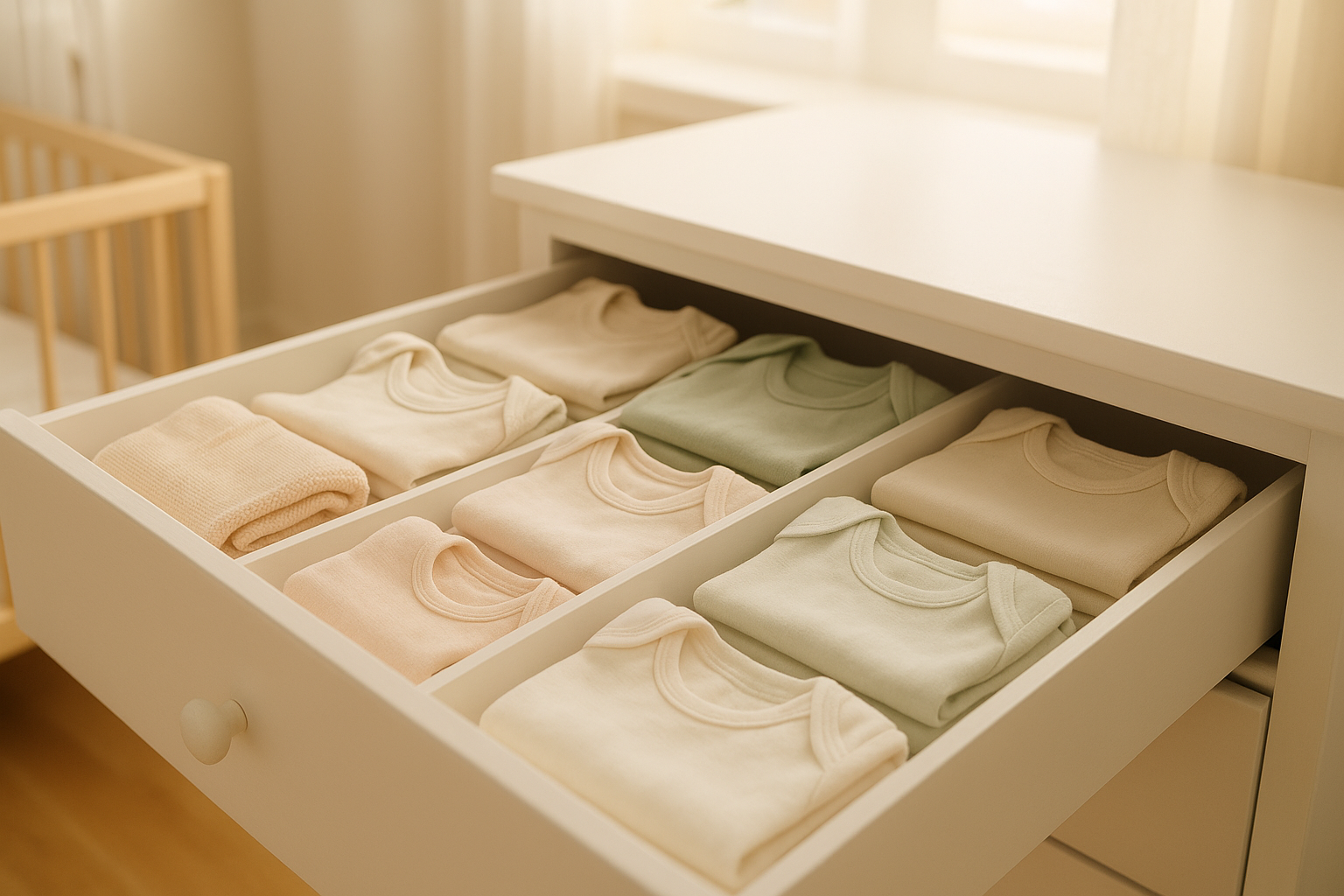
Organizing baby clothes by size makes it easy to track what you have and avoid unnecessary purchases.
Putting It All Together: Your Affordable Baby Fashion Plan
Affordable baby fashion becomes effortless once you establish a repeatable system. Start by auditing what you already own or have been gifted. Next, identify the gaps by size and season. Then fill those gaps using a combination of secondhand sources, bundle services, and end-of-season sales — in that order of priority.
Additionally, set a per-size clothing budget before you start shopping and stick to it. Because the temptation to buy adorable baby items is real, a firm budget prevents impulse purchases that add up quickly. Finally, donate or resell outgrown items promptly to recover some of your investment and keep your storage manageable.
In conclusion, affordable baby fashion is not about compromise — it is about shopping smarter. By combining versatile basics, strategic timing, secondhand sources, and bundle services, you can keep your baby stylishly dressed at every stage without financial stress.
Frequently Asked Questions About Affordable Baby Fashion
What is affordable baby fashion?
Affordable baby fashion refers to stylish, well-made baby clothing purchased at low cost through smart shopping strategies such as buying secondhand, shopping sales, or using bundle services. It allows parents to keep their baby looking great without overspending on items that are quickly outgrown.
How often do babies outgrow their clothes?
Babies typically outgrow a clothing size every 2 to 3 months in the first year of life. Because of this rapid growth, investing heavily in any single size is rarely cost-effective.
Is secondhand baby clothing safe to use?
Yes, secondhand baby clothing is generally safe as long as you inspect items for wear, wash them thoroughly before use, and avoid pieces with broken snaps, loose buttons, or frayed fabric. Reputable resale platforms and bundle services often pre-screen items for quality.
What are the best times of year to buy baby clothes on sale?
End-of-season clearance sales in late winter and late summer offer the deepest discounts on baby clothing. Holiday weekends such as Memorial Day, Labor Day, and Black Friday also bring significant markdowns.
Should I buy baby clothes in the current size or size up?
Sizing up by one size is a common strategy that extends the wear time of each garment. However, very loose clothing on a newborn can pose a safety risk, so always ensure fit is appropriate for the baby's actual size and stage.
What fabrics are best for affordable baby clothing?
Soft cotton and cotton blends are the top choices for baby clothing because they are gentle on sensitive skin, machine washable, and widely available at budget-friendly price points. Organic cotton is a premium option that many budget brands now offer at competitive prices.
How can I build a baby wardrobe on a tight budget?
Start with versatile basics such as onesies, leggings, and zip-up sleepers in neutral colors that mix and match easily. Supplement with a few seasonal statement pieces, and fill gaps using secondhand sources or clothing bundle subscriptions.
Are baby clothing subscription boxes worth the cost?
Clothing bundle or subscription services can be cost-effective when they offer curated secondhand or discounted new items at a lower per-piece price than retail. Services like Bundle to Bundle are designed specifically to make baby fashion more accessible and affordable.
What is the biggest mistake parents make when buying baby clothes?
The most common mistake is buying too many items in newborn or 0-3 month sizes before the baby arrives. Many babies skip these sizes entirely or wear them for only a few weeks, making the investment wasteful.
Can I find trendy baby outfits on a budget?
Absolutely. Many budget-friendly retailers and resale platforms stock on-trend baby styles at a fraction of designer prices. Checking end-of-season sales and curated bundle services regularly is the best way to find fashionable pieces affordably.
How many outfits does a baby actually need per day?
Most parents find that 2 to 3 outfit changes per day is realistic for newborns due to spit-up and diaper leaks. Older babies typically need 1 to 2 changes daily, so a wardrobe of 7 to 10 outfits per size is usually sufficient.
What should I look for in quality budget baby clothes?
Look for reinforced seams, flat or covered snap closures, colorfast dyes, and soft inner fabric surfaces. These details indicate durability and comfort even at a lower price point.
How do I organize hand-me-downs and resale baby clothes efficiently?
Sort items by size and season into labeled storage bins or vacuum bags. This way you can quickly access the next size up as your baby grows without repurchasing items you already own.


