


Affordable baby apparel rental is quickly becoming the go-to solution for parents tired of watching brand-new outfits get outgrown within weeks. Instead of buying a fresh wardrobe every few months, families can subscribe to a rotating collection of premium clothing and simply swap sizes as their child grows. This guide explains how the model works, what it costs, and why it has become such a practical choice for budget-conscious, sustainability-minded households.
Quick answer: Affordable baby apparel rental lets parents pay a flat monthly fee, often starting around fifty dollars, to access rotating high-quality children's clothing instead of purchasing new items outright. Families swap pieces whenever their child outgrows them, and free two-way shipping typically keeps costs predictable.
What Is Affordable Baby Apparel Rental?
Affordable baby apparel rental is a subscription-based clothing model that gives families access to a curated wardrobe of children's apparel for a monthly membership fee rather than a one-time purchase price. Parents receive a set of pieces, use them as long as needed, and then request a swap once their child grows or their style needs change. Because the same garments circulate between multiple families, the cost per outfit stays far lower than buying new items outright.
In practice, this model works similarly to a lending library, but for clothes. Members select sizes and styles, receive a shipment, and return outgrown pieces whenever they choose. As a result, there is no pressure to keep clothing that no longer fits, and no wasted spending on garments a child might wear only a handful of times.
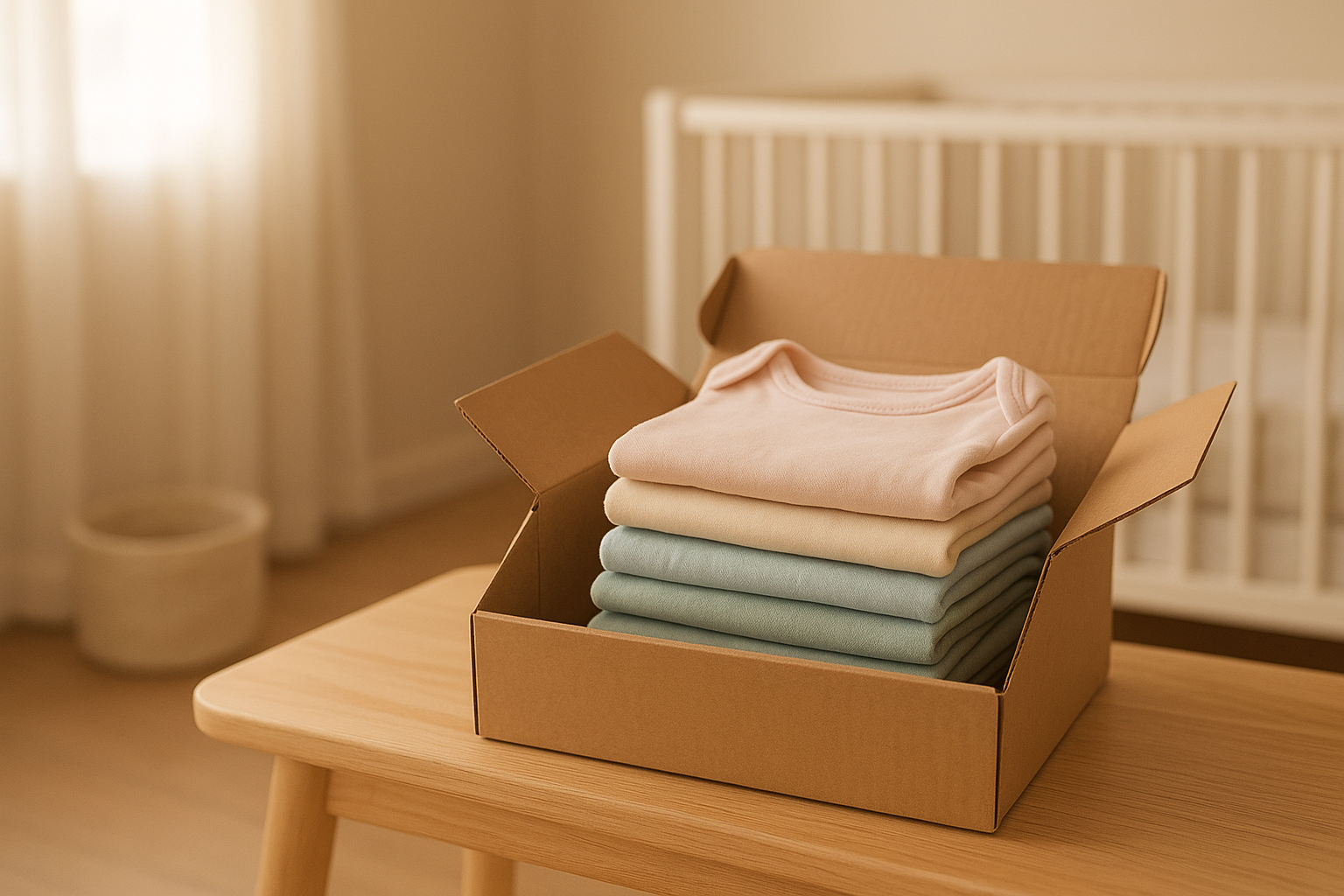
A curated delivery box is the starting point for most affordable baby apparel rental memberships.
Why Growing Families Turn to Baby Clothing Subscriptions
Babies grow astonishingly fast, and that growth rate creates a real financial challenge. According to pediatric growth data referenced by the Centers for Disease Control and Prevention, infants can move through several clothing sizes within their first year alone. Consequently, parents often buy outfits that fit for only a few weeks before they are outgrown.
This is precisely where an affordable baby apparel rental plan proves useful. Instead of repeatedly purchasing new sizes, families pay one predictable monthly rate and swap pieces on demand. Therefore, budgeting becomes simpler, and closets no longer fill up with barely-worn clothing that has nowhere to go.
For a deeper look at how rental pricing compares across providers, this complete parent's guide to renting baby clothes breaks down typical membership structures in more detail.
How Renting Children's Clothing Compares to Buying New
Buying new baby clothes seems simple on the surface, but the recurring cost adds up quickly. In contrast, a rental membership converts that unpredictable spending into a flat, known monthly amount. For example, a family that might spend well over fifty dollars on a single shopping trip for new outfits can instead access a full rotating wardrobe for a similar or lower monthly cost.
Additionally, rental memberships remove the guesswork of estimating how long an item will actually fit. Since swaps happen on demand, parents are not stuck holding clothing their child has already outgrown. Similarly, resale value concerns disappear entirely because there is nothing to resell or donate once a size is finished.
The Consumer Financial Protection Bureau notes that unpredictable recurring expenses, like frequent clothing purchases, are one of the harder categories for families to budget around. A flat rental fee directly addresses that unpredictability.
Is Baby Apparel Rental Actually Sustainable?
Sustainability is a major driver behind the growth of children's clothing rental. Specifically, extending the life of each garment by passing it between multiple families reduces how quickly clothing ends up discarded. The U.S. Environmental Protection Agency reports that textile waste remains one of the fastest-growing categories in municipal landfills, and children's clothing contributes heavily since garments are so often outgrown before they wear out.
By contrast, a shared wardrobe model keeps garments in active use far longer. This concept aligns closely with the broader idea of sustainable fashion, which emphasizes reducing waste through reuse rather than constant new production. As a result, environmentally conscious parents increasingly view rental as a smarter default rather than a niche alternative.
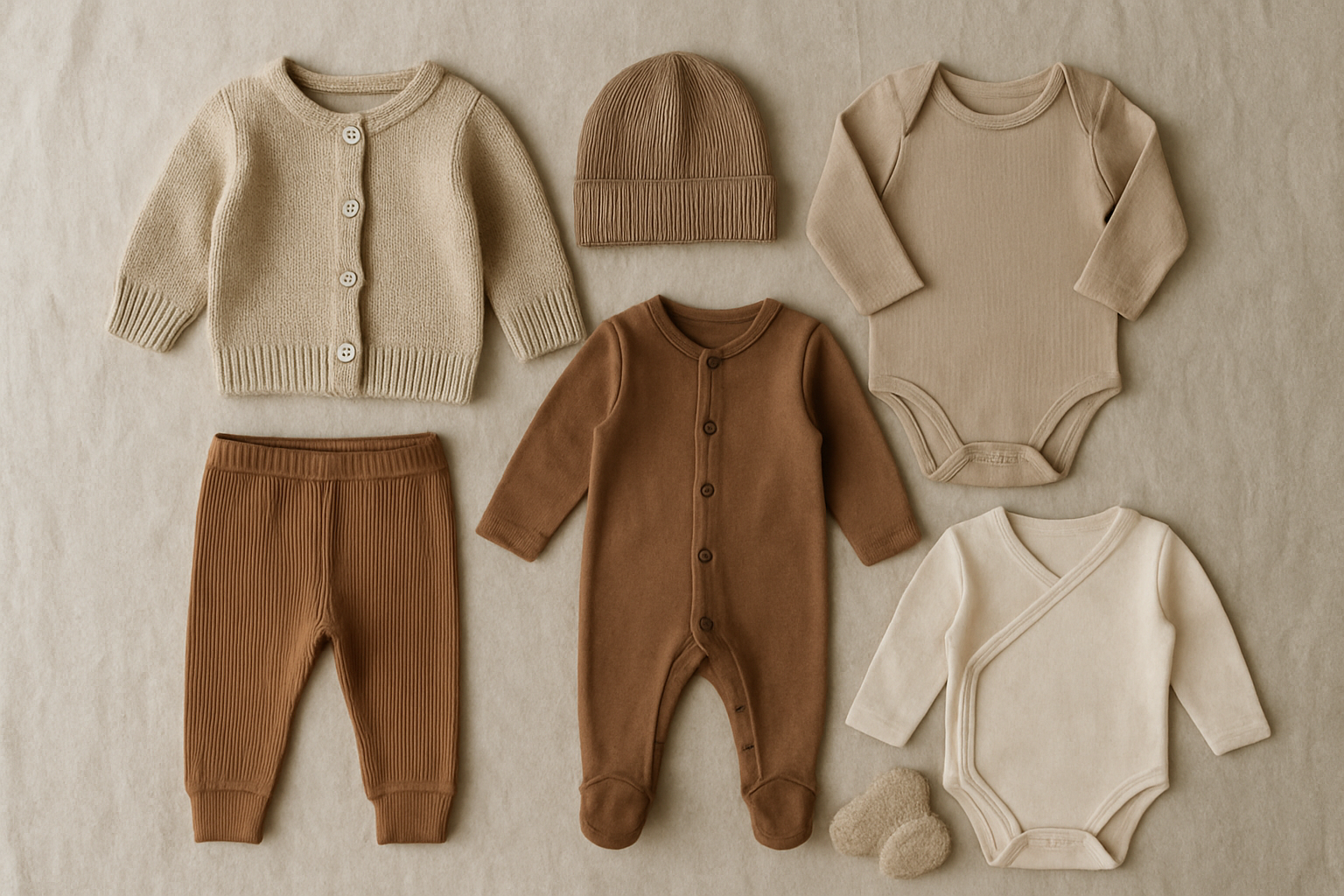
A rotating wardrobe reduces waste while keeping kids dressed in quality, seasonal pieces.
How to Start an Affordable Baby Apparel Rental Membership
Getting started with a rental wardrobe is straightforward once you know what to look for. Below is a simple process most families follow when signing up for the first time.
- Assess your child's current sizes and growth pace. Measure their current clothing size and note how quickly they've grown recently so you can select an appropriately sized starter bundle.
- Compare rental membership tiers. Review monthly plans based on piece count, swap frequency, and shipping terms to find a tier that fits your budget, such as the options detailed on the baby clothing rental page.
- Select styles and place your first order. Choose preferred brands, colors, and outfit types at checkout, then schedule your first curated delivery.
- Swap and return items as your child grows. Request a new size or style whenever current pieces no longer fit, using the included prepaid shipping label to send back outgrown clothing.
Notably, most services keep this cycle simple by handling cleaning and inspection between swaps, so parents never need to prepare items themselves before returning them.
Finding Budget-Friendly Kids Fashion Without Sacrificing Quality
One common concern parents raise is whether affordable pricing means lower quality clothing. In reality, most rental wardrobes source pieces from top-tier children's fashion labels precisely because durability matters when garments are worn by multiple children over time. Cheaply made clothing simply would not hold up to repeated use and cleaning cycles.
Furthermore, curated rental collections often include seasonal and occasion pieces that parents might otherwise avoid buying outright due to limited use. For families exploring broader budget strategies beyond rental alone, this guide on finding affordable children's apparel offers additional practical tips.
Meanwhile, style-conscious parents can still express personal taste through a rotating wardrobe. This fashionable baby clothing rental resource explores how families balance style preferences with cost savings.
The Hidden Costs Rental Helps Families Avoid
Many parents underestimate how much they actually spend on children's clothing each year until they track every purchase closely. Beyond the sticker price, there are hidden costs such as shipping fees for online orders, wasted purchases on items rarely worn, and time spent shopping for replacements. A detailed breakdown of these expenses is available in this piece on the hidden cost of baby clothes.
In contrast, a flat monthly rental fee bundles shipping, quality assurance, and size flexibility into one predictable charge. Therefore, families gain a clearer picture of their actual clothing budget without unexpected add-on costs cropping up throughout the year.
Choosing the Right Affordable Baby Apparel Rental Plan
Not every rental plan fits every family the same way. Before committing, it helps to consider a few key factors:
- How many pieces are included per swap, and does that match your child's wardrobe needs.
- Whether shipping both ways is included in the membership price.
- Whether the plan allows cancellation at any time without penalty.
- What age range and sizes the service actually covers, since some stop earlier than others.
For example, Bundle to Bundle covers newborn through age seven with plans starting at fifty dollars monthly, free two-way shipping, and no-commitment cancellation, which addresses each of these considerations directly. You can review current plan details at bundletobundle.com.
Frequently Asked Questions About Affordable Baby Apparel Rental
What is affordable baby apparel rental?
Affordable baby apparel rental is a subscription service where families pay a monthly fee to borrow rotating baby and toddler clothing instead of buying it outright. Parents swap sizes as their child grows and return items when they no longer fit.
How much does baby clothing rental typically cost?
Most baby clothing rental memberships start around fifty dollars per month, depending on the number of pieces included. This is often less than the cost of continually buying new outfits every few months.
How does renting kids' clothes save money compared to buying?
Renting eliminates the need to repurchase entire wardrobes every time a child grows, which happens roughly every three to four months in the first two years. A flat monthly fee replaces unpredictable retail spending.
Is baby clothing rental sustainable?
Yes, clothing rental extends the useful life of each garment by passing it between multiple families instead of discarding it after a few months. This directly reduces textile waste sent to landfills.
What ages does baby apparel rental usually cover?
Most services, including Bundle to Bundle, cover children from newborn through about seven years old. This spans the fastest-growing and most expensive clothing years.
Can I cancel a baby clothing rental subscription anytime?
Reputable rental memberships offer no-commitment cancellation, so parents are not locked into long contracts. This makes it a low-risk way to try the service.
What happens if my child stains or damages a rented outfit?
Normal wear and tear, including minor stains, is generally expected and covered within the membership. Most services clean and sanitize each garment before it goes to the next family.
How often can I swap clothing sizes?
Families can typically request a size swap whenever their child outgrows current pieces, rather than waiting for a fixed cycle. This flexibility is one of the main advantages over buying clothes outright.
Does shipping cost extra with rental services?
Many affordable baby apparel rental plans, including Bundle to Bundle, include free two-way shipping in the membership price. This removes an extra cost parents would otherwise pay for returns.
Is rented baby clothing good quality?
Rental wardrobes are usually sourced from premium children's fashion labels chosen specifically for durability. Garments are inspected and cleaned between uses to maintain quality standards.
What is the biggest mistake parents make when choosing rental clothing?
A common mistake is picking a plan with too few pieces, which limits variety and leads to repeat outfits. It helps to review typical growth spurts before selecting a membership tier.
How does baby clothing rental compare to buying secondhand?
Secondhand shopping requires time spent searching and sorting, while rental delivers curated, ready-to-wear pieces on a schedule. Rental also includes cleaning and swaps, which secondhand purchases do not.
Can I choose specific styles or brands with a rental plan?
Many services let members select preferences such as color palettes, brands, or style categories before each swap. This keeps the wardrobe aligned with family taste while still remaining budget friendly.
Final Thoughts on Affordable Baby Apparel Rental
Ultimately, affordable baby apparel rental gives families a practical way to keep up with rapid growth spurts without overspending or accumulating outgrown clothing. By paying one predictable monthly fee, parents gain access to premium, well-made pieces, flexible swaps, and included shipping, all while supporting a more sustainable approach to children's fashion. As a result, this model addresses cost, convenience, and environmental impact at the same time, making it a genuinely smart choice for growing families looking to simplify how they dress their kids.


