


A swappable children's wardrobe is a rotating clothing system that lets parents exchange outgrown or out-of-season kids' apparel for fresh, well-fitting pieces — without buying new clothes every few months. For families navigating the relentless pace of childhood growth spurts, this model is increasingly being recognized as both a financial lifeline and a smarter approach to sustainable fashion.
Children grow at a staggering rate. In fact, the average child goes through six to seven clothing sizes before their fifth birthday. That means parents are constantly replacing wardrobes — often spending hundreds of dollars per year on items worn only a handful of times. Fortunately, a new category of children's fashion services is making this cycle far less painful.
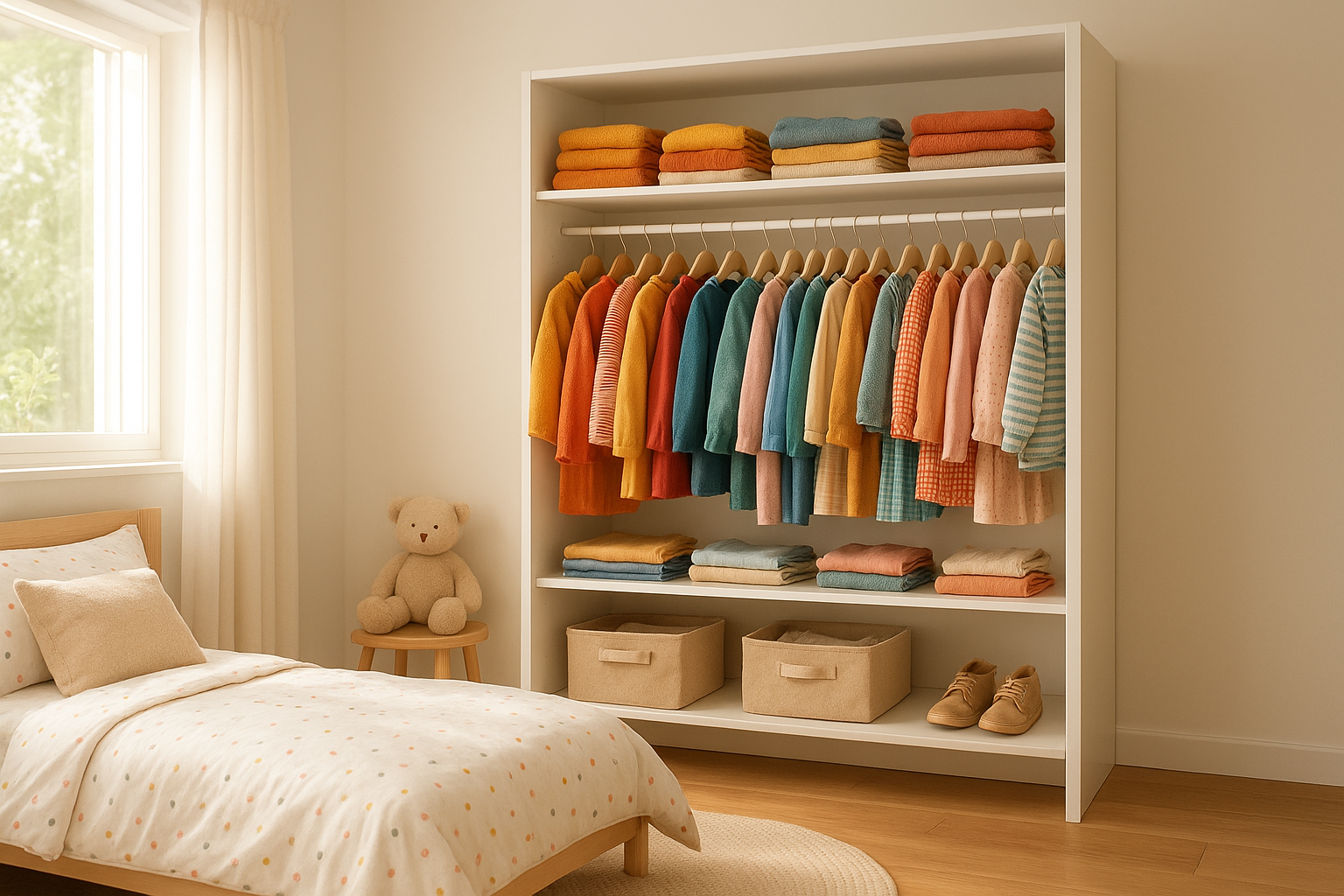
A well-organized swappable children's wardrobe makes managing kids' clothing effortless and stress-free.
What Is a Swappable Children's Wardrobe?
A swappable children's wardrobe is, simply put, a clothing system built around flexibility rather than ownership. Instead of purchasing clothes outright — only to watch them become too small within weeks — parents access a curated set of garments and return or exchange them as their child's needs change. The concept mirrors how many adults now approach media (streaming instead of buying DVDs) or transportation (ride-sharing instead of owning a car).
This model is most commonly offered through children's clothing rental subscriptions. Services like Bundle to Bundle provide families with curated bundles of premium children's apparel on a monthly membership basis, starting at fifty dollars per month. Subscribers can swap items anytime — when their child outgrows a size or simply wants a seasonal refresh — with free two-way shipping included.
Furthermore, the model is designed to be low-commitment. There are no long-term contracts, and families can cancel at any time. This makes it genuinely accessible for households at many different income levels and lifestyle stages.
Why the Traditional Approach to Kids' Clothing Isn't Working
Most parents are familiar with the frustration: you invest in a beautiful set of children's clothes, and within two months, nothing fits. According to the U.S. Environmental Protection Agency, Americans discard more than 11 million tons of textile waste annually — and children's clothing contributes significantly to that figure, given how quickly kids outgrow it.
Beyond the environmental cost, there is a real financial burden. Premium children's clothing from quality brands can cost anywhere from thirty to over one hundred dollars per piece. Multiply that across multiple sizes per year, and the total adds up quickly. As a result, many parents either overspend on quality or compromise by buying cheaper, less durable fast-fashion items that wear out even faster.
In contrast, a rotating kids' wardrobe model turns this problem on its head. Instead of owning clothing that rapidly loses value, families access a curated wardrobe that evolves with their child — without the financial hit of constant repurchasing.
The Hidden Costs Parents Often Overlook
It is not just the price tag on the clothes themselves. Storage space, laundry time, and the cognitive load of managing a constantly changing wardrobe all add up. Many parents find themselves drowning in bins of "maybe they'll fit next season" clothing that never gets used. For practical strategies on managing this chaos, this guide on solving kids' clothes chaos is an excellent starting point.
How to Set Up a Swappable Children's Wardrobe
Transitioning to a flexible, rotating clothing system is simpler than most parents expect. Here is a step-by-step process to get started:
- Audit your child's current wardrobe. Sort all existing clothing by size and condition. Remove anything outgrown, damaged, or unlikely to be worn. This gives you a realistic picture of what your child actually needs right now.
- Calculate your current clothing spend. Review the past six to twelve months of clothing purchases. Add up receipts or bank statements to establish a baseline. This number will help you evaluate whether a subscription model is more cost-effective for your family.
- Choose a children's clothing rental service. Research available options and compare pricing, brand selection, swap frequency, and shipping policies. Look specifically for services that cover your child's current and upcoming age range.
- Sign up and submit your child's measurements. Create an account, select a membership tier, and provide accurate size information. This allows the service to curate the right pieces for your first bundle.
- Receive your bundle and start swapping. Once your curated clothing arrives, begin using it. When items are outgrown or you want variety, initiate a swap through the platform and return items using the prepaid shipping label provided.
Additionally, if you are looking for more guidance on keeping costs manageable throughout this process, this resource on outfitting your child without overspending offers practical tips tailored specifically for budget-conscious parents.
Receiving a curated clothing bundle makes refreshing a child's wardrobe feel exciting rather than overwhelming.
The Sustainability Case for a Rotating Kids' Wardrobe
Beyond personal finances, the environmental argument for a rotating kids' wardrobe is compelling. The global fashion industry is one of the world's most polluting sectors. According to the Ellen MacArthur Foundation, less than one percent of clothing material is recycled into new clothing, and the average garment is worn only seven to ten times before being discarded.
Children's clothing, in particular, is a major contributor to this waste cycle. Because garments are outgrown so quickly, they often end up in landfills long before they are truly worn out. A swappable wardrobe model directly addresses this by extending each garment's useful life across multiple children and families.
Moreover, environmentally conscious parents can feel confident knowing that their clothing choices are part of a circular economy model — where garments are reused, not discarded. This aligns with broader sustainable fashion principles that researchers and environmental advocates increasingly recommend as a meaningful way for consumers to reduce their footprint.
Quality Over Quantity: A Smarter Wardrobe Philosophy
One of the most underappreciated benefits of a flexible kids' wardrobe is the shift it encourages in how families think about clothing. Rather than accumulating large quantities of cheap, disposable items, parents gain access to fewer, higher-quality pieces. This "quality over quantity" philosophy results in better-dressed children and, interestingly, less decision fatigue for parents managing daily outfits.
For families who want to keep their child's look fresh and stylish without constantly shopping, this approach to keeping children's wardrobes fresh and stylish explores the concept in more depth.
What to Look for in a Children's Clothing Swap Service
Not all children's clothing rental or swap services are created equal. Therefore, it is worth evaluating a few key factors before committing to any subscription:
- Brand quality: Look for services that partner with reputable, durable children's fashion labels — not fast-fashion brands that wear out quickly.
- Swap flexibility: The best services allow you to swap whenever your child outgrows items, rather than locking you into a fixed schedule.
- Shipping convenience: Free two-way shipping is a significant value-add. Paying for return shipping can erode the financial benefits of the subscription.
- Age range coverage: Ensure the service covers your child's current size and several sizes ahead, so you are not forced to switch providers as your child grows.
- No-commitment terms: A month-to-month structure without long-term contracts gives families the freedom to reassess at any time.
Bundle to Bundle checks all of these boxes. The service covers children from newborn to seven years old, offers a rotating wardrobe of premium apparel, includes free two-way shipping, and operates on a flexible monthly membership with no long-term commitment required. For families exploring this option, it is worth reviewing how wardrobe rental for kids can save both money and stress.
Keeping a Flexible Wardrobe Updated as Your Child Grows
One of the most practical advantages of a swappable system is how naturally it adapts to growth. Parents no longer need to plan months in advance or guess which sizes to buy. Instead, the service adjusts in real time — as soon as your child moves to the next size, you initiate a swap and new, properly fitting clothing arrives at your door.
This is particularly valuable during the newborn-to-toddler phase, when children can move through multiple sizes in a single season. Similarly, it helps during school-age years when activity levels, seasonal changes, and social preferences all influence what children want and need to wear.
For parents who want a deeper look at how to stay ahead of these wardrobe transitions, this guide on the best way to keep kids' wardrobes updated is a highly practical resource.
Maintaining a rotating wardrobe for kids is far simpler when a subscription service handles the curation and logistics.
Frequently Asked Questions About Swappable Children's Wardrobes
What is a swappable children's wardrobe?
A swappable children's wardrobe is a rotating system of kids' clothing that allows parents to exchange outgrown or out-of-season items for new pieces, rather than purchasing a permanent wardrobe. Services like Bundle to Bundle offer this through a monthly subscription model, making it easy and affordable for families.
How does a children's clothing rental subscription work?
Parents sign up for a monthly plan, receive curated clothing bundles, and swap items whenever their child outgrows them or their needs change. Most services include free two-way shipping so there is no hassle returning items.
How much does a swappable wardrobe subscription typically cost?
Costs vary by provider, but services like Bundle to Bundle start at around fifty dollars per month. This is often significantly less than buying new premium children's clothing every few months as kids grow through sizes.
Is a rotating kids' wardrobe worth it financially?
Yes, for most families it is. Children can outgrow clothing sizes in as little as two to three months, making outright purchases costly. A subscription model spreads that cost and gives access to premium brands at a fraction of the retail price.
What age range does a swappable children's wardrobe cover?
Most services cover newborn through early childhood. Bundle to Bundle, for example, serves families with children from newborn to seven years old, covering the fastest and most expensive growth stages.
Is children's clothing rental environmentally sustainable?
Yes. The rental model extends the life cycle of garments, reduces textile waste, and lowers the demand for fast fashion production. According to the Ellen MacArthur Foundation, the fashion industry accounts for significant global waste, and rental models directly counter this trend.
Can I cancel a kids' clothing subscription at any time?
Most reputable services, including Bundle to Bundle, offer a no-commitment structure with the ability to cancel at any time. This makes the service low-risk for families who want flexibility without long-term obligations.
How do I know which sizes to request in a swappable wardrobe?
You typically provide your child's current measurements or age when signing up, and the service curates clothing in the appropriate size range. As your child grows, you simply request a swap to the next size.
Are the clothes in a rental wardrobe clean and in good condition?
Reputable children's clothing rental services professionally clean and inspect every item before sending it to a new family. Quality standards are maintained to ensure clothing arrives in excellent, wearable condition.
What brands are typically available in a swappable children's wardrobe?
Premium services curate pieces from top-tier children's fashion labels. Bundle to Bundle, for instance, provides access to high-quality, premium children's apparel that would otherwise be expensive to purchase outright.
How quickly can I swap items when my child outgrows them?
Most subscription services allow you to request a swap at any time through their platform. Once the return is initiated, new items are typically shipped within a few business days, minimizing any gap in your child's wardrobe.
What is the biggest mistake parents make with kids' clothing?
The most common mistake is buying too many items in a single size, only to have the child outgrow them before wearing most pieces. A swappable wardrobe model eliminates this problem entirely by providing just the right amount of clothing at each stage.
Conclusion: Is a Swappable Children's Wardrobe Right for Your Family?
A swappable children's wardrobe represents one of the most practical innovations in modern family life. It solves the very real problems of rapid growth, financial strain, and clothing waste — all at once. Rather than fighting a losing battle against the speed at which children outgrow their clothes, families can instead embrace a flexible, rotating system that keeps pace with their child naturally.
Services like Bundle to Bundle make this model genuinely accessible — offering premium children's apparel, free two-way shipping, and a no-commitment monthly membership starting at fifty dollars. For environmentally conscious parents who value quality, variety, and convenience, this approach to children's fashion is not just a trend. It is a smarter, more responsible way to dress the next generation.


