


A stylish seasonal kids wardrobe is one of the smartest ways parents can keep their children dressed well without constantly buying new clothes. As kids grow fast between newborn and age seven, their closets need refreshing every few months to match both their size and the weather. Fortunately, there are practical ways to keep a seasonal rotation looking polished, functional, and budget-friendly.
Quick answer: A stylish seasonal kids wardrobe is a small, rotating set of weather-ready outfits refreshed every two to three months. The easiest way to maintain one is to combine a flexible clothing rental membership with a few owned basics, swapping pieces as your child grows instead of repurchasing full outfits each season.
What Is a Stylish Seasonal Kids Wardrobe?
A stylish seasonal kids wardrobe is a curated, rotating collection of children's clothing designed to match both the current season and the child's rapidly changing size. Unlike a static closet full of clothes bought once a year, a seasonal wardrobe is refreshed regularly so kids always have outfits that actually fit and function. Specifically, it includes layering pieces, weather-appropriate footwear, and a handful of coordinating colors that mix and match easily.
For families with children under seven, this approach matters more than most people realize. According to pediatric growth data referenced by the CDC's growth chart guidelines, young children can move up a clothing size every few months, which means a wardrobe built for permanence quickly becomes impractical.
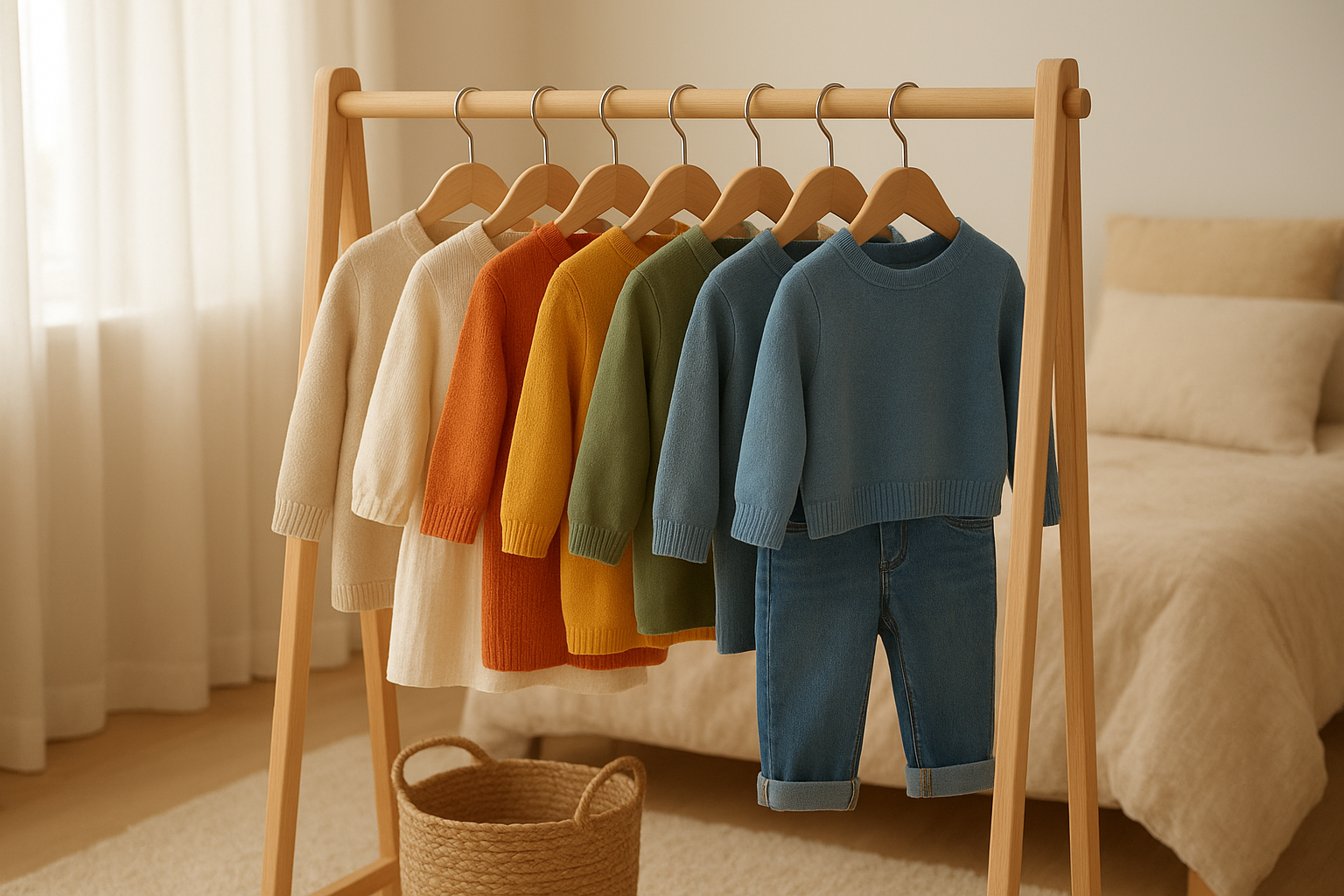
A well-organized rotation makes it easy to spot gaps in a stylish seasonal kids wardrobe.
Why Seasonal Kids Clothing Rotations Matter
Seasonal kids clothing rotations matter because children's bodies and the weather both change faster than most wardrobes can keep up with. Therefore, parents who skip seasonal check-ins often end up with closets full of clothes that no longer fit or suit the temperature outside. In contrast, a planned rotation prevents last-minute shopping trips and reduces impulse purchases.
In addition, rotating wardrobes help kids develop a sense of personal style early on, since they're regularly wearing pieces that actually fit and flatter. As a result, getting dressed becomes faster and less stressful for both parent and child. For more ideas on refreshing a child's look throughout the year, this guide on keeping children's wardrobes fresh and stylish offers additional practical strategies.
Above all, consistency is key. Setting a recurring seasonal check-in, rather than reacting only when clothes stop fitting, keeps the whole process manageable.
How to Build a Seasonal Wardrobe Step by Step
Building a stylish seasonal kids wardrobe doesn't need to be complicated. Below is a simple five-step process that works whether you're buying, renting, or combining both methods.
- Audit current sizes and gaps. Check your child's current clothing against their actual measurements, sorting pieces into keep, donate, and outgrown piles before adding anything new.
- Choose a seasonal color palette. Pick two or three core colors plus one neutral tone so every top and bottom can be mixed and matched without clashing.
- Select a flexible clothing source. Decide whether to buy, rent, or combine both, prioritizing rental for fast-growing sizes to reduce waste and retail spending.
- Fill in layering essentials. Add light jackets, long-sleeve basics, and proper footwear so the wardrobe adapts to temperature swings within the season.
- Schedule the next swap. Set a reminder two to three months out to reassess fit and swap outgrown pieces before the next season arrives.
Smart Style Tips for a Children's Seasonal Wardrobe
Keeping a children's seasonal wardrobe stylish doesn't require a huge budget. For instance, sticking to a limited, coordinated color palette instantly makes separate outfits feel intentional rather than mismatched. Similarly, investing in a few quality staples—like a well-made coat or versatile sneakers—often outperforms buying several cheaper, trend-driven pieces that wear out quickly.
Furthermore, rotating accessories such as hats, hair clips, or patterned socks can refresh the same core outfits without adding to the clothing count. Parents looking for more budget-conscious styling ideas may find this resource on creating a stylish kids wardrobe on a budget especially helpful.
Consequently, the goal isn't quantity—it's selecting pieces that work together across multiple outfit combinations.

Regular fit checks keep a stylish seasonal kids wardrobe practical as children grow.
Rental vs. Buying: What Actually Costs More?
When comparing clothing rental to traditional buying, the numbers often favor rental for fast-growing children. Specifically, a membership starting around fifty dollars per month can replace what would otherwise be several individual full-price purchases made every few months as a child outgrows sizes.
| Approach | Typical Monthly Cost | Flexibility |
|---|---|---|
| Retail shopping | Varies, often higher per outgrown item | Low — items must be repurchased each size |
| Clothing rental membership | From $50/month | High — swap anytime, free two-way shipping |
As a result, families who rotate through a rental model often spend less overall while still accessing premium, well-made brands. To see how this works firsthand, Bundle to Bundle's membership page outlines current plan options and included brands.
Sustainable Seasonal Kids Fashion
Sustainable seasonal kids fashion focuses on extending the life of each garment rather than discarding barely-worn clothes. Notably, the clothing swap concept—passing garments between families or services—has grown in popularity precisely because children outgrow clothes long before they wear out.
In particular, the U.S. Environmental Protection Agency has noted that textiles make up a meaningful share of municipal landfill waste each year. Therefore, choosing rental or resale options over single-use purchases directly reduces that impact. This approach pairs well with the idea of a capsule wardrobe, which emphasizes fewer, more versatile pieces over sheer volume.
For seasonal transition tips specifically, this guide on the best options for kids clothes during seasonal changes covers additional strategies worth considering.
Avoiding Common Wardrobe Mistakes
Even well-intentioned parents run into a few recurring issues when managing a seasonal wardrobe. For example, overbuying trendy, single-use pieces often leads to clutter and waste, since kids outgrow them before getting much wear. Similarly, neglecting layering basics can leave families scrambling when weather shifts unexpectedly between seasons.
On the other hand, skipping regular size checks is perhaps the most common oversight. Consequently, setting a recurring two-to-three-month review prevents most of these issues before they become a last-minute scramble. Parents searching for growth-friendly shopping strategies might also appreciate this piece on finding stylish clothes for a growing child, as well as tips on how to outfit a child without overspending.
Frequently Asked Questions
What is a stylish seasonal kids wardrobe?
A stylish seasonal kids wardrobe is a rotating collection of weather-appropriate clothing that's refreshed every few months to match a child's growth and the changing seasons. It typically mixes versatile basics with a few trend pieces so kids always have outfits that fit and function properly.
How many outfits does a child need per season?
Most families do well with 10 to 14 mix-and-match outfits per season, including layering pieces. This covers daily wear, laundry rotation, and special occasions without excess clutter.
How often should you update a kids wardrobe?
Children typically need wardrobe updates every two to three months since sizing and seasonal needs shift quickly, especially under age seven. Checking fit at the start of each season helps catch outgrown items early.
Is renting kids clothes cheaper than buying?
Yes, renting is often more cost-effective since a single rental membership replaces multiple full-price purchases that a child quickly outgrows. Subscription models also bundle shipping and cleaning costs into one predictable monthly fee.
What age range benefits most from clothing rental?
Newborns through age seven benefit the most because this age range experiences the fastest growth spurts and most frequent sizing changes. Rental services designed for this bracket reduce waste from barely-worn outgrown clothes.
How do kids clothing subscriptions work?
Parents choose a membership tier, select pieces based on size and style, and receive curated items shipped directly to their home. When a child outgrows or no longer needs an item, it's returned and swapped for new pieces.
What should I look for in a seasonal kids clothing box?
Prioritize quality fabrics, mix-and-match color palettes, and flexible exchange policies that let you swap sizes as needed. Free two-way shipping and no long-term commitment are also valuable features.
How can I keep my child's wardrobe sustainable?
Choose clothing rental or swap programs instead of buying new items every season, since this extends each garment's usable life across multiple children. Donating or reselling outgrown pieces also reduces textile waste.
What's the difference between a capsule wardrobe and a seasonal wardrobe for kids?
A capsule wardrobe is a small, curated set of interchangeable pieces meant to last longer, while a seasonal wardrobe rotates more frequently to match growth and weather changes. Many families combine both approaches for kids under seven.
How much does a kids clothing rental subscription cost?
Plans commonly start around fifty dollars per month, depending on the number of items and brands included. This is typically less than the ongoing cost of buying new seasonal clothing at retail prices.
Can I return items early if my child outgrows them?
Most flexible rental memberships allow swaps anytime a child outgrows or no longer needs a piece, rather than waiting for a fixed cycle. This flexibility is one of the biggest advantages over traditional retail shopping.
What are common mistakes parents make with seasonal kids wardrobes?
A common mistake is overbuying trendy pieces that get worn only once or twice before being outgrown. Another is ignoring layering basics, which leaves gaps when weather shifts unexpectedly between seasons.
How do I choose stylish pieces that mix and match?
Stick to a simple color palette of two or three complementary tones plus one neutral, so tops and bottoms pair easily. Choosing versatile patterns over single-use novelty prints also stretches outfit combinations further.
Is clothing rental good for the environment?
Yes, clothing rental reduces textile waste by keeping garments in circulation across multiple children instead of single use. According to the U.S. Environmental Protection Agency, textiles make up a significant share of landfill waste, and extending a garment's life cycle helps reduce that impact.
How can I build a stylish seasonal kids wardrobe on a budget?
Combine a rental membership for fast-growing sizes with a few owned basics like shoes and outerwear to balance cost and practicality. Planning outfits around a limited color scheme also stretches a smaller budget further.
Final Thoughts
Ultimately, building a stylish seasonal kids wardrobe comes down to planning, flexibility, and choosing a clothing strategy that keeps pace with how quickly children grow. Whether you rent, buy, or combine both approaches, regular size checks and a coordinated color palette make the process far simpler. As a result, families can keep their kids dressed well for every season without the stress or expense of constant retail shopping. For families ready to simplify the process, exploring a flexible rental membership is a practical next step toward a stylish, sustainable seasonal kids wardrobe.


