


Monthly rental for baby clothes is a subscription-based service that delivers a rotating wardrobe of size-appropriate outfits to your home each month, so your baby always has clothes that fit without the expense of constant buying. Because babies grow through multiple clothing sizes in their first year alone, this model has become one of the most practical and cost-effective solutions for modern parents.
In practice, the average baby outgrows a clothing size roughly every six to eight weeks during their first year. As a result, parents who buy new clothes at each stage often spend hundreds of pounds or dollars on items worn only a handful of times. A rental model solves this problem by spreading the cost and eliminating the waste.
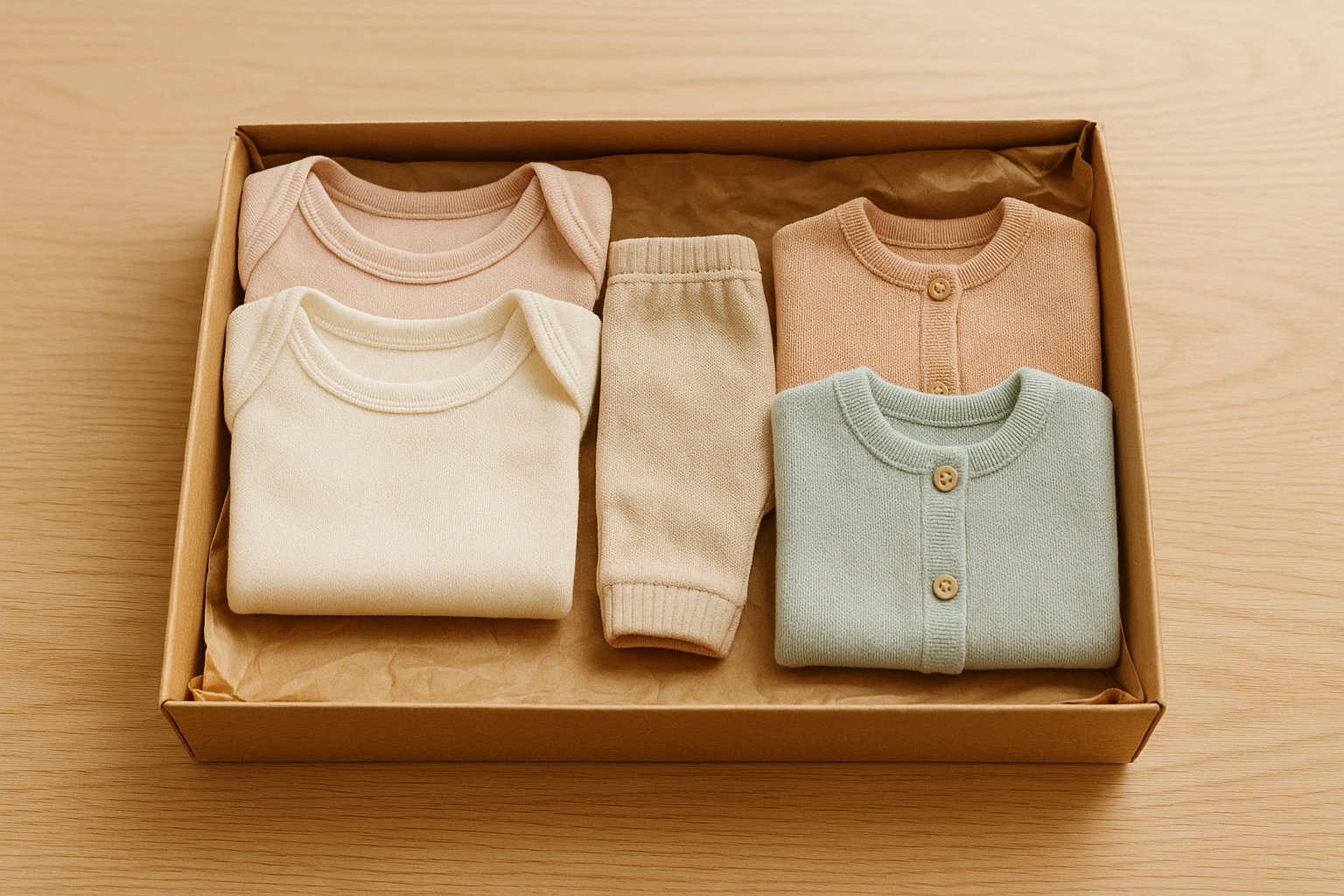
A typical monthly rental for baby clothes arrives as a curated bundle, sized and styled for your baby's current stage.
Why Parents Are Choosing Rental Over Buying
The traditional approach to dressing a baby involves buying new clothes at every size jump, often in bulk to save trips to the shop. However, this strategy leads to overstuffed drawers, items never worn, and significant financial waste. Additionally, the environmental cost of fast-fashion baby clothing is substantial, with millions of garments ending up in landfill each year.
Rental services address both problems simultaneously. Because each garment circulates through multiple families over its lifespan, the per-use environmental footprint drops dramatically. Meanwhile, parents pay a predictable monthly fee instead of unpredictable lump sums at every growth spurt.
According to the U.S. Environmental Protection Agency, textiles represent one of the fastest-growing waste categories, with clothing and footwear making up a significant share. Baby clothing, due to its extremely short use cycle, is a notable contributor to this figure.
How the Subscription Model Actually Works
Getting started with a baby clothes rental service is straightforward. Most platforms follow a five-step process that keeps the experience simple for busy parents.
- Choose a rental service — Research providers, compare pricing tiers, and confirm they carry your baby's current size range.
- Set your preferences — Enter your baby's age, size, style preferences, and any colour or gender-neutral requirements.
- Receive your first bundle — Your curated selection arrives by post, professionally cleaned and ready to wear immediately.
- Return outgrown items — Place outgrown clothes in the prepaid return bag and drop it at a courier point whenever your baby is ready for the next size.
- Receive the next size bundle — Within a few business days of your return being processed, the next bundle is dispatched.
Therefore, the cycle continues seamlessly, matching your baby's growth without any extra shopping trips or decision fatigue on your part.
What to Look for in a Quality Provider
Not all baby clothing rental services are created equal. Before committing to a plan, it is worth evaluating a few key factors to ensure you are getting genuine value.
Hygiene standards matter most. Reputable services use baby-safe, hypoallergenic detergents and inspect every garment between uses. Items showing excessive wear are retired from circulation, so your baby always receives clothes in good condition.
Damage policies are equally important to review. Most plans account for normal everyday mess and minor staining as part of the subscription. However, policies on accidental damage vary, so reading the terms carefully prevents unexpected charges.
Flexibility is another critical consideration. Look for month-to-month plans with no long-term lock-in, easy pause options, and straightforward cancellation. Services like Bundle to Bundle are designed with this flexibility in mind, making it easy for parents to adjust their plan as their baby's needs evolve.
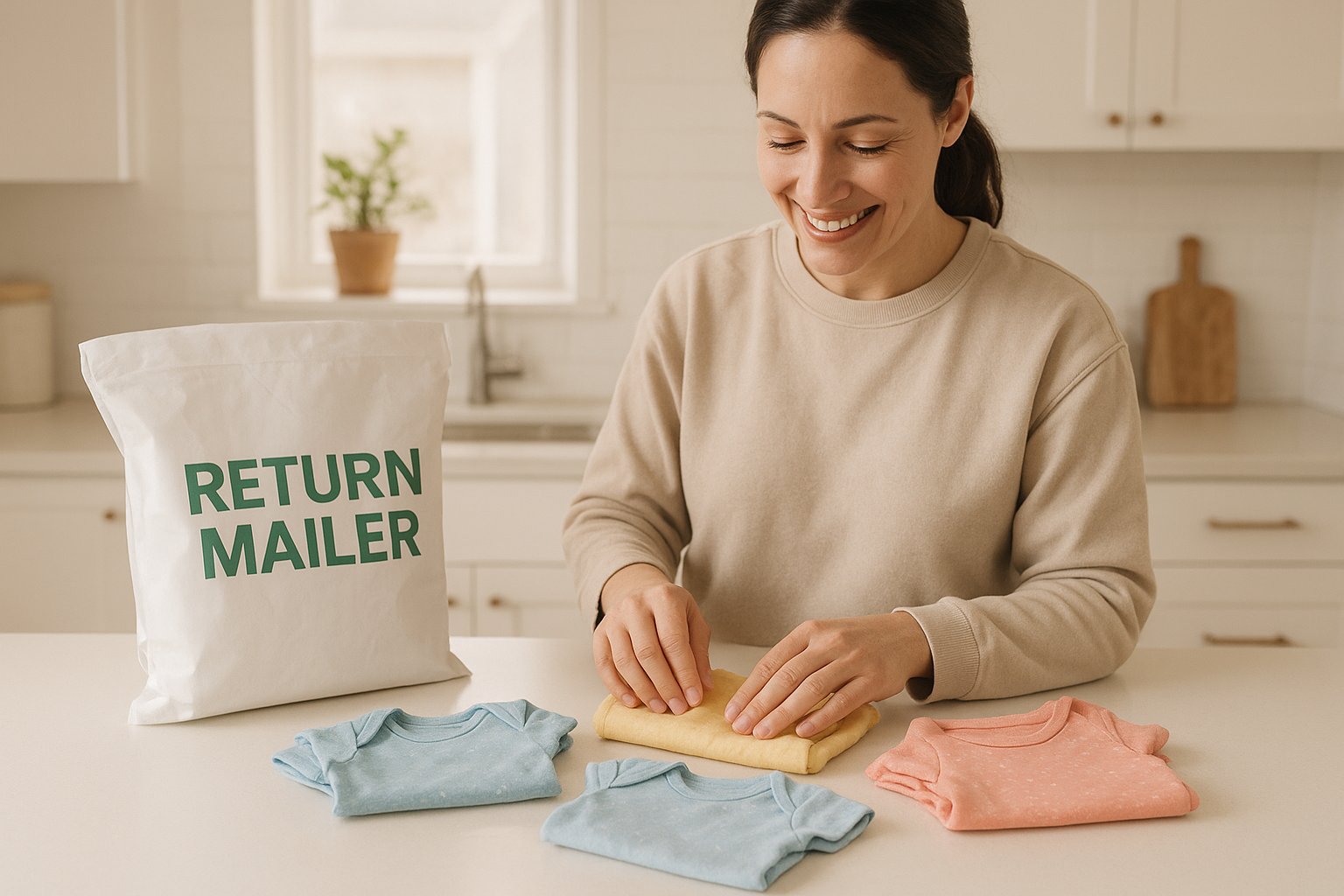
Returning outgrown items is designed to be effortless — simply pack and drop off using the prepaid return bag included with your bundle.
Real Cost Comparison: Buying vs. Renting
To understand the financial case for renting, consider a typical first year. A baby typically needs clothing across five or six size brackets — newborn, 0–3 months, 3–6 months, 6–9 months, 9–12 months, and 12–18 months. Buying even a modest wardrobe at each stage can cost between £40 and £120 per size, totalling £240 to £720 across the first year alone.
By contrast, a monthly rental subscription typically costs between £25 and £60 per month, equating to roughly £300 to £720 annually — but with significantly less waste, no storage burden, and no guesswork about which sizes to buy in advance. Furthermore, many parents find they spend less overall because they are not impulse-buying cute outfits their baby outgrows before wearing.
Quick Answer: Monthly rental for baby clothes typically costs £25–£60 per month and covers all sizes your baby needs during that period. It is generally cost-competitive with buying new, while eliminating storage clutter and reducing textile waste significantly.
Hidden Savings Beyond the Price Tag
The financial benefits extend beyond the direct cost comparison. When you rent, you avoid spending money on items in the wrong size because a growth spurt arrived earlier than expected. You also save the time and mental energy of researching brands, comparing quality, and making purchasing decisions repeatedly throughout the year.
Additionally, there is no need to resell or donate outgrown clothes, which takes considerable time and effort. The rental service handles that entire lifecycle on your behalf.
The Environmental Case for Circular Baby Fashion
Baby clothing sits at the extreme end of the fast-fashion problem. A garment worn for six weeks by one child before being discarded represents an enormous waste of the water, energy, and labour that went into producing it. Circular rental models directly counter this by ensuring each garment serves multiple children across its full useful life.
In contrast to single-use ownership, a well-maintained baby outfit rented through a subscription service might be worn by five or six different babies before being retired. This multiplies the value extracted from every garment and proportionally reduces the demand for new production. For eco-conscious parents, this is a compelling reason to choose rental over retail.
Services such as Bundle to Bundle are built around this circular philosophy, prioritising durable, high-quality garments that can withstand repeated laundering and multiple users without deteriorating.
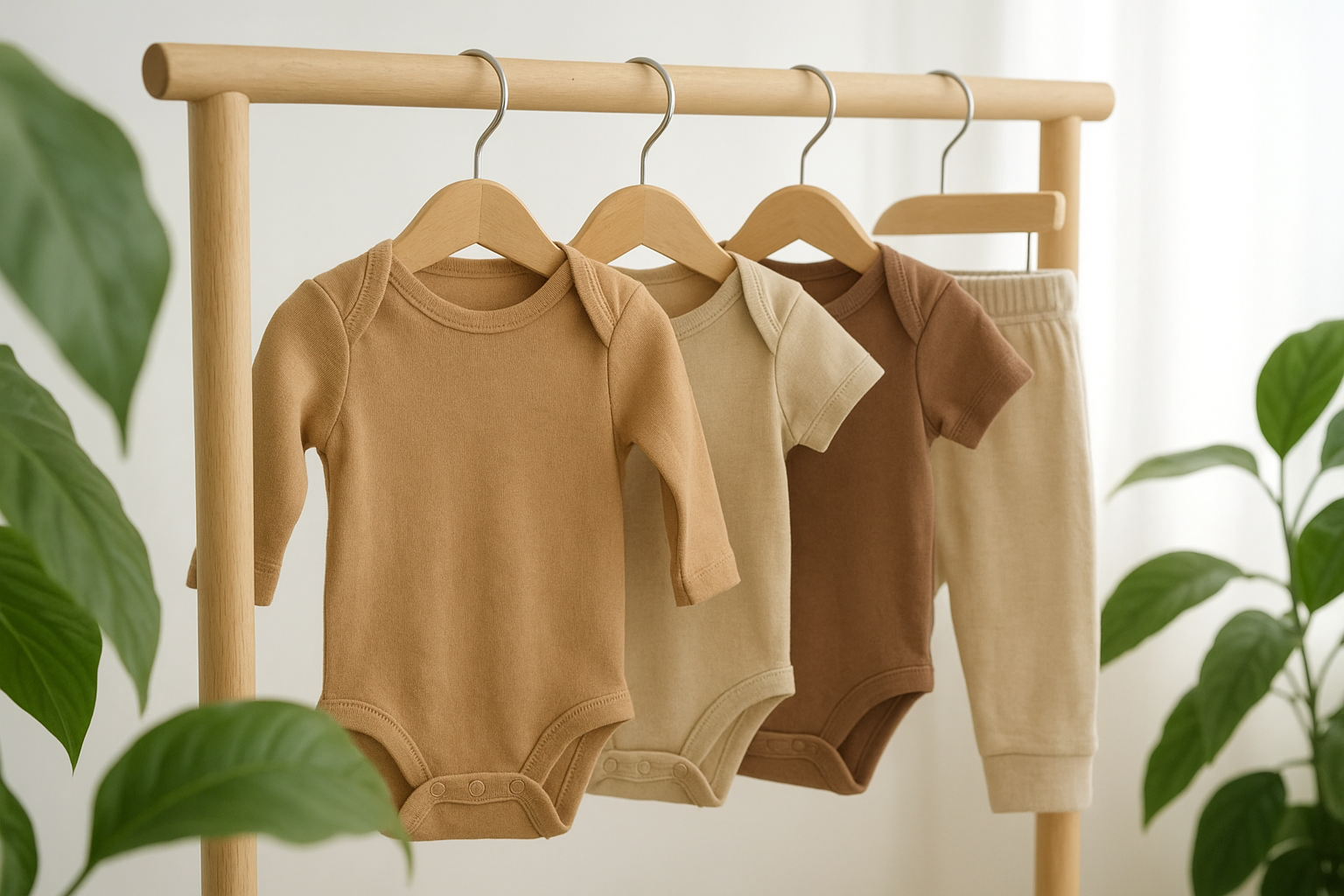
Choosing durable, organic-fabric items for baby clothing rental cycles extends each garment's life and reduces environmental impact.
Common Mistakes to Avoid When Signing Up
First-time users of baby clothing rental services sometimes make avoidable missteps. Understanding these in advance helps you get the most from your subscription from day one.
Waiting too long to return items is the most common issue. Because babies grow so quickly, holding onto outgrown clothes for several weeks means your baby may be without well-fitting options. Therefore, return as soon as you notice the current size is becoming snug.
Choosing the wrong plan size is another frequent mistake. If your baby is at the higher end of a size range, ordering the next size up immediately makes sense. Most services allow you to communicate this during sign-up or via customer support.
Ignoring the damage policy can lead to unexpected costs. Reading the terms around staining and wear before you subscribe ensures there are no surprises when you return items.
Frequently Asked Questions
Is Monthly Rental for Baby Clothes Right for Your Family?
Monthly rental for baby clothes is an excellent fit for parents who want to simplify the first years of parenthood, reduce unnecessary spending, and make a more sustainable choice for the planet. It is particularly well-suited to first-time parents who are uncertain about sizing, families in smaller homes with limited storage, and eco-conscious households looking to reduce their textile footprint.
In contrast, parents who already have a large supply of hand-me-downs or who strongly prefer owning specific brands may find a rental subscription less necessary. However, for the majority of families navigating the relentless pace of infant growth, the convenience, cost savings, and environmental benefits make rental a genuinely compelling alternative to traditional buying.
If you are ready to explore your options, starting with a reputable provider is the best first step. Research plans, compare what is included, and look for flexibility above all else. Your baby will thank you — and so will the planet.


