


Modern Kids Clothing Rental: The Complete Smart Parent's Guide
Modern kids clothing rental is a subscription-based or on-demand service that lets parents borrow curated, age-appropriate children's outfits, use them throughout a growth stage, and return them when their child moves on to the next size — eliminating waste, cutting costs, and removing the chaos of an ever-changing wardrobe.
Children in their first three years can burn through four to six clothing sizes before their third birthday. That relentless pace of growth means parents are constantly spending money on garments worn for just a few weeks — and then sorting through piles of barely-used clothes with nowhere practical to put them. Modern kids clothing rental solves this problem at the root by keeping high-quality garments circulating among many families rather than sitting idle in a drawer.
This guide covers everything you need to know: how rental subscriptions work, what sizes and age ranges are available, how clothes are cleaned and inspected between families, the real cost comparison against buying new, which occasions make rental a no-brainer, what pitfalls to avoid, and how to choose the right service for your specific family situation.
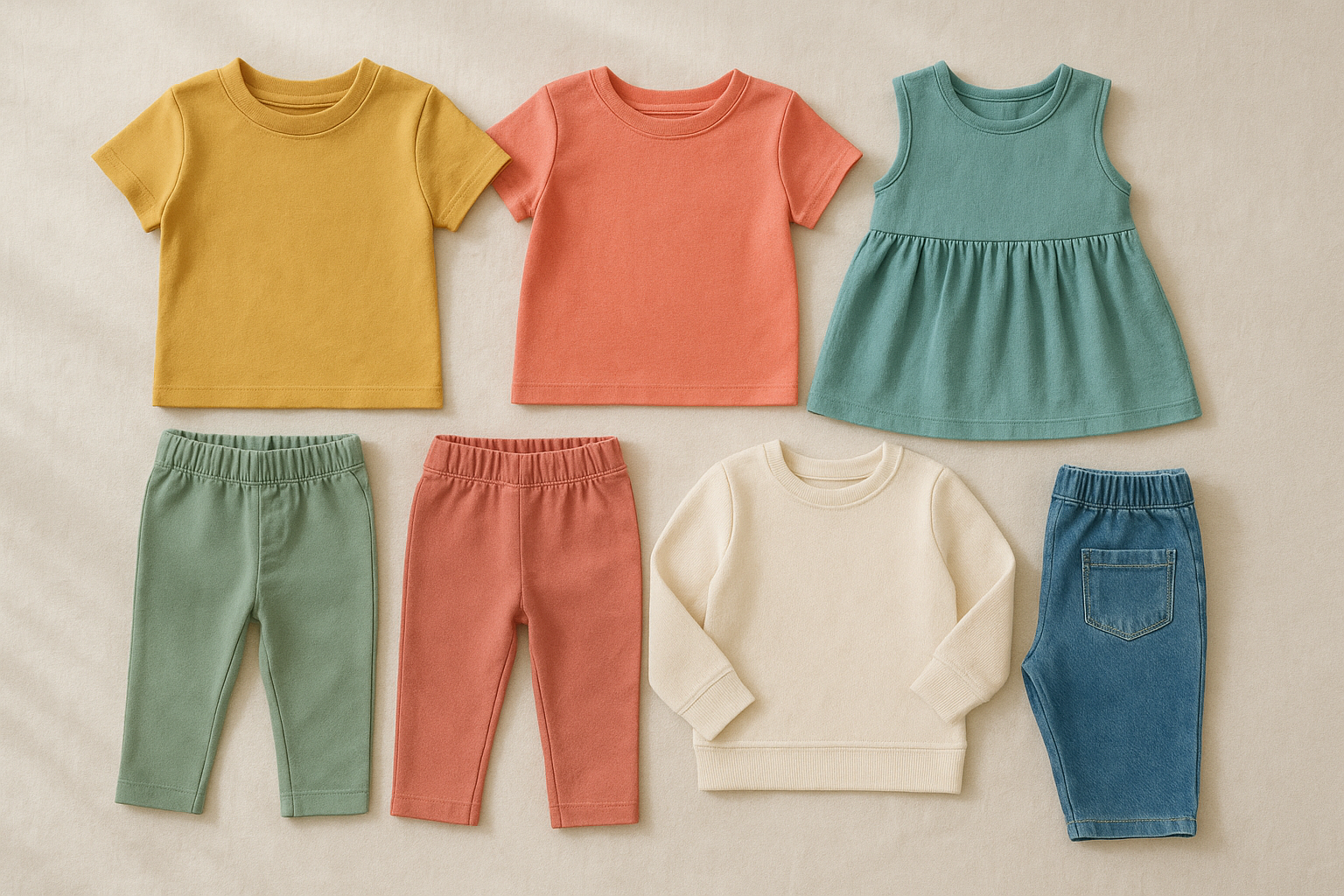
A curated bundle of modern kids clothing rental items professionally inspected and ready to ship to a family.
Why Parents Are Choosing Modern Kids Clothing Rental Over Buying
The financial and practical case for modern kids clothing rental is hard to argue with once you do the arithmetic. A child in the newborn-to-toddler window can race through sizes NB, 0–3M, 3–6M, 6–9M, 9–12M, 12–18M, 18–24M, 2T, and 3T in roughly 30 to 36 months. Buying even a modest wardrobe — seven to ten outfit pieces per size — at each stage adds up to thousands of dollars spent on items worn briefly before being boxed away.
Rental services flip this dynamic by spreading the cost of high-quality clothing across many families over time. The garments themselves are often from premium brands that hold up to repeated laundering, meaning parents access better-made clothing than they might buy individually at the same monthly price point.
The Environmental Case Is Equally Compelling
According to the U.S. Environmental Protection Agency, Americans discard millions of tons of textiles annually, and children's clothing — worn briefly and discarded — is a significant contributor. By circulating garments across multiple households instead of routing them to landfill after a single child's use, rental services dramatically extend each garment's functional life and reduce the fashion industry's environmental footprint.
This is not just an abstract environmental benefit. For parents who want to model intentional consumption habits for their children, choosing a circular model over fast fashion is a concrete, everyday action with measurable impact.
The Convenience Factor Parents Rarely Anticipate
Beyond savings and sustainability, the sheer convenience of rental is often what converts skeptical parents into long-term subscribers. Rather than spending time researching brands, comparing sizing charts, ordering from multiple retailers, and then sorting through what fits and what doesn't, a rental service delivers a pre-selected, size-appropriate bundle directly to the door — and takes the outgrown clothes back in a prepaid bag. The mental load reduction alone makes it worth exploring.
How Modern Kids Clothing Rental Works: Step by Step
The process is deliberately streamlined to suit busy families. Here is a detailed breakdown of exactly what to expect from first sign-up to your first swap and beyond:
- Research and choose a rental service — Compare platforms across several factors: the size ranges they cover, how many items come per bundle, their damage policy, cleaning standards, and whether they serve your region. Read recent customer reviews specifically about how the service handles problems such as delayed shipments or wrong sizes.
- Select your subscription plan and size range — Most services offer tiered plans based on bundle size (number of items) or swap frequency. Choose a tier that matches your child's current measurements and expected growth over the coming months. Always measure your child just before subscribing rather than relying on age labels, which vary widely between brands.
- Set detailed style preferences — Indicate colour palettes, fabric preferences (cotton-heavy, cosy knits, etc.), gender-neutral or gendered styling, and any specific occasion needs. The more detail you provide here, the better the curation — vague preferences lead to bundles that miss the mark.
- Receive, unbox, and use your bundle — Your curated box arrives pre-inspected and laundered. Dress your child throughout the rental period without worrying about storage, resale, or what happens to the clothes afterward. Normal wear and tear is expected — you are not renting museum pieces.
- Return everything in the prepaid bag — When your child outgrows the items or the rental window closes, pack the bundle into the prepaid return bag included with your delivery and drop it in the post. No washing required on your end — the service handles all laundering and quality inspection.
- Receive your next fresh bundle — Once your return is processed, a new size-appropriate bundle is dispatched. Most services turnaround within a few business days. Premium plans often offer the ability to request early swaps if your child has a growth spurt mid-cycle.
Services like Bundle to Bundle have refined this loop to feel genuinely effortless, handling every aspect of laundering, quality control, and logistics between families so parents can focus entirely on their children rather than their wardrobes.
Age Ranges and Size Coverage: What to Expect
One of the most important factors in choosing a modern kids clothing rental service is making sure their size range actually matches where your child is — and where they are heading. Here is a breakdown of what the market typically covers:
- Newborn (NB) through 12 months — The highest-velocity growth stage. Babies can move through two or three sizes in a single season, making rental the clearest financial win here. Most major platforms cover this range thoroughly.
- Toddler sizes 12M through 4T — Growth slows slightly but remains rapid. The toddler range is the most popular segment on rental platforms, with the widest style variety and fastest inventory turnover.
- Little kids sizes 4 through 8 — Growth becomes more predictable. Some services scale back their range at this stage, so verify coverage before subscribing if your child is in this window.
- Big kids sizes 8 through 12 — Fewer rental platforms serve this range, but they do exist. Occasion wear rental (school formals, sports events) tends to be more relevant than everyday subscription at this age.
If you have multiple children at different stages, look for a service that can handle them under a single account or at a household discount — some platforms bundle multi-child subscriptions at a reduced per-child rate.
Quality and Hygiene: What Happens Between Renters
Hygiene is the first concern most parents raise when they first consider renting pre-worn children's clothing, and it is a completely reasonable question. The reassuring reality is that reputable services apply standards that go far beyond typical household laundering.
The Cleaning and Inspection Process
- Professional laundering with child-safe detergents — Every returned garment is commercially washed using non-toxic, fragrance-free, dermatologist-approved detergents specifically selected for infant and toddler skin sensitivity.
- Item-by-item quality inspection — Trained staff examine each piece for pilling, fading, loose threads, broken fastenings, and structural wear before it is cleared for the next rental cycle.
- Retirement of worn items — Garments that pass inspection but show cosmetic aging are flagged and removed from active circulation. Customers never receive items that look tired or significantly used.
- Stain treatment — Professional stain removal is applied before laundering, not as an afterthought. Most services achieve a pass rate on common toddler stains (food, grass, paint) that far exceeds what home washing can manage.
The practical result is that clothes arriving at your door are typically in excellent condition — often indistinguishable from new — because the economic incentive for the rental service is to keep garments in rotation for as long as possible. A worn-out garment that has to be retired is a lost asset, so it is in everyone's interest to maintain quality rigorously.
Every garment in a rental bundle undergoes professional laundering and quality inspection between families.
Real Cost Savings: Rental vs. Buying New
To understand the financial picture clearly, it helps to look at actual numbers rather than vague claims about savings. Consider a typical toddler wardrobe covering sizes 18 months through 3T — roughly 18 months of wear across three size increments.
Buying New vs. Renting: A Rough Comparison
- Buying new per size increment: A modest 8–10 piece wardrobe of mid-range branded items typically costs $150–$300 per size. Across three increments (18M, 2T, 3T): $450–$900 total.
- Resale recovery: Resale via apps like ThredUp or Facebook Marketplace rarely returns more than 10–20% of retail value for toddler clothes. Realistic resale recovery: $50–$150 total.
- Net cost of buying: Roughly $400–$750 over 18 months of toddler sizing.
- Renting via subscription: A mid-tier rental plan covering 8–10 items at a time runs approximately $50–$80/month, or $900–$1,440 over 18 months — but this covers rotating fresh bundles, higher-quality brands, zero storage overhead, and none of the time cost of shopping and reselling.
- The real saving is often contextual: For parents buying budget fast-fashion, buying may still be cheaper numerically. For parents who care about quality, variety, and time, rental consistently wins on total value delivered per dollar.
"The real saving is not purely monetary — it is also the cumulative hours spent shopping, comparing sizes, waiting for deliveries, sorting misfits, and eventually posting items for resale. That time has real value too."
The Rent-to-Own Option
Many services offer a rent-to-own pathway: if your child becomes deeply attached to a particular outfit (as toddlers inevitably do), you can purchase it at a reduced price that credits the rental fees already paid. This removes one of the most common objections to renting — the fear of losing a beloved favourite — and makes the model genuinely flexible for families who want the option to keep certain pieces.
What Types of Clothing Are Available to Rent?
A common misconception is that kids clothing rental is limited to basic everyday separates. In reality, the range of clothing types available through modern rental platforms covers virtually every wardrobe need a child has:
- Everyday essentials — T-shirts, leggings, joggers, casual dresses, shorts, and comfortable layering pieces for nursery, playgroup, and weekend wear.
- Outerwear — Fleece jackets, puffer coats, and raincoats — items that are expensive to buy new and outgrown rapidly. Seasonal outerwear is one of the strongest rental arguments given the short wear window per size.
- Occasion and formal wear — Dressy dresses, suits, smart trousers, and occasion-ready outfits for weddings, christenings, holiday portraits, and parties. This is arguably the single strongest use case for rental.
- Seasonal and weather-specific items — Swimwear, sun hats, thermal underlayers, and holiday-specific sets that have an extremely narrow window of use.
- Themed and novelty pieces — Halloween costumes, holiday pyjamas, and character-themed items that parents typically buy, use once, and then store indefinitely.
Occasions and Special Events: The Strongest Case for Rental
Formal and occasion wear is consistently where modern kids clothing rental delivers the most obvious value. A wedding guest outfit for a two-year-old might cost $60–$120 new, be worn for four hours, and then sit in a box for the rest of the child's childhood. A Halloween costume is bought with excitement, worn once, and joins the storage pile. Holiday portrait outfits suffer the same fate.
Rental completely sidesteps this pattern. Many platforms let parents request specific occasion styles — formal navy suits, floral tea dresses, velvet holiday sets — for an upcoming event. The item arrives in time, gets worn for the occasion, and is returned without any further thought required. No storage decision, no guilt about the price tag, no hoping someone buys it second-hand.
Seasonal Rotation: Outerwear and Holiday Clothing
Seasonal wardrobe transitions are another sweet spot. Purchasing a full winter coat for a child who will have outgrown it by the following season — and may not even wear it in a mild winter — is a significant waste of money. Renting a size-appropriate coat for the season and swapping it for the next size the following winter is straightforwardly smarter for most families.
Understanding Damage Policies and What They Cover
Damage policy anxiety is one of the most common reasons parents hesitate before their first rental. The reality is far more parent-friendly than most people expect, because rental services are built around the understanding that children are messy, active, and unpredictable — and their clothing should be expected to reflect that.
What Normal Wear and Tear Covers
- Food stains from normal mealtimes
- Grass stains and outdoor play marks
- Minor fabric pilling from regular use
- Fading from normal washing (handled by the service)
- Small snags that can be repaired without retiring the item
What May Incur an Additional Fee
- Irreversible staining from permanent markers or paint used in concentrated amounts
- Significant structural damage such as torn seams beyond repair
- Missing items from the bundle on return
- Items returned with deliberate alterations
The key is to read the specific damage policy of whichever service you choose before subscribing. Reputable platforms publish clear definitions of covered versus chargeable damage and cap liability fees at reasonable amounts — typically the replacement cost of the individual garment rather than some inflated penalty figure.
Common Mistakes to Avoid When Renting Kids Clothes
Even though the process is intentionally straightforward, a handful of avoidable missteps can reduce the value you get from a subscription. Being aware of these upfront saves frustration later:
- Ordering by age label rather than measurement — Children's sizing varies dramatically between brands. Always measure chest, waist, inseam, and height just before ordering, and compare those measurements against the service's specific sizing guide. Age labels are decorative at best.
- Skipping the damage policy — Reading the fine print before signing up prevents unpleasant surprises at return time. Understand exactly what counts as acceptable wear versus chargeable damage for that specific service.
- Holding onto bundles beyond the rental window — Late returns delay your next bundle and may trigger late fees. Returning promptly keeps the subscription cycle working in your favour and your next box dispatched quickly.
- Providing vague style preferences — Services do their best with the information given. If you submit vague preferences ("anything casual"), you may receive a bundle that doesn't reflect your child's personality or your household's style. Be specific: preferred colours, patterns, fabric textures, and any absolute dislikes.
- Committing to a long billing cycle without testing first — Many services offer a first-box trial or a month-to-month option at a slight premium. Always start with the shortest commitment available to verify the curation quality and logistics experience before locking in quarterly or annual billing.
- Ignoring customer service reputation — A service's responsiveness to problems — delayed shipments, wrong sizes, billing discrepancies — is more important than headline pricing. Check recent reviews across multiple sources before committing.
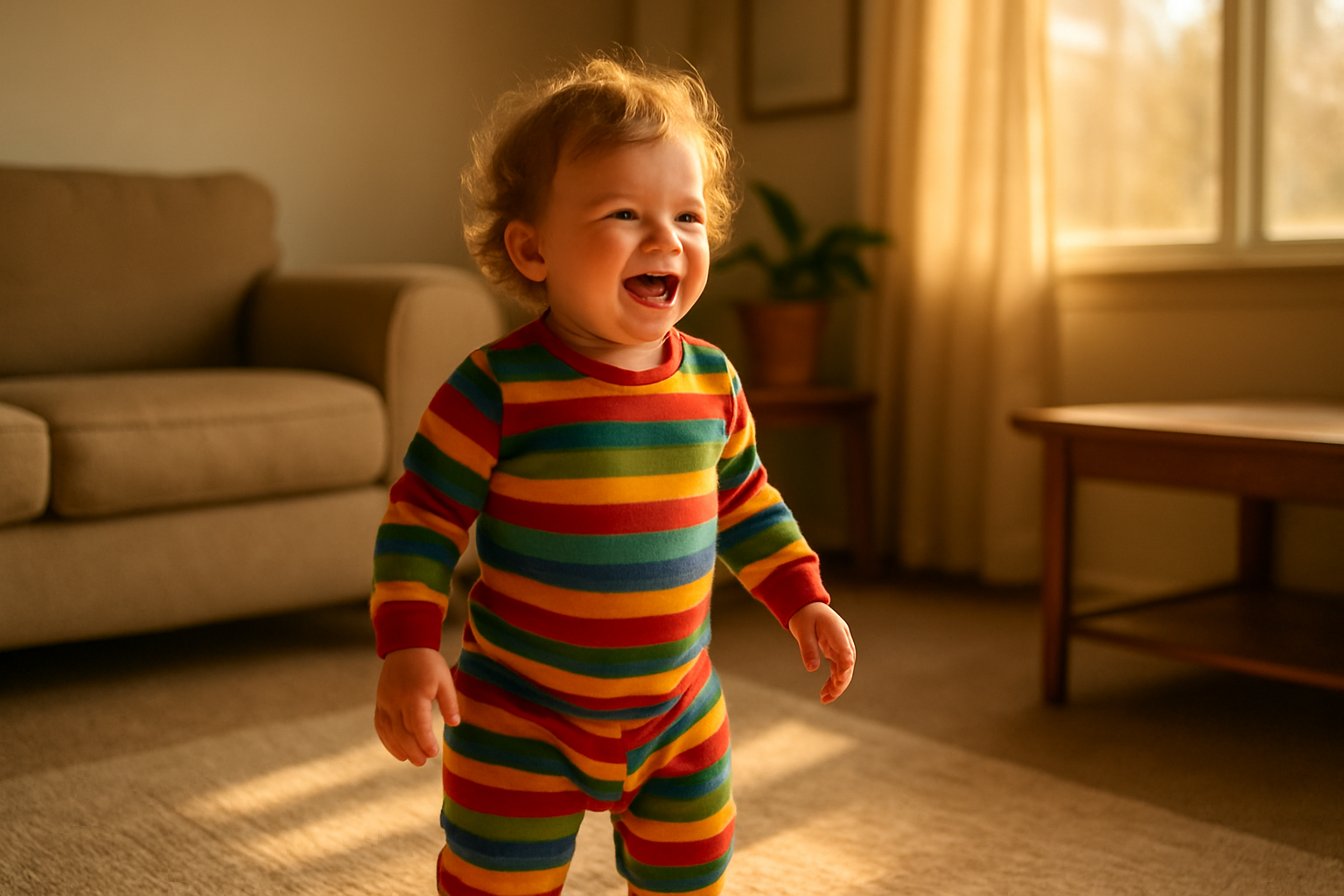
A toddler in a rental outfit — stylish, comfortable, and ready for swapping when the next size is needed.
How to Choose the Right Kids Clothing Rental Service
Not every rental service is built the same way, and the differences between them matter more than most parents realise before their first box arrives. Evaluating the following criteria systematically will make a significant difference in the quality of your experience:
Key Evaluation Criteria
- Size range coverage — Confirm the service covers your child's current size and has solid inventory through the next two or three size increments you will need. Some services stop at toddler sizes; others extend through size 12 or 14.
- Bundle size and variety — More items per bundle means more outfit combinations and fewer in-between laundry days. A 10-piece bundle provides significantly more flexibility than a 5-piece bundle at the same price point.
- Swap turnaround time — How quickly does the service process your return and dispatch the next bundle? Services that offer tracking on both outbound and return shipments are significantly more convenient in practice.
- Cleaning and hygiene standards — Look for services that publish their laundering process transparently, specifying the detergents used and their inspection criteria. Vague claims of "professionally cleaned" should prompt follow-up questions.
- Damage policy clarity — A clear, detailed, fair damage policy is a sign of a service that has its operations under control. Vague policies benefit the service, not the subscriber.
- Flexible cancellation — Life with small children is unpredictable. Prioritise services that offer easy cancellation or pause options without penalty, particularly if your family situation might change.
- Customer service quality — Search for recent reviews that discuss how the service handled actual problems — not just the happy-path experience. A service that responds quickly and fairly to issues is worth paying a small premium for.
- Rent-to-own or purchase option — Especially useful for families who want the safety net of keeping items their child loves without committing to buying everything upfront.
Bundle to Bundle is designed with exactly this seamless experience in mind — covering the newborn through toddler range with transparent policies, child-safe cleaning, and fast turnaround — making it a strong starting point for families new to the concept.
Modern Kids Clothing Rental and the Circular Economy
The rise of modern kids clothing rental is part of a broader and accelerating shift toward the circular economy in fashion. Where the traditional linear model runs make → buy → use briefly → discard, the circular model keeps products in use for as long as their physical life allows.
Children's clothing is an almost perfect fit for this model. A well-made toddler T-shirt can withstand dozens of professional wash cycles and be worn by six or eight children across its functional life. Under a traditional purchase model, that same T-shirt might be worn ten times by one child and then donated or discarded. The efficiency gap between these two outcomes is enormous.
Teaching Children About Conscious Consumption
For parents who want to model intentional consumption habits, choosing rental over fast fashion is a concrete, daily-life expression of those values. Children absorb the norms they grow up in. A household that treats clothing as something to be used, cared for, and passed on — rather than bought and discarded — instils a framework that carries into adult life.
Meanwhile, the practical benefits — lower costs per size, less clutter, no sorting through outgrown piles, no resale hassle — make the sustainable choice the convenient one too, which is the ideal combination for making good habits stick.
Quick Summary: Modern kids clothing rental works by sending families a curated box of children's outfits on a subscription or on-demand basis. Parents use the clothes across a growth stage, then return them in a prepaid bag when their child moves up a size — saving money, reducing textile waste, and eliminating the clutter of outgrown wardrobes. Services handle all laundering and quality inspection between families.
Frequently Asked Questions About Modern Kids Clothing Rental
What is modern kids clothing rental?
Modern kids clothing rental is a subscription or on-demand service where parents receive rotating bundles of curated, age-appropriate children's outfits, use them throughout a growth stage, and return them when their child outgrows them. It reduces textile waste, cuts clothing costs, and eliminates the constant chore of managing a rapidly changing wardrobe.
How does a kids clothing rental subscription work?
Parents sign up, choose a subscription plan, select their child's size range and style preferences, and receive a curated clothing bundle delivered to their door. When the rental period ends or the child outgrows the items, everything is returned in a prepaid bag and a new, freshly laundered bundle is dispatched. Services handle all cleaning, quality inspection, and logistics between renters.
Is kids clothing rental cheaper than buying new clothes?
For rapidly growing infants and toddlers, rental is typically cheaper when you account for the full cost of buying new at each size, the poor resale returns on children's clothing, and the time spent shopping and sorting. Monthly subscription plans provide access to higher-quality brands than most parents would purchase individually at the same price point.
Are rented children's clothes hygienic and safe?
Yes. Reputable services professionally launder every garment between rentals using child-safe, non-toxic, fragrance-free detergents and conduct item-by-item quality inspections before each new rental cycle. Clothing showing significant wear is retired from circulation rather than passed on — the result is garments that arrive in genuinely excellent condition.
What age ranges and sizes do kids clothing rental services cover?
Most services cover newborn through size 10 or 12, with the newborn-through-toddler range (NB to 4T) being the most comprehensively stocked. Some platforms extend coverage to big-kids sizes (10–14). Newborn and toddler coverage is most in-demand because growth is fastest and the financial waste of buying new is most acute at that stage.
What happens if my child damages a rented outfit?
Most rental services include normal wear and tear — food stains, grass marks, minor pilling — in their standard plans because they understand children are active. Severe, irreversible damage beyond ordinary use may result in a small additional fee, typically capped at the replacement cost of the individual garment. Always read the specific damage policy before subscribing.
How is kids clothing rental good for the environment?
By circulating garments across multiple families rather than discarding them after one child's use, rental services dramatically extend each garment's functional life and reduce textile landfill contributions. The model supports the circular economy — keeping products in use as long as their physical condition allows — and is a meaningful alternative to the fast-fashion make-use-discard cycle.
What types of children's clothing can I rent?
Modern kids clothing rental services offer everyday essentials (T-shirts, leggings, casual dresses), outerwear (coats, jackets), occasion and formal wear (wedding outfits, holiday sets), seasonal items (swimwear, thermals), and themed or novelty pieces (Halloween costumes, holiday pyjamas). Coverage varies by platform, so check the catalogue before subscribing.
Can I choose specific styles or brands when renting kids clothes?
Most services allow parents to set style preferences including colour palettes, patterns, gender-neutral or gendered styling, and occasion needs. Premium tiers often allow brand preferences or specific item requests. Exact availability depends on current inventory, but the more specific your preferences, the better the curation you receive.
How often can I swap out clothes in a rental subscription?
Swap frequency depends on the plan chosen. Basic plans typically allow one swap per month or per size change. Premium plans may offer more frequent rotations, early-swap options for growth spurts, or unlimited swaps within a billing cycle. Check the swap policy carefully before choosing a tier so it aligns with your child's actual pace of growth.
What should I look for when choosing a kids clothing rental service?
Prioritise transparent pricing, clearly defined damage policies, verified child-safe cleaning practices, comprehensive size range coverage, fast swap turnaround, and strong customer service reputation. Also check for flexible cancellation terms and whether the service offers a rent-to-own option for items your child loves.
Can I buy items I love from a rental service?
Yes. Many kids clothing rental platforms offer a rent-to-own or direct purchase option. If your child becomes attached to a particular piece, you can typically buy it at a reduced price that credits the rental fees already paid — making it a low-risk way to discover favourite pieces before committing to purchasing them outright.
Is kids clothing rental available for special occasions like weddings or holidays?
Absolutely. Occasion wear is one of the strongest arguments for rental — formal children's outfits for weddings, christenings, and holiday portraits are typically worn once or twice before a child outgrows them entirely. Many services offer dedicated occasion wear catalogues where you can request specific event-appropriate styles for a defined rental window.
Do kids clothing rental services work for multiple children in the same household?
Yes. Some platforms offer multi-child household plans or household discounts that cover siblings at different size stages under a single subscription account. If you have more than one child, this is worth checking specifically when comparing services — the per-child cost can drop significantly on household plans.
How do rental services handle early size changes between swaps?
Most reputable services accommodate growth spurts between scheduled swaps. Premium plans often include an early-swap option that lets you return the current bundle and request the next size before the billing cycle ends. Even on basic plans, contacting customer service about an early swap is usually met with flexibility — services would rather work with you than have you sitting on clothing that no longer fits.
In conclusion, modern kids clothing rental offers a genuinely smarter way to dress growing children — combining meaningful cost savings, environmental responsibility, and real day-to-day convenience into a single flexible subscription. Whether you are navigating the newborn blur or chasing a fast-growing toddler through size after size, renting rather than constantly buying is a decision that benefits your budget, your storage space, and the planet. Bundle to Bundle is a strong first step toward making that shift — designed from the ground up to make every swap feel effortless.


