

Kids seasonal clothing rental is quickly becoming the go-to solution for parents who are tired of buying winter coats and swimsuits their children outgrow within a single season. Instead of purchasing brand-new outfits every few months, families can subscribe to a rotating wardrobe that adjusts as the weather, and their child, changes. This approach saves money, reduces clutter, and keeps kids dressed in high-quality clothing without constant shopping trips. In particular, it appeals to parents who want a smarter, more sustainable way to manage a growing child's closet.
Quick answer: Kids seasonal clothing rental is a subscription service that lets families borrow curated, season-appropriate children's apparel for a flat monthly fee, then swap pieces as kids grow or seasons change instead of buying new clothes outright.
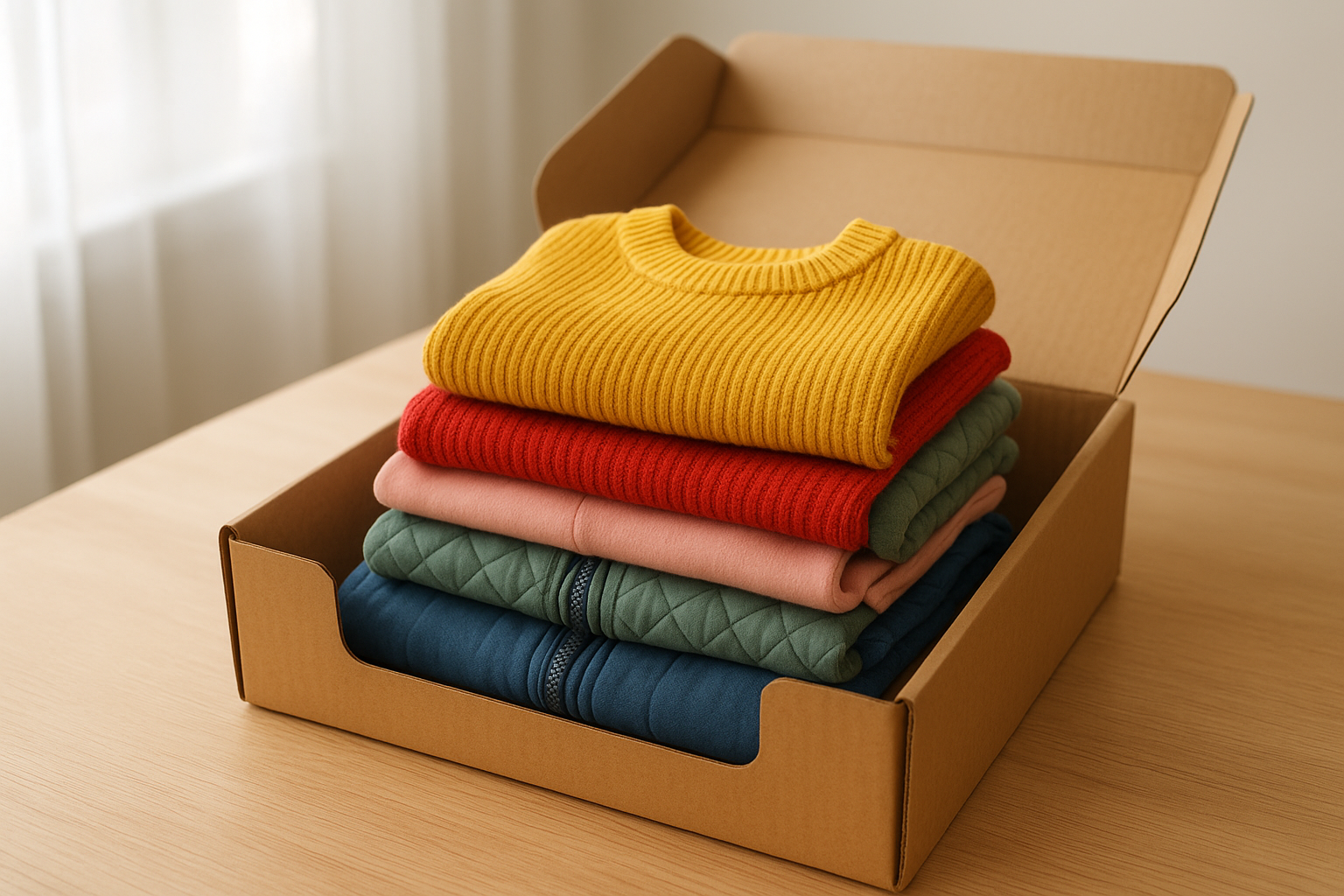
A curated box is the starting point of most kids seasonal clothing rental memberships.
What Is Kids Seasonal Clothing Rental?
Kids seasonal clothing rental is a membership-based alternative to traditional retail shopping. Rather than purchasing winter jackets, rain boots, or summer sets outright, parents pay a recurring fee, often starting around fifty dollars a month, to access a rotating selection of high-quality garments. As a result, families always have season-appropriate clothing on hand without overspending or overcrowding closets.
Typically, these services curate pieces from premium children's fashion labels, which means kids wear better-made clothing than many parents would otherwise buy at full retail price. Furthermore, because pieces are returned once outgrown or once the season ends, there's no pressure to make the "right" purchase for a phase that might last only a few months. Consequently, this model works especially well for newborns through early elementary-age kids, since growth spurts happen fastest during those years.
For example, a subscription plan like the one offered through kids clothing rental plans lets parents swap out an entire wardrobe as fall turns to winter, without paying full price for items that will only fit for a short window.
How Does a Seasonal Kids Clothing Subscription Work?
Understanding the mechanics of a seasonal kids clothing subscription helps parents decide if it fits their household. Most services, including Bundle to Bundle, follow a similar step-by-step process.
- Choose a plan. Parents select a monthly membership level based on how many pieces they need each season.
- Complete a style profile. Sizes, preferences, and upcoming season needs help the service curate matching pieces.
- Receive curated pieces. A box of premium apparel arrives, sized and styled for the current season.
- Swap as needed. When a child outgrows an item or the season shifts, parents request a swap.
- Return with free shipping. Outgrown or off-season pieces are shipped back at no extra cost, and new items are sent out.
This cycle repeats for as long as the family stays subscribed, and most providers, such as the option detailed in this premium rental options guide, allow cancellation anytime, so there's no long-term commitment.

Free two-way shipping makes swapping between seasons simple and low-effort.
Why Families Choose Seasonal Rental Wardrobes for Kids
Above all, cost savings drive most parents toward seasonal rental wardrobes for kids. Buying a full seasonal wardrobe outright, including coats, boots, and layering pieces, can easily cost several hundred dollars, especially for premium brands. In contrast, a monthly subscription spreads that cost predictably and often works out cheaper over a year, since items are reused rather than left in the back of a closet after one wear.
In addition, convenience plays a major role. Parents no longer need to plan shopping trips around growth spurts or track down specific sizes before a season starts. Instead, the service delivers pre-sized pieces automatically. Similarly, families who move between climates or travel frequently appreciate having quick access to weather-appropriate clothing without buying items they will only wear once.
Sustainability matters too. As explored further in this article on how seasonal rentals save money year-round, extending the life of each garment through multiple families reduces textile waste significantly. Because children's clothing is often barely worn before being outgrown, rental keeps quality pieces in circulation instead of landfills.
How Much Does Kids Seasonal Clothing Rental Cost?
Pricing for kids seasonal clothing rental typically starts around fifty dollars per month for entry-level plans, with higher tiers offering more pieces or faster swap frequency. Therefore, comparing plans against actual retail spending gives the clearest picture of value.
According to the U.S. Environmental Protection Agency, the average American discards roughly 81.5 pounds of textiles annually, much of it clothing outgrown before it wears out (EPA, Textiles Material-Specific Data). For growing children, that waste accumulates quickly since kids may move through three or four sizes in a single year. A rental model directly addresses this by keeping garments in active rotation across multiple families rather than in storage bins or landfills.
When comparing costs, it helps to consider not just the monthly fee, but also savings on shipping, since most rental services include free two-way shipping, removing a hidden expense that adds up with frequent retail returns and exchanges.
Sustainability Benefits of Renting Children's Seasonal Apparel
Renting children's seasonal apparel supports what's known as a circular economy, a model where products are reused, shared, or repaired instead of discarded after a single use (Wikipedia, Circular Economy). Because kids grow so quickly, their clothing is a natural fit for this model; a jacket worn for one winter by one child still has plenty of life left for another.
Consequently, rental services reduce the demand for constant new production, which lowers water use, dye runoff, and carbon emissions tied to manufacturing new garments. This stands in contrast to fast fashion, a term describing the rapid production of inexpensive clothing designed for short-term use (Wikipedia, Fast Fashion), which has been linked to significant environmental strain.
For environmentally conscious parents, choosing rental over ownership offers a practical way to reduce their family's footprint without sacrificing style or quality.

Rented seasonal pieces let kids stay comfortable outdoors without a closet full of unused clothes.
Choosing the Right Kids Clothing Rental Provider
Not all rental services are the same, so it helps to compare a few details before subscribing. Look for providers offering premium brand partnerships, flexible swap policies, and transparent pricing with no hidden fees.
For instance, Bundle to Bundle focuses specifically on families with children from newborn through age seven, offering curated pieces from top-tier children's fashion labels starting at fifty dollars monthly. Free two-way shipping and a no-commitment cancellation policy make it a low-risk option for families testing whether kids seasonal clothing rental fits their lifestyle. You can review current plans directly at Bundle to Bundle to see available sizes and seasonal collections.
Additionally, this overview of whether rental services provide seasonal options breaks down how different providers handle seasonal swaps, which is worth reviewing before committing to a plan.
Common Mistakes to Avoid When Renting Kids' Seasonal Clothes
Even with a great service, a few missteps can reduce the value of a subscription. First, ordering sizes too tight limits how long pieces last before a swap is needed. Instead, sizing up slightly extends wear time and reduces how often boxes need to be exchanged.
Second, waiting too long to request a swap when the season changes can leave kids without appropriate clothing during a cold snap or early heatwave. Therefore, it's worth tracking growth and weather forecasts together, requesting new pieces a few weeks ahead of a seasonal shift.
Finally, some parents forget to review return conditions before subscribing. Understanding wear-and-tear policies upfront prevents surprise charges and makes the entire experience smoother from the first box to the tenth swap.
Frequently Asked Questions About Kids Seasonal Clothing Rental
What is kids seasonal clothing rental?
Kids seasonal clothing rental is a subscription service that lets families borrow season-appropriate children's clothing for a monthly fee instead of buying it outright. Items are swapped or returned as kids grow or the weather changes.
How does kids seasonal clothing rental work?
Parents pick a plan, complete a sizing profile, and receive a curated box of clothing. When items no longer fit or the season shifts, they request a swap and ship the old pieces back for free.
Is kids seasonal clothing rental worth the cost?
For most families, yes, since it replaces frequent full-price purchases with a predictable monthly fee. It also reduces waste and shopping time, which adds practical value beyond the sticker price.
How much does kids seasonal clothing rental cost per month?
Plans typically start around fifty dollars a month, with higher tiers offering more pieces or faster swap frequency. Free two-way shipping is usually included in the base price.
What ages qualify for kids seasonal clothing rental?
Most services cover newborns through around age seven, since this range covers the fastest and most frequent growth spurts. Some providers may offer extended sizing for older children.
How do I know what sizes to order?
Providers usually ask for current measurements and growth trends during signup. Sizing slightly up is often recommended so pieces last through more of the season before a swap is needed.
Can I cancel my rental subscription anytime?
Most kids clothing rental services, including no-commitment plans, allow cancellation at any time. It's worth confirming the specific cancellation terms before subscribing.
What happens if clothing gets stained or damaged?
Reasonable wear from normal play is generally expected and covered. However, significant damage or loss may incur a fee, so reviewing the return policy upfront helps avoid surprises.
How is kids seasonal clothing rental different from buying secondhand?
Secondhand shopping requires searching for specific sizes and styles yourself, while rental services curate and rotate pieces automatically. Rental also includes shipping and swaps, which secondhand purchases do not.
Does kids seasonal clothing rental include shipping costs?
Many providers include free two-way shipping in the monthly membership fee. This removes a hidden cost that often adds up with frequent retail exchanges.
How often can I swap items?
Swap frequency depends on the plan, but most services allow swaps whenever a child outgrows a piece or the season changes. Higher-tier plans often allow faster or unlimited swaps.
What common mistakes should I avoid with rental clothing?
Ordering sizes too tight and waiting too long to request seasonal swaps are common issues. Tracking growth and upcoming weather helps families get the most value from each box.
Is kids seasonal clothing rental environmentally friendly?
Yes, renting extends the life of each garment across multiple children instead of discarding lightly-worn clothing. This supports a circular economy and reduces textile waste.
Final Thoughts on Kids Seasonal Clothing Rental
In summary, kids seasonal clothing rental offers a practical way for families to keep growing children dressed in quality clothing without the financial strain or waste of constant shopping. From the flexible monthly membership structure to free two-way shipping, this model addresses a challenge nearly every parent recognizes: kids outgrow clothes faster than closets can handle.
Ultimately, whether the priority is saving money, reducing environmental impact, or simply avoiding another shopping trip, a seasonal rental subscription provides a low-risk, no-commitment way to test a smarter approach to children's fashion. As more families discover this model, kids seasonal clothing rental is likely to become a standard part of how modern households manage growing wardrobes.


