

Making healthy clothing choices for kids is one of the most practical ways parents can protect their children's wellbeing every single day. Because children wear clothes for most of their waking hours, the materials, fit, and chemical treatments in those garments have a direct and ongoing effect on their skin, comfort, and overall health.
Fortunately, you don't need to overhaul your child's entire wardrobe overnight. Instead, a few informed decisions — about fabric type, fit, washing habits, and certifications — can make a meaningful difference over time.
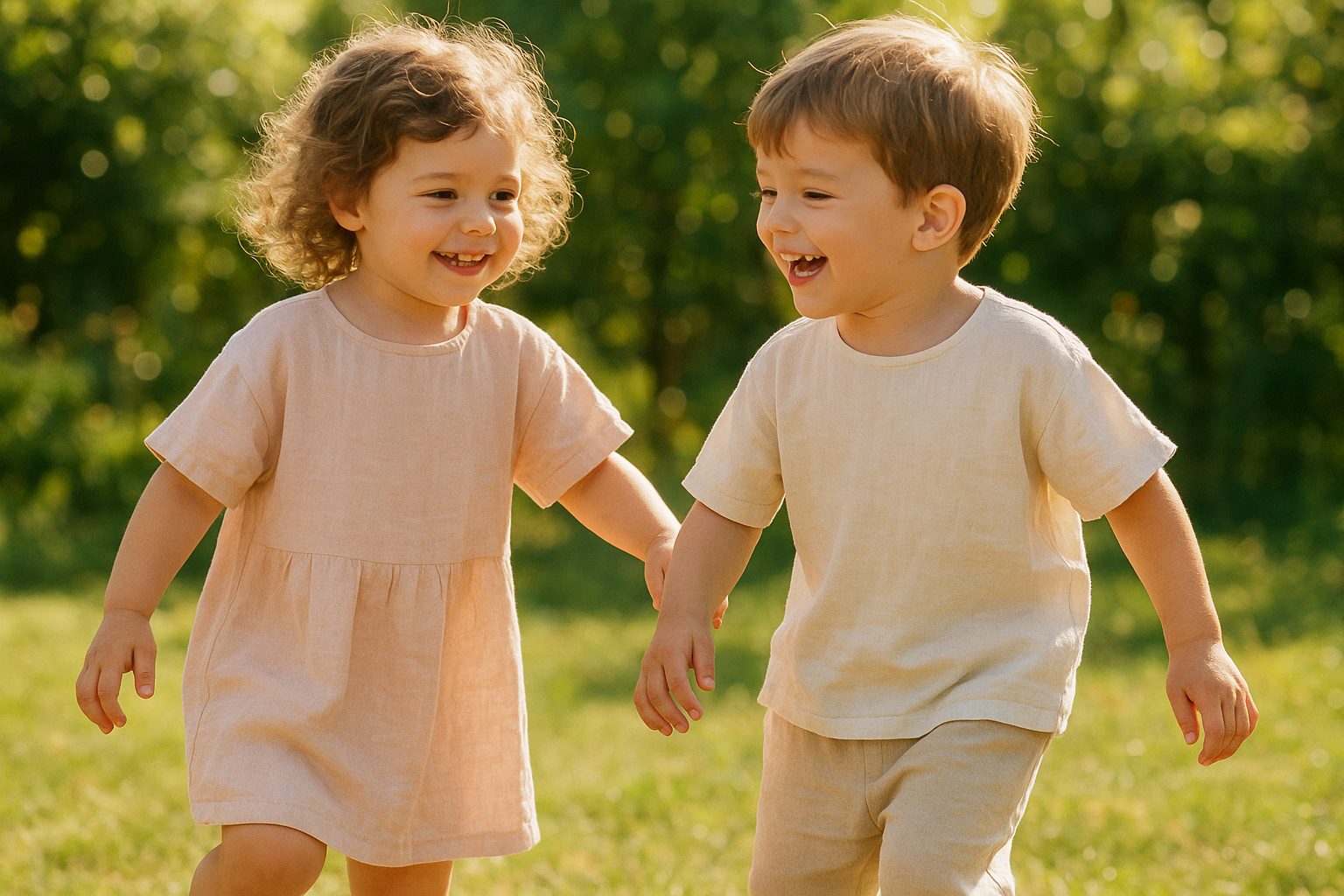
Choosing breathable, natural-fiber clothing helps children stay comfortable and safe during active play.
Why Fabric Type Matters More Than You Think
Children's skin is thinner and more permeable than adult skin, which means it absorbs chemical residues from fabric more readily. As a result, the type of fiber used in your child's clothing is not just a comfort issue — it's a health issue.
Natural fibers such as organic cotton, linen, and bamboo are generally the safest options. They breathe well, regulate temperature naturally, and are less likely to carry the chemical finishes often applied to synthetic textiles. In contrast, synthetic fabrics like polyester and nylon trap heat and moisture, creating conditions that can irritate skin and encourage bacterial growth.
Organic cotton, in particular, is grown without synthetic pesticides, which means fewer chemical residues reach the finished garment. For babies and toddlers especially, this distinction is worth paying attention to.
Bamboo and Linen as Healthy Alternatives
Bamboo fabric is another popular choice among health-conscious parents. It is naturally soft, hypoallergenic, and moisture-wicking, making it especially useful for children prone to sweating or skin sensitivity. However, not all bamboo fabric is processed equally. Mechanically processed bamboo, sometimes called bamboo linen, is far safer than chemically processed viscose bamboo, which involves harsh solvents during manufacturing.
Linen, meanwhile, is one of the oldest and most breathable fabrics available. It becomes softer with each wash and is naturally resistant to bacteria. Although it can feel slightly stiff when new, linen is an excellent warm-weather option for older children who no longer need the ultra-softness required for newborns.
Understanding Certifications and Chemical Safety
Not all clothing labeled "natural" or "eco-friendly" is automatically safe. Therefore, learning to read certifications is one of the most powerful tools parents have when shopping for children's clothing.
OEKO-TEX Standard 100 is one of the most trusted textile certifications globally. It verifies that every component of a garment — from thread to dye to buttons — has been tested for harmful substances. GOTS (Global Organic Textile Standard) goes even further, covering both the organic status of raw fibers and the environmental and social standards of the entire supply chain.
Additionally, parents should be aware of flame-retardant treatments. Some older chemical flame retardants used in children's sleepwear have been associated with developmental concerns. Many modern brands now rely on snug-fit pajama designs as a safer alternative, which is an approach endorsed by pediatric health organizations.
What to Check on the Label Before You Buy
Before purchasing any garment for your child, check the care label for fiber content. Look for items that are at least 95% natural fiber. Also scan for phrases like "wrinkle-resistant," "stain-resistant," or "easy care," as these often indicate chemical treatments that may not be safe for young skin.
Finally, always wash new clothing before your child wears it for the first time. This simple step removes manufacturing dust, chemical residues, and sizing agents that are commonly applied during production.

Natural-fiber garments in breathable, undyed tones are among the safest choices for children's everyday wear.
Getting the Fit Right for Growing Bodies
Beyond fabric, fit plays a significant role in children's clothing health. Clothing that is too tight can restrict circulation and movement, while clothing that is excessively baggy poses tripping and entanglement hazards — especially for toddlers who are still developing balance and coordination.
Look for designs with elastic waistbands, adjustable straps, and relaxed cuts that allow a full range of motion. Because children grow rapidly, it is also tempting to buy clothing one or two sizes ahead. However, oversized clothing can compromise safety, particularly around the feet and neck area.
For physical activity, slightly fitted moisture-wicking clothing is ideal. It helps regulate body temperature during exercise and prevents chafing. In contrast, for rest and sleep, loose and lightweight natural-fiber garments promote better sleep quality by allowing the body to cool naturally.
Seasonal Layering Strategies for Kids
Effective layering is one of the most practical skills parents can develop for dressing children in changing weather. A simple three-layer system works well across all climates: a moisture-wicking base layer, an insulating mid-layer, and a wind- or water-resistant outer layer.
A widely used rule of thumb is to dress a child in one more layer than an adult would comfortably wear in the same conditions. Additionally, because children are often more physically active than adults, they generate more body heat. Therefore, layers should be easy to remove and reattach throughout the day.
In warm weather, a single breathable layer of organic cotton or linen is usually sufficient. Meanwhile, in winter, merino wool is an excellent mid-layer option because it regulates temperature naturally, resists odor, and remains warm even when damp.
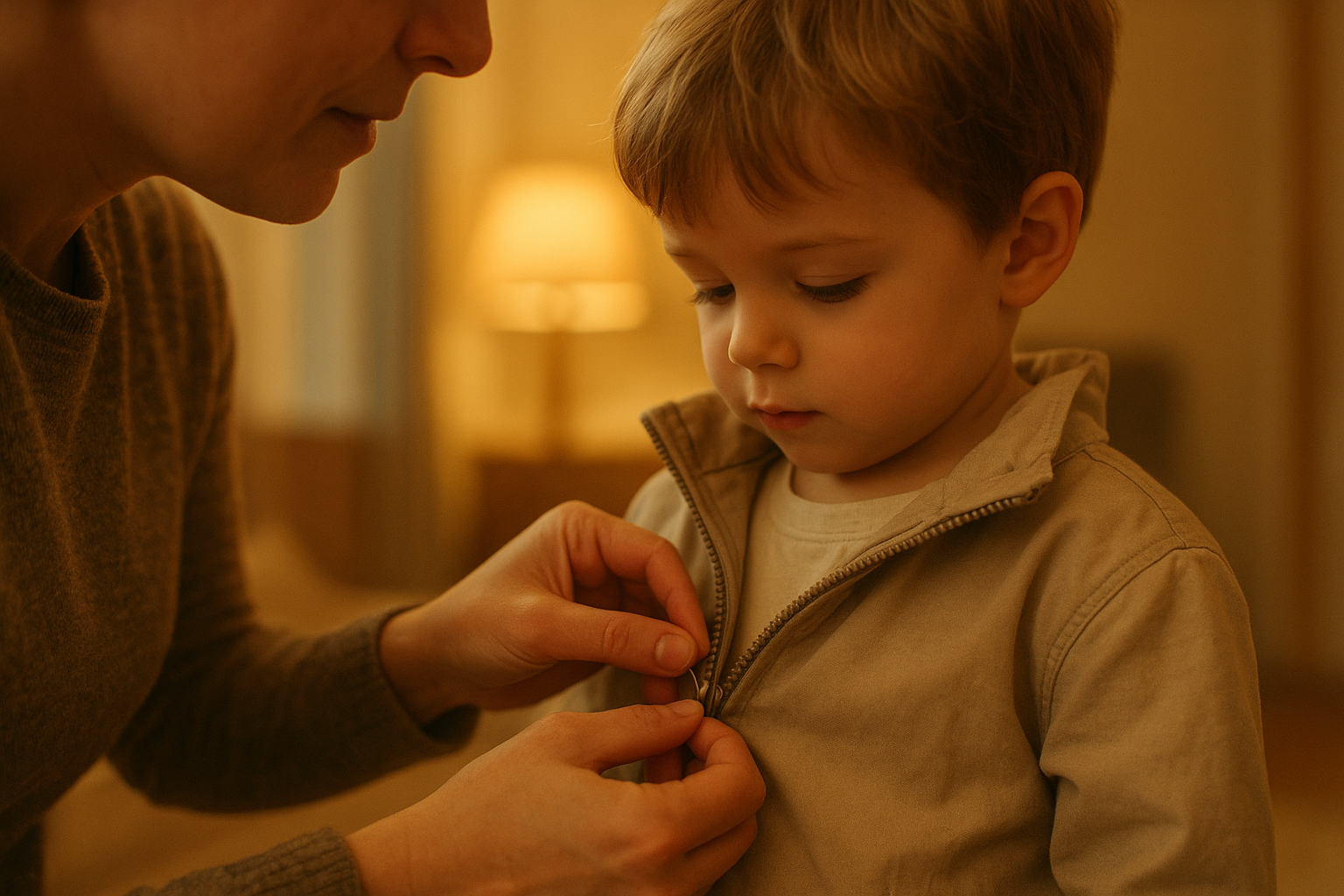
Layering with natural, breathable fabrics helps children stay comfortable as temperatures shift throughout the day.
Sustainable Shopping Without Stretching Your Budget
One of the most common concerns parents raise is cost. Organic and certified clothing often carries a higher price tag than conventional alternatives. However, healthy clothing choices for kids don't require buying everything new or at a premium.
Secondhand clothing is an excellent option, particularly for fast-growing younger children. Because children outgrow sizes quickly, pre-owned garments are often barely worn. Clothing swaps with other parents, consignment stores, and curated resale services make it easier than ever to source quality pieces affordably.
For families looking to shop sustainably and affordably, Bundle to Bundle offers a thoughtful approach to children's clothing that supports both budget-conscious families and sustainable consumption. Exploring bundle-style secondhand options is a smart way to prioritize quality without overspending.
Washing and Care Habits That Protect Fabric Safety
How you care for children's clothing matters as much as what you buy. Use fragrance-free, dye-free laundry detergents to avoid introducing new chemical irritants after purchase. Avoid fabric softeners, which coat fibers with a chemical layer that can reduce breathability and trigger sensitivities.
Wash on a gentle cycle with cold water when possible to preserve natural fibers and reduce energy consumption. Air drying is preferable to machine drying for natural fabrics, as it extends the life of the garment and avoids heat-related shrinkage.
Quick Summary: Key Principles for Healthy Kids' Clothing
- Choose natural fibers: organic cotton, bamboo linen, or linen
- Look for OEKO-TEX or GOTS certifications on labels
- Always wash new clothing before first wear
- Prioritize fit that allows free movement without excess bulk
- Use fragrance-free, dye-free detergent for laundering
- Layer with breathable fabrics for seasonal comfort
- Consider secondhand options for sustainable, budget-friendly shopping
Conclusion: Building Healthier Habits One Garment at a Time
Making healthy clothing choices for kids is ultimately about consistency over perfection. You don't need to replace everything at once. Instead, as garments wear out, replace them thoughtfully with natural-fiber, certified options that support your child's comfort and safety. Over time, these small decisions accumulate into a wardrobe that genuinely supports your child's health every day.
By focusing on fabric quality, proper fit, safe washing habits, and sustainable sourcing, parents can create a clothing environment that works with their child's body — not against it. Because children spend so much of their lives in their clothes, those choices deserve thoughtful attention.
Frequently Asked Questions
What are healthy clothing choices for kids?
Healthy clothing choices for kids involve selecting garments made from natural, breathable fabrics like organic cotton, bamboo, or linen that minimize exposure to harmful chemicals and support physical comfort. These choices also consider proper fit, non-restrictive design, and age-appropriate layering.
Why is organic cotton better for children's clothing?
Organic cotton is grown without synthetic pesticides or fertilizers, reducing the chemical residue that can remain on fabric and contact a child's skin. It is also softer and more breathable than conventionally grown cotton, making it ideal for sensitive skin.
What fabrics should I avoid for my child's clothing?
Avoid synthetic fabrics like polyester and nylon for everyday wear, as they trap heat and moisture and may contain chemical finishes. Also avoid heavily dyed or treated fabrics that have not been certified as non-toxic.
How do I know if children's clothing is free of harmful chemicals?
Look for certifications such as OEKO-TEX Standard 100 or GOTS (Global Organic Textile Standard), which verify that textiles have been tested for harmful substances. These labels indicate the clothing meets strict safety thresholds for children.
Is bamboo fabric safe and healthy for kids?
Bamboo fabric is naturally soft, moisture-wicking, and hypoallergenic, making it a good option for children with sensitive skin. However, parents should look for mechanically processed bamboo rather than chemically processed viscose bamboo, which involves harsh solvents.
What clothing fit is healthiest for a growing child?
Clothing should allow free movement without being so loose it becomes a safety hazard. Elastic waistbands, adjustable straps, and relaxed cuts support healthy posture and physical activity without restricting circulation or movement.
How should I wash children's clothing to keep it safe?
Wash new children's clothing before the first wear to remove manufacturing residues and dust. Use fragrance-free, dye-free detergents and avoid fabric softeners that may leave chemical coatings on fabric.
Are flame-retardant chemicals in kids' pajamas dangerous?
Some older flame-retardant chemicals used in children's sleepwear have been linked to health concerns. Today, many brands use snug-fit designs as an alternative to chemical treatments, which is a safer approach recommended by pediatric health organizations.
How many layers should kids wear in cold weather?
A general guideline is to dress children in one more layer than an adult would wear comfortably in the same conditions. The layering system — base, mid, and outer layer — allows easy adjustment as temperatures change throughout the day.
What is the best fabric for kids with eczema or sensitive skin?
Organic cotton and bamboo are typically the best fabrics for children with eczema or sensitive skin because they are soft, breathable, and free from common irritants. Avoid wool directly against the skin, as it can cause friction and irritation for sensitive children.
Should kids wear tight or loose clothing for physical activity?
For physical activity, moisture-wicking, slightly fitted clothing helps regulate body temperature and prevents chafing. Overly baggy clothing can become a tripping hazard, while extremely tight clothing restricts movement and circulation.
How can I shop sustainably for kids' clothing on a budget?
Consider secondhand and consignment shops, clothing swaps with other parents, or bundle-style services that offer curated pre-owned children's clothing. Resources like Bundle to Bundle connect families with quality secondhand options that support both budget and sustainability goals.


