


A growing kids clothing subscription is a recurring delivery service that sends size-appropriate clothing to your child as they grow, automatically adjusting to each new size milestone so parents never scramble for last-minute wardrobe updates. In short, it removes one of the most repetitive tasks of early parenthood: replacing outgrown clothes before a child even has a chance to wear them out.
Children, especially babies and toddlers, can outgrow an entire clothing size in as little as six to eight weeks. Therefore, keeping up with their wardrobe using traditional retail shopping is both expensive and time-consuming. A subscription model solves this by delivering curated bundles on a schedule that matches your child's growth pace.
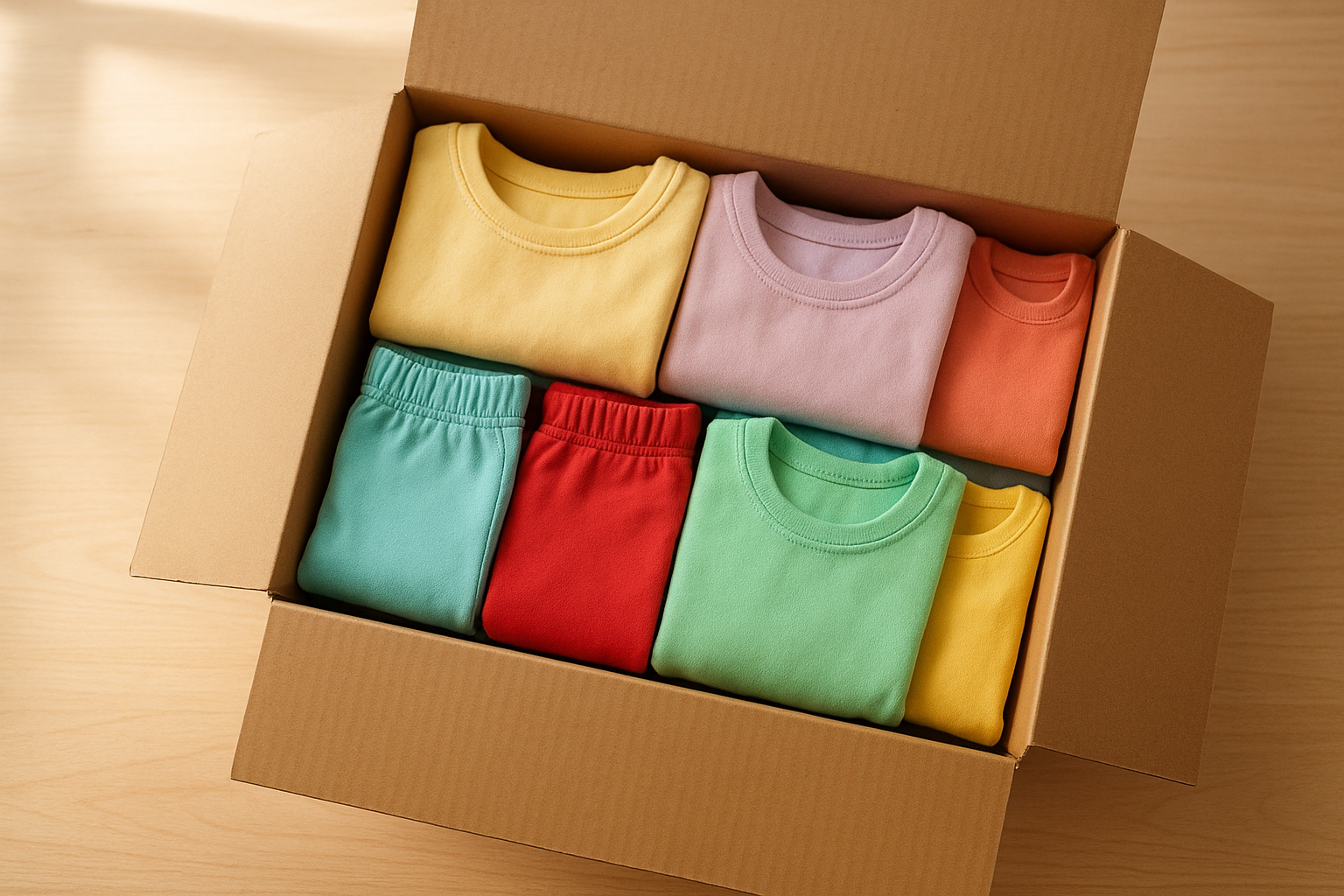
A curated growing kids clothing subscription box arrives ready to sort by size, saving parents hours of shopping time.
Why Parents Are Switching to Clothing Subscriptions
The appeal is straightforward: convenience, cost savings, and reduced waste. However, the deeper driver is the sheer unpredictability of children's growth. A size 2T outfit bought in bulk in January may be unwearable by spring. As a result, many parents end up with drawers full of barely-worn clothes alongside a child who has nothing that fits.
Subscription services address this by aligning deliveries with growth milestones rather than calendar months. Additionally, many services offer swap programs, so outgrown pieces cycle back into the system instead of ending up in a landfill. According to the U.S. Environmental Protection Agency, textiles account for millions of tons of municipal solid waste annually — and children's clothing is a significant contributor given how quickly kids outgrow it.
How Does a Growing Kids Clothing Subscription Work?
A growing kids clothing subscription typically follows a simple five-step process. First, you create an account and complete a style profile for your child. Next, the service curates a box of items based on your child's current size, style preferences, and the season. Then the box ships to your door, you try everything on your child, and finally you keep what fits and return or swap the rest.
Most services charge either a flat monthly fee or a per-item price for what you keep. Because pricing models vary, it is worth comparing a few providers before committing. Services like Bundle to Bundle focus specifically on sustainable, size-cycling clothing bundles that grow with your child — a model built around reducing both cost and waste simultaneously.
Quick Answer: A growing kids clothing subscription works by delivering curated, correctly sized clothing bundles on a recurring schedule. You keep what fits, return what does not, and update your child's size profile as they grow — eliminating manual shopping between size changes.
Step-by-Step: Getting Started With a Subscription
Setting up a subscription takes less than twenty minutes. However, taking a few extra moments at each step ensures you get the most value from the service.
- Measure your child accurately. Note current height, weight, and clothing size. Additionally, track how frequently they have sized up recently — this helps you choose the right delivery frequency.
- Compare services side by side. Look at price per item, size ranges, style customization depth, swap policies, and sustainability credentials before choosing.
- Complete the style profile thoroughly. Include color preferences, activity level (active outdoor play vs. dressy occasions), and any fabric sensitivities your child has.
- Review your first box carefully. Try each item on your child and return anything that does not fit or suit your needs within the return window.
- Update sizing proactively. Log in and adjust measurements as soon as you notice your child is sizing up, so the next box arrives with the correct size already selected.
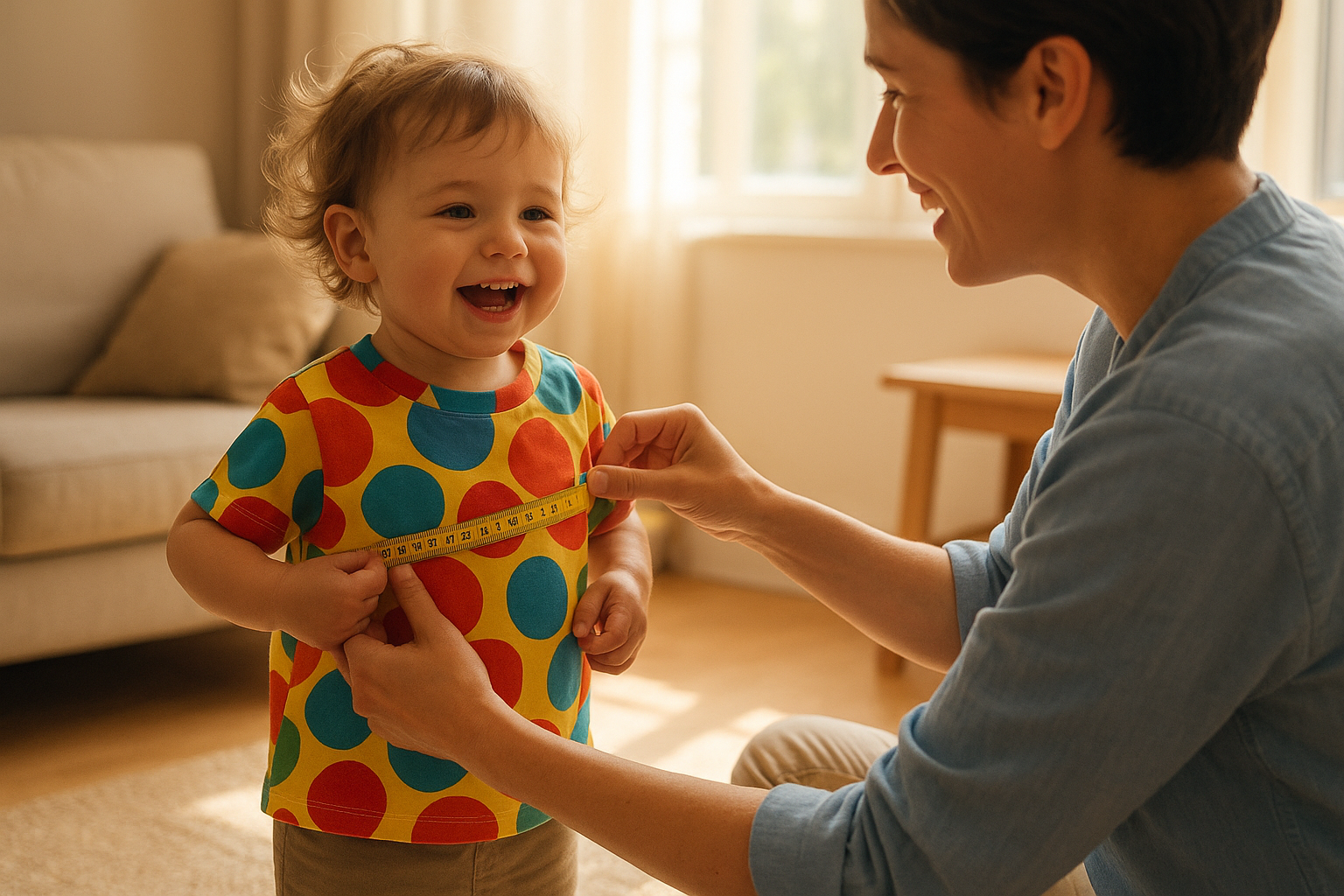
Updating your child's measurements regularly ensures each subscription delivery contains the right size clothing.
Real Cost Savings: What the Numbers Show
Parents of newborns to three-year-olds typically spend between $600 and $1,200 per year on clothing alone, according to various household spending surveys. Because children in this age range can cycle through four to six sizes per year, much of that spending goes toward items worn only a handful of times.
In contrast, a well-structured subscription can reduce that figure by 30% to 50% when swap programs are included. Moreover, the time saved from not browsing store aisles or online catalogs multiple times per season adds up to several hours per month — time most parents would gladly reclaim.
Comparing Subscription Models: New vs. Pre-Owned
Some subscriptions deliver only new clothing from partnered brands, while others specialize in high-quality pre-owned or refurbished items. Each model has distinct advantages. New-only services offer consistent quality and the latest styles, whereas pre-owned services typically cost significantly less per item and carry a lower environmental footprint.
Hybrid models — which combine new basics with curated secondhand statement pieces — are increasingly popular. For example, Bundle to Bundle takes a circular approach, making it easy for families to swap out outgrown bundles and receive the next size up without paying full retail price each time.
Common Mistakes to Avoid
Even the best subscription loses value if you approach it without a plan. Therefore, watch out for these frequent missteps:
- Setting and forgetting your size profile. Children grow continuously, so failing to update measurements leads to boxes full of clothing that no longer fits on arrival.
- Ignoring the return window. Most services have strict return deadlines. Missing them means paying for items you cannot use.
- Choosing frequency based on price alone. A cheaper monthly plan may not align with your child's actual growth rate, resulting in boxes that arrive too late or too early.
- Skipping the style profile detail. The more information you provide, the better the curation. Vague answers lead to generic selections that may not suit your child's lifestyle.
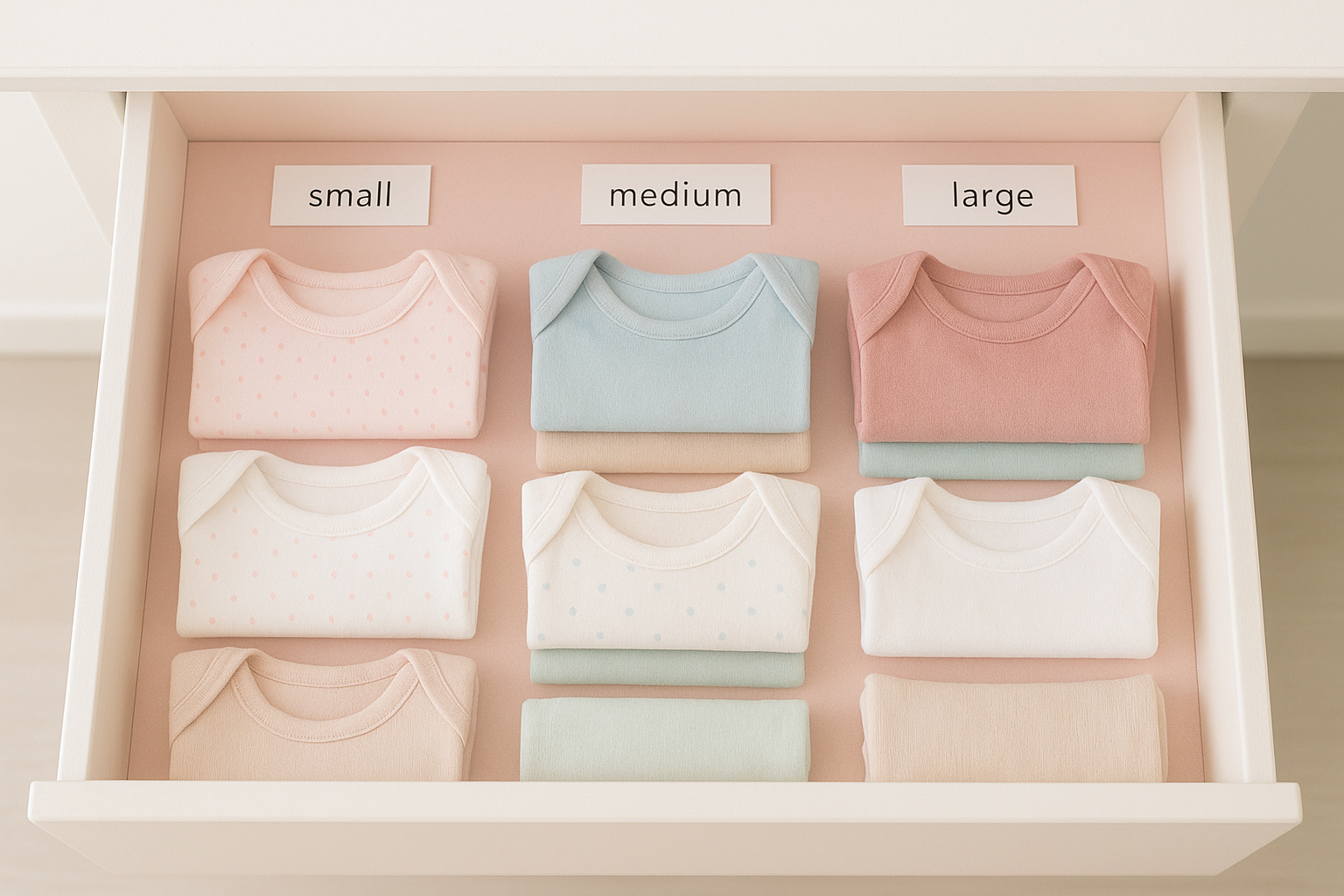
Keeping clothing organized by size makes it easy to track when your child is ready for the next subscription delivery.
Sustainability and the Circular Clothing Economy
One of the most compelling arguments for subscriptions is their potential environmental benefit. Children's clothing is among the most wasteful categories in the textile industry, largely because items are discarded long before they wear out. A circular subscription model — where clothes are returned, inspected, cleaned, and redistributed — keeps garments in use far longer.
When evaluating a service's sustainability claims, look for recognized certifications such as GOTS (Global Organic Textile Standard) or OEKO-TEX. These certifications confirm that fabrics meet rigorous environmental and safety standards — important for children's sensitive skin as well as the planet.
Is a Subscription Right for Every Family?
Subscriptions work best for families with children under age eight, particularly those in the rapid-growth phases from newborn through age three. However, older children who are particular about their clothing choices may find stylist-curated boxes less satisfying than shopping for themselves.
Additionally, families who enjoy the ritual of shopping or who have access to affordable hand-me-down networks may find less value in a subscription. In contrast, busy households, families without nearby retail options, and parents who prioritize sustainability tend to benefit the most from this model.
In Summary
A growing kids clothing subscription is most valuable when your child is growing rapidly, when your time is limited, and when sustainability matters to your household. Choosing the right service — one with transparent pricing, flexible sizing updates, and a solid return policy — makes the difference between a subscription that pays for itself and one that creates more hassle than it solves.
Frequently Asked Questions
In conclusion, a growing kids clothing subscription offers a practical, often cost-effective solution to one of parenting's most persistent challenges. By choosing a service with transparent pricing, flexible sizing, and a strong return policy, families can keep their children well-dressed through every growth phase — without the stress, waste, or expense of traditional shopping.


