

A flexible clothing subscription for kids is a service that delivers curated children's clothing on a schedule you control, with the freedom to pause, skip, or cancel at any time. Because children grow at unpredictable rates, this kind of adaptable plan has become one of the most practical solutions for busy parents who want well-fitting clothes without the stress of constant shopping trips.
In this guide, you will learn how these subscriptions work, what to look for before signing up, and how to get the most value from every delivery. Whether you have a fast-growing toddler or a school-age child with strong style opinions, there is a plan designed to fit your family's rhythm.

A flexible clothing subscription for kids arrives as a curated box of size-right pieces ready to wear.
Why Flexibility Matters More Than Price
Most parents discover that a low monthly price means little if the box keeps arriving when the child has already outgrown the size. Therefore, flexibility — not cost — is the single most important feature to evaluate first.
Children between ages one and four can jump a full clothing size every two to three months. As a result, a rigid monthly subscription may deliver clothes that are already too small by the time the box lands on your doorstep. A flexible plan lets you increase frequency during growth spurts and pull back when growth slows.
Additionally, life circumstances change. Budgets tighten, seasons shift, and school dress codes evolve. A subscription that allows you to skip a month without penalty gives you genuine control rather than just the illusion of it.
How These Services Actually Work
When you sign up, you complete a style and size profile for your child. This profile typically includes current measurements, preferred colors, activity level, and any fabric sensitivities. Based on that information, a stylist or algorithm selects a box of items tailored to your child.
After delivery, many services use a try-before-you-buy model. You keep what you love and return the rest within a set window, usually five to ten days. In contrast, some services charge a flat box fee and let you purchase individual items at a discounted rate.
Finally, you update your child's size profile after each box, which improves future selections. Over time, the service learns your preferences and the fit improves noticeably.
Key Features to Compare Before Subscribing
Not all children's clothing subscriptions are built the same way. Before committing, evaluate each service against these critical criteria:
- Pause and skip policy — Can you skip a delivery without canceling entirely? Is there a cutoff date, and how much notice do you need to give?
- Size range coverage — Does the service cover your child's current size and the next two sizes up so you can stay with one provider as they grow?
- Return window and process — How many days do you have to return items, and is the return label prepaid?
- Style customization depth — Can you set detailed preferences like sporty, casual, or dressy, or are you limited to basic color choices?
- Transparent pricing — Are there styling fees, minimum purchase requirements, or penalties for returning too many items?
Getting the Most Value From Every Box
The biggest mistake parents make is treating a clothing subscription as a set-it-and-forget-it service. However, the more actively you engage with the profile and feedback tools, the better each box becomes.
After each delivery, take five minutes to rate every item. Note which pieces fit well, which ran small, and whether the style matched your child's preferences. Because most services use this feedback directly in their selection algorithm, consistent input leads to dramatically better boxes within two or three cycles.
Additionally, update your size profile proactively rather than waiting for a poor fit to prompt you. If you notice your child is nearing the top of their current size, log into your account and bump the size up before the next box is packed.
For more guidance on choosing the right plan for your family, Bundle to Bundle offers a helpful overview of flexible children's clothing options that adapt to your child's growth and your lifestyle.

Children who are involved in the unboxing process are more likely to wear the items, reducing returns and waste.
Common Mistakes Parents Make
Even the best subscription becomes frustrating when parents fall into avoidable habits. First, many parents forget to skip a box before the billing cutoff date, resulting in a charge for a delivery they did not want. Set a recurring calendar reminder a few days before each cycle closes.
Second, some parents sign up for the cheapest plan without checking whether it includes a return option. As a result, they end up paying for items that do not fit and cannot be sent back. Always prioritize return flexibility over the lowest sticker price.
Third, parents sometimes choose a subscription that only covers one size range. Meanwhile, their child grows out of that range within six months, forcing them to switch services entirely. Look for providers that cover at least four to six consecutive size brackets.
Seasonal Planning and Wardrobe Gaps
One underused strategy is timing your subscription deliveries around seasonal transitions. For example, scheduling a box in late August ensures your child has school-appropriate fall clothing before the first day of classes. Similarly, a spring delivery in March covers the gap between winter and summer wardrobes.
According to research on subscription box services, the most satisfied customers are those who treat their subscription as a curated wardrobe tool rather than a passive delivery. Active management consistently leads to better outcomes and lower return rates.
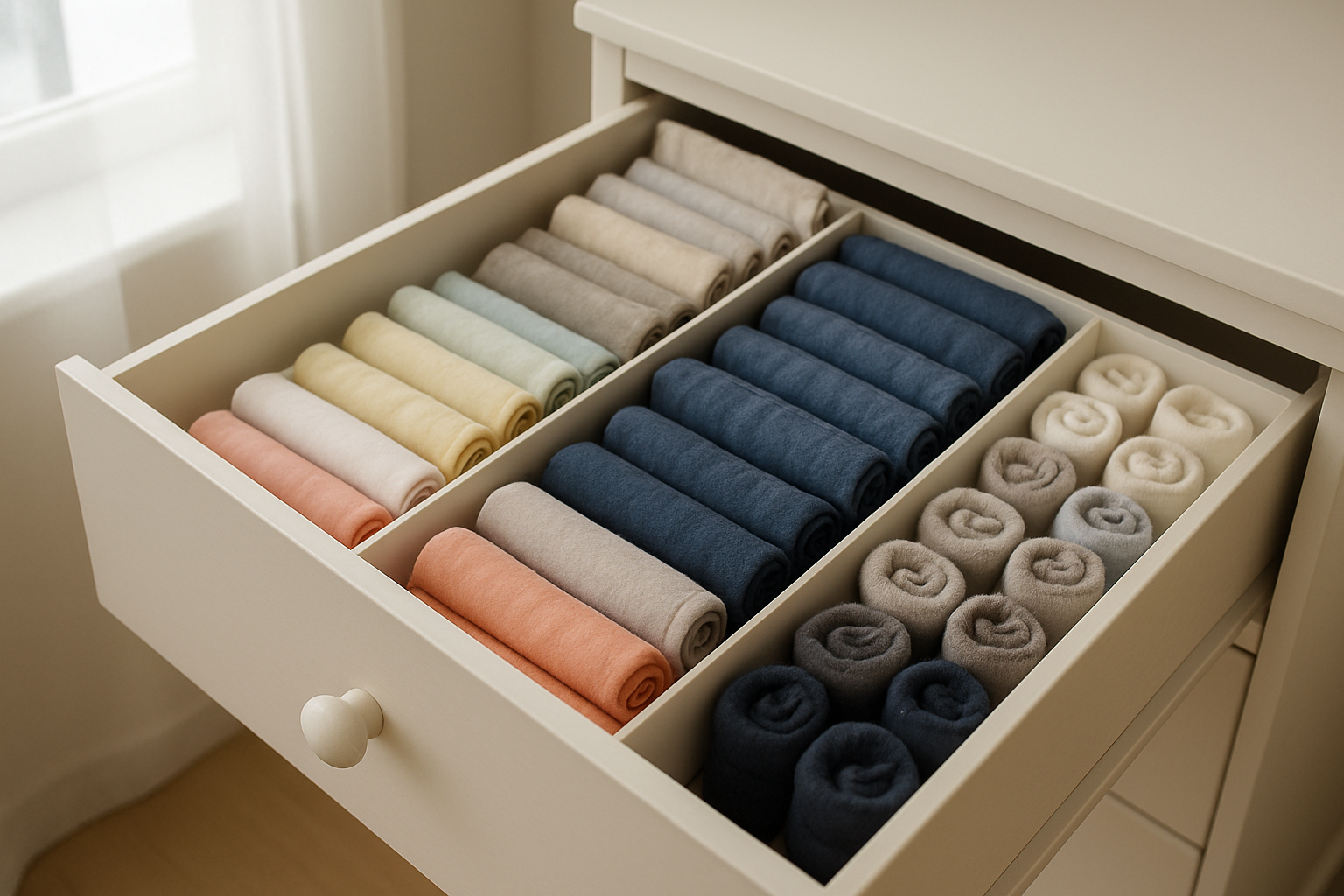
Organizing subscription deliveries by season and size helps parents track what their child actually needs next.
Is a Subscription Right for Your Family?
A flexible clothing subscription for kids works best for families who value convenience, dislike shopping, or simply do not have the time to monitor sales and track sizing across multiple retailers. It is also a strong fit for parents of fast growers who regularly find themselves caught off guard by sudden size changes.
In contrast, families who enjoy curating their child's wardrobe from specific brands or who prefer to shop secondhand may find a subscription less satisfying. The key is matching the service model to your actual lifestyle rather than subscribing because it seems like a good deal.
If you are unsure, many services offer a trial box at a reduced rate. Therefore, the risk of trying one is minimal, and the experience will quickly tell you whether the format suits your family. Services like Bundle to Bundle are designed with exactly this flexibility in mind, making it easy to start, adjust, and stop on your own terms.
Quick Answer: A flexible clothing subscription for kids delivers curated, size-appropriate clothing on a schedule you control. The best plans let you pause, skip, or cancel without penalties, making them ideal for growing children whose sizing needs change frequently.
Frequently Asked Questions
What is a flexible clothing subscription for kids?
A flexible clothing subscription for kids is a service that delivers curated children's clothing on a schedule you control, allowing you to pause, skip, or cancel at any time. Unlike rigid monthly boxes, flexible plans adapt to your child's growth rate and your household budget.
How often are clothing boxes delivered?
Delivery frequency typically ranges from monthly to every two or three months. Many flexible plans let you choose your own cadence so boxes arrive only when you need them.
Can I pause or cancel my kids' clothing subscription?
Yes. Most flexible subscriptions allow you to pause or cancel without penalty through a simple online account dashboard. Always read the cancellation policy before signing up to confirm there are no hidden fees.
What age ranges do kids' clothing subscriptions cover?
Most services cover newborn through teen sizes, roughly 0–3 months up to size 16 or 18. Some specialize in toddler or school-age ranges, so check the size chart before subscribing.
How do I choose the right size for my child?
You fill out a size profile when signing up, including your child's current measurements and weight. Good services update this profile automatically as you report fit feedback after each delivery.
Are kids' clothing subscriptions cost-effective?
They can be, especially when compared to buying full-price retail clothing that children quickly outgrow. Flexible plans help you avoid overspending by letting you skip boxes during slow-growth periods or when your budget is tight.
What styles are typically included in a box?
Styles range from everyday basics to seasonal statement pieces depending on the service. Some subscriptions let you set detailed preferences like casual, sporty, or dressy so each box matches your child's personality.
Can I return items I don't like?
Many services offer a try-before-you-buy model where you only pay for what you keep and return the rest. Return windows typically range from five to ten days after delivery.
Is a kids' clothing subscription worth it for fast-growing toddlers?
Yes, toddlers who jump a size every few months benefit most because subscriptions can be timed to growth spurts. Flexible plans are particularly valuable here since you can increase delivery frequency when your child is growing quickly.
What information do I need when signing up?
You typically need your child's age, current clothing size, measurements, style preferences, and any fabric sensitivities or allergies. Some services also ask about activity level and school dress codes.
Do kids' clothing subscriptions include shoes and accessories?
Some subscriptions include accessories like hats, socks, or belts, while shoes are less common due to sizing complexity. Check each service's product catalog to confirm what categories are included.
What are the most common mistakes parents make with clothing subscriptions?
The most common mistakes are not updating the size profile after growth spurts, forgetting to skip a box before the cutoff date, and choosing a plan with a long commitment period. Always opt for a flexible plan that lets you adjust on short notice.


