

Eco-friendly baby clothes rental is a service model where parents borrow curated bundles of baby garments for a set period, return them when their child outgrows that size, and receive the next bundle — all without buying, storing, or discarding clothing. Because babies can cycle through six to eight clothing sizes in their first two years, this approach saves families significant money while dramatically reducing textile waste.
However, the benefits go well beyond convenience. Every year, millions of barely-worn baby garments end up in landfills. By choosing a rental model, parents actively participate in the circular economy — a system designed to keep materials in use for as long as possible and eliminate unnecessary waste.
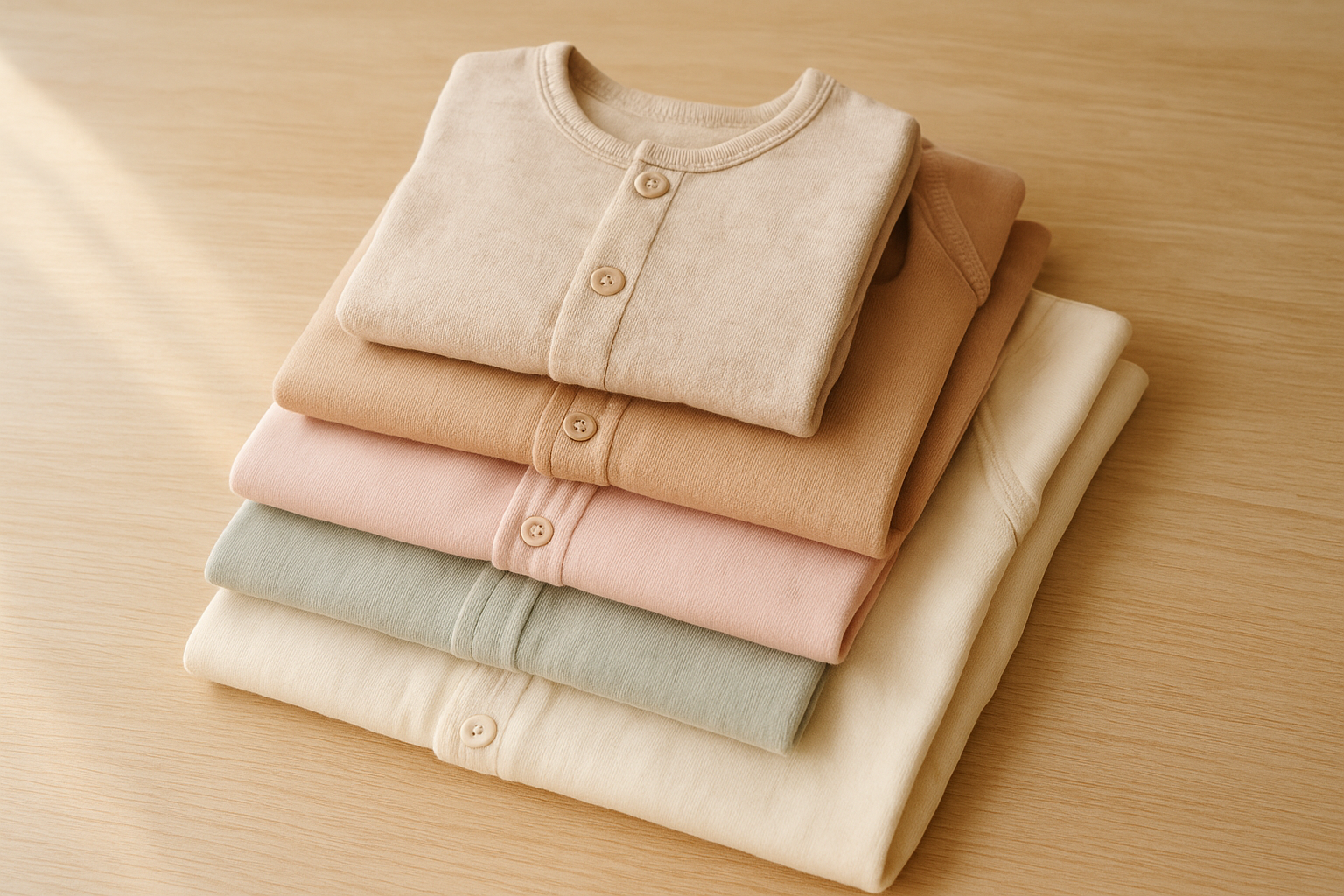
A typical eco-friendly baby clothes rental bundle arrives curated by size and ready to wear.
Why the Baby Clothing Industry Needs a Circular Fix
The global fashion industry accounts for roughly 10% of annual carbon emissions, and baby clothing is one of the most wasteful segments within it. Infants grow so rapidly that many garments are worn only a handful of times before they no longer fit. As a result, parents often purchase entire wardrobes that are used for just a few weeks.
Additionally, the production of conventional cotton — one of the most common baby fabric choices — requires enormous amounts of water and pesticides. Therefore, extending the lifespan of each garment through rental or resale is one of the most impactful steps a family can take to reduce their environmental footprint.
In contrast to fast fashion cycles, a well-run rental service ensures that a single set of baby clothes serves multiple families over several years. That means the carbon and water cost of producing those garments is shared across many uses rather than absorbed by a single purchase.
How Does a Baby Clothes Rental Service Actually Work?
The process is straightforward. First, parents choose a provider and select a bundle size that matches their baby's current weight and height. Next, the bundle is shipped directly to their home, typically in recyclable or reusable packaging. Parents dress their baby in the rented items throughout that growth stage.
When the baby outgrows the current size — usually within six to twelve weeks for newborns — parents return the bundle using prepaid return packaging. The service then professionally launders every item, inspects each garment for quality, and cycles it out to the next family. Parents simultaneously request their next size bundle and the cycle continues seamlessly.
Services like Bundle to Bundle have built their entire model around this circular approach, making it easy for families to participate without extra effort or planning.
Getting Started: 5 Steps to Your First Rental Bundle
- Research providers — Compare fabric quality, cleaning standards, and pricing transparency.
- Select the right size bundle — Use the provider's size guide based on your baby's current weight and height.
- Receive and inspect — Check each item on arrival and contact support if anything is unsatisfactory.
- Use and monitor growth — Watch for signs your baby is outgrowing the current size and request the next bundle early.
- Return and repeat — Pack items in the return packaging, send them back, and keep the cycle going.
The Real Cost Savings for Families
New parents are often surprised by how quickly baby clothing costs accumulate. A complete wardrobe for a single size range — including onesies, sleepsuits, pants, and outerwear — can easily cost $100 to $200 when purchased new. Because babies pass through six to eight sizes in their first two years, total clothing costs can reach $800 to $1,500 or more.
By comparison, rental bundles typically cost a fraction of that per size stage. Furthermore, parents avoid the secondary effort of reselling or donating outgrown items, which saves time as well as money. For families expecting multiple children, the savings compound even further since the rental model eliminates the need to store or retrieve boxes of outgrown clothing.

Rental services make it easy to keep babies comfortably dressed without overspending on outfits they quickly outgrow.
Hygiene, Safety, and Fabric Quality
A common concern among parents considering rental is hygiene. However, reputable services address this directly through rigorous cleaning protocols. All returned items are professionally laundered using baby-safe, fragrance-free, and non-toxic detergents. Each garment is then individually inspected before being re-bundled.
Items that show excessive wear, pilling, or staining are permanently removed from circulation rather than re-sent. In practice, this means the clothing parents receive is often in better condition than items found at secondhand stores, where quality control varies widely.
Many premium rental providers also source garments made from GOTS-certified organic cotton or other verified sustainable materials. This means babies are dressed in fabrics free from harsh chemicals — an important consideration given how sensitive infant skin can be.
Rental vs. Buying Secondhand: Which Is More Sustainable?
Both options are meaningfully more sustainable than buying new clothing. Nevertheless, they serve slightly different needs. Buying secondhand requires parents to actively source items, sort by size, launder everything themselves, and eventually resell or donate what is outgrown. This is a great option for families who enjoy the thrift-shopping process.
Rental, meanwhile, removes all of that friction. The curation, cleaning, and logistics are handled entirely by the service. For busy parents — which is most parents — this convenience factor is often the deciding element. Additionally, rental services typically offer more consistent quality control than individual secondhand purchases.
In terms of raw environmental impact, both models significantly outperform buying new. Therefore, the best choice ultimately depends on a family's time, budget, and personal preference rather than one option being objectively superior to the other.
What to Look for When Choosing a Provider
Not all rental services are created equal. When evaluating options, parents should consider several key factors. Fabric quality and certifications matter most — look for organic cotton, GOTS certification, or OEKO-TEX labeling to ensure garments are free from harmful substances.
Cleaning transparency is equally important. A trustworthy provider will openly describe their laundering process and the products they use. Additionally, consider bundle variety: does the service offer enough items per bundle to cover a full week of dressing without doing laundry daily?
Finally, review the return shipping process and pricing structure carefully. The most sustainable services use minimal, recyclable packaging for both outbound and return shipments. Bundle to Bundle is one example of a provider built around these principles, making it a useful benchmark when comparing options.
Common Mistakes Parents Make When Renting Baby Clothes
One of the most frequent mistakes is ordering the wrong size. Because babies grow unpredictably, parents sometimes order a size based on age rather than actual measurements. Always use weight and height as the primary guide when selecting a bundle.
Another mistake is waiting too long to request the next bundle. If parents only order a replacement after their baby has already outgrown the current size, there can be a gap in coverage. Most services allow you to request the next bundle in advance, so it is worth doing so a week or two early.
Finally, some parents overlook the terms around damage. Although normal wear is generally covered, it is worth reading the provider's policy so there are no surprises when returning items.
Quick Summary: Is Eco-Friendly Baby Clothes Rental Right for You?
If you want to reduce textile waste, save money across multiple size stages, and skip the hassle of reselling outgrown clothing — rental is an excellent fit. It works especially well for newborns and infants who outgrow sizes fastest, and for families who value convenience alongside sustainability.
Conclusion: A Smarter Way to Dress Your Baby
Eco-friendly baby clothes rental represents one of the most practical and impactful choices a new parent can make. It addresses three real problems simultaneously: the financial burden of rapidly outgrown clothing, the environmental cost of disposable fast fashion, and the logistical headache of managing a constantly changing wardrobe.
As the circular economy continues to grow, rental services for baby clothing are becoming more accessible, better curated, and increasingly affordable. Therefore, now is an ideal time for parents to explore this option and make it a core part of their sustainable parenting approach.
Frequently Asked Questions About Eco-Friendly Baby Clothes Rental
What is eco-friendly baby clothes rental?
Eco-friendly baby clothes rental is a service where parents borrow curated bundles of baby garments for a set period and return them when their child outgrows that size. This model reduces textile waste and eliminates the need to buy new clothing worn only briefly. It is a core part of the circular fashion movement.
How does a baby clothes rental service work?
Parents select a size bundle, receive it by post, use it through a growth stage, and return it using prepaid packaging. The service then cleans, inspects, and re-bundles the items for the next family. The cycle repeats with each new size.
Is renting baby clothes hygienic and safe?
Yes. Reputable services professionally launder all returned items using baby-safe, fragrance-free detergents and inspect each garment before re-sending. Items that no longer meet quality standards are permanently removed from circulation.
How much money can I save with baby clothes rental?
Families can save hundreds of dollars per year because rental bundles cost significantly less than buying new clothing for each size stage. Babies typically move through six to eight size ranges in their first two years, making the cumulative savings substantial.
What sizes are usually available through rental services?
Most services cover newborn through toddler sizes, typically ranging from preemie and 0–3 months up to 24 months or 2T. Some providers extend into preschool sizes as well.
Are the clothes in rental bundles made from organic materials?
Many eco-focused rental services prioritize organic cotton, GOTS-certified fabrics, and non-toxic dyes. However, standards vary by provider, so it is worth checking each service's sourcing policy before subscribing.
What happens if my baby stains or damages a rented item?
Most services factor normal wear, minor staining, and typical baby-related damage into their pricing model. Excessive or intentional damage may incur a small fee, but everyday accidents are generally covered. Always review the damage policy before subscribing.
How does baby clothes rental reduce environmental impact?
By circulating one set of garments among multiple families, rental services cut the demand for new textile production. The fashion industry is a major source of global carbon emissions and water use, so extending each garment's life through a circular model makes a measurable difference.
Can I pause or cancel a baby clothes rental subscription?
Most services offer flexible plans that allow pausing, skipping a cycle, or cancelling with reasonable notice. Always review the terms before signing up to understand any minimum commitment periods.
How is rental different from buying secondhand baby clothes?
Buying secondhand is also sustainable, but rental delivers a curated, size-appropriate bundle to your door with professional cleaning handled for you. Rental removes the effort of sourcing, sorting, and reselling items yourself, which is a significant time saving for busy parents.
What should I look for when choosing a baby clothes rental service?
Key factors include fabric quality and certifications, cleaning practices, bundle size and variety, return shipping convenience, and pricing transparency. Services like Bundle to Bundle are useful benchmarks when comparing providers.
Do rental services offer gender-neutral clothing options?
Yes, most modern rental providers offer gender-neutral bundles featuring neutral tones and versatile styles. This makes the clothing usable across multiple children regardless of gender, which further extends the value of each bundle.


