


Eco-conscious family clothing is the practice of choosing garments for every member of your household with environmental impact, ethical production, and long-term sustainability firmly in mind. As families look for meaningful ways to reduce their footprint in 2025, the clothes they buy — and how they buy them — have become one of the most actionable places to start.
Children grow fast. Therefore, the average child needs an entirely new wardrobe every six to twelve months, making kids' clothing one of the most wasteful categories in the entire fashion industry. However, this very cycle also creates a powerful opportunity: because clothes are outgrown rather than worn out, they often have significant life left in them.
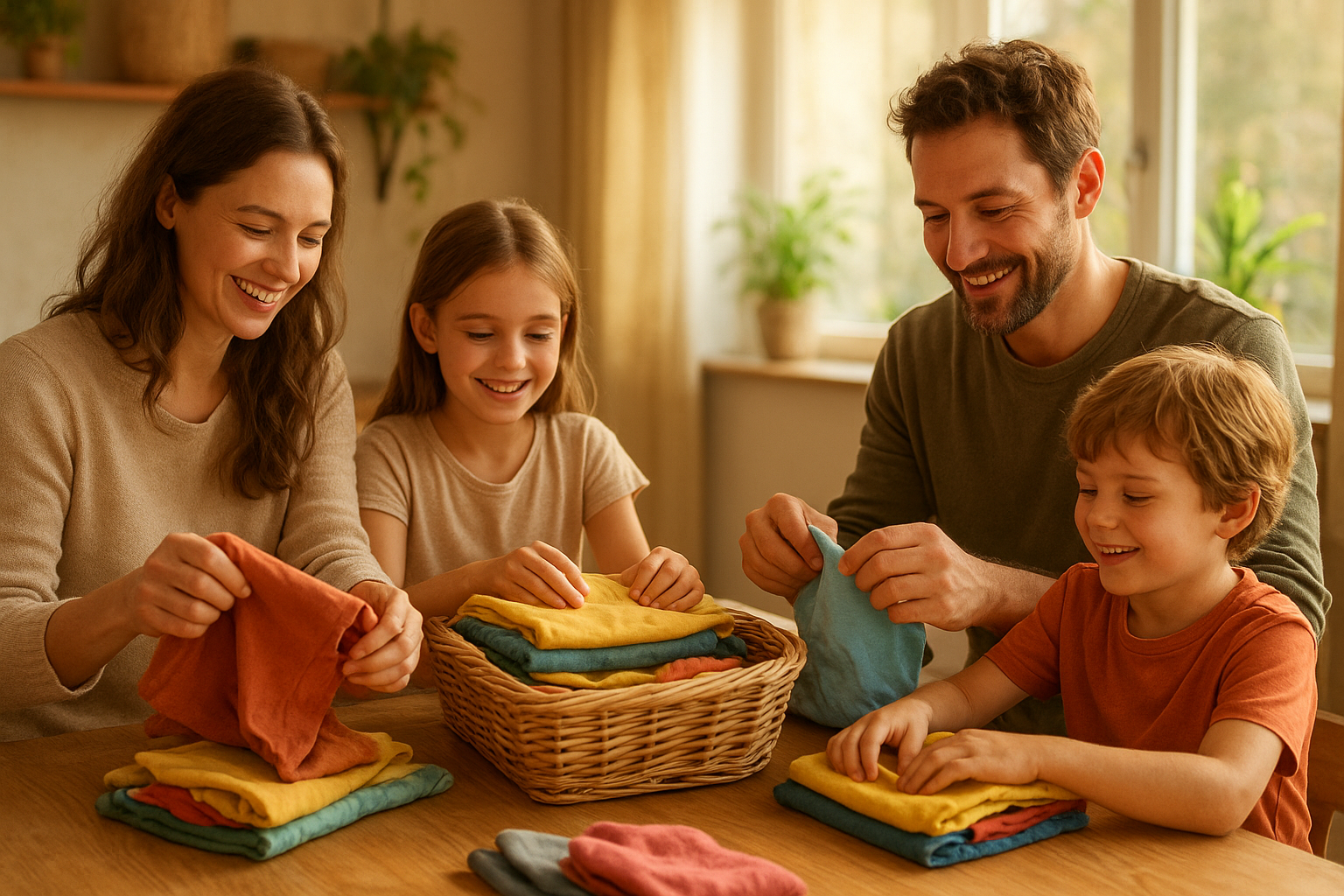
Choosing eco-conscious family clothing can be a joyful, shared activity that brings the whole household together.
Why the Fashion Industry's Impact on Families Matters
The global fashion industry is responsible for approximately 10% of annual carbon emissions, according to the United Nations Environment Programme. For families, the impact is amplified because children's clothing turns over so rapidly. Fast fashion brands exploit this cycle by producing cheap, low-quality items designed to be replaced quickly.
Additionally, many conventional children's garments are made with synthetic dyes and pesticide-heavy cotton, which can irritate sensitive skin. As a result, choosing safer, more sustainable fabrics is not only an environmental decision — it is also a health-conscious one for your children.
What Does "What Is Eco-Conscious Family Clothing?" Really Mean?
Direct answer: Eco-conscious family clothing means selecting garments made from sustainable or recycled materials, produced under fair labor conditions, and managed throughout their life cycle to minimize waste. It encompasses buying secondhand, choosing certified organic fabrics, and extending garment lifespan through swaps, repairs, and responsible care.
In practice, it does not require spending more money or overhauling your wardrobe overnight. Instead, it is about making progressively better decisions each time a clothing need arises in your household.
The Three Pillars of Sustainable Family Fashion
Most experts organize sustainable clothing choices around three core principles:
- Material origin — where and how the fabric is grown or manufactured
- Production ethics — whether workers throughout the supply chain are paid fairly and work safely
- End-of-life planning — how the garment is reused, repaired, donated, or recycled once your family no longer needs it
Together, these pillars create a framework that any family can apply, regardless of budget or location.
How to Build a Sustainable Family Wardrobe Step by Step
Transitioning to a more sustainable wardrobe is easier when broken into manageable stages. Below is a practical five-step process that works for families at any income level.
Step 1: Audit Your Current Wardrobe
First, go through every family member's current clothing. Separate items that still fit and are in good condition, garments that can be donated or swapped, and pieces that are genuinely worn out. This audit prevents unnecessary new purchases and reveals exactly what gaps need filling.
Step 2: Learn to Read Sustainable Fabric Labels
When buying new clothing, look for the GOTS (Global Organic Textile Standard) certification, which verifies organic fiber content and responsible processing. Similarly, OEKO-TEX Standard 100 confirms that every component of a garment has been tested for harmful substances. These labels are your most reliable guide to genuinely sustainable purchases.
Step 3: Prioritize Secondhand and Swap Platforms
Secondhand clothing is the single most impactful choice a family can make. Platforms like Bundle to Bundle make it straightforward to find pre-loved children's clothing and participate in organized swaps. Because children outgrow clothes so quickly, the secondhand market for kids' garments is especially abundant and affordable.
Step 4: Choose Quality Over Quantity for New Purchases
When secondhand is not an option, invest in durable pieces from ethical brands rather than filling a basket with fast-fashion items. A single well-made organic cotton sweater that lasts three seasons is far more sustainable — and often more economical — than three cheap alternatives that pill and fade quickly.
Step 5: Care for Clothes to Extend Their Life
Finally, how you maintain clothing matters enormously. Washing in cold water, air drying, and repairing small tears or loose buttons promptly all extend garment lifespan significantly. As a result, clothes stay in circulation longer and require less frequent replacement.
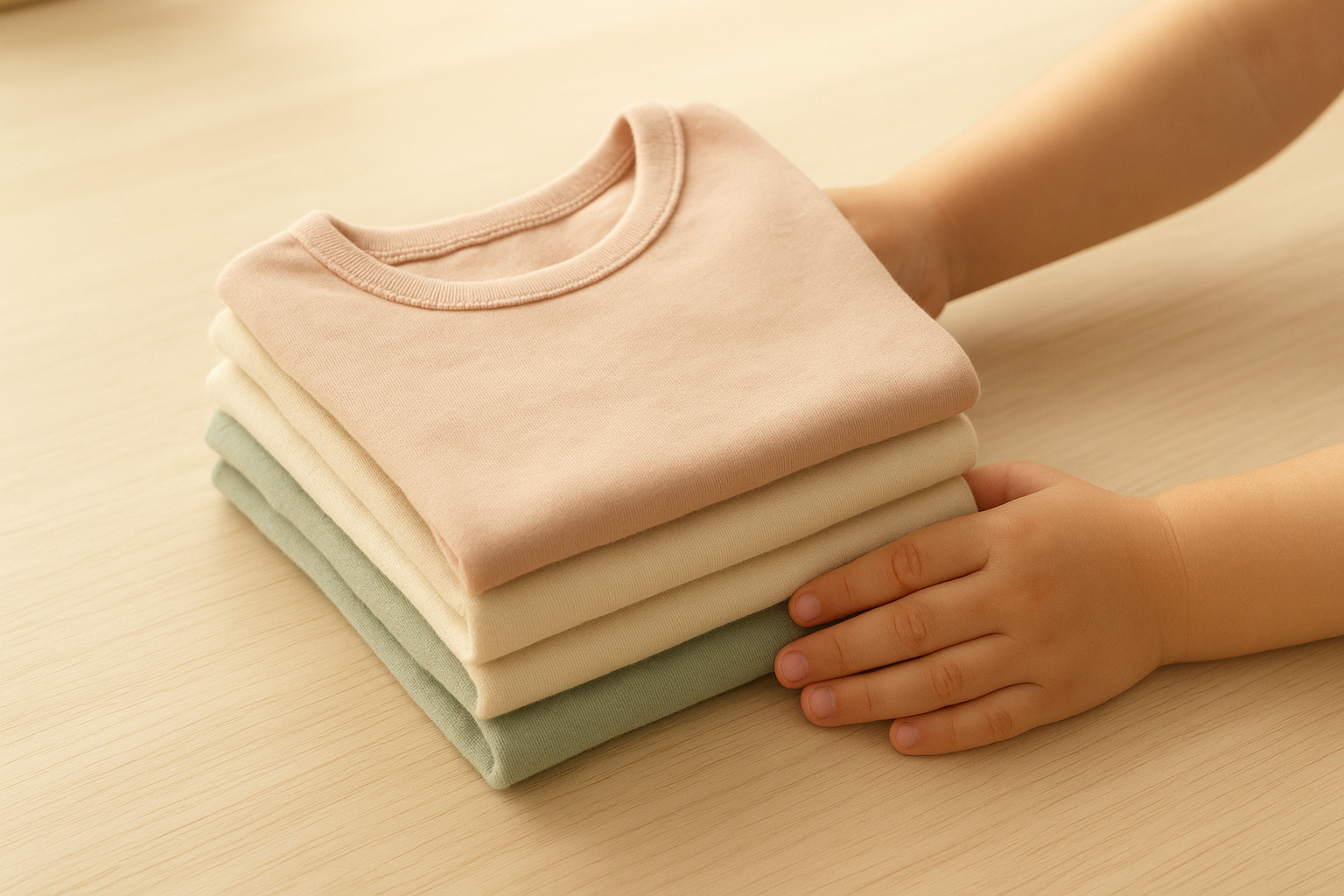
Organic cotton and other certified fabrics are gentler on children's skin and kinder to the planet.
Common Mistakes Families Make When Shopping Sustainably
Even well-intentioned families can fall into patterns that undermine their sustainability goals. Understanding these pitfalls helps you avoid them from the start.
Falling for greenwashing is perhaps the most common mistake. Many brands use vague terms like "natural," "green," or "eco-friendly" without any certification to back them up. Therefore, always verify claims with recognized third-party labels before purchasing.
Over-buying sustainable items is another trap. Purchasing ten new organic cotton pieces when five secondhand ones would suffice is still overconsumption. In contrast, a smaller, well-chosen wardrobe is always more sustainable than a large one, regardless of fabric origin.
Ignoring the secondhand market because of perceived quality concerns is also a missed opportunity. Meanwhile, pre-loved children's clothing is often in excellent condition precisely because it was outgrown, not worn out.
Teaching Children the Value of Sustainable Choices
One of the most rewarding aspects of building an eco-conscious wardrobe is the opportunity it creates to teach children about responsible consumption. When kids understand why their family shops differently, they develop environmental awareness that extends far beyond clothing.
Involve children in clothing swaps so they experience the joy of giving away items they have outgrown and receiving something new-to-them. Additionally, explain in simple terms why certain fabrics are kinder to the planet. These conversations build habits that last a lifetime.
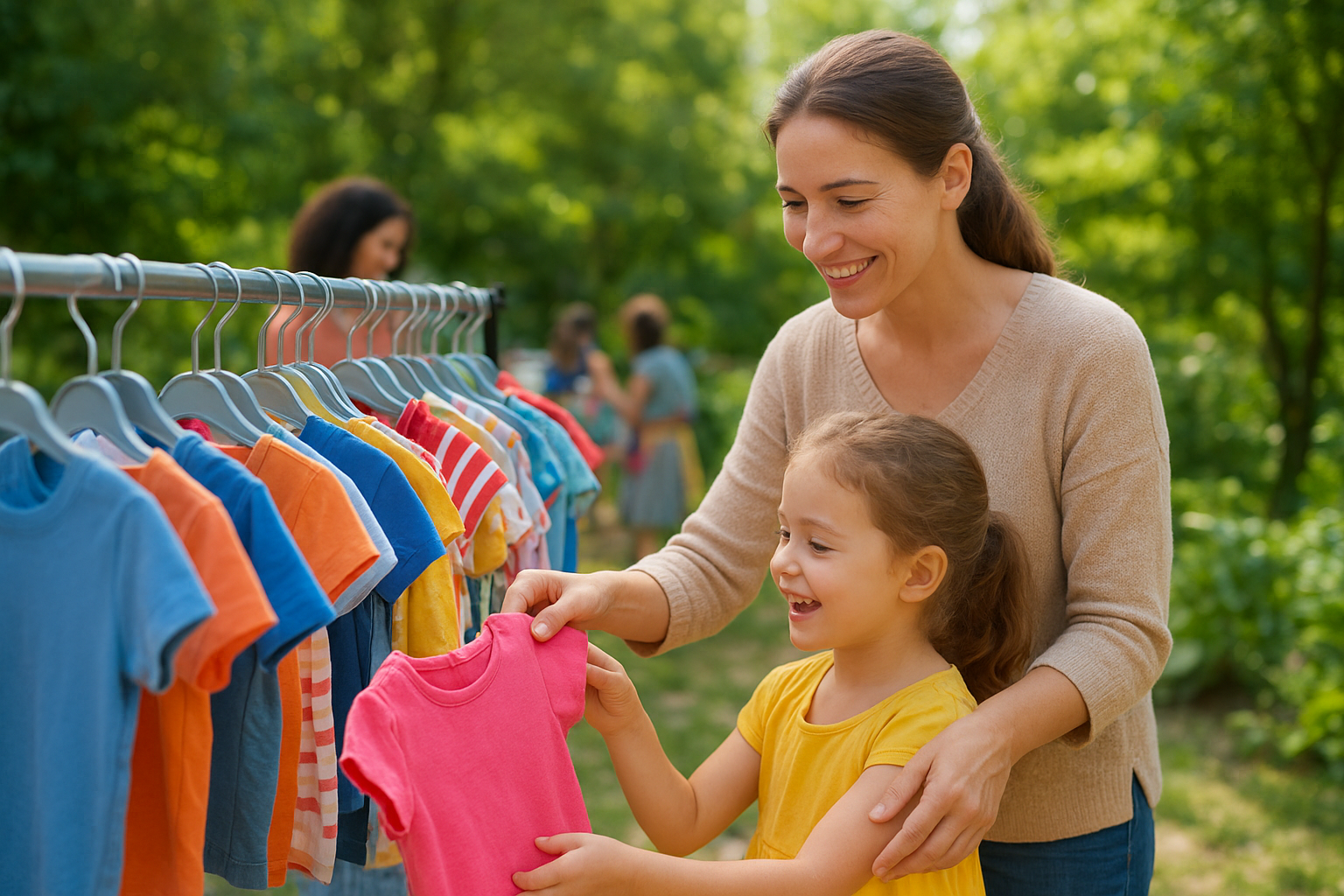
Community clothing swaps are a fun, practical way to embrace eco-conscious family clothing while connecting with neighbors.
Savings and Long-Term Value of Going Sustainable
A common misconception is that sustainable clothing always costs more. However, when you factor in the full picture — buying secondhand, participating in free clothing swaps, and choosing durable items that last multiple seasons — most families actually spend less over time.
For example, a family that swaps outgrown children's clothes through a platform like Bundle to Bundle eliminates a significant portion of their annual clothing spend entirely. Because children's sizes change so frequently, this kind of circular approach is not just environmentally smart — it is financially sensible.
Quick Tip: Before buying any new item of clothing for your child, ask yourself: could this be sourced secondhand, borrowed, or swapped? In most cases, the answer is yes — and acting on that question is the fastest path to a more sustainable family wardrobe.
Frequently Asked Questions About Eco-Conscious Family Clothing
What is eco-conscious family clothing?
Eco-conscious family clothing refers to garments chosen with environmental and ethical impact in mind, including organic fabrics, secondhand items, and clothes made under fair labor conditions. The goal is to reduce textile waste and lower a household's overall carbon footprint.
Why does children's clothing have such a large environmental impact?
Children outgrow clothes rapidly, meaning garments are often worn only a handful of times before being discarded. This creates significant textile waste and drives demand for fast-fashion production, which is resource-intensive and polluting.
What fabrics are best for eco-conscious kids clothing?
Organic cotton, linen, bamboo, and recycled polyester are among the most sustainable fabric choices. Look for GOTS-certified organic cotton or OEKO-TEX Standard 100 labels to ensure the fabric is free from harmful chemicals.
Is secondhand clothing truly more sustainable?
Yes, buying secondhand is one of the most impactful sustainable choices a family can make. It extends the life of existing garments, prevents them from reaching landfill, and requires no new raw materials or manufacturing energy.
How can I find affordable eco-conscious clothing for my family?
Platforms like Bundle to Bundle allow families to swap or purchase pre-loved children's clothing affordably. Thrift stores, local clothing swaps, and end-of-season sales from ethical brands are also cost-effective options.
What certifications should I look for when buying sustainable family clothing?
Key certifications include GOTS (Global Organic Textile Standard), OEKO-TEX Standard 100, Fair Trade Certified, and B Corp status. These labels verify environmental and social standards throughout the supply chain.
How do clothing swaps work for families?
Clothing swaps let families exchange outgrown or unwanted garments with other households at no cost. They can be organized locally through community groups or online via dedicated platforms, making it easy to refresh wardrobes sustainably.
Can eco-conscious clothing choices save my family money?
Absolutely. Buying secondhand, participating in clothing swaps, and choosing durable pieces that last longer all reduce long-term spending. Investing in quality items also means fewer replacements over time.
What is slow fashion and how does it apply to families?
Slow fashion is a movement that prioritizes quality, longevity, and ethical production over cheap, disposable garments. For families, it means buying fewer but better items, caring for clothes properly, and passing them on when outgrown.
How can I teach my children about sustainable clothing choices?
Involve children in clothing swaps, explain why you choose certain brands, and encourage them to care for their garments. These habits build environmental awareness and responsible consumption from an early age.
What are the most common mistakes families make when trying to shop sustainably?
Common mistakes include buying too many "sustainable" items at once, ignoring secondhand options in favor of new organic pieces, and not verifying brand certifications. Greenwashing is widespread, so researching brands before purchasing is essential.
How do I care for eco-conscious clothing to make it last longer?
Wash clothes in cold water, air dry when possible, and follow care label instructions carefully. Avoiding over-washing and using gentle, eco-friendly detergents significantly extends garment lifespan.
Making Eco-Conscious Family Clothing a Lasting Habit
Ultimately, building a sustainable family wardrobe is not a single purchase or a one-time project. Instead, it is a series of small, consistent choices that compound over time into meaningful environmental impact. By starting with a wardrobe audit, exploring secondhand options first, and caring for garments properly, any family can dramatically reduce their textile footprint without sacrificing style or budget.
Eco-conscious family clothing is, at its core, about valuing what you already have, extending the life of what you buy, and passing on what you no longer need. Because every garment kept in circulation is one less destined for landfill, even modest changes in your family's habits contribute to a genuinely more sustainable future.


