


A designer baby clothing subscription delivers premium, stylishly curated newborn and infant outfits straight to your door, sparing busy parents from the endless cycle of shopping for garments their baby will outgrow within weeks. Because babies grow at an astonishing pace during the first two years, more families than ever are trading one-off boutique purchases for a recurring box that adapts to every growth spurt, style preference, and budget.
In this guide, you will learn exactly how these subscriptions work, how pricing and sizing really function, which mistakes trip up first-time subscribers, and how to weigh a rental model against outright purchase. Unlike a quick brand overview, this article walks through every decision point so you can subscribe with total confidence — no guesswork required.
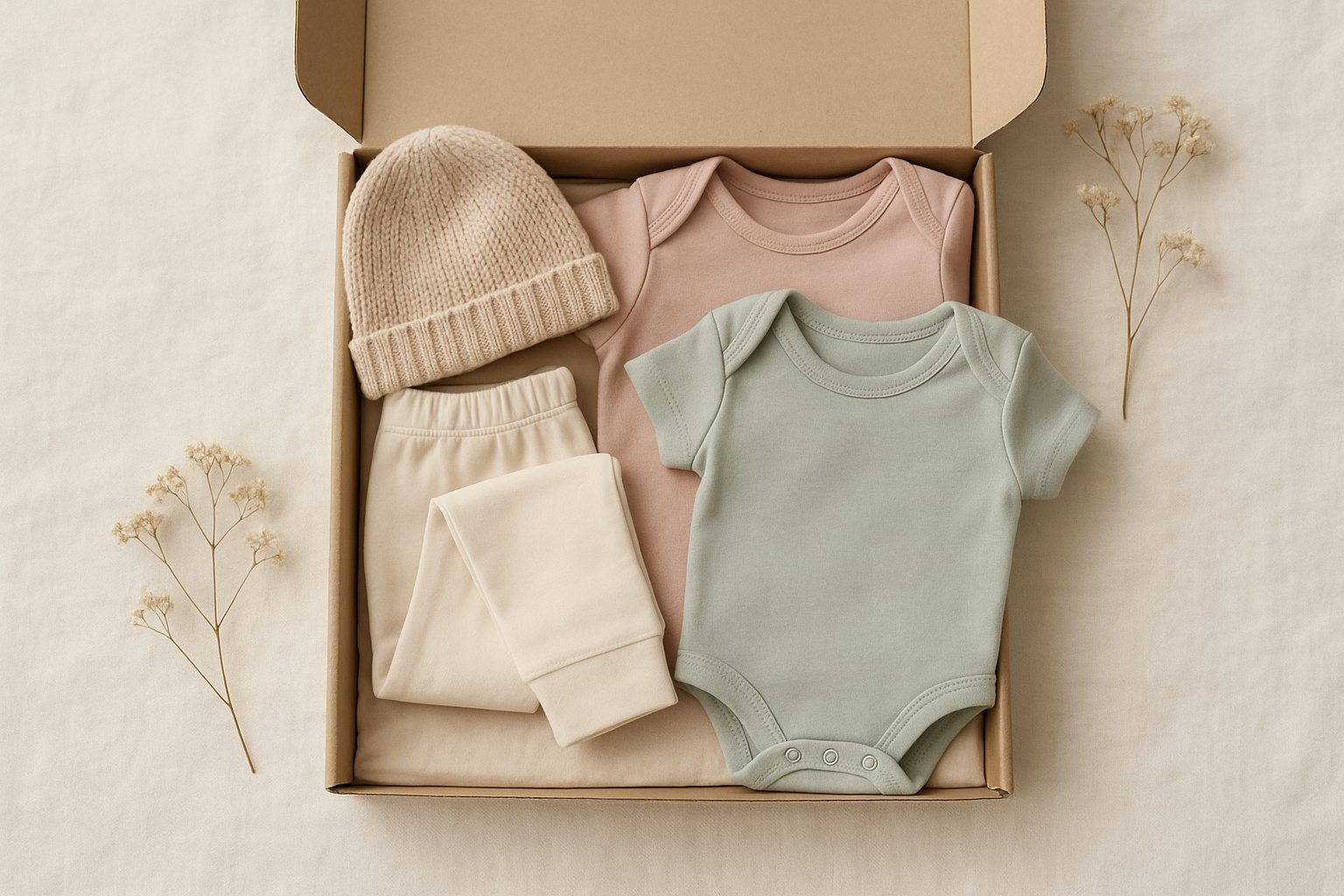
A well-curated designer baby clothing subscription box takes the guesswork out of dressing your newborn in style.
What Is a Designer Baby Clothing Subscription, Exactly?
At its core, a designer baby clothing subscription is a recurring service — usually monthly, bi-monthly, or seasonal — that ships a curated selection of premium infant outfits based on your baby's size, gender preference, and style profile. Most boxes include four to eight pieces, typically onesies, pants, tops, and a small accessory such as a hat or bib. However, what separates a true designer tier from a bargain box is the material quality and brand pedigree behind every piece.
Specifically, expect fabrics such as GOTS-certified organic cotton, bamboo jersey, and fine merino wool rather than the synthetic blends common in mass-market alternatives. In addition, many services include a style card that explains each item's fabric composition, care instructions, and the seasonal inspiration behind the curation — a level of transparency that matters enormously for parents managing skin sensitivities or eczema.
What's Typically Inside Each Box
- Coordinated capsule pieces — tops, bottoms, and layering items designed to mix and match
- A seasonal accessory — a hat, bib, or pair of booties that completes the look
- A style and care card — details on fabric composition, wash instructions, and brand background
- Sizing notes — guidance on how each piece fits relative to your baby's current measurements
Notably, some premium services build entire seasonal capsule collections rather than shipping a random assortment. As a result, every garment in the box coordinates with every other garment — a genuine time-saver on hectic mornings when nothing else is going to plan.
Rental vs. Purchase: Two Very Different Subscription Models
There are two fundamental business models behind any baby clothing subscription box: purchase and rental. Understanding the difference is critical before you commit to a monthly charge.
Purchase subscriptions send clothes you keep permanently, which suits parents who want to build a lasting wardrobe, hand items down to younger siblings, or resell pieces later. In contrast, rental subscriptions let you return worn items and receive a fresh batch in the next size up. This model is particularly eco-friendly and cost-effective because garments circulate across multiple families instead of sitting unused in a drawer after a single growth spurt.
According to research on subscription box business models, rental and hybrid formats have grown significantly as shoppers prioritize sustainability over ownership. For designer baby clothing specifically, a rental approach can lower your per-outfit cost by 40 to 60 percent compared with buying the same brands outright, since each garment is reused rather than retired after one size.
If you're still weighing the two approaches, our detailed breakdown of where to rent designer children's clothing walks through real pricing scenarios for both models side by side.
Key Factors to Compare Before Subscribing
- Fabric certifications — look for OEKO-TEX Standard 100 or GOTS labels
- Size range — confirm coverage from newborn through at least 18 to 24 months
- Customization depth — style profiles, color exclusions, and allergy flags
- Cancellation policy — month-to-month flexibility versus locked-in contracts
- Shipping costs — free returns are especially important for rental models
- Box frequency — monthly, bi-monthly, or seasonal deliveries
- Damage and wear policy — how rental services handle stains or minor tears
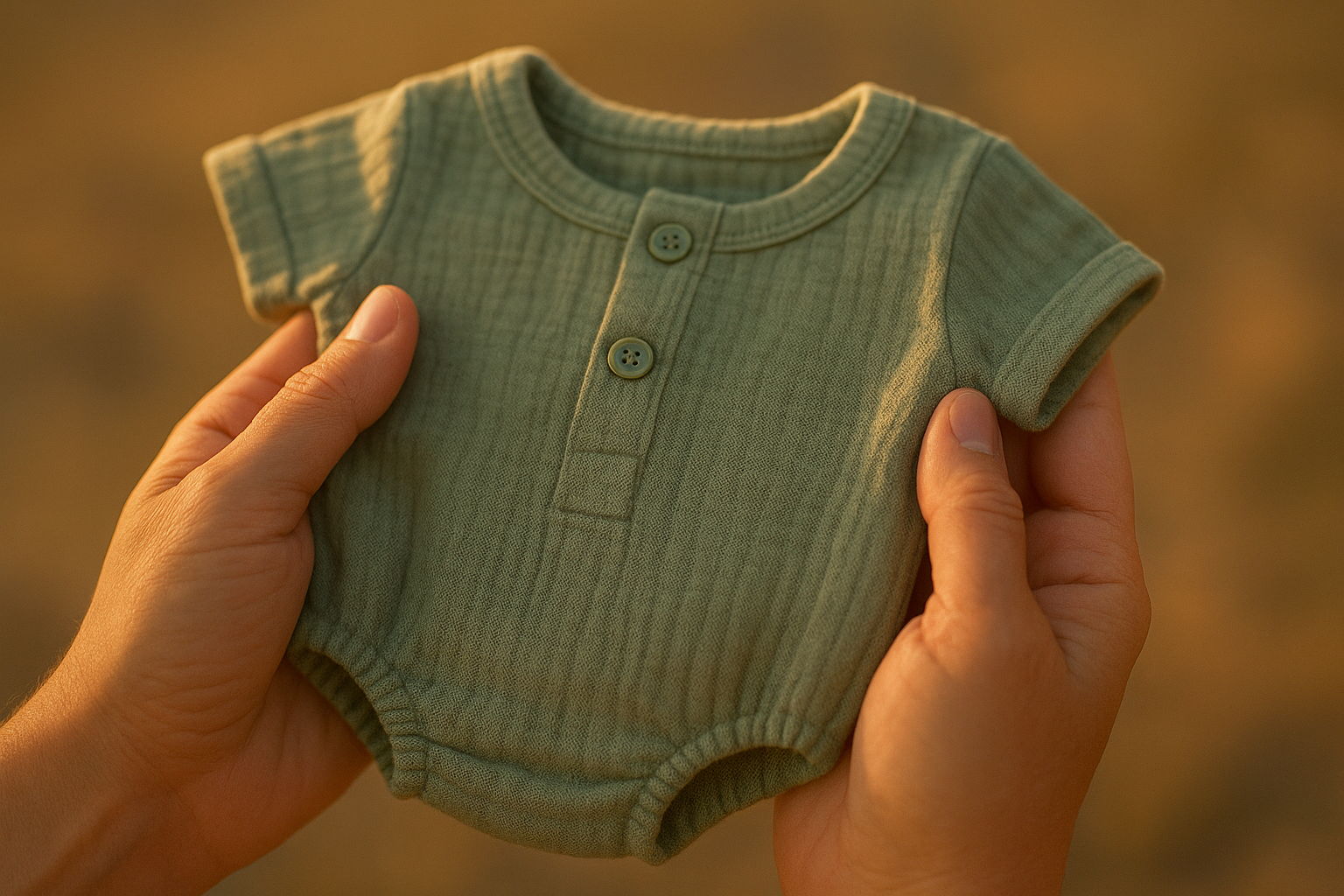
Organic cotton and bamboo fabrics are hallmarks of quality in a designer baby clothing subscription.
How Sizing Actually Works for Fast-Growing Babies
Baby sizing is notoriously inconsistent across brands. A 6-month size from one European designer may fit the same as a 9-month label from a North American brand. Because of this, the best designer baby clothing subscription services ask for your baby's current weight and height — not just age — when building each shipment.
Furthermore, many services intentionally size up by one bracket to extend the wearable window. For example, if your baby currently wears 3-month sizing, the box may include 6-month pieces that fit loosely today but perfectly within four to six weeks. This approach dramatically reduces the frustration of receiving clothes your baby has already outgrown by the time the box arrives.
Services like Bundle to Bundle are designed with this growth-curve challenge in mind, offering flexible sizing updates between deliveries so parents are never stuck with ill-fitting pieces. For a deeper look at how rental sizing compares across providers, see our guide to stylish baby clothes subscription rentals.
How to Choose the Best Designer Baby Clothing Subscription: 6 Steps
Rather than comparing services by price alone, follow this sequence to land on the right fit for your household. Above all, treat sizing accuracy and fabric safety as non-negotiable filters before you even look at aesthetics.
- Define your budget per piece, not per box. Divide the monthly subscription price by the number of garments included so you can compare a $60 four-item box fairly against a $90 eight-item box.
- Confirm fabric certifications before signing up. Request explicit confirmation of OEKO-TEX Standard 100 or GOTS certification, since newborn skin absorbs chemicals more readily than adult skin.
- Complete the full style and sizing profile. Enter your baby's exact weight, height, and color preferences rather than relying on age alone, because accurate inputs directly reduce the odds of receiving ill-fitting pieces.
- Decide between rental and purchase upfront. Choose rental if you want lower cost per wear and minimal environmental impact, or purchase if you want to keep and eventually hand down every item.
- Read the cancellation and swap policy in full. Look specifically for how many days' notice is required and whether size exchanges are unlimited or capped per billing cycle.
- Test with a single box before committing long-term. Most reputable services allow a one-time trial box, which lets you evaluate quality, fit, and communication before locking into a recurring plan.
Cost Breakdown: What Should You Actually Expect to Pay?
Pricing varies considerably depending on the tier and model you choose. Generally speaking, entry-level boxes start around $30 to $50 per month, while premium designer-focused subscriptions can range from $80 to $200 or more per delivery. Rental memberships often work differently, charging a flat monthly fee that covers unlimited size exchanges rather than a per-box price.
- Budget tier ($30–$50/month): Four to five pieces, blended fabrics, limited brand variety
- Mid tier ($60–$100/month): Six to eight pieces, mostly organic cotton, moderate brand selection
- Designer tier ($100–$200+/month): Full capsule collections, certified organic or merino fabrics, recognized designer labels
- Rental membership ($50–$120/month): Unlimited size swaps, return shipping included, lower long-term cost per wear
Consequently, the "cheapest" plan on paper is not always the best value. Instead, divide the monthly cost by the number of usable pieces and factor in shipping, since some services quietly charge for return postage on rental exchanges. For a side-by-side comparison of popular providers and their real per-item costs, this roundup of convenient baby clothes subscription picks is a useful next stop.
Sustainability and Ethics in Baby Fashion
The fashion industry is one of the world's largest polluters, and baby clothing contributes meaningfully to that footprint given how briefly each item is worn before it no longer fits. However, designer baby clothing subscription services are increasingly leading the charge on sustainability rather than lagging behind it.
Look for services that use recycled or compostable packaging, partner with brands that pay fair wages, and offer carbon-offset shipping. Additionally, rental-based models extend the lifecycle of each garment significantly — a single romper may clothe three or four babies before it is retired or recycled, which meaningfully reduces textile waste compared with single-use purchases.
For parents who want to go further, some services allow you to return outgrown purchased items for store credit, effectively creating a closed-loop wardrobe system. This approach aligns with broader circular economy principles that are reshaping retail globally, from fashion resale platforms to rental furniture services.
Safety matters just as much as sustainability. In the United States, infant clothing must comply with flammability and drawstring standards enforced by the U.S. Consumer Product Safety Commission, so it's worth confirming that any subscription you choose sources garments that meet these federal requirements in addition to independent fabric certifications.
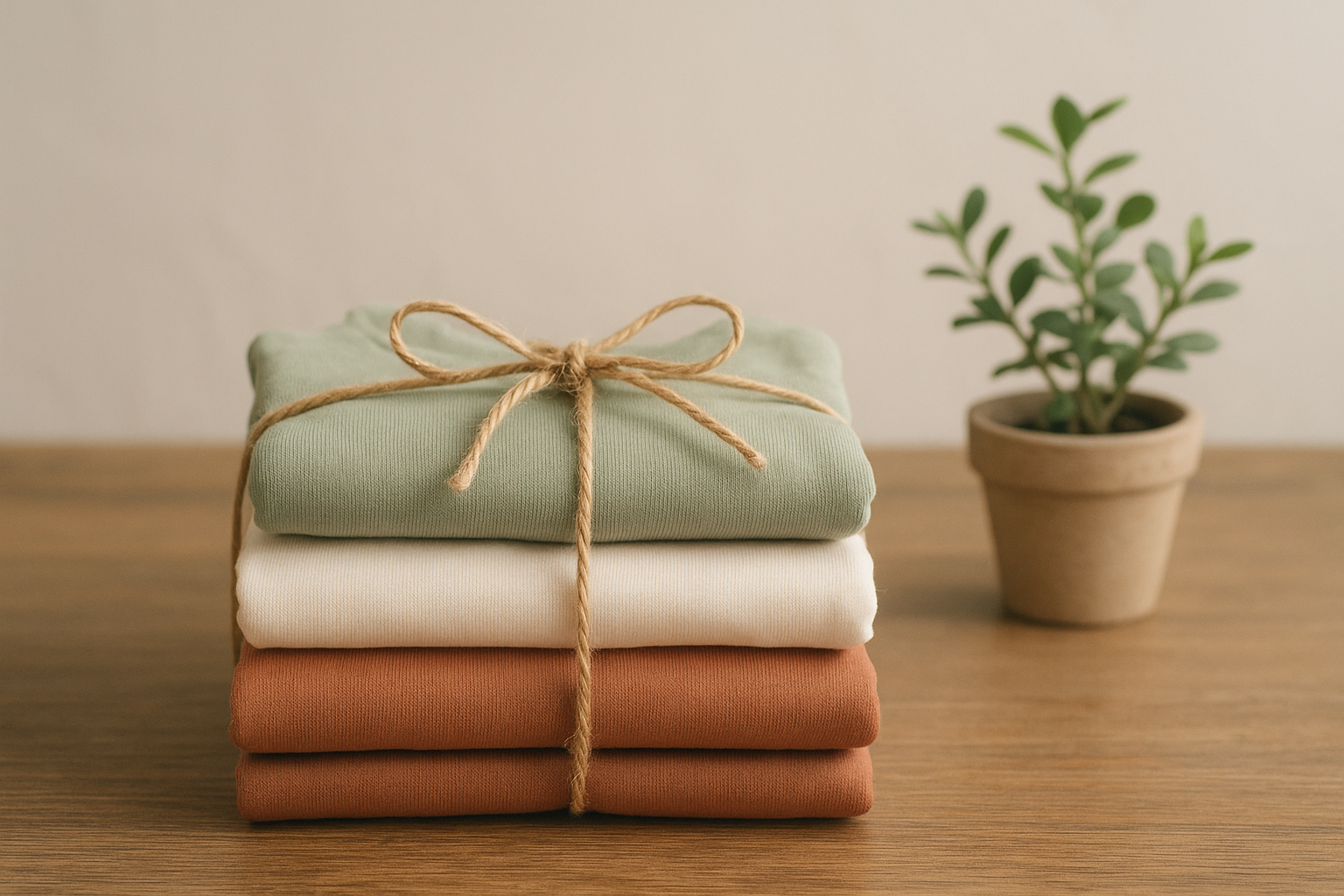
Sustainable fabrics and minimal packaging are increasingly standard in premium baby clothing subscriptions.
5 Mistakes to Avoid When Choosing a Baby Clothing Subscription
Even experienced parents make avoidable errors when signing up. Here are the five most frequent pitfalls and how to sidestep each one.
1. Choosing by price alone. A lower monthly fee often means fewer items, cheaper fabrics, or hidden shipping charges. Always calculate the cost per piece rather than the headline subscription price.
2. Skipping the style profile. Most services offer a detailed questionnaire before your first shipment. Skipping it means the curator has no guidance, and you risk receiving colors or styles that don't suit your taste.
3. Ignoring the cancellation terms. Some services require 30 days' notice before the next billing cycle. Therefore, always read the fine print before your first payment clears.
4. Overlooking fabric certifications. Newborn skin is highly sensitive. Because of this, choosing a service that cannot confirm OEKO-TEX or GOTS certification carries a real risk of irritation.
5. Not updating sizing between boxes. Babies grow fast. If you forget to update your baby's measurements before the next shipment is packed, you may receive an entire box of clothes that no longer fits.
Giving a Baby Clothing Subscription as a Shower Gift
A designer baby clothing subscription makes an exceptionally practical and memorable baby shower gift. Unlike a single outfit that may be outgrown in weeks, a three- or six-month gift subscription grows with the baby and provides ongoing value long after the shower has ended.
Many services offer beautifully packaged gift boxes with a personalized message card included. Furthermore, gift subscriptions often come with premium unboxing experiences — tissue paper, ribbon, and a handwritten note — that make the presentation as special as the contents.
If you are purchasing for someone else, look for services that allow the recipient to update their style profile and sizing preferences after receiving the gift. This flexibility ensures the subscription remains useful even if the gifter doesn't know the parents' exact preferences. For inspiration on rental gifting specifically, see our guide to designer nursery fashion rental savings.
Platforms like Bundle to Bundle are built around this gifting use case, making it easy to purchase a subscription on behalf of a new parent with full customization handed off to the recipient.
Is a Designer Baby Clothing Subscription Right for Your Family?
A designer baby clothing subscription is the ideal solution for parents who value quality, convenience, and style but lack the time to research and shop for premium brands individually. It is particularly well suited to first-time parents who are still learning which brands, fits, and fabrics work best for their baby.
In contrast, parents who already have strong brand loyalty or who genuinely enjoy shopping as a leisure activity may find the curation model less appealing. Additionally, families on a tight budget may find that even entry-level designer subscriptions stretch their monthly spending. In those cases, a seasonal subscription — delivered every three months rather than monthly — can offer a satisfying middle ground.
Ultimately, the best subscription is the one that fits your lifestyle, your baby's needs, and your values — whether that means prioritizing organic fabrics, sustainable rental practices, or simply the joy of a beautifully curated delivery arriving at your door each month.
Frequently Asked Questions About Designer Baby Clothing Subscriptions
What is a designer baby clothing subscription?
A designer baby clothing subscription is a recurring service that delivers curated, high-quality or luxury baby outfits to your home on a monthly or seasonal schedule. Subscribers typically receive size-appropriate pieces selected by professional stylists based on their baby's age and style preferences.
How much does a designer baby clothing subscription cost?
Entry-level boxes start around $30 to $50 per month, while premium designer-focused subscriptions can range from $80 to $200 or more per delivery. Always calculate the cost per item to compare value accurately across services.
Is a baby clothing subscription worth it?
For most parents, yes — because babies outgrow clothes so quickly that buying full-price designer items individually is costly. A subscription spreads that cost, saves shopping time, and ensures your baby always has size-appropriate, stylish outfits ready to wear.
Can I choose the styles or brands in my subscription box?
Most services allow you to fill out a style profile covering color preferences, fabric sensitivities, and sizing before each shipment. Some premium services let you select specific designer brands, while others curate the selection entirely on your behalf.
How do sizing and age ranges work in baby clothing subscriptions?
Reputable services ask for your baby's current age and weight at sign-up and update sizing with each shipment. Many also size up slightly to account for growth spurts, ensuring clothes fit for longer and reducing wasted deliveries.
What fabrics should I look for in designer baby clothing?
Look for GOTS-certified organic cotton, bamboo, and merino wool, as these materials are soft against sensitive skin and naturally breathable. Avoid synthetic blends that can trap heat or cause irritation on delicate newborn skin.
Can I pause or cancel my subscription easily?
Most reputable services offer flexible pause and cancel options through an online account dashboard. However, always review the cancellation policy before subscribing to avoid unexpected charges tied to billing cycle deadlines.
Do designer baby clothing subscriptions offer gift options?
Yes, many services offer gift subscriptions for one, three, or six months, making them popular baby shower and new-parent gifts. Gift boxes often include premium packaging and a personalized message card for a memorable unboxing experience.
What is the difference between a rental and a purchase subscription for baby clothes?
A purchase subscription sends clothes you keep permanently, while a rental model lets you return items after use and receive a new batch in the next size. Rental models are more eco-friendly and cost-effective for fast-growing infants.
Are designer baby clothing subscriptions eco-friendly?
Many services prioritize sustainability through organic fabrics, minimal plastic packaging, and carbon-offset shipping. Rental-based subscriptions are especially eco-friendly because garments are reused across multiple families, extending each item's useful life significantly.
How do I know if the clothes are safe for my newborn?
Look for subscriptions that source garments meeting OEKO-TEX Standard 100 or GOTS certification, which ensures textiles are free from harmful chemicals. Reputable designer brands also comply with CPSC infant clothing safety standards in the United States.
What sizes do baby clothing subscriptions typically cover?
Most services cover newborn through 24 months or size 2T, with some extending to toddler sizes up to 4T. Always confirm the size range before subscribing if you have an older baby or toddler.
How many items come in a typical designer baby clothing subscription box?
A standard box typically contains four to eight pieces, which may include onesies, pants, tops, and an accessory such as a hat or bib. Premium tiers often include more items or higher price-point pieces from recognized designer labels.
Do designer baby clothing subscriptions work for twins or multiples?
Many services accommodate multiples by allowing duplicate sizing profiles within one account, though some charge a per-baby fee rather than a flat household rate. It's worth confirming this detail directly with customer support before signing up, since policies vary widely between providers.
Are designer baby clothing subscriptions available internationally?
Coverage varies by provider; some ship only within one country while others support international delivery with added customs fees and longer transit times. Always check the shipping policy page before subscribing if you live outside the service's primary market.
The Bottom Line
In short, a designer baby clothing subscription gives busy parents an efficient, sustainable, and stylish way to keep pace with a rapidly growing baby without constant shopping trips or wasted purchases. Whether you choose a purchase model to build a lasting wardrobe or a rental plan to minimize cost and waste, the right subscription hinges on accurate sizing, verified fabric safety, and a cancellation policy you actually understand. Start with a trial box, compare cost per piece rather than headline pricing, and you'll find a service that keeps your little one dressed beautifully at every stage.


