


Clothing rental for infants is a subscription-based model that delivers curated bundles of baby clothes to your door, lets your child wear them through a growth stage, and then allows you to return them for the next size up — without ever buying a single item outright. Because infants can outgrow a clothing size in as little as four to six weeks, this approach is quickly becoming one of the most practical solutions for modern parents.
The average family spends hundreds of dollars on baby clothes in the first year alone, yet many of those garments are worn only a handful of times. Therefore, renting rather than buying represents a meaningful shift in how families think about infant wardrobes — financially, practically, and environmentally.
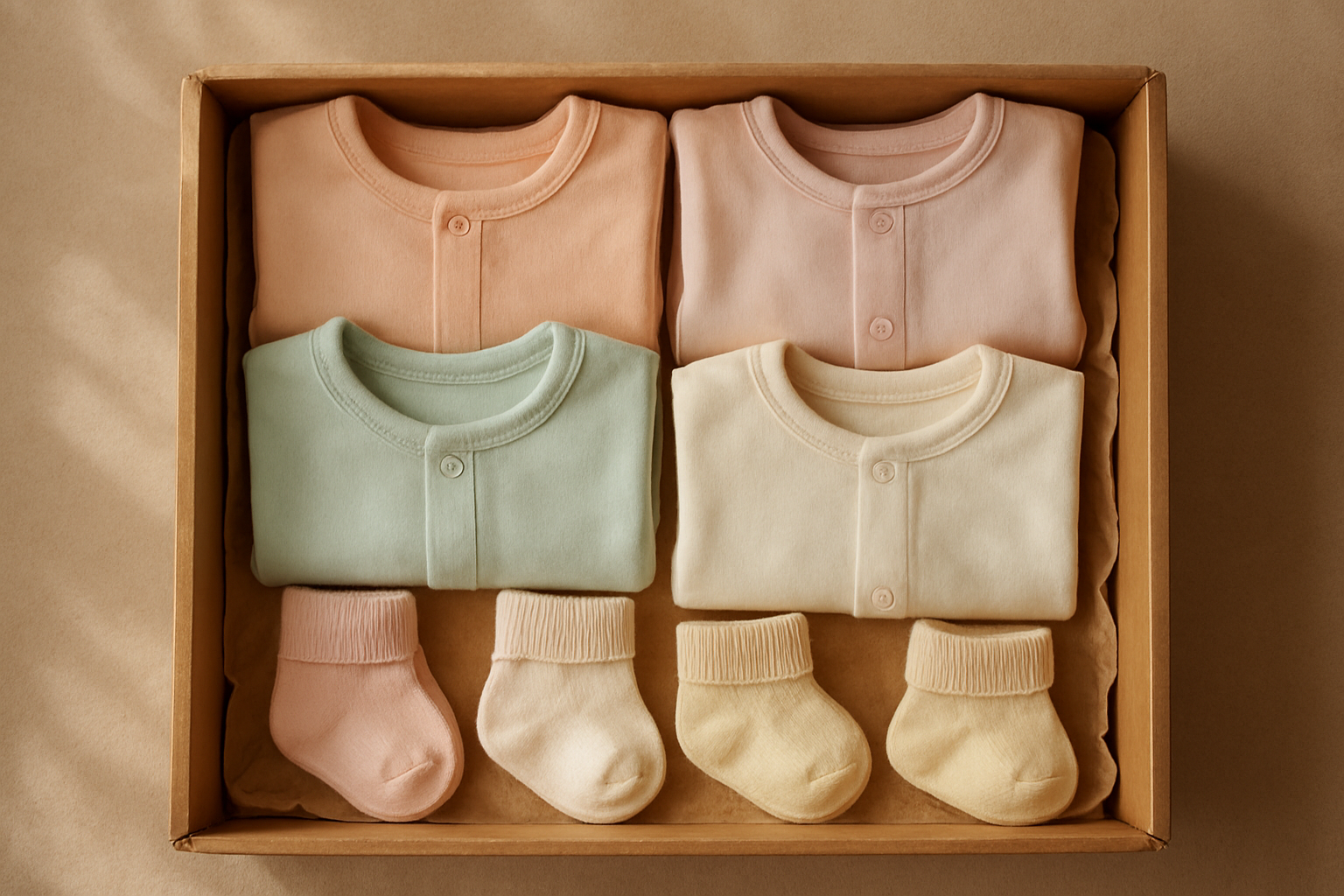
A typical clothing rental for infants bundle arrives neatly folded and ready to wear straight from the box.
Why Babies Outgrow Clothes So Quickly
Infant growth is remarkably rapid during the first twelve months. In fact, most babies triple their birth weight by their first birthday, and their length increases by roughly 50 percent. As a result, standard clothing sizes — newborn, 0–3 months, 3–6 months, 6–9 months, and 9–12 months — can each last as little as three to six weeks in practice.
This rapid progression means parents are constantly buying new clothes, often before the previous batch has seen more than a dozen wears. Additionally, babies are notorious for staining and soiling clothes, which means parents frequently overbuy to ensure they always have clean options available. The financial and environmental cost of this cycle adds up surprisingly fast.
According to the U.S. Environmental Protection Agency, textiles represent one of the fastest-growing categories of municipal solid waste. Baby and children's clothing contributes significantly to this figure, since items are discarded after such brief use periods.
How the Rental Model Works in Practice
The process is straightforward. First, parents sign up for a plan and indicate their baby's current size and any style preferences. The service then curates a bundle of age-appropriate, professionally cleaned garments and ships it directly to the family's home.
Once the baby outgrows the current bundle — or after a set rental period — parents simply pack the clothes into a prepaid return bag and drop it off at a collection point or schedule a pickup. Next, a fresh bundle in the following size arrives within a few days, keeping the wardrobe current without any shopping trips.
Services like Bundle to Bundle have built their entire model around this seamless swap experience, making it as frictionless as possible for busy parents who do not have time to browse stores or resale apps between diaper changes.
Quick Answer: Clothing rental for infants works by delivering a curated bundle of baby clothes in your child's current size, then swapping it for the next size up when needed — all for a flat monthly subscription fee. It saves money, reduces textile waste, and eliminates the need to buy clothes your baby will outgrow in weeks.
The Real Cost Savings for Families
When parents buy new infant clothing, they typically spend $150 to $300 per size stage on a reasonable wardrobe — and that figure climbs higher for branded or premium items. Over twelve months, that can easily total $800 to $1,500 or more. In contrast, most rental subscriptions run between $30 and $80 per month, bringing the annual cost to roughly $360 to $960.
However, the savings extend beyond the sticker price. Parents also avoid the time cost of shopping, the storage cost of clothes that no longer fit, and the hassle of reselling or donating outgrown items. For many families, the convenience alone justifies the subscription fee.
Additionally, rental services typically include a wider variety of styles than most parents would purchase individually, meaning babies often end up with a more diverse wardrobe at a lower per-item cost than buying outright.

Rented infant clothing arrives clean and ready to wear, giving parents one less task to manage.
Environmental Benefits of Circular Baby Fashion
The environmental case for renting infant clothing is compelling. Each garment that circulates through multiple families displaces the need for several new items to be manufactured. Because the production of cotton and synthetic fabrics is resource-intensive — requiring significant water, energy, and chemical inputs — extending the useful life of each garment meaningfully reduces its environmental footprint.
Furthermore, rental services have a financial incentive to maintain garment quality, which encourages better fabric choices and more durable construction. This stands in contrast to fast-fashion infant clothing, which is often made cheaply and discarded after minimal use.
In practice, a single rental garment might dress five or six different babies before it is retired, compared to the one or two wearings a purchased item might receive before being outgrown. That multiplier effect is what makes the circular model so environmentally significant at scale.
Getting Started: A Step-by-Step Guide
Starting with an infant clothing rental service is simpler than most parents expect. Here is how the process typically unfolds:
- Choose a service — Research providers available in your region. Compare pricing tiers, size ranges (newborn through 24 months is standard), and any style customisation options.
- Select your plan — Pick a subscription that fits your budget and note your baby's current size. Some services offer entry-level and premium tiers with different bundle sizes.
- Receive your first bundle — Your curated, professionally cleaned bundle arrives at your door, typically within three to five business days of signup.
- Wear and enjoy — Dress your baby as you would with any clothing. Normal wear, minor staining, and everyday use are all covered by the subscription.
- Return when ready to size up — Pack the bundle in the prepaid return bag included with your delivery and drop it off or schedule a pickup.
- Receive your next bundle — A fresh bundle in the next size arrives shortly after, keeping your baby's wardrobe seamlessly updated.
Common Concerns Parents Have Before Signing Up
Hygiene is the most common concern parents raise, and it is entirely understandable. However, established rental services use commercial-grade laundering processes with baby-safe, fragrance-free detergents. Each item is also inspected for damage or excessive wear before being sent to the next family, so the quality standard is consistently maintained.
Another frequent question is about style control. While parents cannot always select specific items, most services allow broad style preferences — such as neutral tones, bright colours, or minimalist designs — to ensure the bundle aligns with the family's aesthetic. Additionally, the curated nature of bundles often introduces parents to styles they genuinely love but might not have chosen independently.
Finally, flexibility matters to new parents whose circumstances can change quickly. Most reputable services, including Bundle to Bundle, offer easy pause and cancel options so families are never locked into a commitment that no longer suits them.
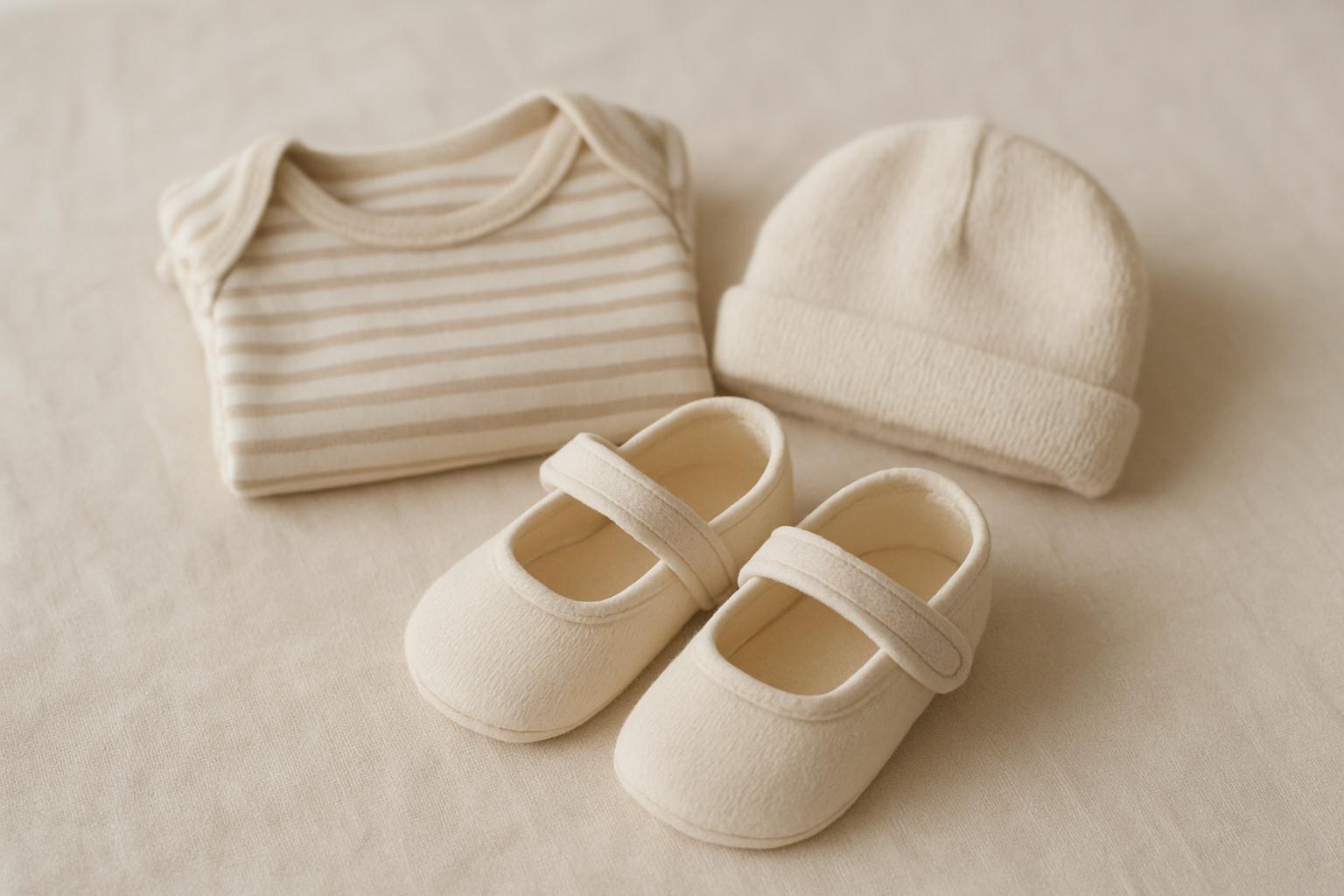
Every item in a rental bundle is inspected and cleaned before reaching the next family.
Is Rental Right for Every Family?
Rental works best for parents who value convenience and sustainability over building a permanent collection. However, it may be less suitable for families who receive a lot of gifted clothing, those who strongly prefer specific brands, or parents who plan to reuse clothes for multiple children and want to keep them long-term.
For first-time parents, in particular, rental removes the overwhelming pressure of building a complete infant wardrobe before the baby arrives. Instead, clothes arrive in the right size at the right time — a genuinely practical advantage during an already demanding period.
In conclusion, clothing rental for infants offers a compelling combination of cost savings, environmental responsibility, and everyday convenience that makes it worth serious consideration for any family navigating the rapid growth stages of the first year.
Frequently Asked Questions About Infant Clothing Rental
What is clothing rental for infants?
Clothing rental for infants is a subscription service that delivers curated bundles of baby clothes in your child's current size, then swaps them for the next size as your baby grows. It eliminates the need to purchase clothes that are worn for only a few weeks before being outgrown.
How much does infant clothing rental typically cost?
Most services charge between $30 and $80 per month depending on bundle size and quality tier. This is generally far less than buying new clothes for each growth stage, which can cost $150 to $300 per size.
Is rented baby clothing safe and hygienic?
Yes. Reputable services professionally launder all garments using baby-safe detergents and inspect each item before sending it to the next family. Any clothing showing excessive wear or damage is removed from circulation.
How does the return process work?
When your baby outgrows a bundle, you pack the clothes in a prepaid return bag and drop it off at a collection point or schedule a pickup. The service then sends your next size bundle, usually within a few days.
Can I choose specific styles or brands?
Many services allow broad style preferences such as neutral tones or bright colours during signup. However, exact items are typically curated by the provider, and specific brand selection depends on the subscription tier chosen.
Why is clothing rental better for the environment than buying new?
Each rental garment is worn by multiple babies before retirement, extending its useful life far beyond what a single purchase would achieve. This reduces demand for new fabric production and lowers the overall carbon footprint per wear.
What sizes are typically covered?
Most services cover newborn through 24-month sizes, and some extend to toddler sizes up to 3T or 4T. It is worth confirming the size range with your chosen provider before subscribing.
What happens if my baby stains or damages a rental item?
Normal wear, minor staining, and everyday use are built into the subscription cost. Excessive or intentional damage may incur a small fee, but everyday spit-up and food stains are generally covered without any extra charge.
How is clothing rental different from buying secondhand?
Secondhand shopping requires time and effort, and quality can be inconsistent. Rental delivers a curated, inspected bundle on a predictable schedule, saving parents significant time compared to browsing thrift stores or resale apps.
Can I pause or cancel my subscription easily?
Most providers offer flexible pause and cancel options through an online account portal. It is advisable to review the cancellation terms before signing up to understand any notice periods that may apply.
Are there rental options for special occasion outfits?
Yes. Some services offer special occasion add-ons or standalone rentals for christenings, holiday photoshoots, or family events. These are particularly cost-effective for outfits that would otherwise be worn only once.
Is infant clothing rental available in my country?
Availability varies by region. Services like Bundle to Bundle operate in specific markets, so checking the provider's website directly is the best way to confirm whether delivery is available in your area.


