

Children's wear rental is a service model where families borrow kids' clothing for a defined period, then return items to be cleaned and circulated to the next family — instead of buying clothes that are quickly outgrown. For parents navigating the relentless pace of childhood growth spurts, this approach can dramatically reduce clothing costs while keeping wardrobes fresh and full.
Children outgrow clothing at a pace that makes buying new items feel almost wasteful. A newborn can move through three or four sizes in the first year alone. Therefore, the traditional buy-and-donate cycle costs families hundreds — sometimes thousands — of dollars annually on garments worn for just a few weeks.
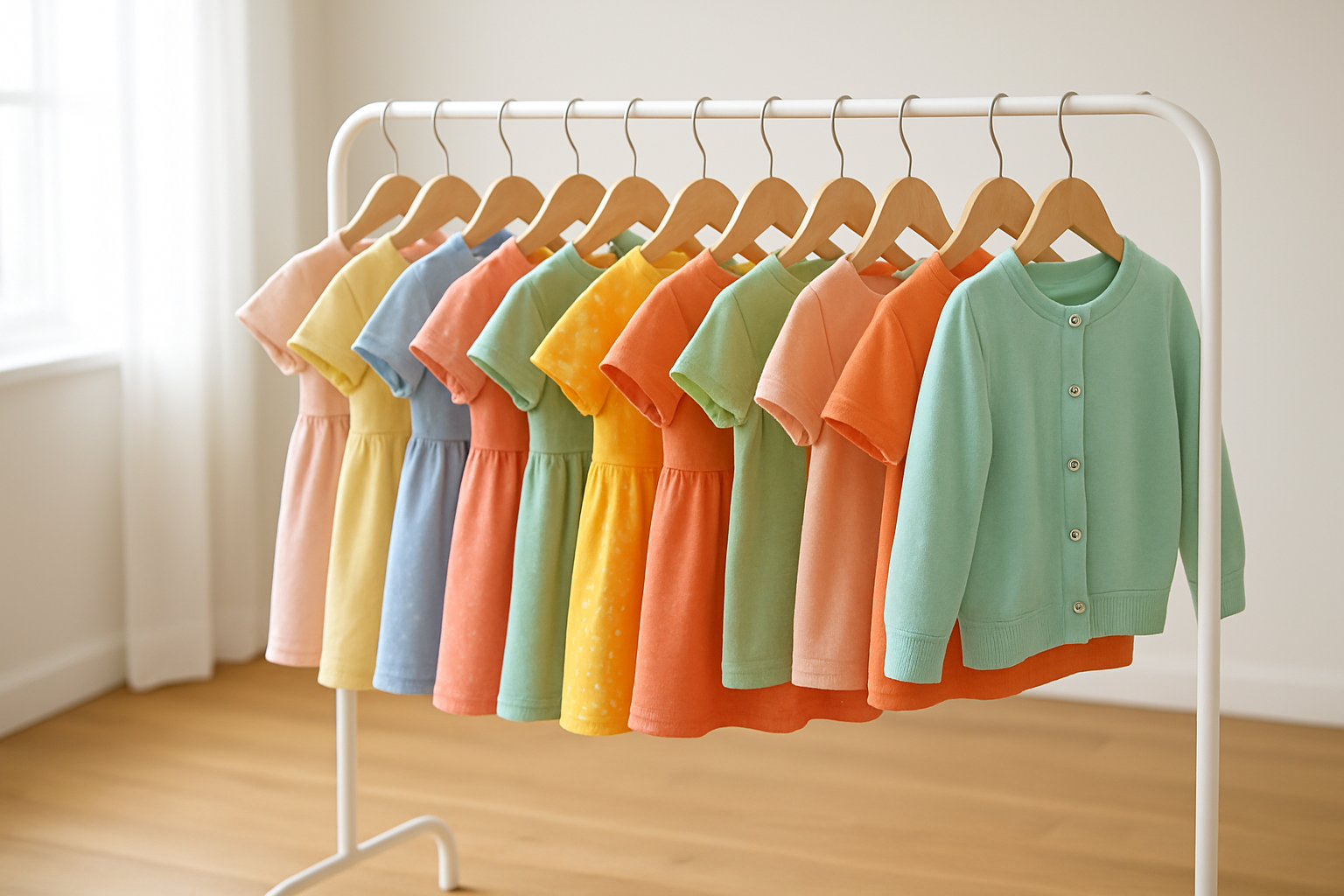
Children's wear rental services offer curated wardrobes that grow with your child, without the ongoing expense of buying new.
Why Buying Kids' Clothes Is Surprisingly Expensive
According to the U.S. Bureau of Labor Statistics Consumer Expenditure Survey, American families spend an average of $700 to $1,000 per year on children's clothing. However, much of that spending goes toward items worn only briefly before a child outgrows them. In contrast, adults wear clothing for years, making the cost-per-wear far more reasonable.
Additionally, special occasion outfits — holiday dresses, formal suits, Halloween costumes — are often worn once and then stored indefinitely. As a result, families accumulate boxes of barely-used children's clothing that eventually end up in landfills, contributing to the broader textile waste crisis.
How Does Children's Wear Rental Actually Work?
Most children's wear rental platforms follow a straightforward process. First, parents select a bundle or individual items online, choosing by size, age range, or style. Next, the clothing is shipped directly to the home or made available for pickup. After the rental period — typically a few weeks to a few months — items are returned, professionally laundered, inspected, and prepared for the next family.
Services like Bundle to Bundle have built their entire model around this swap-and-circulate concept, making it easy for parents to move through sizes without the clutter or cost of ownership. Furthermore, many platforms allow parents to purchase items they love at a discounted price if they want to keep them permanently.
Quick Answer
Children's wear rental works by letting families borrow quality kids' clothing for a set period, return it, and swap into the next size — saving 40% to 70% compared to buying new, while reducing textile waste.
The Real Financial Savings for Families
The financial case for renting children's clothing is strongest in the earliest years. Newborns and infants can cycle through sizes 0–3M, 3–6M, 6–9M, and 9–12M all within a single year. Therefore, buying new garments for each stage is an enormous recurring expense.
By comparison, a monthly rental subscription typically costs $30 to $80 depending on the number of items and brand quality. For that price, families receive a rotating wardrobe that keeps pace with their child's growth. In practice, most parents report saving hundreds of dollars per year, especially when factoring in the elimination of storage costs and the time spent reselling outgrown items.
Additionally, renting occasion wear — think birthday party dresses, holiday sweaters, or wedding guest outfits — eliminates one of the biggest single-use spending traps in children's fashion.
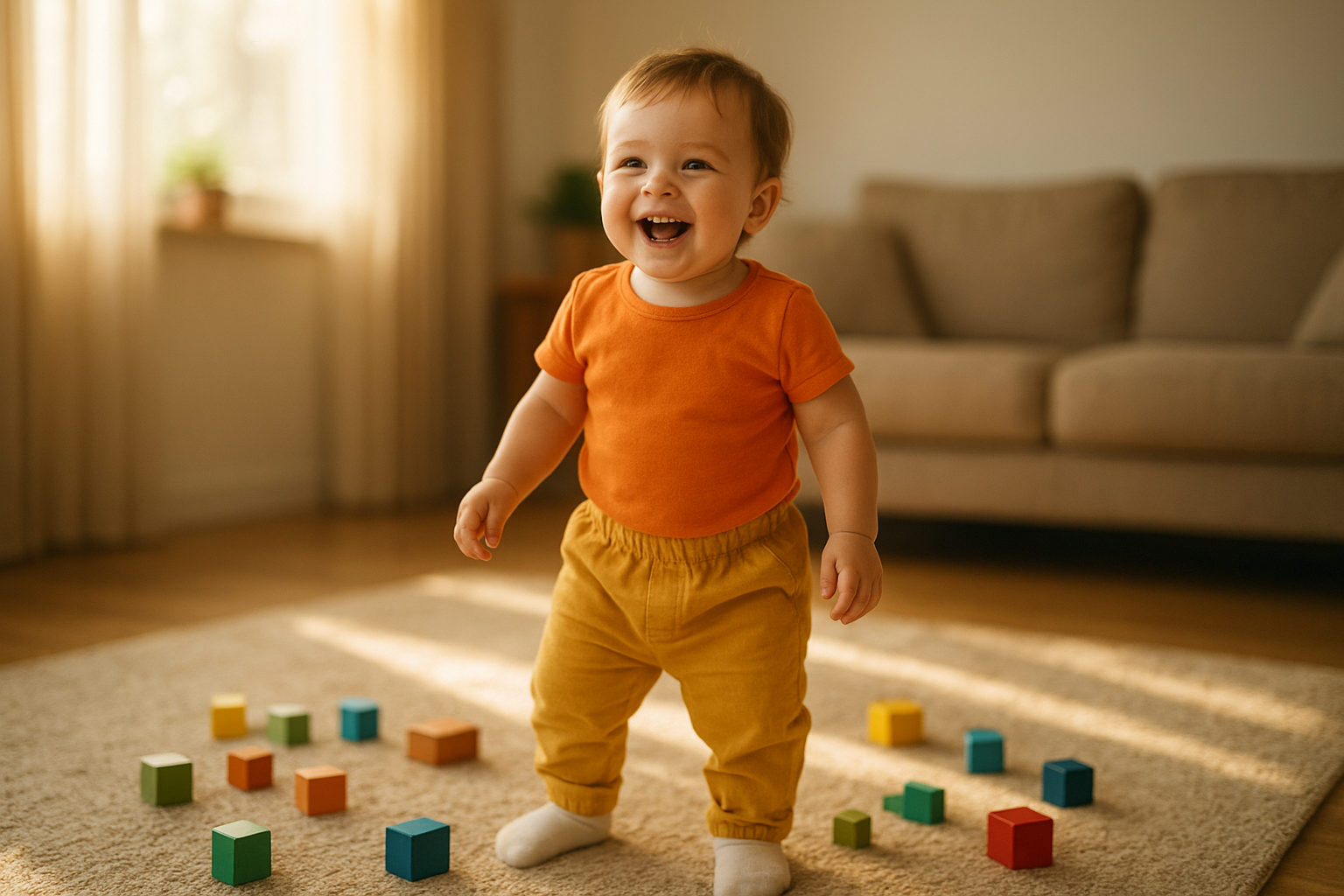
Rental clothing fits just as well as purchased items — and families simply return pieces when their child grows out of them.
Environmental Benefits You Should Know About
Children's wear rental is a direct application of the circular economy — an economic model designed to eliminate waste by keeping products and materials in use as long as possible. Instead of a garment being worn five times and then discarded, a single rental item might serve ten or fifteen different children across its lifetime.
The fashion industry is one of the world's largest polluters, and children's clothing contributes significantly to that problem because of how rapidly it is outgrown. However, rental changes the equation entirely. Each garment's environmental footprint is shared across multiple uses, dramatically reducing the per-wear carbon and water cost.
Moreover, many rental services use eco-friendly packaging and non-toxic, child-safe cleaning products, further reducing their environmental impact compared to conventional retail.
Is It Hygienic? Addressing Parents' Top Concern
Hygiene is the first question most parents ask, and it is a fair one. Reputable children's wear rental services professionally launder every returned item before it goes to the next family. Many platforms use commercial-grade washing at high temperatures and inspect each garment for wear, staining, or damage.
In practice, rental clothing often arrives cleaner and better-maintained than secondhand items purchased at thrift stores or online marketplaces. Because the service depends on repeat customers, maintaining high hygiene standards is a business priority — not just a courtesy.
Furthermore, most services are transparent about their cleaning processes and will share details on request. If you are considering a platform, look for one that clearly describes its laundering protocol and uses child-safe, non-toxic detergents.
What to Look for in a Rental Service
Not every children's clothing rental platform is created equal. Before subscribing, consider the following factors to ensure you are choosing the right service for your family.
- Size range coverage: Confirm the platform carries your child's current size and the next two or three sizes up.
- Transparent hygiene policy: Look for detailed information about how garments are cleaned and inspected.
- Flexible rental windows: Choose a service that lets you keep items longer if your child's growth stalls.
- Damage policy: Understand what counts as normal wear versus chargeable damage before you sign up.
- Style selection: A good rental service offers variety — everyday basics, activewear, and occasion outfits.
- Buy option: The ability to purchase a beloved item at a discount adds flexibility.
Platforms like Bundle to Bundle are worth exploring as a starting point, particularly for parents looking for a curated, family-friendly rental experience with straightforward pricing.

A typical children's wear rental bundle includes everyday basics and seasonal pieces sized for your child's current stage.
Common Mistakes Parents Make When Renting Kids' Clothes
Even with the best intentions, parents sometimes run into friction with rental services. However, most problems are easily avoided with a little preparation.
One of the most common mistakes is ordering the wrong size. Because children's sizing varies significantly by brand, it is worth measuring your child and checking the platform's specific size guide rather than relying on age-based sizing alone.
Another frequent error is forgetting the return window. Unlike streaming subscriptions that renew automatically, rental clothing requires active returns. Setting a calendar reminder when you receive a bundle helps avoid late fees or extended charges.
Finally, some parents underestimate how many items they actually need. A bundle of five pieces sounds sufficient, but for a toddler who goes through two or three outfit changes per day, a slightly larger bundle or a faster swap cadence may be more practical.
Rental vs. Buying Secondhand: Which Is Better?
Both rental and secondhand buying are smart alternatives to buying new, but they serve different needs. Buying secondhand gives you permanent ownership at a low cost, which is useful if you plan to pass clothes down to a younger sibling. However, it requires effort — sourcing, evaluating condition, and eventually reselling or donating when the time comes.
Rental, in contrast, eliminates all of that logistics. You simply return items and receive the next size. For busy families without the time to manage a secondhand wardrobe, or for parents with only one child, rental is often the more practical and less stressful option.
In practice, many parents use a combination of both — renting for the fastest-growth stages and buying secondhand for older children whose sizes change more slowly.
Is Children's Wear Rental Right for Your Family?
Children's wear rental is an excellent fit for families with infants and toddlers, parents who value convenience over ownership, and anyone who wants to reduce their environmental footprint without sacrificing quality. It is also ideal for parents who dread the cycle of storing, sorting, and selling outgrown clothing.
It may be less ideal if you have multiple children close in age who can share clothing, or if you prefer to build a permanent wardrobe of heirloom-quality pieces. Additionally, families in areas without reliable shipping may face logistical challenges with mail-based services.
Overall, however, the financial and environmental case for children's wear rental is compelling. As the concept grows in popularity, more platforms are entering the market, which means better selection, more competitive pricing, and improved service quality for families everywhere.
Frequently Asked Questions About Children's Wear Rental
What is children's wear rental?
Children's wear rental is a service that allows families to borrow kids' clothing for a set period instead of purchasing it. Clothes are returned, cleaned, and re-rented to other families, reducing both cost and waste.
How does a children's clothing rental service work?
You select items online by size and style, receive them by mail or pickup, use them for a rental period, and then return them. Some platforms operate on a subscription or bundle-swap model for added convenience.
Is renting kids' clothes hygienic and safe?
Yes. Reputable services professionally launder and inspect every garment between rentals, often using non-toxic, child-safe detergents. In practice, rental items frequently arrive cleaner than secondhand purchases.
How much money can I save with children's wear rental?
Families typically save 40% to 70% compared to buying new, especially for fast-growing infants and toddlers. Savings are highest in the newborn to 24-month age range where sizes change most rapidly.
What age ranges do rental services cover?
Most services cover newborn through size 10 or 12, with the strongest inventory for babies and toddlers. Some platforms extend to school-age and tween sizes as well.
Can I rent special occasion outfits for children?
Yes. Many platforms offer holiday outfits, formal dresses, and themed costumes. This is one of the best use cases for rental since occasion wear is typically worn only once or twice.
What happens if my child damages a rental item?
Most services have a fair-wear policy covering normal use and minor stains. Significant damage beyond normal wear may incur a small fee, though many platforms build this into their pricing to keep the experience stress-free.
Is children's wear rental better for the environment?
Yes. Rental extends the lifecycle of each garment and reduces textile waste. It supports the circular economy by keeping clothing in use longer and out of landfills, lowering the per-wear environmental cost significantly.
How is rental different from buying secondhand?
Buying secondhand means you own the item and must resell or donate it later. Rental means you return items automatically — no effort or cost involved in moving to the next size.
What should I look for when choosing a rental service?
Look for clear hygiene policies, transparent pricing, a wide size range, flexible return windows, and a good style selection. A fair damage policy and positive parent reviews are also important indicators of quality.
Can I buy items I love from a rental service?
Many children's wear rental platforms offer a buy option for items you want to keep. The purchase price is typically discounted since the item has been previously used.
Is rental worth it for a single child versus multiple children?
It is worthwhile for both. For a single child, rental eliminates storing or reselling outgrown clothes. For multiple children, it can still save money on items that would otherwise be bought new for each child.


