


A bundle jacket is a compact, insulated outerwear layer engineered to deliver warmth, packability, and versatility across a wide range of conditions. Whether you are heading into the mountains, commuting through a cold city morning, or simply layering up for a weekend away, the right bundle jacket can transform your comfort without adding unnecessary bulk. In this guide, you will find everything you need to choose, wear, and care for one effectively.
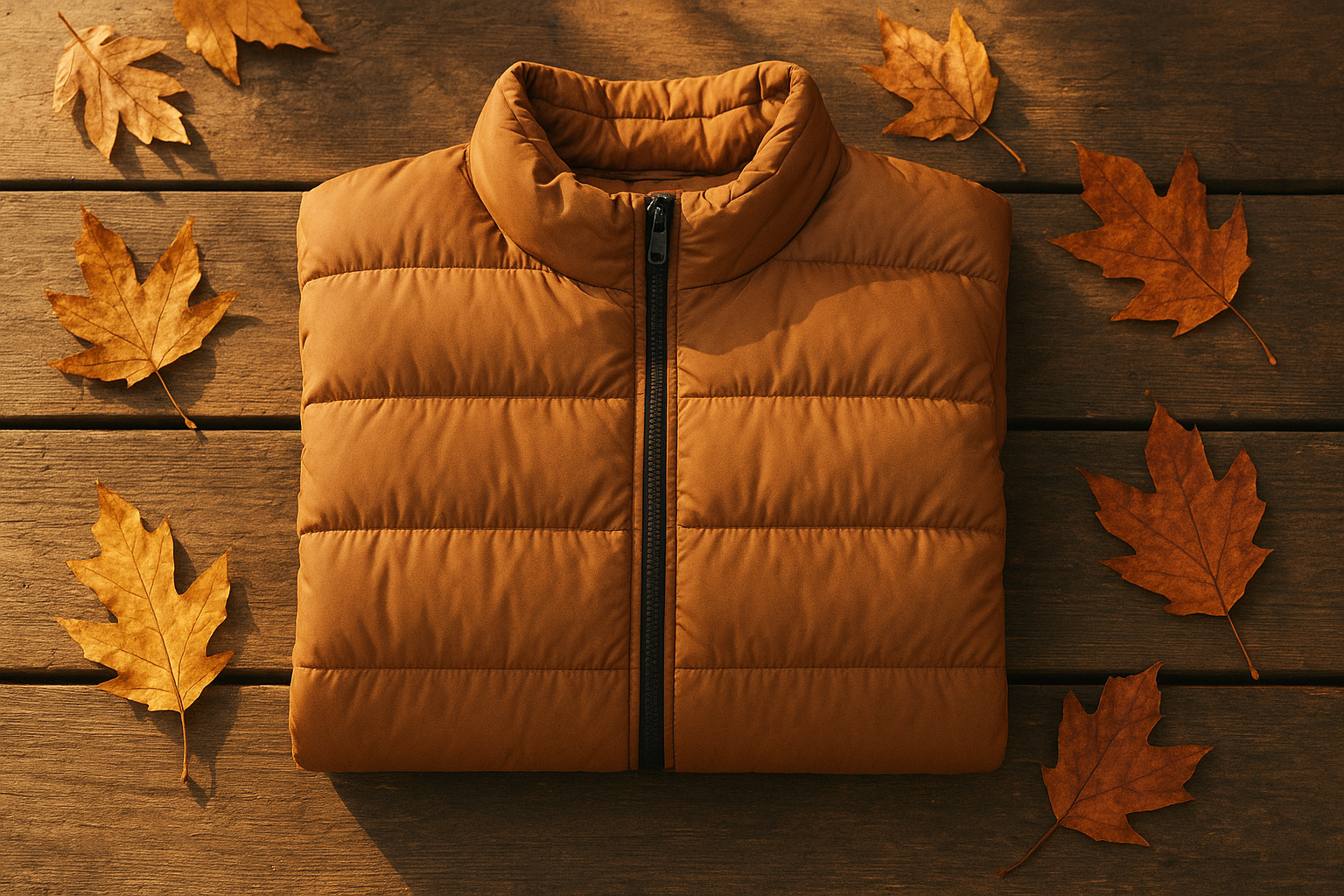
A well-chosen bundle jacket is compact enough to pack away yet warm enough to carry you through unpredictable conditions.
What Exactly Is a Bundle Jacket?
A bundle jacket is, at its core, an insulated jacket designed to compress into a small package — often its own pocket — making it easy to carry and deploy as needed. Unlike traditional heavy coats, these jackets prioritize a smart warmth-to-weight ratio. As a result, they have become a staple for hikers, travelers, and urban commuters alike.
The term "bundle" reflects the jacket's ability to bundle up neatly, reducing storage space while maintaining serious insulating power. Additionally, most bundle jackets are designed with layering compatibility in mind, meaning they work as a midlayer beneath a shell or as a standalone piece on mild days.
Down vs. Synthetic: Choosing Your Insulation
One of the most important decisions when selecting a bundle jacket is insulation type. Both down and synthetic fill have distinct advantages, and the right choice depends on how and where you plan to wear it.
Down insulation — typically sourced from duck or goose feathers — offers the best warmth-to-weight ratio available. However, it loses much of its insulating ability when wet. Therefore, down bundle jackets are best suited to dry, cold climates or layering systems where an outer shell keeps moisture out.
Synthetic insulation, in contrast, retains warmth even when damp, dries faster, and is often more affordable. It is also easier to care for at home. For wet climates or high-output activities where sweating is likely, synthetic fill is frequently the more practical choice. According to Wikipedia's overview of thermal insulation, trapped air pockets — whether from down clusters or synthetic fibers — are the key mechanism behind effective insulation in garments.
How to Build a Layering System Around Your Jacket
Understanding the classic three-layer system helps you get the most from your bundle jacket. First, a moisture-wicking base layer sits against your skin, moving sweat away so you stay dry. Next, the bundle jacket acts as the insulating midlayer, trapping body heat. Finally, a weather-resistant outer shell protects against wind and rain.
Quick Answer: A bundle jacket fits into the layering system as the insulating midlayer. It traps body heat between a base layer and an outer shell, providing warmth without bulk. It can also be worn alone as a standalone piece in mild conditions.
Step 1 — Start with a base layer: Choose a fitted merino wool or synthetic base layer that wicks moisture efficiently. This foundation keeps you dry regardless of how hard you are working.
Step 2 — Add your bundle jacket: Pull on your bundle jacket over the base layer. It should fit snugly without restricting arm movement. A trim fit is ideal when you plan to layer a shell on top.
Step 3 — Top with a shell if needed: For wet or windy conditions, a waterproof or wind-resistant outer shell completes the system. The shell protects the insulation from moisture, keeping the jacket's warmth intact.
Step 4 — Manage ventilation: As your activity level changes, unzip or remove the bundle jacket to prevent overheating. Moisture buildup inside insulation reduces its effectiveness significantly.
Step 5 — Pack it away: When temperatures rise, compress the jacket into its stuff pocket. This way, it is always on hand when conditions shift again.
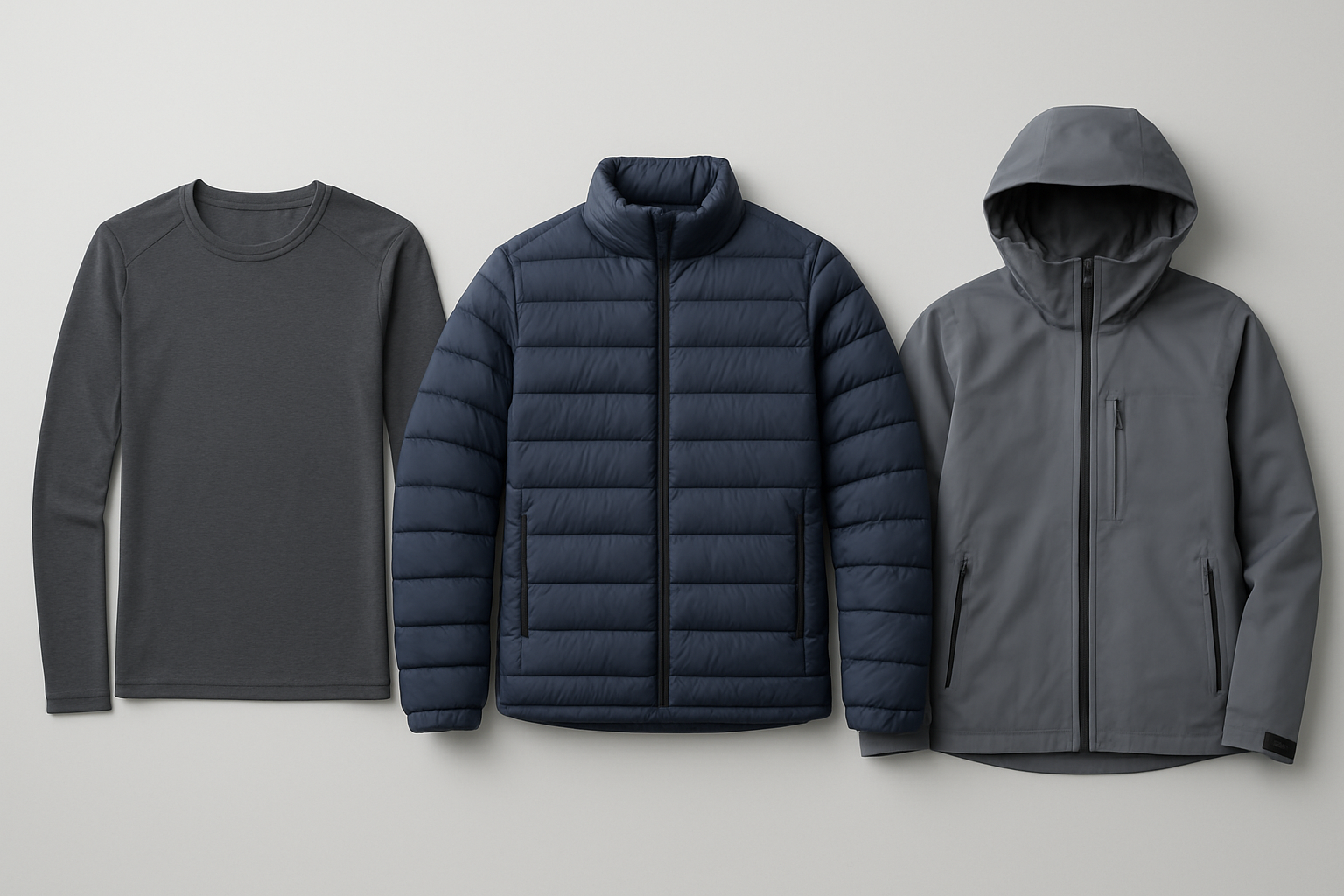
The three-layer system — base, insulating midlayer, and outer shell — is the foundation of effective cold-weather dressing.
Key Features to Look For When Buying
Not every bundle jacket is built the same way. Therefore, knowing which features matter most for your use case will help you make a smarter purchase. Consider the following when shopping:
- Packability: Can it compress into its own pocket? A true bundle jacket should pack down to roughly the size of a water bottle.
- Weight: Lighter jackets are easier to carry but may sacrifice warmth. Balance weight against your expected temperature range.
- Water resistance: Look for a DWR (Durable Water Repellent) finish to shed light rain and morning dew.
- Fit: A trim fit layers cleanly under a shell; a relaxed fit is more comfortable for standalone daily wear.
- Pockets: Hand pockets, chest pockets, and an interior stuff pocket add practical storage.
- Baffle construction: Sewn-through baffles are lighter; box-wall baffles reduce cold spots and are warmer overall.
For a curated selection of styles and fits, Bundle to Bundle offers a helpful starting point to explore options across different insulation types and price points.
Styling It for Everyday Wear
Beyond outdoor performance, bundle jackets have earned a firm place in everyday urban wardrobes. Their clean lines and minimal quilting patterns make them easy to pair with jeans, chinos, or even casual trousers. Additionally, neutral colorways such as navy, olive, and charcoal transition effortlessly between outdoor settings and city streets.
For a casual look, wear your bundle jacket over a crew-neck sweatshirt with slim-fit trousers and sneakers. Meanwhile, for a smarter appearance, layer it under a wool overcoat — the slim profile means it adds warmth without distorting the coat's silhouette. The versatility of this piece is, in practice, one of its greatest strengths.
Washing, Drying, and Long-Term Care
Proper care significantly extends the life of any insulated jacket. For down-filled bundle jackets, machine wash on a gentle cycle using a specialist down detergent — never fabric softener, as it coats feathers and reduces loft. Tumble dry on low heat with two or three dryer balls to break up clumps and restore the down's fluffiness.
Synthetic bundle jackets are generally more forgiving. They can be washed and dried more quickly, and they do not require dryer balls. However, avoid high heat in both washing and drying, as it can damage the synthetic fibers over time.
For storage, always keep your bundle jacket loosely stored rather than compressed. Although the packable feature is convenient for travel, long-term compression reduces insulation loft and warmth permanently. A breathable mesh bag or hanging in a wardrobe is ideal for seasonal storage.
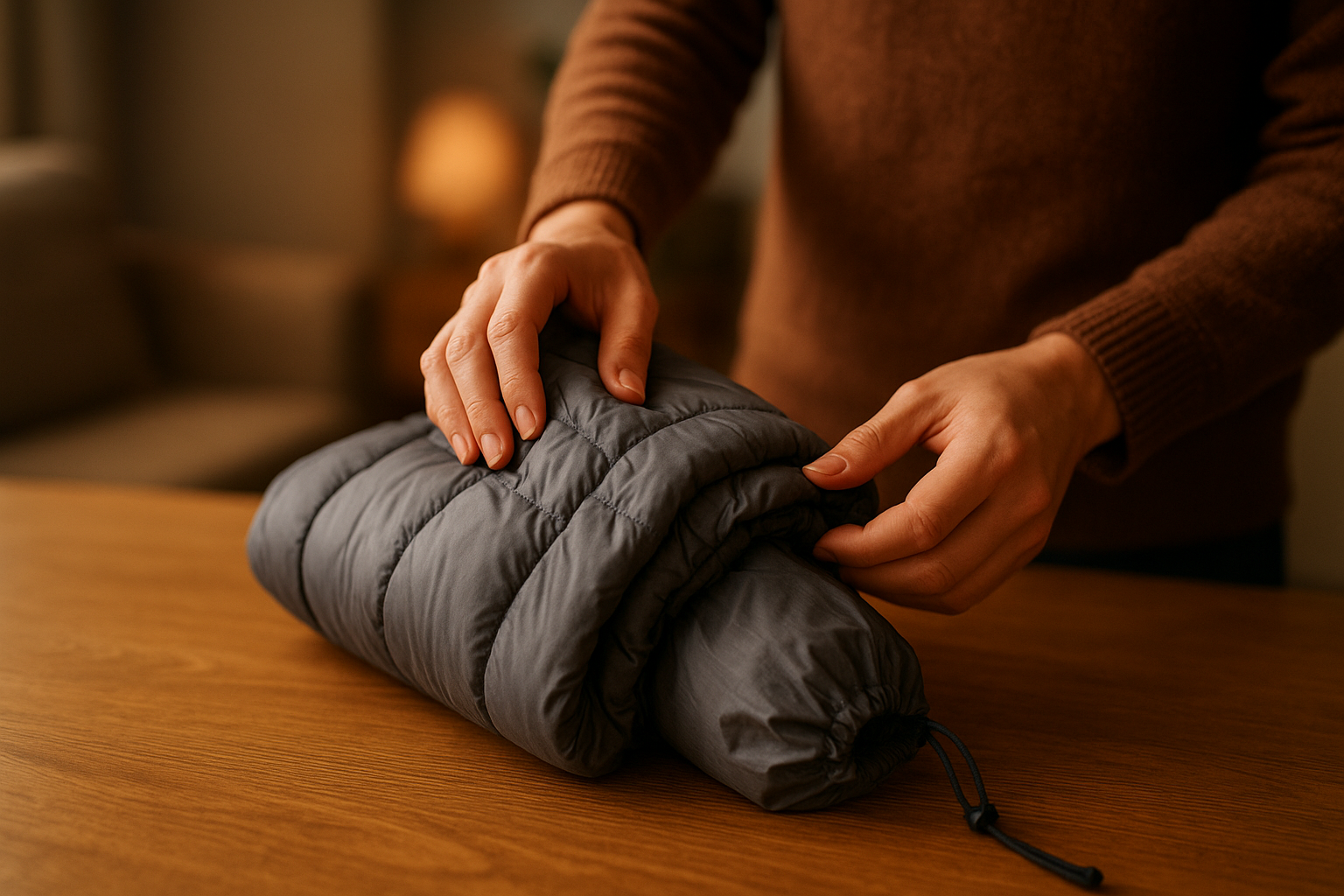
Packing your bundle jacket correctly preserves its insulation loft and keeps it ready for the next adventure.
Common Mistakes to Avoid
Even experienced buyers make avoidable errors when purchasing or using bundle jackets. First, buying too large a size is a frequent mistake — excess fabric bunches awkwardly under a shell and traps cold air pockets rather than warm ones. Always size for a snug midlayer fit if you plan to layer.
Second, neglecting the DWR finish is another common oversight. Over time, washing and wear degrade the water-repellent coating. Fortunately, you can restore it by tumble drying on low heat or using a DWR spray after washing. Keeping this coating active ensures the jacket sheds light moisture effectively.
Finally, storing a bundle jacket compressed for months at a time leads to permanent loft loss. As noted above, always store it loosely to maintain insulating performance season after season. For more guidance on choosing the right outerwear system, Bundle to Bundle is a useful resource worth bookmarking.
Making the Right Choice for Your Lifestyle
Ultimately, the best bundle jacket is the one that matches your specific climate, activity level, and aesthetic preferences. If you travel frequently, prioritize packability and weight. If you spend long days outdoors in variable weather, focus on insulation quality and water resistance. For urban everyday wear, fit and style become equally important considerations.
Because bundle jackets span such a wide range of price points and specifications, it pays to define your primary use case before shopping. A well-chosen jacket will serve you reliably across multiple seasons and settings, making it one of the most cost-effective outerwear investments you can make.
Frequently Asked Questions About Bundle Jackets
What is a bundle jacket?
A bundle jacket is a versatile insulated outerwear piece designed to compress into a small package for easy carrying. It functions as a standalone layer in mild cold or as an insulating midlayer within a full layering system.
How is it different from a regular jacket?
Unlike a standard jacket, a bundle jacket is specifically engineered for layering compatibility — it has a trim fit, packable construction, and insulation that integrates cleanly with base layers and outer shells.
What insulation types are used?
Bundle jackets use either down or synthetic fill. Down offers the best warmth-to-weight ratio, while synthetic retains heat when wet and is easier to care for at home.
Can I wear a bundle jacket in rain?
Most bundle jackets are water-resistant, not fully waterproof. For heavy rain, layer a waterproof shell over your bundle jacket to keep the insulation dry and functional.
How do I choose the right size?
Choose a size that allows comfortable movement over a base layer without excess bulk. A trim fit works best under a shell, while a relaxed fit suits standalone everyday wear.
How should I wash and care for it?
Machine wash on a gentle cycle with a mild detergent. Down versions should be tumble dried on low with dryer balls to restore loft. Synthetic versions dry more quickly and do not require dryer balls.
What activities is it best suited for?
Bundle jackets are ideal for hiking, camping, travel, commuting, and casual everyday wear. Their packable design makes them especially useful when conditions can change quickly throughout the day.
Is it good for extreme cold?
A bundle jacket provides solid warmth for cool to cold conditions. For extreme cold, layer it under a heavier shell or over a thermal base layer to significantly increase the system's overall warmth.
What features matter most when buying?
Key features include insulation type, packability, weight, fit, water resistance, and pocket configuration. Consider whether you need it primarily as a midlayer or a standalone outer piece before purchasing.
How do I pack it into its own pocket?
Turn the jacket inside out, then stuff it into the interior chest or hand pocket starting with the body panels, then the sleeves. Compress gently and secure the pocket closure for a compact travel bundle.
Where does it fit in the three-layer system?
The three-layer system consists of a base layer, an insulating midlayer, and an outer shell. A bundle jacket serves as the midlayer, trapping body heat while remaining breathable between the other two layers.
Can I wear it for urban and everyday use?
Absolutely. Many bundle jackets feature clean, minimal designs that work well in urban settings. They are lightweight enough for commuting and stylish enough for casual social occasions.
What common mistakes should I avoid?
Avoid buying too large a size, using fabric softener when washing, and storing the jacket compressed for extended periods. Each of these mistakes reduces the jacket's insulating performance over time.
In conclusion, a well-chosen bundle jacket is one of the most practical investments in any wardrobe — combining packable convenience, reliable insulation, and everyday style. Whether you are building a technical layering system for the outdoors or simply want a go-to layer for unpredictable weather, understanding insulation types, fit, and care will ensure you get the most from your jacket for years to come.


