


A baby wardrobe rental service lets you dress your baby in clean, size-appropriate outfits that arrive on a schedule and get swapped up whenever your little one grows — without you ever buying a single onesie that gets worn twice and outgrown. If you've ever opened a drawer full of barely-used newborn clothes, you already understand the problem this model solves. Below, we break down exactly how it works, what it costs, how it compares to buying and secondhand shopping, and how to pick a provider you can trust.
In fact, most infants move through five or more clothing sizes before their first birthday. As a result, parents who buy new outfits at every stage can spend hundreds of dollars on garments worn for a matter of weeks. A rental subscription flips that equation: instead of buying and discarding, you simply exchange sizes as your baby grows.
Why Babies Outgrow Clothes So Fast (And What It Actually Costs You)
Infants can gain up to an inch in length every month during the first six months of life, according to pediatric growth data. Consequently, a "newborn" outfit may only fit for two to four weeks, and "3-month" labeled clothing is frequently outgrown before the baby is even three months old.
This rapid pace means traditional shopping is inherently wasteful — you are always buying ahead of a curve that moves faster than any closet can keep up with. A baby wardrobe rental service, in contrast, keeps pace naturally. Instead of guessing sizes months in advance, you request the next bundle the moment your baby needs it.
For context, here is how quickly the average baby moves through sizes:
- Newborn (0–2 weeks): Often worn for less than a month before a size change is needed.
- 0–3 months (2–4 months): Typically outgrown ahead of schedule due to rapid length gain.
- 3–6 months: A slightly longer window, but still just six to eight weeks of real use.
- 6–12 months: Growth slows slightly, though sizes still shift every two to three months.
- 12–24 months: Toddlers stabilize somewhat, which is where toddler clothing rental plans typically take over from infant bundles.
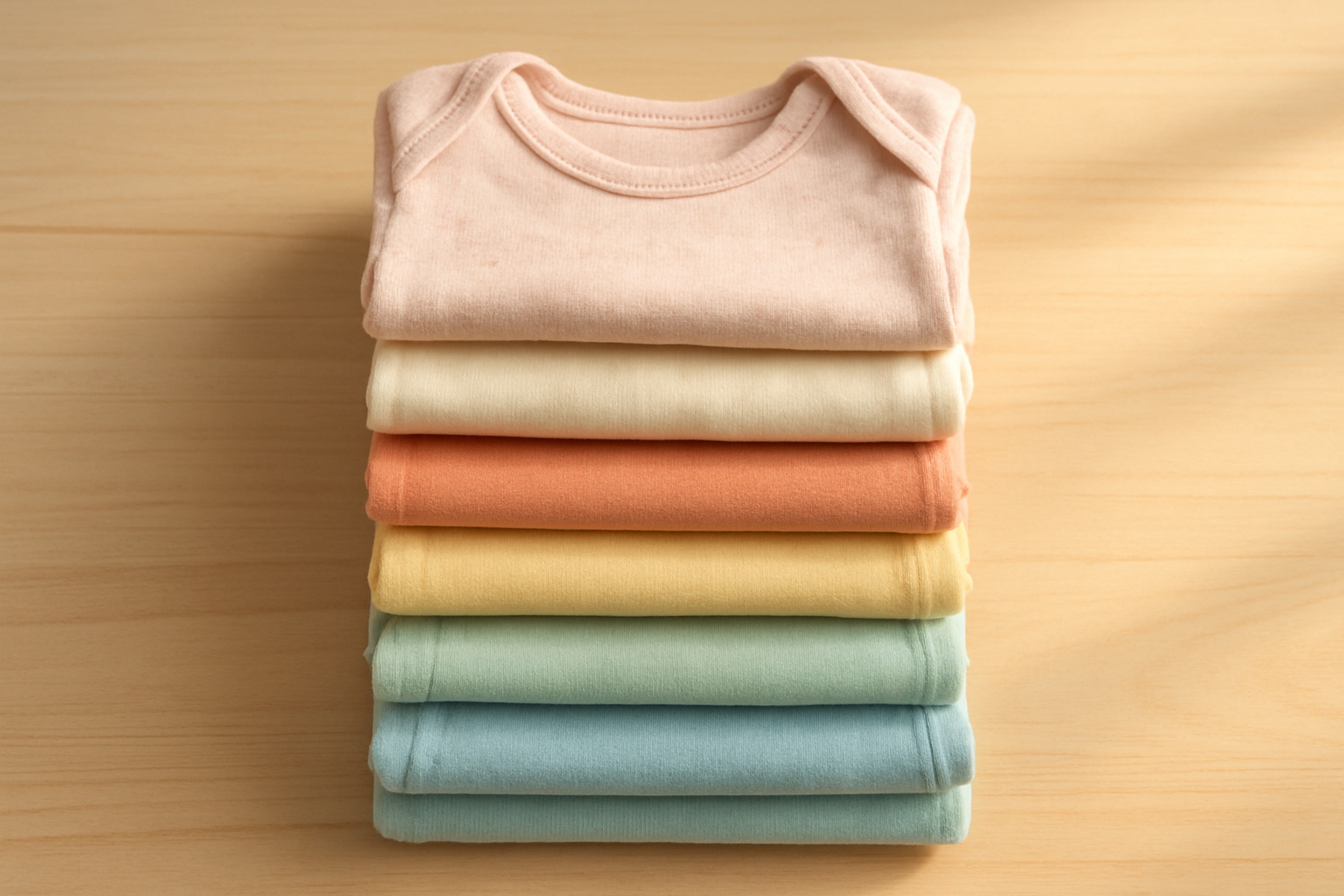
A well-organized baby wardrobe rental service delivers size-appropriate bundles straight to your door.
How a Baby Wardrobe Rental Service Works, Step by Step
The process is designed to be effortless, particularly for parents who barely have time to shower, let alone shop. Here is exactly what happens from sign-up to your first size swap:
- Sign up and share your baby's details. You provide current size, age, and style preferences — gender-neutral, colorful, seasonal, or a mix.
- Receive your curated bundle. A selection of professionally cleaned, inspected garments arrives in sustainable, minimal-waste packaging.
- Dress your baby and enjoy the clothes. Use the bundle throughout the rental period, usually four to eight weeks depending on the plan.
- Return the bundle with zero effort. Once your baby outgrows the sizes, place items in the prepaid return bag and drop it off — no washing required beforehand.
- Receive the next size, already sorted. Your following bundle arrives sized up and ready to wear, so you're never caught with an empty drawer.
Providers such as Bundle to Bundle have refined this cycle so it feels closer to a subscription box than a rental contract. For families exploring their first bundle, the dedicated baby clothing rental plans typically outline exact size ranges, swap frequency, and pricing tiers upfront — details worth comparing closely before you commit.
Baby Wardrobe Rental Costs vs Buying: The Real Numbers
Consider this: a basic set of newborn outfits from a mid-range retailer costs $80 to $150, and that wardrobe may only last three to four weeks. Multiply that across six size changes in the first year, and you're looking at $480 to $900 in clothing alone — most of it barely worn before it's stuffed into a donation bag.
A rental subscription, by comparison, typically charges a flat monthly fee that covers every size change during that period. Additionally, because the service launders and maintains the garments, you also save the time and detergent cost of washing delicate baby items constantly.
Quick answer: A baby wardrobe rental service is a cost-effective, eco-friendly alternative to buying that provides professionally cleaned, size-appropriate clothing on a rotating basis — eliminating the financial waste of outfits worn only a handful of times.
Renting vs Buying vs Secondhand: Which Option Actually Wins?
Many parents assume secondhand shopping is the obvious budget-friendly answer. However, it comes with hidden costs that rental services eliminate entirely.
Buying New
Guarantees quality and fit but is by far the most expensive route, since every garment is used for only a few weeks before being retired.
Buying Secondhand
Lowers cost, yet it demands hours scrolling resale apps or digging through thrift racks. Quality is inconsistent, and there's no guarantee the item was washed with baby-safe detergent.
Renting Through a Subscription
Combines the affordability of secondhand with the reliability of buying new. Every garment is inspected and professionally laundered, sizes arrive on schedule, and there's no searching involved. For most growing families, this is the balance point between cost, convenience, and quality.
The Environmental Case for Baby Clothing Rental
The U.S. Environmental Protection Agency reports that textiles account for millions of tons of landfill waste every year. Baby clothing contributes disproportionately, since items are so often discarded after minimal use. Renting keeps garments circulating for far longer, which dramatically cuts per-garment waste.
This circulation model mirrors what's often called the circular economy — a system where products stay in use as long as possible instead of following a linear buy-use-discard path. Fast fashion, in contrast, thrives on rapid turnover and disposal, a pattern well documented in discussions of the industry's environmental toll.
Furthermore, rental services typically consolidate shipping and use eco-friendly packaging, which lowers the overall carbon footprint compared with multiple individual retail purchases spread across months. For environmentally conscious parents, this is a genuinely meaningful advantage rather than a marketing footnote.
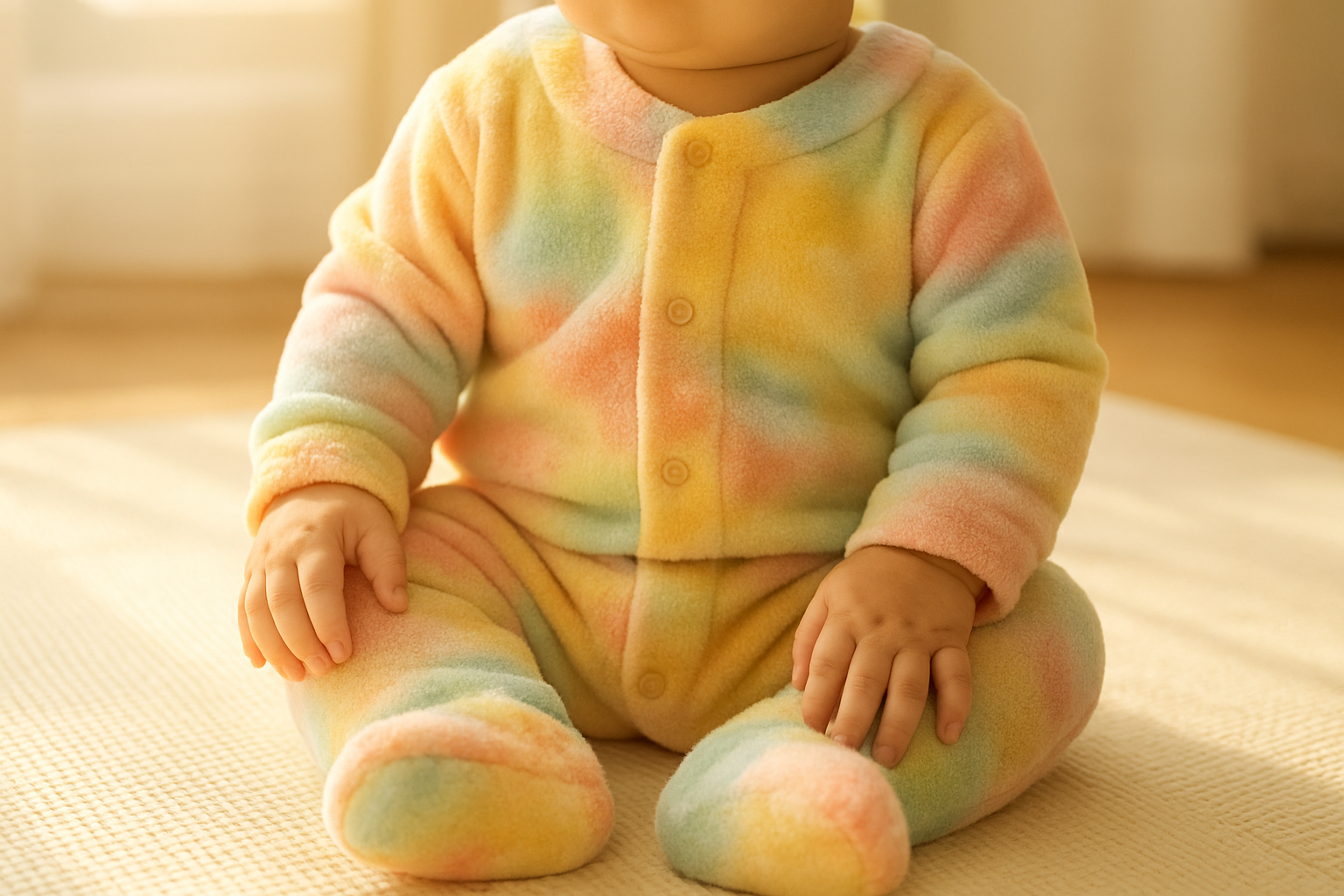
Babies dressed through a rental service always have fresh, well-fitting outfits without the clutter of a purchased wardrobe.
Hygiene, Safety, and Quality Standards You Should Expect
Hygiene is the concern parents raise most often, and rightly so. However, reputable providers address it thoroughly. Every garment is professionally laundered using baby-safe, hypoallergenic detergents and inspected for wear, staining, or damage before it moves on to the next family.
Infant skin is thinner and more reactive than adult skin, which is why organizations focused on child health, such as the American Academy of Pediatrics, recommend fragrance-free, dye-free detergents for newborns. A trustworthy rental provider should be able to confirm exactly what products touch every garment before it reaches your baby.
Items showing excessive wear are retired from the rental pool and responsibly recycled or donated rather than reissued. In practice, this means every bundle meets a consistent quality bar — often higher than what you'd find sorting through a secondhand rack.
Common Mistakes Parents Make When Choosing a Rental Provider
Not all rental services are built the same. Before committing, watch for these frequent missteps:
- Ignoring the damage policy. Always read the fine print on what counts as normal wear versus chargeable damage.
- Overlooking swap frequency. Some plans limit how often you can request a new size, which may not match a fast-growing baby.
- Skipping detergent details. If your baby has sensitive skin or allergies, confirm the service uses hypoallergenic, fragrance-free products.
- Choosing price over quality. The cheapest plan may use lower-quality garments that wear out faster or fit inconsistently.
- Not checking size-range continuity. Some providers stop at 12 months, leaving you scrambling when it's time to transition into kids clothing rental plans for older children.
In practice, spending a few extra minutes reviewing a provider's FAQ, damage policy, and customer reviews pays off significantly. Services such as Bundle to Bundle are transparent about their processes, which makes it easier to judge fit for your family before you sign anything.
Who Gets the Most Value From a Baby Wardrobe Rental Service
While almost any family with a young child can benefit, certain groups find this model especially valuable:
- First-time parents often overbuy because they underestimate how quickly sizes change. A rental plan removes that guesswork entirely.
- Parents of multiples — twins or triplets — face amplified costs and storage challenges. Rental services scale without requiring double or triple the wardrobe investment.
- Minimalist households and families in smaller homes appreciate the reduced clutter that comes with renting instead of owning.
- Busy working parents save the hours otherwise spent shopping; for broader style strategies, see this guide on fashion solutions for busy parents.
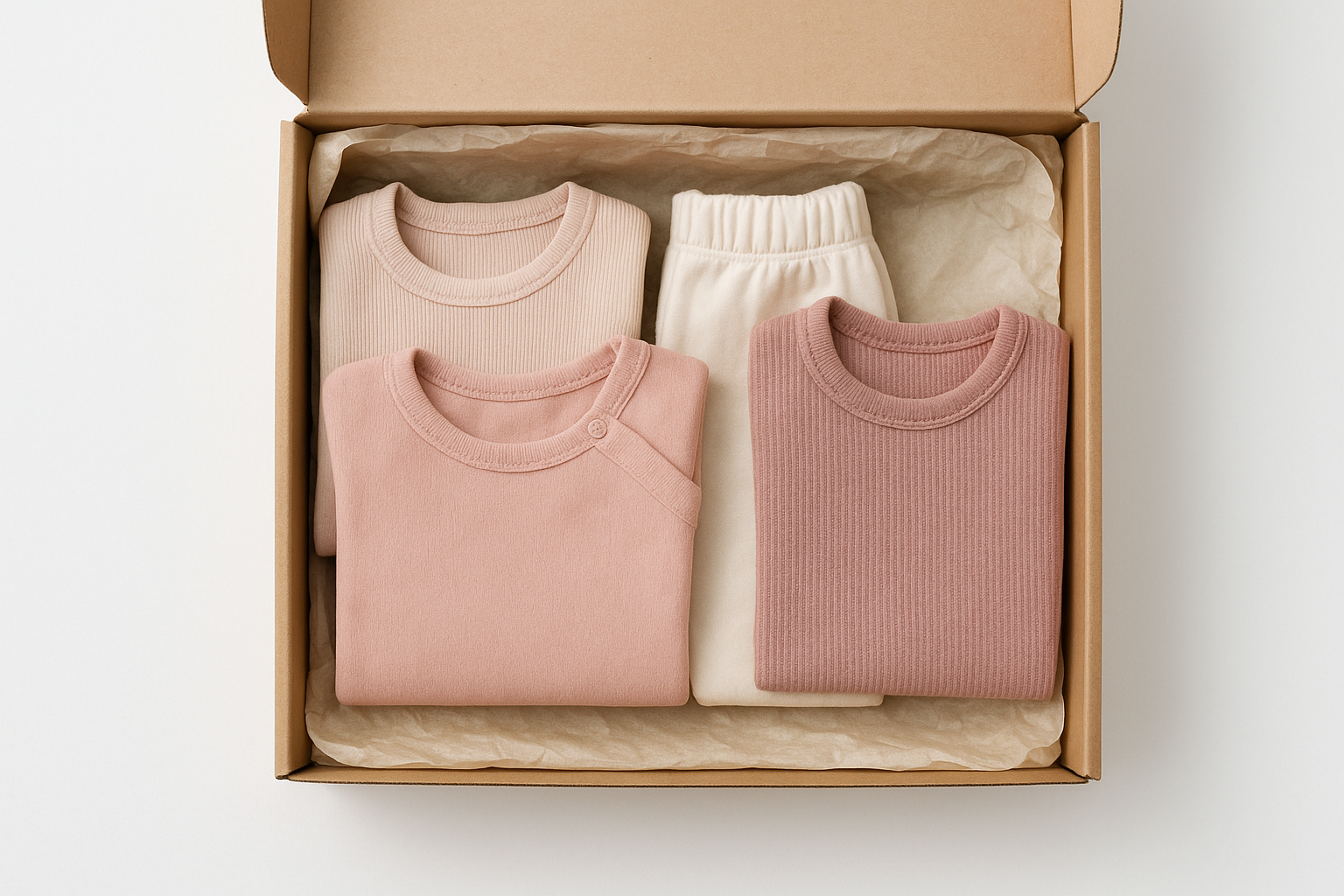
Eco-conscious packaging is a hallmark of quality baby wardrobe rental services, reducing waste at every step.
Seasonal Planning: Building a Rotating Baby Wardrobe
One overlooked advantage is seasonal alignment. Since a baby born in autumn will need entirely different clothing by the following spring, most rental plans let you specify seasonal needs alongside size.
As a result, you never end up with a drawer full of fleece footed pajamas in July, or short-sleeve rompers in January. Instead, each bundle is matched to both the size and the weather your baby will actually experience, which is something a one-time retail purchase simply cannot guarantee months in advance.
Baby Wardrobe Rental vs Traditional Baby Registries
Traditional baby registries front-load purchases before the baby even arrives, which means guests and parents alike are guessing at sizes months ahead of time. Consequently, a large share of registry clothing goes unworn simply because the baby outgrew it before the size window arrived.
A rental model sidesteps this entirely, since bundles are requested in real time based on your baby's actual current size — not a projection made four months earlier. Some families now combine both approaches: keeping a small registry for gifted keepsake items, while relying on rental for the day-to-day rotation of daywear, sleepwear, and outerwear.
Your First Month: What Really Happens After You Sign Up
Your first bundle typically arrives within three to five business days of signing up. Most parents find the transition effortless, since the bundle contains enough outfits for daily use — sleepwear, daywear, and seasonal layers depending on your stated preferences.
After the first swap, the whole process becomes second nature. Because you're no longer shopping for clothes, you reclaim real time and mental energy. Furthermore, your home stays tidier without drawers overflowing with outgrown sizes waiting to be sorted, sold, or donated.
A Quick Checklist Before You Choose a Provider
Before you sign up, run through this short list of questions:
- What size range does the plan cover, from newborn through toddler?
- How often can I request a size or style swap?
- What detergents and cleaning process are used on every garment?
- What's the policy on stains, tears, or lost items?
- Is shipping, both outbound and return, included in the subscription price?
Conclusion: Is a Baby Wardrobe Rental Service Right for You?
A baby wardrobe rental service offers a practical, affordable, and sustainable alternative to the endless cycle of buying and discarding baby clothes. Whether you're motivated by cost savings, environmental responsibility, or simply the convenience of never sorting through outgrown sizes again, the value is clear and easy to measure.
As more families discover this model, it's rapidly becoming a mainstream parenting choice rather than a niche experiment. If you're expecting or already navigating the early months of parenthood, exploring a rental plan today is a decision you're unlikely to regret.
Frequently Asked Questions About Baby Wardrobe Rental Service
What is a baby wardrobe rental service?
A baby wardrobe rental service is a subscription or on-demand model where parents receive curated bundles of baby clothing in the correct size, use them for a set period, then return them when their baby grows. This eliminates the need to buy clothes that are quickly outgrown and reduces household waste.
How does baby clothing rental work step by step?
Parents sign up, provide their baby's current size and style preferences, then receive a bundle of cleaned and inspected clothes. After a set rental period, they return the bundle using a prepaid shipping label and receive the next size up.
Is renting baby clothes more affordable than buying?
Yes, in most cases renting baby clothes is significantly cheaper than buying new outfits every few weeks. Babies can outgrow a size in as little as four to six weeks, making rental far more cost-effective than purchasing a full wardrobe at retail prices.
Are rented baby clothes clean and safe?
Reputable baby wardrobe rental services professionally launder and inspect every garment before shipping. They use baby-safe, hypoallergenic detergents and check for wear, damage, or safety hazards before each rental cycle.
What sizes are typically available through a baby wardrobe rental service?
Most services cover newborn through toddler sizes, typically ranging from 0 to 3 months up to size 4T or 5T. Some providers extend further into early childhood sizes as children continue growing.
How often can I swap sizes or styles?
Most baby clothing rental services allow swaps every four to eight weeks or whenever your baby outgrows the current bundle. Some providers offer unlimited swaps within a subscription tier.
What happens if a garment gets stained or damaged?
Most services have a fair-use policy that covers normal wear, minor stains, and everyday accidents at no extra charge. Excessive damage beyond normal use may incur a small fee, but this is rare and clearly outlined in the service terms.
Is baby clothing rental environmentally friendly?
Yes, baby wardrobe rental is one of the most eco-friendly choices a parent can make. By circulating garments among multiple families, rental services dramatically reduce textile waste and the carbon footprint associated with fast fashion production.
Can I choose the style or brand of clothes in my rental bundle?
Many services allow you to set style preferences such as gender-neutral, colorful, or minimalist. Some premium tiers offer brand selection, while standard plans provide curated bundles based on your stated preferences.
Do I need to wash the clothes before returning them?
Most baby wardrobe rental services handle all laundering themselves and ask that you simply return items without washing them first. This ensures consistent cleaning standards and protects the garments from incorrect washing methods.
How is a baby wardrobe rental service different from buying secondhand?
Unlike buying secondhand, a rental service delivers professionally cleaned, size-appropriate bundles directly to your door on a schedule. You avoid the time spent searching resale apps or thrift stores, and garment quality is guaranteed before each use.
Can rental plans transition into toddler and kids sizes later on?
Yes. Many providers offer continuity between infant, toddler, and kids sizing, so families can stay on one rotating plan well past the baby stage instead of switching services as their child grows.
What should I look for when choosing a baby clothing rental provider?
Look for transparent cleaning practices, a clear damage policy, flexible swap schedules, and strong customer reviews. Additionally, check whether the service uses sustainable packaging and baby-safe detergents to ensure it aligns with your family's values.


