


A baby clothes rental service solves one problem every new parent eventually faces: babies outgrow outfits faster than anyone can reasonably shop for them. Instead of buying a wardrobe your infant will wear a handful of times, a baby clothes rental service ships a curated bundle of clean, size-matched clothing straight to your door and swaps it for the next size the moment your baby grows. For parents researching baby clothes rental as an alternative to endless shopping trips, this guide covers everything — real cost numbers, hygiene standards, sustainability data, sizing logistics, and precisely how to choose the right provider.
In fact, most infants cycle through three to four clothing sizes before their first birthday alone. As a result, understanding exactly how renting works — and whether it truly fits your family's lifestyle — can eliminate a surprising amount of both spending and stress. For additional context, our breakdown of The $640/Year Baby Clothing Trap (And How to Escape) walks through exactly where that money disappears each year.
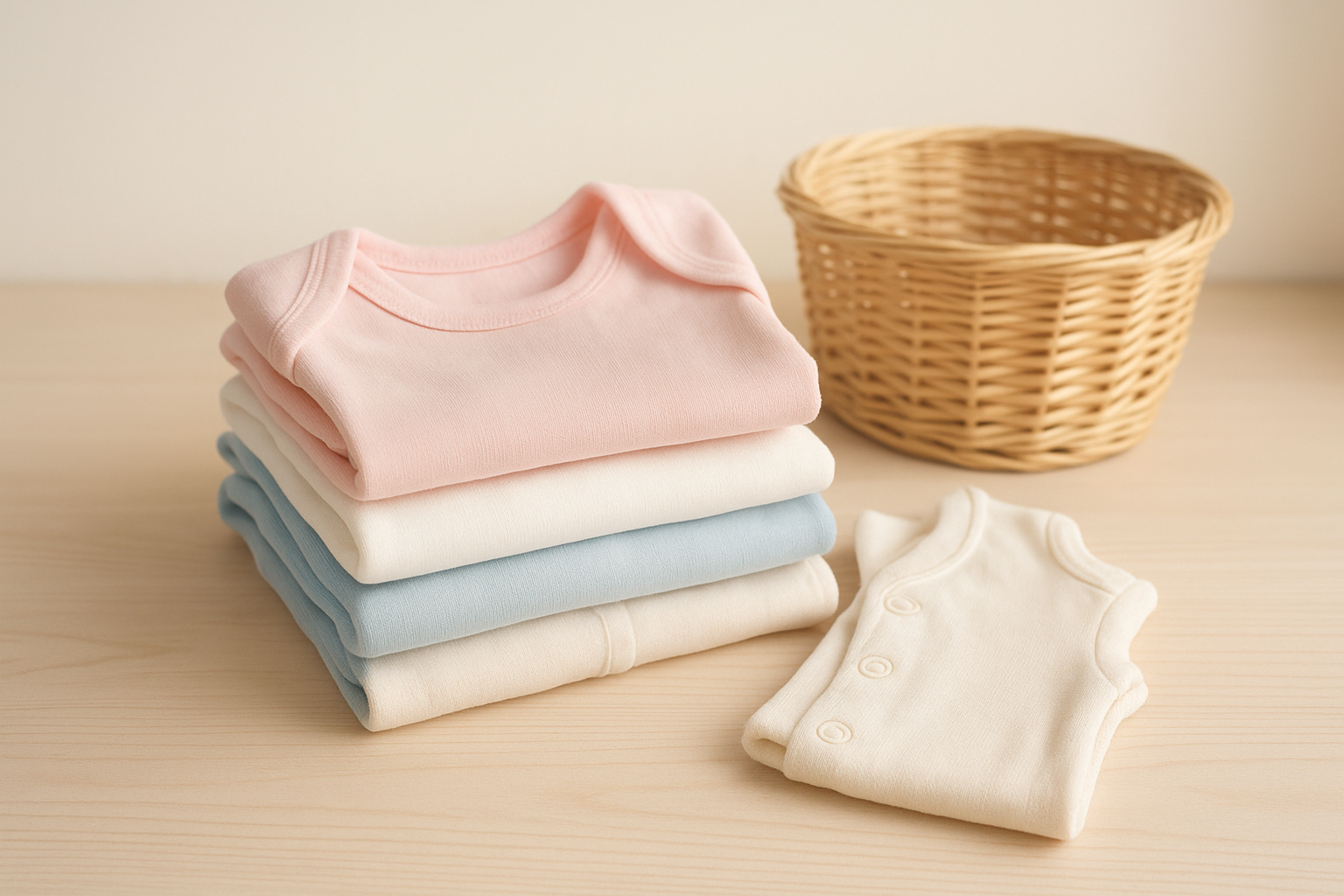
A typical baby clothes rental service bundle arrives professionally cleaned, folded, and ready for your newborn or infant. For a deeper walkthrough, see our Baby Clothing Rental Newborn to 24M.
What Is a Baby Clothes Rental Service, Exactly?
A baby clothes rental service is a subscription or on-demand platform where parents receive a curated bundle of size-appropriate baby clothing, use it for as long as the current size fits, and then return it in exchange for a fresh bundle in the next size up. Specifically, the provider handles professional cleaning, quality inspection, and shipping logistics — so you never manage a donation run, a storage bin, or a frantic late-night shopping trip.
Most services deliver bundles of 10 to 15 carefully selected pieces per size tier, typically including onesies, sleepers, pants, tops, and a light outer layer. When your baby outgrows the bundle, you simply request a swap online. The service sends a prepaid return label, you ship the items back, and a new size-appropriate bundle arrives within days. Consequently, there's rarely a gap where your baby is stuck wearing something too tight.
Providers like Bundle to Bundle make this process especially seamless, with intuitive size-swap scheduling built directly into the platform so families are never caught without the right size at the right time.
⚡ Quick Answer: How Does a Baby Clothes Rental Service Work?
Subscribe → receive a bundle of clean, size-matched clothes → dress your baby → request a swap once items feel snug → return using the prepaid label → receive the next size. The service handles cleaning, quality control, and logistics. You handle the adorable baby.
Size Ranges a Baby Clothing Rental Typically Covers
Most rental programs span a wide developmental window, from newborn through toddler sizes. For a regional example, see our Austin Baby & Toddler Clothing Rental coverage. Specifically, size tiers typically include:
- Newborn (NB) — fits babies up to approximately 8 lbs
- 0–3 months — typically worn four to eight weeks
- 3–6 months — often the fastest growth stage
- 6–9 months and 9–12 months
- 12–18 months, 18–24 months, and 2T–3T
- Some providers extend all the way to size 4T or 5T
Because this range is so broad, a single subscription can realistically carry your child from birth through the toddler years. Our Complete Baby & Toddler Size Chart (0-7 Years) is a useful companion if you want to map exact measurements to each tier before your first swap. In addition, the CDC's official growth charts can help you anticipate roughly when your baby is likely to move up a size, so you can time your swap requests before anything feels too tight.
Why Baby Clothing Costs Spiral Out of Control
Babies grow at a pace that genuinely surprises most new parents. A newborn outfit may fit perfectly for only four to six weeks before it becomes too snug. As a result, buying a full wardrobe for every size — newborn, 0–3 months, 3–6 months, 6–9 months, and beyond — means constantly purchasing items with an extremely short usable life.
Additionally, the emotional pull of adorable baby clothes makes overspending easy. However, many of those purchases get worn once or twice before the baby outgrows them entirely. This buy-barely-use-discard cycle creates real financial strain, and it also drives a significant share of the textile waste tracked by the EPA every year.
The Numbers Behind the Problem
- The average family spends over $700 on baby clothing in the first year alone
- A baby passes through 4 to 6 distinct size ranges in just 12 months
- Many items are worn for fewer than 10 total uses before being outgrown
- A significant share of outgrown baby clothes end up in landfill rather than being donated or reused — see The Baby Clothes Waste Problem: 70% Never Get Worn
Furthermore, that $700 figure excludes accessories, shoes, and seasonal outerwear. Consequently, the true first-year clothing spend is often higher still — particularly for parents who receive fewer hand-me-downs or live in climates with sharply distinct seasons.
Baby Clothes Rental Service Cost vs. Buying New: Real Numbers
A typical rental subscription costs between $30 and $80 per month, depending on item count and quality tier. In contrast, buying 12 to 15 new outfits at retail can easily cost $150 to $300 — for a single size your baby may wear for only six weeks. Over the first 18 months, a family that rents rather than buys could realistically save $800 to $1,500 or more, and that figure doesn't even account for the hours saved by skipping shopping trips and donation sorting.
Side-by-Side Cost Comparison
As the table shows, renting baby clothes isn't always the absolute cheapest option compared to secondhand. However, it wins decisively on convenience, consistency, and hygiene — which for most parents is worth every penny.
Is a Baby Clothes Rental Service Safe and Hygienic?
This is the question most parents ask first, and understandably so. Reputable providers use professional-grade, baby-safe cleaning protocols between every rental cycle. Garments are washed with non-toxic, hypoallergenic detergents and inspected for damage, staining, or excessive wear before shipping to the next family.
In practice, rental clothes often arrive in better condition than secondhand items bought at a thrift store or through a resale app. That's because the provider's entire reputation depends on quality control, so their cleaning standards typically exceed a standard home wash cycle.
What Happens Before Your Bundle Ships
- Professional laundering with baby-safe, fragrance-free, hypoallergenic detergents
- Visual and tactile inspection of seams, zippers, snaps, and fabric integrity
- Stain assessment — permanently stained items are removed from rotation
- Secure packaging to prevent contamination during transit
- Pilling and wear checks — heavily pilled items are retired, not recirculated
Therefore, if hygiene is your top concern, look for a provider that openly documents its cleaning process. Transparency here is a strong positive signal. Conversely, if a provider is vague about how garments are processed, treat it as a meaningful red flag.
Sustainability Benefits of Renting Baby Clothes You Can Actually Measure
The fashion industry ranks among the world's largest polluters, and baby clothing is a particularly wasteful subcategory because items are outgrown so quickly. When a single garment is shared across multiple families through a rental model, its environmental footprint per use drops dramatically.
Additionally, reputable rental services often rely on eco-friendly detergents and energy-efficient cleaning processes. Because clothes are used many times before retirement, far fewer garments end up in landfill. This circular model aligns with the growing circular economy movement, an economic framework that prioritizes reuse and regeneration over the traditional take-make-dispose cycle.
The Environmental Impact of One Rental Bundle
- A single onesie worn by five different babies through a rental service produces roughly one-fifth the per-use environmental impact of a single-use retail purchase
- Consolidated professional laundering is more water- and energy-efficient than multiple individual home washes across five separate households
- Garments are repaired rather than discarded at the first sign of minor damage, extending usable life significantly
- End-of-life garments from responsible services are typically donated or recycled rather than landfilled
Consequently, choosing a baby clothes rental service is one of the most tangible sustainability decisions a new parent can make — arguably more impactful, in many cases, than switching to reusable nappies or organic cotton alone.
Renting baby clothes means your little one always wears the right size — without the constant cost of buying new outfits every few weeks.
Who Benefits Most From a Baby Clothing Rental?
First-time parents benefit enormously because they often don't yet know what sizes or quantities they'll actually need. Rather than guessing and overbuying, they can rent and adjust as they learn their baby's growth pace. Similarly, parents of fast growers — babies who jump sizes every four to six weeks — find renting far more economical than repeatedly buying new.
- Gift-givers: Rather than buying a single newborn outfit the baby will outgrow in weeks — like the Barcos Embroidered Skirt — friends and family can gift a rental subscription that provides genuine, ongoing value throughout the entire first year.
- Eco-conscious parents: Those who care about sustainability but lack time to source quality secondhand items find rental services the ideal middle ground — clean, curated, and circular.
- Budget-focused families: Parents managing tight household budgets benefit from a predictable monthly fee rather than unpredictable spikes whenever a new size is suddenly needed.
- Minimalist households: Families who dislike clutter appreciate never accumulating bins of outgrown clothes waiting to be sorted, donated, or stored. See Drowning in Baby Clothes Clutter? The Zero-Clutter Solution.
- Parents of multiples: Twins or closely spaced siblings often need simultaneous access to different size ranges — a rental service handles this without doubling your wardrobe spend.
Bundle to Bundle Subscription Plans: Which Option Fits Your Family?
Not every family needs the same amount of clothing rotation, which is exactly why choosing the right plan tier matters as much as choosing the right provider. In particular, two subscription styles cover most needs:
- The Mini Bundle Subscription suits families who wash frequently or want a lighter, lower-cost rotation — ideal for slower growth phases or households doing laundry twice a week.
- The Capsule Bundle Subscription delivers a fuller wardrobe rotation for families who prefer washing less often, or for babies moving through sizes especially quickly.
Furthermore, because babies eventually become toddlers, it's worth confirming your provider's coverage extends beyond infancy. Our Toddler Clothing Rental page details how the same circular model applies once your child moves into 2T, 3T, and beyond — so you never have to switch providers mid-growth. For newborns specifically, the Baby Clothing Rental Newborn to 24M plan is purpose-built for that earliest, fastest-changing stage.
What to Look for When Choosing a Baby Clothes Rental Service
Not all rental services are created equal. Before subscribing, evaluate the following factors carefully to avoid disappointment or hidden costs.
Cleaning Standards and Transparency
First, check whether the provider clearly explains its cleaning process and uses certified baby-safe products. Look specifically for hypoallergenic detergents, fragrance-free processing, and allergen testing. If that information is hard to find, treat it as a red flag.
Swap Policy and Turnaround Time
Second, review the swap policy carefully. Some services charge extra fees for size exchanges or have long turnaround windows. Ideally, your provider offers free swaps and ships the next bundle promptly, so your baby is never without clothes during the transition. Bundle to Bundle is built around exactly this kind of parent-friendly logistics.
Contract Flexibility and Cancellation Terms
Third, avoid services that lock you into long-term contracts without a trial period. A confident provider lets you start with a short commitment and cancel or pause easily. Month-to-month billing with a clear pause option is a strong indicator of a trustworthy service.
Damage and Stain Policy
Fourth, understand what happens when — not if — your baby stains an item. Normal wear and minor stains should be covered by the rental fee. Significant damage may incur a small charge, but reputable providers stay lenient because they understand how babies actually behave. Always read the fine print on damage liability before subscribing.
Style Customisation and Preferences
Fifth, check how much input you have over bundle contents. Many services allow gender-neutral palettes, minimalist or colourful aesthetics, and fabric preferences such as organic cotton or bamboo blends. Specific brand selection typically isn't available since the provider curates based on inventory, but most quality services accommodate reasonable style requests without issue.
Rent-to-Own and Purchase Options
Finally, ask whether the service offers a purchase option for pieces you fall in love with. Many providers offer a rent-to-own or discounted purchase path, typically priced below retail since the item has already circulated — a nice bonus for parents who find a genuine favourite.
Evaluating a baby clothes rental service carefully helps you avoid hidden fees and poor-quality bundles. For a deeper walkthrough, see our Baby Clothes Piling Up? The Minimalist Parent's Answer.
Common Mistakes to Avoid With a Baby Clothing Rental
Even the best baby clothes rental service won't save you money or stress if you use it incorrectly. Below are the most common errors new subscribers make — and how to sidestep each one.
- Waiting too long to request a swap. If you hold onto a bundle after your baby has clearly outgrown it, you risk needing emergency shopping anyway. Request the swap as soon as items start feeling snug, not after they're unwearable.
- Washing items before returning them. Most services specifically ask you to return items unwashed so their professional team can process them using standardised protocols. Washing at home can interfere with quality control.
- Choosing the wrong bundle size. If you do laundry frequently, 10 pieces may be sufficient. However, if you prefer less frequent washing, opt for 15 or more pieces to avoid running short.
- Ignoring the damage policy. Read it before the first bundle arrives, not after your baby stains every item in week one. Knowing what's covered removes a significant amount of anxiety.
- Not communicating style preferences. Many parents forget to fill in preferences at sign-up, then feel disappointed when the bundle doesn't match their aesthetic. Take two minutes to specify what you want — most services genuinely honour those preferences.
How to Get Started: Step-by-Step Guide to Your First Rental Bundle
-
1Choose a provider
Research services available in your region, compare pricing tiers, read parent reviews focused specifically on cleaning quality and swap speed, and confirm the provider covers your baby's current and upcoming sizes. -
2Select your plan and bundle size
Pick a bundle size that matches your laundry habits — 10 pieces if you wash twice weekly, or 15-plus if you prefer washing less often. Also confirm whether the plan includes free swaps and what the cancellation terms are. -
3Set your size and style preferences
Indicate your baby's current size and style preferences, such as gender-neutral palettes, organic cotton or bamboo fabrics, or colour themes. The more detail you provide, the better your bundle matches your expectations. -
4Receive, unbox, and enjoy your bundle
When your bundle arrives, check each item against the included packing list, keep the original packaging and return label for later, then dress your baby and enjoy not having to think about shopping again. -
5Request your swap when ready
Once your baby nears the edge of the current size, log into your account and schedule a swap, then return the bundle using the prepaid label provided so your next size-matched bundle can ship promptly. -
6Consider upgrading or gifting a subscription
As your baby grows and you settle into the process, explore whether a higher-tier plan or a gifted subscription for a friend expecting a baby would add even more value to your routine.
Baby Clothes Rental Service vs. Buying Secondhand: Which Wins?
Secondhand buying is the most cost-effective approach in absolute dollar terms. However, it comes with real trade-offs many parents underestimate until they're in the thick of it. Specifically, sourcing secondhand baby clothes requires time to search marketplaces or charity shops, knowledge of what sizes you'll need and when, and willingness to wash and inspect items yourself. Availability of a specific size at a given moment is never guaranteed either — you might find plenty of 6–9 month items and nothing at all in 3–6 months right when you need it.
In contrast, a baby clothes rental service delivers curated, cleaned, and size-matched bundles on demand without any of that effort. Therefore, for parents whose time carries real value, renting frequently wins even when the monthly cost runs slightly higher than secondhand shopping in isolation.
💡 The Bottom Line on Secondhand vs. Rental
If you enjoy the hunt and have flexibility, secondhand can save more money upfront. However, if you value your time, need consistency, and want guaranteed cleanliness, a baby clothes rental service is the superior choice for most families.
What Sets the Best Baby Clothes Rental Services Apart
Many rental platforms simply ship a box of clothes and call it a day. In contrast, the strongest providers pair curated bundles with proactive size forecasting, documented hygiene standards, genuinely flexible swap logistics, and coverage that follows your child seamlessly from newborn all the way into toddlerhood — rather than forcing you to switch providers mid-growth. Above all, look for a service that treats sizing, sustainability, and swap speed as equally important, not just an afterthought bolted onto a subscription box.
Frequently Asked Questions About Baby Clothes Rental Services
What is a baby clothes rental service?
A baby clothes rental service is a subscription or on-demand platform where parents receive a curated bundle of size-appropriate baby clothing, use it while it fits, and return it in exchange for the next size up. The service handles cleaning, quality inspection, and shipping — eliminating the need to buy a new wardrobe every time your infant grows through a size.
How much does a baby clothes rental service typically cost?
Most services charge a monthly fee ranging from $30 to $80, depending on item count and quality tier. This is significantly less than buying 12 to 15 new outfits retail every six to eight weeks as your baby grows.
Is renting baby clothes hygienic and safe?
Yes. Reputable services professionally clean and sanitize garments between rentals using baby-safe, non-toxic, hypoallergenic detergents, and inspect items for wear, damage, and staining before shipping. Rental clothes often arrive in better condition than thrift-store or resale-app purchases.
What age range do baby clothes rental services cover?
Most services cover newborn through toddler sizes, typically from NB or 0–3 months up to 2T or 3T. Some providers extend coverage to size 4T or 5T, carrying your child from birth well into early toddlerhood.
How does the clothing swap or rotation process work?
When your baby outgrows the current bundle, request a size swap through the provider's app or website. The service sends a prepaid return label, you ship the old bundle back unwashed, and a new size-matched bundle arrives within a few days.
Can I choose specific styles or brands?
Many services allow style preferences such as gender-neutral, minimalist, or colourful themes, along with fabric preferences like organic cotton or bamboo blends. Specific brand selection is usually unavailable since the provider curates bundles from inventory and your stated preferences.
What happens if my baby stains or damages a rental item?
Normal wear and minor stains are generally covered by the rental fee. Significant damage beyond normal use may incur a small charge, but reputable providers maintain lenient policies because they understand how babies behave. Always read the damage policy before subscribing.
Is a baby clothes rental service more eco-friendly than buying new?
Yes, considerably so. Each garment is used by multiple families before retirement, which dramatically reduces per-use textile waste and lowers the carbon footprint tied to manufacturing and discarding fast-fashion baby items.
Can I buy items I love from the rental service?
Many providers offer a rent-to-own or discounted purchase option for items you'd like to keep, typically priced below retail since the garment has already circulated once.
How many clothing items are included in a typical rental bundle?
A standard bundle includes 10 to 15 pieces — typically onesies, sleepers, pants, and tops — enough for a full week of outfits with regular laundering. Premium plans may include 20 or more pieces for families who wash less frequently.
Do I need to wash the clothes before returning them?
Most services ask you to return items unwashed so their professional cleaning team can process garments using standardised protocols. Washing at home before returning can interfere with quality control.
How does a baby clothes rental service compare to buying secondhand?
Renting is more convenient because bundles arrive curated, professionally cleaned, and size-matched with no sourcing effort required. Secondhand shopping can save more upfront but demands significant time to find the right size at the right moment.
Can I pause or cancel my subscription easily?
Reputable services offer month-to-month billing with flexible pause and cancellation options, so you can pause during periods when hand-me-downs cover your needs and resume when required.
Can I gift a baby clothes rental subscription to a new parent?
Yes, and it's one of the most practical gifts available. Rather than buying a newborn outfit that's outgrown in weeks, a rental subscription gift provides ongoing value throughout the entire first year.
Do baby clothes rental services work for twins or multiples?
Yes. Many providers let you request two simultaneous bundles in the same size, or coordinate slightly different palettes for each baby, which is typically far cheaper than buying two full retail wardrobes at once.
Conclusion: Why a Baby Clothes Rental Service Makes Sense for Modern Families
A baby clothes rental service offers a genuinely practical, financially smart, and environmentally responsible answer to one of early parenthood's most repetitive expenses. Rather than buying, outgrowing, and discarding clothing every few weeks, you pay a predictable monthly fee and always have the right size on hand. As a result, you save money, reduce textile waste, and eliminate the mental load of managing a constantly rotating wardrobe.
Whether you're a first-time parent budgeting wisely, a fast-growing baby household struggling to keep pace, an eco-conscious family reducing your footprint, or simply someone who values convenience, a baby clothes rental service is worth serious consideration. Above all, the model works best when you choose a provider that stays transparent about cleaning, flexible on swaps, and genuinely parent-focused in its design.
Explore providers like Bundle to Bundle to find a baby clothes rental service plan that fits your family's needs, your baby's growth pace, and your values — and start turning one of parenthood's biggest ongoing costs into a simple, sustainable monthly subscription. For a deeper walkthrough, see our Your Baby's Closet is Full But Nothing Fits: Sound Familiar?


